

Hydrogen water pitchers come in a few flavors, and the differences matter more than the marketing suggests. Some rely on layered filters to nudge pH up, others use electrolysis (running an electric current through water to split molecules and infuse dissolved hydrogen gas) to push molecular hydrogen (H₂) directly into your glass, and a few bundle both approaches. The right pick depends on whether you want a countertop workhorse, a fridge-door companion, or a portable bottle for the gym bag.
We pulled eight options across those categories, mixing entry-level alkaline filters with dedicated hydrogen generators. Each one solves a slightly different problem, so the shortlist below is built around real-life situations rather than a single “best” answer. Read the profiles, match the use case, and skip the gear that doesn’t fit your kitchen or your routine.
The Picks In Brief
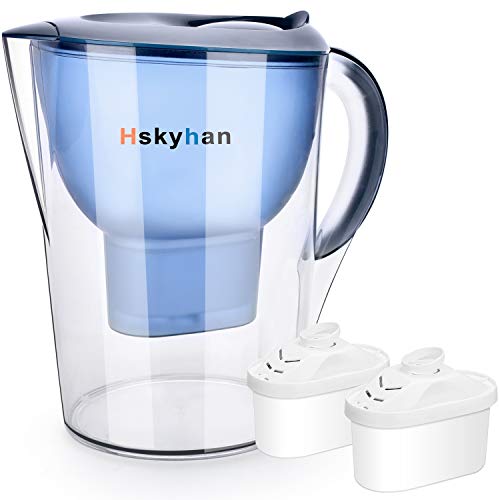
Hskyhan Alkaline Water Filter Pitcher 3.5L 7-Stage

Waterdrop PT-05B-L Water Filter Pitcher 7-Cup NSF Certified

PUREPEBRIX Hydrogen Water Bottle Generator 7560 PPB

PUREPEBRIX Hydrogen Water Bottle 7560 PPB IHSA

ALTHY Hydrogen Water Generator Pitcher SPE/PEM Dual Chamber

PUREPEBRIX Hydrogen Water Bottle Generator 9060 PPB

Alkaline Water Filter Pitcher 3.8L Borosilicate Glass 6-Stage

Crystal Quest Standard/Smart Water Filter Pitcher Cartridge 2000 Gallons
The Details Behind The Selections
The Hskyhan pitcher fills a slot that most “premium” picks ignore: a family-size reservoir that won’t dominate the fridge shelf. At 3.5 liters total with a 2-liter filtered capacity (the unfiltered water sits in the top chamber waiting to drip through), it covers a couple of days of drinking for two adults without nightly refills. The body is BPA-free plastic, which keeps the weight down when the tank is full.
Compared to the Waterdrop entry below, the Hskyhan leans harder into alkaline staging rather than a single carbon pass. That means more layers between tap and glass, and more to think about when filters run out. For households that go through a lot of water and want one less decision each morning, the setup is forgiving.
Bright Spots
- 7-stage alkaline cartridge layers multiple media (different filtering materials like carbon, ion-exchange resin, and mineral balls) to push pH and strip common tap tastes
- Two replacement cartridges ship in the box, so the first swap is months away for most users
- 3.5L total capacity suits a small family or two heavy drinkers sharing one fridge
- BPA-free plastic body is light enough to lift one-handed when full
- Built-in timer on the lid tracks days since the last cartridge change
Trade Offs
- Plastic body can pick up light odors from strong-smelling fridge items over time
- Filter replacements are brand-specific, so shopping around is limited
Made For
Families of two to four who refill a pitcher roughly once a day and want alkaline-staged filtration on a sensible budget.
Skip It When
The Waterdrop PT-05B-L Water Filter Pitcher suits you better if a compact 7-cup reservoir and NSF/ANSI 42 certification (a third-party standard confirming the filter reduces chlorine taste and odor) matter more than capacity.
Waterdrop’s PT-05B-L is the pitcher to beat in tight spaces. At 7 cups it slips into a half-fridge shelf or a studio kitchen without elbowing aside the milk jug. The blue housing is light, the lid flips easily, and the pour spout is one of the cleaner designs in the category.
Where this stands apart from the Hskyhan above is the certification angle. The cartridge is tested against NSF/ANSI 42 and 372 standards, which covers chlorine taste, odor reduction, and lead-free materials. You may find the smaller capacity frustrating on heavy-use days, but for a single person or a couple it rarely feels limiting.
The Upside
- NSF/ANSI 42 and 372 certification gives third-party validation of the cartridge claims
- 7-cup size fits condo fridges, dorm mini-fridges, and RV shelves
- Activated carbon fiber (ACF) media flows faster than older granular carbon, reducing wait time
- Replacement cartridges are widely stocked under the PF-01A model number
Worth Noting
- Smaller tank means more refills if a household of three shares it
- Doesn’t push pH as aggressively as multi-stage alkaline filters
- No electronic timer on the lid, so you’ll track filter age yourself
Best Suited To
Solo drinkers, couples, and small-space kitchens where NSF-tested carbon filtration and a slim footprint matter most.
Reach For A Different Pick When
The Hskyhan Alkaline Water Filter Pitcher makes more sense if you want layered alkaline staging and a 3.5L reservoir for a family setup.
PUREPEBRIX shifts the conversation away from filter cartridges and toward true hydrogen infusion. This bottle uses electrolysis to dissolve molecular hydrogen (H₂) directly into water, and the brand quotes concentrations up to 7560 parts per billion (PPB) at the longest cycle. PPB is the standard unit for measuring dissolved H₂, and higher numbers mean more hydrogen in your glass.
For a commuter, that turns a countertop routine into a one-handed operation. The bottle is built from Tritan plastic, a shatter-resistant co-polyester that holds up to the pressure of the electrolysis cycle. It’s IHSA-certified, meaning the International Hydrogen Standards Association has reviewed the output claims.
Where It Helps
- Real electrolysis cycle delivers measurable H₂ rather than filtered tap water with a label
- Multiple cycle lengths (6, 12, 18, 24, and 30 minutes) let you dial dose to situation
- Tritan body resists the pressure spikes that crack cheaper plastics
- Portable form means hydrogen water at the office, gym, or trailhead
Honest Caveats
- Longer cycles drain the rechargeable battery noticeably
- Hydrogen dissipates quickly, so you should drink the water soon after a cycle for full effect
Who Will Love This
Commuters and gym-goers who want hydrogen-infused water away from the kitchen counter without relying on tablets or sticks.
Consider Something Else When
The PUREPEBRIX Hydrogen Water Bottle 7560 PPB (item 4) is the better call if you want a streamlined version of the same brand at a similar output with a slightly different feature set.
The sibling bottle to pick 3 shares the same 7560 PPB ceiling and the same IHSA certification, but it positions itself for a slightly different buyer. Where the previous PUREPEBRIX entry leans commuter, this one reads as the athlete’s pick. The cycle structure is identical: 6 minutes for a light dose, scaling up to 30 minutes for the full 7560 PPB.
Independent H₂ Analytics testing backs the concentration claims, which matters in a category where bold numbers often outrun reality. For runners, lifters, or anyone structuring hydration around a training block, that documentation is the whole pitch.
Where It Excels
- Same lab-verified 7560 PPB output as the 9060 PPB flagship, with a shorter cycle reaching usable doses faster
- Independent lab report available for the performance-curious shopper
- Tritan construction handles daily bag-throw abuse
- Self-cleaning mode on the electrolysis chamber keeps mineral buildup in check
Possible Compromises
- Charging port is a proprietary style, so a lost cable means waiting on a replacement
- Same fast H₂ dissipation caveat as any open-bottle electrolysis system
- Cycle timer is on the louder side for early-morning use in a quiet kitchen
Right Fit For
Athletes and structured-hydration routines who want documented PPB output in a bottle that survives daily gym-bag travel.
Look Elsewhere When
The PUREPEBRIX Hydrogen Water Bottle Generator 9060 PPB fits better if you want the brand’s highest output and don’t mind longer cycle times for it.
The ALTHY pitcher is the countertop answer to the portable bottles above. It uses SPE (solid polymer electrolyte) and PEM (proton exchange membrane) dual-chamber electrolysis, which separates hydrogen production from oxygen and chlorine byproducts for a cleaner output. The result is hydrogen-enriched water without the metallic aftertaste that single-chamber systems sometimes leave.
A pre-installed calcium sulfite cartridge strips chlorine before electrolysis, which protects the membrane and extends its working life. The body is BPA-free, the lid locks for fridge storage, and the control panel shows the active cycle on a small display. For a household that wants pitcher convenience with true H₂ infusion, this is the most feature-dense option in the lineup.
Everyday Wins
- Dual-chamber SPE/PEM electrolysis separates byproducts for a cleaner hydrogen output than single-chamber designs
- Built-in calcium sulfite filter conditions feed water before electrolysis runs
- Pitcher form factor means batch hydrogen water rather than single-bottle cycles
- BPA-free jug construction
Where It May Fall Short
- Corded design ties it to a countertop outlet, unlike the portable bottles above
- Heavier than a standard filter pitcher, so fridge-door shelf placement is awkward
- Calcium sulfite cartridges are brand-specific, adding to long-term ownership cost
Perfect Match For
Households that want true hydrogen infusion in pitcher quantities and don’t mind giving up a power outlet to get it.
A Better Fit Elsewhere
The PUREPEBRIX Hydrogen Water Bottle Generator 7560 PPB makes more sense for users who want H₂ on the go rather than tethered to the kitchen.
Topping the PUREPEBRIX lineup, this 9060 PPB model is the most output-heavy portable option on the list. The 30-minute cycle delivers 9060 PPB, with intermediate stops at 4340, 6590, 7430, and 8160 PPB if you want a quicker, lower-dose pour. SPE/PEM electrolysis technology carries over from the lower-tier siblings.
A QR code on the packaging links to a full H₂ Analytics lab report, which is unusually transparent for the category. For users who want the highest documented portable H₂ concentration without stepping up to a countertop machine, this is the obvious landing point. The honest read is that the top-end output is overkill for casual hydration, but for structured routines it’s the brand’s strongest showing.
A Favorable Mix
- Highest documented PPB output (9060) among portable bottles in this roundup
- Scalable cycle length, so the same bottle covers light and heavy doses
- Lab report is publicly accessible via QR code on the packaging
- SPE/PEM dual-chamber design keeps byproducts out of your glass
What To Weigh
- 30-minute full cycle is a real time commitment on busy mornings
- Heavier than the 7560 PPB siblings because of a larger battery pack
- Higher PPB output offers diminishing returns versus a 7560 PPB cycle for most use cases
Whose Shelf It Belongs On
Power users, recovery-focused athletes, and anyone who has already committed to a daily H₂ routine and wants the strongest portable dose available.
Swap It Out When
The ALTHY Hydrogen Water Generator Pitcher fits better if you want batch hydrogen water for the whole household rather than single-bottle cycles.
Where every other pitcher in the lineup leans on plastic, this one breaks the mold with borosilicate glass (the same lab-grade material used in beakers and bakeware, prized for thermal shock resistance). The 3.8L body is heavier than the Hskyhan but stays clean-tasting far longer, and the pH range lands between 8.5 and 9.5 depending on source water.
A 6-stage cartridge is NSF/ANSI 42 and 61 certified, covering both chlorine reduction and material safety. The bonus is a stainless steel fruit infuser rod that drops into the center of the pitcher, turning it into a cold-brew or fruit-water maker. The honest read is that the glass body demands a stable countertop spot, but for tea and coffee drinkers the flavor difference is real.
Positive Points
- Borosilicate glass body doesn’t impart plastic notes to filtered water
- NSF/ANSI 42 and 61 certification covers both filtration performance and material safety
- Stainless steel infuser rod supports cold brew, tea, and fruit water in the same vessel
- 3.8L capacity is generous for daily family use
Soft Spots
- Glass body adds real weight, and a fridge door shelf is a risky spot for it
- Replacement cartridges are brand-specific, which limits cross-shopping
- Hand-wash only, so daily cleanup takes more care than a plastic pitcher
Built With In Mind
Style-led kitchens, tea and coffee drinkers, and anyone who wants a glass vessel on the counter rather than hidden in the fridge.
Where A Sibling Pick Shines
The Hskyhan Alkaline Water Filter Pitcher suits shoppers who prefer a lighter plastic body and a tighter budget over the glass aesthetic.
The Crystal Quest entry is a replacement cartridge rather than a full pitcher, and that distinction matters. The 2000-gallon lifespan translates to roughly six months of use for a family of four, which beats most plastic-pitcher cartridges on longevity. The 4-stage media targets chlorine, VOCs (volatile organic compounds like industrial solvents that can leach from pipes), THMs (trihalomethanes, a regulated disinfection byproduct), and heavy metals.
Two versions are available: the Standard for everyday filtration and the Smart for users who also want fluoride and arsenic reduction. If you already own a Crystal Quest pitcher system, this is the cartridge that keeps it running. If you don’t, you’ll need to factor in the base pitcher separately.
The Case For It
- 4-stage media covers chlorine, VOCs, THMs, and heavy metals in one cartridge
- 2000-gallon rated lifespan cuts annual replacement cost versus standard cartridges
- Smart version adds fluoride and arsenic reduction for tougher source water
- Drop-in installation with no tools required
Points To Keep In Mind
- Cartridge only, so existing Crystal Quest pitcher owners are the primary audience
- Longer media stack means slower flow rate than a single-stage carbon block
- Smart version costs more and only pays off if your source water actually carries fluoride or arsenic
Who Should Grab It
Existing Crystal Quest pitcher owners who want a long-life replacement, or shoppers prepared to invest in the matching base pitcher for the cartridge’s heavy-duty media.
Not Your Match When
The Waterdrop PT-05B-L Water Filter Pitcher suits first-time shoppers better, since it ships as a complete system rather than a cartridge-only purchase.
Choosing Hydrogen Water Pitchers That Actually Fit Your Routine
The category splits into three real decisions, and the right answer depends on which trade-off you care about most.
Filtration depth vs. infusion technology. Standard filter pitchers like the Hskyhan and Waterdrop use layered media to improve taste and nudge pH upward. Electrolysis pitchers and bottles like the PUREPEBRIX line and the ALTHY actually dissolve molecular hydrogen into the water. If your goal is better-tasting tap water with a moderate pH shift, filtration is enough. If you specifically want dissolved H₂ measured in PPB, you need electrolysis.
Countertop vs. portable. Pitchers give you batch volume and fridge-door storage, but they stay put. Bottles trade capacity for portability, which suits commuters and gym-goers. Countertop electrolysis units like the ALTHY deliver batch H₂ without giving up the pitcher form, but they need a power outlet nearby.
Capacity and footprint. A 3.5L pitcher is generous for two adults and tight in a half-fridge. A 7-cup pitcher like the Waterdrop PT-05B-L slips into spaces the larger models can’t, but it means more refills. Glass bodies (the Pitcher of Life entry) bring premium feel and clean taste at the cost of weight and breakage risk.
Build material and certifications. BPA-free plastic is the category default and is light enough for daily handling. Borosilicate glass avoids any plastic contact but demands a stable spot. NSF/ANSI 42 certification on a cartridge means third-party testing for chlorine reduction; NSF/ANSI 61 adds material safety. Both are worth looking for, especially if source water quality is variable in your area.
Key Considerations Across These Picks
Common Shopping Slip Ups
The biggest trap in this category is chasing the highest PPB number without considering how you’ll actually use it. A 9060 PPB bottle is wasted on someone who only drinks water at their desk, because the hydrogen dissipates within hours of a cycle. Conversely, a 7-cup pitcher is the wrong tool for a household of four that goes through three liters before lunch.
Another common miss is ignoring cartridge availability. Filter-based pitchers live and die by their replacement schedule, and brand-locked cartridges can quietly become expensive. Before picking, confirm that replacements are easy to source and that the rated lifespan matches your household’s actual water consumption. Skipping that step turns a $30 pitcher into a $90-a-year habit.
Where The Extra Money Goes
The premium tier in hydrogen water gear typically buys three things: better electrolysis chambers, lab verification, and sturdier materials. The PUREPEBRIX 9060 PPB and the ALTHY pitcher both use SPE/PEM dual-chamber technology, which separates hydrogen from oxygen and chlorine byproducts for a cleaner result. That engineering costs more than a single-chamber design, but it also means fewer “off” tastes in your glass.
Lab verification, like the H₂ Analytics report linked from the 9060 PPB bottle, is the other premium marker. Without independent testing, PPB claims are just numbers on a box. Paying up usually buys a published report you can actually check.
Frequently Asked Questions
How long does hydrogen stay dissolved in the water? Dissolved H₂ begins escaping as soon as the electrolysis cycle ends, especially in an open container. Most of the gas dissipates within a few hours, which is why portable bottles are designed to be drunk from shortly after a cycle.
Do these pitchers need electricity? Standard filter pitchers like the Hskyhan and Waterdrop are gravity-fed and need no power. Electrolysis pitchers (the ALTHY) and hydrogen bottles (the PUREPEBRIX line) require charging or a wall outlet to run the electrolysis cycle.
How often do filter cartridges need replacing? Most pitcher cartridges in this roundup are rated for around 40 to 150 gallons, depending on the model. The Crystal Quest cartridge is the outlier at 2000 gallons, which is a multi-month supply for a typical household.
Is borosilicate glass worth the extra weight? For tea, coffee, and cold-brew drinkers, yes. Glass doesn’t carry the faint plastic note that some filter pitchers develop over time, and borosilicate tolerates temperature swings that would crack standard glass.
Can these pitchers go in the fridge door? Plastic models like the Hskyhan and Waterdrop fit comfortably on a door shelf. The Pitcher of Life glass model is heavier and risks tipping on a door shelf, so a main fridge compartment is the safer spot.
Wrap Up
Hydrogen water gear comes in more shapes than the category name suggests, and the right pick depends on whether you want better-tasting filtered water, measurable dissolved H₂, or something that travels with you. Match the format to your routine rather than the boldest number on the box, and you’ll end up with gear that actually changes your daily hydration habits.
