
Some nights call for a warm mug without the late-afternoon jitters, and that’s exactly where decaf single-serve pods earn their place. You want a cup that still tastes like real coffee, not a sad afterthought poured from a tired bag. The trick is finding pods that hold their flavor profile after the caffeine is stripped out, and the right match depends on your brewer, your roast preferences, and whether you care about organic sourcing or compostable materials. This lineup covers the well-known grocery staples alongside a few specialty options worth a closer look.
A Side-By-Side Look

CAFE OLÉ Taste of Texas DECAF Coffee K Cups Assortment, 12ct (36 Cups)

Peet’s Coffee Major Dickason’s Blend Dark Roast, 75 K Cups

Peet’s Coffee Decaf House Blend Dark Roast, 32 K Cups

Starbucks Decaf House Blend Medium Roast, 10 Keurig Pods

McCafe Premium Roast Decaf Keurig K Cup Pods (18 Count)
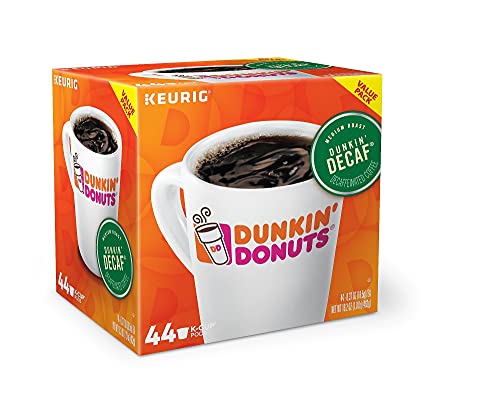
Dunkin’ Decaf Medium Roast K-Cup Pods, Box of 44

Peet’s Coffee Decaf Especial Medium Roast, 60 K Cups

beaniac Organic Full On French Roast, 30 Compostable K Cups

beaniac Downtime Decaf Swiss Water Medium Roast, 30 Compostable K Cups

beaniac Organic Kickstarter Colombian Medium Light Roast, 30 K Cups
The Strengths Of Each Pick
Most decaf pods aim for “just like regular coffee,” but this CAFE OLÉ sampler leans into a regional identity with three distinct Texas-themed varieties bundled into one gift-style assortment. The 12-count box contains 36 individual pods spread across Houston Blend, Texas Pecan, and Taste of San Antonio, giving you more flavor variety per package than any other pick on this list.
Beyond the novelty factor, these are Kosher Certified and produced as medium-roast decaffeinated single-serve capsules, so they slot into most standard Keurig-style brewers without a second thought. The assortment format makes it a low-commitment way to test a brand you might not otherwise grab, and depending on your palate, the pecan note tends to be the standout of the trio.
Everyday Wins
- Three flavor profiles in one package, so you avoid pod fatigue for weeks
- Kosher Certified for shoppers with specific dietary requirements
- Medium roast sits in the middle of the spectrum, broad enough for mixed households
- Gift-style packaging works well for hostess presents or office break rooms
Honest Caveats
- Flavored pods like Texas Pecan can leave a light residual scent in your brewer’s exit needle over time
- The regional theme won’t appeal to anyone chasing a classic coffee-shop profile
Key Advantages
Best Suited To
Shoppers hunting for a giftable decaf sampler or anyone who enjoys flavored coffees with a regional twist.
Consider Something Else When
The Dunkin’ Decaf Medium Roast K-Cup Pods are a better fit for households chasing a straightforward, diner-style decaf without the themed flavorings.
Peet’s Major Dickason’s Blend is one of those dark roasts that manages to stay drinkable across multiple cups in a row, and at 75 pods per box, you won’t be reordering constantly. These K-Cup pods are made from 100% Arabica coffee and brew in any standard Keurig K-Cup machine, so compatibility headaches are off the table.
The deep, smoky profile here pulls double duty for early risers and late-night decaf drinkers who want their evening mug to still taste assertive. Compared to the lighter CAFE OLÉ assortment that opened this list, this is a more focused, single-flavor commitment, and depending on your taste, the heavier roast character can replace your morning regular without much adjustment.
Where It Excels
- Dark roast depth that holds up well with cream or stands alone black
- 75-count bulk size suits heavy drinkers and shared offices
- 100% Arabica beans for a cleaner cup than Robusta blends
Worth Noting
- Dark roast intensity can feel too bold for drinkers who prefer milder profiles
- Larger box format requires more pantry space than smaller pod counts
At A Glance
Right Fit For
Dark-roast devotees and households with high coffee consumption who want a single, reliable everyday decaf option.
Skip It When
The McCafe Premium Roast Decaf Keurig K Cup Pods are a better match for drinkers who want a lighter, gentler cup that doesn’t lean as heavily into smoky intensity.
Peet’s Decaf House Blend keeps things straightforward: a smooth, satisfying dark roast designed to mirror the brand’s signature style without the caffeine. The 32-count box lands in a comfortable middle ground for solo drinkers or small households who go through a pod a day but don’t need warehouse-scale quantities.
Made from 100% Arabica coffee, this is the decaf counterpart to Peet’s regular House Blend, and the roast profile aims for sweet, full-bodied depth rather than the more aggressive smoke of the Major Dickason’s pick reviewed above. The result is a versatile evening cup that pairs well with dessert or stands alone as a post-dinner ritual.
The Upside
- Balanced dark roast that avoids the bitter edge some decaf processes leave behind
- 32-pod count fits typical one-to-two-person household consumption
- 100% Arabica formulation for cleaner flavor chemistry
Trade Offs
- Decaf processing can mute some of the aromatic brightness you’d find in the caffeinated version
- Not the right pick if you want the bolder, smokier character of Major Dickason’s
Quick Facts
Made For
Solo decaf drinkers and couples who want a consistent, easy-drinking dark roast without committing to a 75-pod bulk box.
Look Elsewhere When
The beaniac Organic Downtime Decaf Swiss Water Medium Roast is a smarter choice for anyone prioritizing organic sourcing and a chemical-free decaffeination process.
Starbucks Decaf House Blend is the choice for anyone who wants their home brewer to mimic the café counter experience. The medium-roast profile leans on Latin American beans to deliver a balanced, approachable cup that plays nicely with or without additions like milk and sugar.
At just 10 pods per box, this is a small commitment, perfect for testing whether the Starbucks profile translates to your single-serve setup before scaling up. The pods work in both hot and iced brewing configurations, which adds a layer of flexibility that some competitors don’t address directly. For shoppers already loyal to the Starbucks flavor, this decaf version holds true to the brand’s recognizable character.
Everyday Advantages
- Recognizable Starbucks flavor profile for brand-loyal drinkers
- Versatile for both hot and iced preparation
- Small box size reduces commitment risk for first-time Keurig decaf buyers
Small Caveats
- Only 10 pods means frequent reordering for regular drinkers
- Medium roast won’t satisfy those craving the deeper body of a dark roast
Who Will Love This
Starbucks regulars who want their go-to flavor available in a decaf, single-serve format without learning a new taste profile.
Reach For A Different Pick When
The Peet’s Coffee Decaf House Blend Dark Roast is a better match for shoppers wanting more pods per box and a deeper roast character.
McCafe’s Premium Roast Decaf is a sensible middle-of-the-road option that doesn’t lean too dark or too light. The 18-count box is sized for someone testing the waters or rotating between caffeinated and decaf days without committing to a massive supply.
Crafted from 100% Arabica beans, this medium-roast decaf aims for a smooth, balanced cup that mimics the in-store McDonald’s coffee experience. The pods work in both Keurig 1.0 and 2.0 brewing systems, which sidesteps the compatibility question that sometimes trips up shoppers with newer machines. Compared to the bolder Peet’s Major Dickason’s reviewed earlier, this is a more restrained, crowd-pleasing profile.
Notable Upsides
- Smooth, approachable flavor that works in shared kitchen settings
- Compatible with both Keurig 1.0 and 2.0 systems
- 100% Arabica beans for a cleaner, less bitter cup
Points To Note
- 18 pods may run out quickly for households with multiple daily coffee drinkers
- Flavor profile is mild, so it may not satisfy those wanting a more distinctive cup
Perfect Match For
Office break rooms and casual drinkers who want a reliable, non-intimidating decaf that most people will find agreeable.
A Better Fit Elsewhere
The Dunkin’ Decaf Medium Roast K-Cup Pods are a smarter pick for shoppers wanting larger quantities and that specific East Coast diner character.
Dunkin’ brings its signature medium-roast profile to the decaf world with a 44-pod box that strikes a practical balance between value and freshness. This is a decaf version of the brand’s Original Blend, designed to deliver the familiar East Coast coffee character without the caffeine content.
The medium roast sits comfortably between the lighter Starbucks Decaf House Blend and the darker Peet’s options reviewed earlier. For households that rotate between regular and decaf days, or for anyone who simply prefers a smooth, no-surprise cup, this Dunkin’ offering covers the basics with minimal fuss. The larger box format means fewer reorders without tipping into the 75-pod warehouse territory.
Features That Help
- 44-pod count suits moderate-to-heavy household consumption
- Mirrors the recognizable Dunkin’ Original Blend flavor profile
- Medium roast versatility works for morning and evening drinking
Room For Improvement
- Decaf version may taste slightly flatter than the caffeinated original, which is common across the category
- Larger box requires planning for storage in a cool, dry spot
Built With In Mind
Dunkin’ fans and moderate-to-heavy decaf drinkers who want a familiar flavor in generous quantities without paying specialty-coffee prices.
Swap It Out When
The beaniac Organic Full On French Roast is the right swap for anyone who wants a darker, more eco-friendly pod with compostable construction.
Peet’s Decaf Especial delivers the brand’s signature full-bodied character in a medium-roast decaf format, packaged in a 60-pod bulk box that handles serious consumption. The profile aims for rich and sweet, leaning into Peet’s distinctive roasting style without crossing into the smoky territory of the Major Dickason’s blend reviewed earlier.
Built from 100% Arabica beans and compatible with all Keurig K-Cup brewers, this is a versatile workhorse for households where decaf is a daily staple rather than an occasional alternative. The 60-count size splits the difference between the smaller 32-pod Decaf House Blend and the larger 75-pod Major Dickason’s option, giving you Peet’s richer roast profile in a balanced quantity.
Everyday Perks
- Rich, full-bodied medium roast with Peet’s signature depth
- 60-pod bulk size for steady household or small-office use
- 100% Arabica beans for a smoother cup profile
Trade-Offs To Consider
- Bulk packaging means the pods need to be stored in a cool, dry environment to preserve freshness
- Full-bodied character may feel heavy for drinkers used to lighter, brighter roasts
Whose Shelf It Belongs On
Multi-drinker households and small offices that need a steady supply of rich, full-flavored decaf without frequent reordering.
Another Choice May Suit
The Starbucks Decaf House Blend Medium Roast is a more appropriate match for someone who wants a smaller 10-pod starter pack and a lighter body.
beaniac’s Full On French Roast is the option for drinkers who think about what happens to the pod after the cup is empty. These commercially compostable, BPI-certified single-serve pods are designed to break down in industrial composting facilities, setting them apart from the standard plastic capsules that dominate this category.
Made from organic, Rainforest Alliance Certified Arabica coffee, this dark roast delivers the deep, intense character you’d expect from a French-style profile. The pods work with Keurig 2.0 brewers and other K-Cup systems, so the eco-friendly construction doesn’t force a hardware compromise. For shoppers who care about both flavor and environmental footprint, this is one of the more thoughtfully constructed options on the market.
Key Advantages
- Compostable pod construction reduces landfill contribution when disposed of properly
- Organic and Rainforest Alliance Certified Arabica for ethical sourcing
- Dark French roast depth that holds up to milk and sweeteners
Factors To Consider
- Compostable pods require access to commercial composting facilities, which aren’t available everywhere
- Pod material can occasionally behave differently in older Keurig machines, so checking your brewer’s compatibility helps
Feature Snapshot
Who Should Grab It
Sustainability-minded coffee drinkers with access to commercial composting who want a serious dark roast without the plastic waste.
Where A Sibling Pick Shines
The Peet’s Coffee Major Dickason’s Blend Dark Roast is the right call for drinkers who prioritize bulk quantity and a more conventional plastic pod format.
The Downtime Decaf from beaniac uses the Swiss Water Process, a chemical-free decaffeination method that relies on water and activated carbon filters rather than chemical solvents. For drinkers who research how their decaf is made, this distinction matters more than the label alone might suggest.
The medium-roast profile aims for smooth and clean with a medium body and a tangy, crisp aftertaste, offering a brighter cup than the darker beaniac French Roast reviewed earlier. Like its sibling pod, the construction is organic, Rainforest Alliance Certified, and commercially compostable. Combined, these details make this one of the more thoughtfully sourced decaf options in the single-serve space.
Points In Its Favor
- Swiss Water Process means no chemical solvents touch the beans during decaffeination
- Compostable pod format for reduced environmental impact
- Organic and Rainforest Alliance Certified sourcing
- Bright, clean flavor profile that avoids the flatness some decaf cups show
Possible Compromises
- 30-pod box may feel small for heavy daily drinkers
- Compostable pods need commercial composting access to deliver on the eco promise
- Swiss Water decaf can taste slightly different than chemically processed options, and some palates need adjustment time
Feature Rundown
Right Fit For
Drinkers who prioritize clean-label decaffeination and want organic, compostable construction in one package.
A Better Fit Elsewhere
The Peet’s Coffee Decaf House Blend Dark Roast suits shoppers wanting a larger box and a more traditional dark-roast profile at a mainstream brand.
The Kickstarter Colombian rounds out beaniac’s lineup with a medium-light roast that puts Colombian origin character front and center. Where the French Roast and Downtime Decaf lean dark or chemical-free, this pod is about showcasing a specific bean’s brighter, fruitier side.
Built on the same organic, Rainforest Alliance Certified, compostable platform as the brand’s other offerings, this is a single-origin option for drinkers who usually buy decaf on autopilot but want something a bit more interesting in the rotation. The medium-light roast lands between the brightness of a light roast and the body of a medium, offering a middle path that works for both morning and afternoon cups. Note that this is the brand’s regular caffeinated Colombian, not a decaf, so it’s the right pick for days when you want flavor variety without committing to the decaf format.
Notable Gains
- Single-origin Colombian beans for distinctive regional character
- Organic and Rainforest Alliance Certified for ethical sourcing
- Compostable pod construction matches the brand’s sustainability focus
- Medium-light roast fills a gap for drinkers avoiding heavier dark-roast profiles
Less Ideal Details
- Not a decaf option, so it doesn’t address evening-drinking needs
- Lighter roasts can taste thin to palates accustomed to French or Italian dark roasts
Who Should Grab It
Single-origin coffee explorers who want a bright Colombian profile in a sustainable, compostable pod format during daytime hours.
Consider Something Else When
The beaniac Downtime Decaf Swiss Water Medium Roast is the right swap for evenings and caffeine-sensitive drinkers, since this Colombian pod still contains caffeine.
What Matters Most When Choosing K Cup Decaf Coffees
Roast level shapes the entire drinking experience, and decaf versions of familiar roasts don’t always taste identical to their caffeinated counterparts. The decaffeination process can strip away some of the aromatic compounds that define a bean’s character, which is why some dark roasts taste heavier and some medium roasts taste flatter than you’d expect. A 100% Arabica label helps, since Arabica beans generally hold flavor better through decaffeination than Robusta blends do.
The decaffeination method itself is worth knowing. The Swiss Water Process relies on water and carbon filtration with no chemical solvents, while other methods use chemical agents to extract caffeine. Neither is unsafe in finished coffee, but drinkers who care about clean-label sourcing often seek out the Swiss Water approach, like the beaniac Downtime Decaf covered in this roundup.
Pod construction matters beyond flavor. Standard plastic K-Cups work in most brewers but contribute to landfill waste, while compostable pods from brands like beaniac break down in commercial composting facilities. Brewer compatibility is also a practical checkpoint: Keurig 2.0 machines sometimes reject older pod designs, and not every pod on the market fits every model.
Box size affects freshness and storage. A 75-pod bulk box is economical for heavy drinkers but takes longer to go through, and pods stored in humid kitchens can lose flavor faster. Smaller 10-to-18 count boxes are better for variety-seekers who want to rotate flavors without long-term storage commitments.
Key Considerations Across These Picks
Common Shopping Slip Ups
One frequent trap is buying a 75-pod box of a roast you haven’t tried. A smaller starter pack like the Starbucks 10-count or the McCafe 18-count gives you a chance to test the flavor before committing to a bulk purchase. Another mistake is assuming all decaf tastes the same. The decaffeination method, bean origin, and roast level all combine to produce noticeably different cups, so sampling a few options is worth the extra time.
Where The Extra Money Goes
Premium-tier decaf pods often justify the higher cost through better sourcing, organic certification, and more careful decaffeination methods. The beaniac offerings in this list carry compostable construction and Rainforest Alliance certification, which adds production cost but delivers a pod that breaks down in commercial composting and supports verified responsible farming. For drinkers who care about these factors, the upgrade from a standard plastic pod to a compostable, organic option is usually worth the difference.
Frequently Asked Questions
How does the Swiss Water Process differ from other decaffeination methods?
The Swiss Water Process uses only water and activated carbon filters to remove caffeine, avoiding chemical solvents entirely. Other common methods rely on chemical agents to extract caffeine, which some drinkers prefer to avoid.
Are compostable K-Cup pods compatible with all Keurig brewers?
Most compostable pods, including the beaniac options covered here, work with Keurig 2.0 and other K-Cup compatible systems. Older Keurig 1.0 machines occasionally have trouble recognizing non-plastic pods, so checking your specific model helps.
Does decaf coffee contain any caffeine at all?
Decaf coffee is not completely caffeine-free, though the residual amounts are typically very small compared to regular coffee. Most decaf pods contain a fraction of the caffeine found in standard brews, making them a practical choice for caffeine-sensitive drinkers.
What is the shelf life of K-Cup pods?
K-Cup pods generally stay fresh for several months when stored in a cool, dry environment away from direct sunlight. Keeping the box sealed until use helps preserve the flavor and aroma.
Can I use these pods in non-Keurig single-serve brewers?
Many of the pods in this roundup are compatible with various K-Cup style brewers beyond Keurig. Checking the product listing for specific compatibility details ensures the pods work with your particular machine.
The Takeaway
The best decaf single-serve pod is the one that matches your brewer, your roast preferences, and your expectations around sourcing. Heavy dark-roast drinkers get the most from Peet’s Major Dickason’s, sustainability-minded shoppers should look closely at the beaniac lineup, and casual drinkers who just want a familiar cup will find the Starbucks or Dunkin’ options hard to argue with. A smaller starter box is the safest first move, and rotating between two or three favorites keeps the daily mug interesting without overspending on bulk quantities.
