
Hawaii pours out a small but storied share of the world’s specialty coffee, and Kona sits right at the heart of it. Beans labeled “Kona” range from pure single-estate lots grown on the Big Island’s western slopes to flavored blends that borrow the name for a touch of island romance. Choosing between them means deciding what matters more to you: provenance, roast level, or a particular flavor profile you can rely on every morning. This guide sorts through eight options to help you find the right match for your kitchen, your brewing setup, and your taste.
A Side-By-Side Look

Domain Kona Peaberry Almost Dark Ground 8oz

Kona Earth 100% Kona Whole Bean 1 lb

Lion Coffee Vanilla Macadamia Light Roast 10oz

Greenwell Farms 100% Kona Dark Roast 16oz

Volcanica Kopi Luwak Wild Whole Bean 16oz
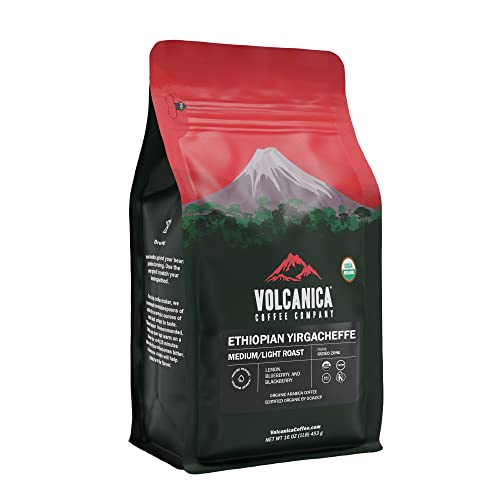
Volcanica Ethiopian Yirgacheffe Organic 16oz
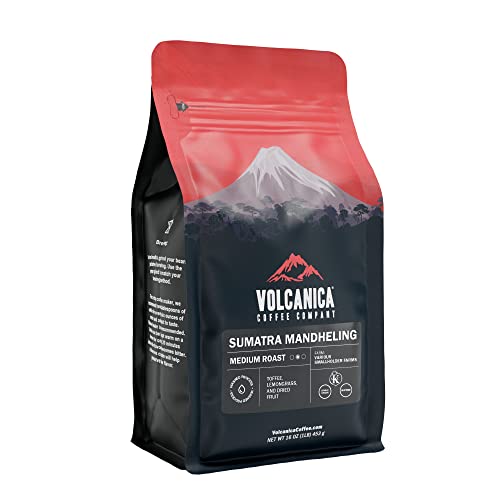
Volcanica Sumatra Mandheling Organic 16oz

Volcanica Tanzania Peaberry Kilimanjaro 16oz
Inside Each Recommended Option
Peaberry beans form when a single rounded seed grows inside the coffee cherry instead of the usual pair of flat-sided halves. The shape lets roast heat circulate more evenly, which is one reason peaberry lots often taste a touch sweeter and a bit more concentrated. This Domain Kona offering is ground rather than whole, so it suits drip machines, French press (French press is a plunger-style brewer that steeps coarse grounds before filtering), or pour-over setups without a grinder on the counter.
Sourced from a single estate in the Kona Coffee Belt on Hawaii’s Big Island, the 8-ounce bag ships direct from the farm. Compared with the Lion Coffee and Greenwell Farms entries later in this list, the appeal here is scarcity: peaberry makes up a small fraction of any harvest, so the bag feels more like a small-batch find than an everyday driver.
Key Advantages
- Single-estate sourcing keeps the flavor tied to one farm’s terroir (the soil, climate, and elevation that shape a coffee’s taste) rather than a blend.
- Peaberry selection usually means rounder, more focused sweetness in the cup.
- Pre-ground format saves time for anyone without a burr grinder (a grinder that crushes beans between two abrasive surfaces for a more even particle size).
- 8-ounce size fits occasional drinkers and lets you finish the bag before staleness sets in.
Things To Consider
- Smaller package size means more frequent reorders for daily drinkers.
- Ground coffee loses aroma faster than whole bean once the bag is opened.
Right Fit For
Curious drinkers who want a pure 100% Kona lot from a single estate and only need a modest amount for occasional brewing.
Where Another Pick Suits Better
Daily pour-over drinkers will get more mileage out of the 1 lb Kona Earth bag reviewed next, which keeps whole-bean freshness in play for longer.
Where the Domain Kona Peaberry leans rare and small-batch, Kona Earth leans practical. The 1 lb (16 oz) bag is the kind of size that survives a month of weekday pour-overs and the occasional weekend French press without forcing a re-order every other week. Whole-bean format keeps the aromatics locked in until you grind, which matters a lot more than bag size once coffee is opened.
Beans are roasted on the same family farm where they’re grown in the Kona Coffee Belt, so the supply chain stays short. If your mornings lean on a Chemex, a V60, or any home espresso setup, you get the Kona profile at a cadence that actually fits a real routine.
What Pays Off
- Larger 1 lb format keeps daily drinkers stocked without constant reorders.
- Whole-bean format preserves the volatile aromatics (the delicate scent compounds that fade quickly after grinding) until brew day.
- Farm-direct model trims the chain between cherry and cup.
- Real Kona provenance, not a blend that just borrows the name.
Trade Offs
- You’ll need a burr grinder at home to get the most out of it.
- One-pound bags can lose a little edge near the end if you brew slowly, so airtight storage becomes more important as the bag empties.
Feature Snapshot
Who Will Love This
Daily pour-over and French press drinkers who want genuine 100% Kona in a whole-bean format sized for a real rotation.
Not Your Match When
Anyone chasing the peaberry sweetness profile from the Domain Kona pick should look back at that option instead.
Lion Coffee sits in a different lane from the 100% Kona entries earlier in this list. The Vanilla Macadamia flavoring turns the cup into a dessert-leaning pour, and the light roast keeps the bean character gentle enough that the added aromatics stay readable. Made with Arabica beans (a higher-quality coffee species prized for smoother, sweeter cups than its Robusta cousin), the 10 oz bag is sized to fit a suitcase or a week of vacation mornings without much fuss.
It’s also a frequent gift-bag pick. The branding leans into “A Taste of Aloha,” and the flavor pairing pairs well with the kind of hostess gift or souvenir moment where a fully serious single-origin would feel out of register. If your goal is a relaxed, sweetened cup rather than a terroir-driven one, this is the angle to consider.
A Few Highlights
- Vanilla and macadamia flavoring gives a dessert-leaning cup without extra syrup.
- Light roast keeps the bean’s softer, sweeter notes in the foreground.
- 10 oz bag is travel-friendly and fits most carry-on organizers.
- Works as a low-effort gift or hostess token.
Honest Caveats
- This is a flavored coffee, so it does not deliver the single-origin Kona character of the Domain or Greenwell picks.
- Flavored beans can leave residue in grinders, so a dedicated grinder or thorough cleaning helps if you switch between this and unflavored coffees.
Made For
Anyone wanting a sweet, vacation-style cup, a souvenir-style gift, or a gentle morning option that doesn’t push hard on roast intensity.
Skip It When
You want pure, terroir-driven Kona. Reach for the Greenwell Farms 100% Kona Dark Roast reviewed next for that profile.
Greenwell Farms is one of Kona’s longest-running operations, and the brand shows up often on shortlists of established Hawaiian estates. This dark roast leans into caramel and dark chocolate notes, the kind of cup that pairs naturally with milk and sugar or holds its own as an espresso shot. Whole-bean format at 16 oz covers a healthy stretch of daily brewing, and Greenwell roasts twice a week, which means the bag you receive should land close to its roast date.
For anyone used to the Lion Coffee flavored entry above, this is the polar opposite: no flavoring, no embellishment, just dark-roasted Kona with a reputation behind it. The farm’s history in the region also helps if you care about lineage and award history on the label.
What It Does Well
- Twice-weekly roasting keeps the bag closer to peak than once-a-week operations.
- Dark roast profile with caramel and dark chocolate notes handles milk drinks and espresso use cases equally well.
- Whole-bean format preserves aromatics through shipping and storage.
- Comes from a long-established Kona estate with a recognized track record.
Points To Keep In Mind
- Dark roast can mute some of the brighter floral notes lighter Kona lots show off.
- 16 oz bags are best finished within a few weeks of opening for peak flavor, so airtight storage matters.
Best Suited To
Espresso and dark-roast loyalists who want a 100% Kona bean with a recognized farm pedigree.
A Better Fit Elsewhere
If you prefer bright, citrus-forward cups, the Volcanica Ethiopian Yirgacheffe covered later in this list will match your palate better.
Kopi Luwak is the famous “civet coffee” of Indonesia, where wild civets (small cat-like mammals) select ripe coffee cherries and the beans pass through their digestive system before being collected, washed, and roasted. This Volcanica lot is wild-gathered from North Sumatra, with the brand emphasizing that no animals are kept in cages. The cup lands in unusual territory: sandalwood, plum blossom, dark chocolate, and an earthy, almost chanterelle-like finish that doesn’t taste like anything in the standard Kona spectrum.
It also sits in a different price conversation than the Hawaiian entries above. Volcanica adds phytosanitary testing (a process that checks plant-based imports for pests and disease before they cross borders) plus lab analysis for mold and mycotoxins (harmful compounds produced by certain molds) before roasting above 400°F. If you want a 16 oz whole-bean bag from a category with its own mythology, this is the entry to weigh.
Positive Takeaways
- Wild-collected sourcing avoids the cage-raised concerns that follow some Kopi Luwak lots.
- Flavor profile (sandalwood, plum blossom, dark chocolate) breaks hard from typical Kona cups and rewards curious palates.
- Phytosanitary and lab testing adds an extra layer of import safety before roasting.
- Whole-bean 16 oz format keeps the unusual aromatics sealed in until you brew.
Softer Spots
- Exotic processing and small-batch origin typically push this well above everyday Kona pricing.
- The earthy, mushroom-leaning notes can feel polarizing if you usually drink light, bright coffees.
Quick Facts
Whose Shelf It Belongs On
Curious connoisseurs and gift-givers who want a 16 oz bag with a story and don’t mind paying the premium exotic lots usually command.
Reach For A Different Pick When
You actually want a Hawaiian Kona cup. The Domain Kona and Greenwell Farms entries are the ones to consider for that profile.
Yirgacheffe is the Ethiopian region most associated with bright, floral, lemon-zest coffees, and this Volcanica lot leans hard into that side of the spectrum. Expect a medium body, a noticeably wine-like acidity (the tart, bright edge that makes a cup feel lively rather than flat), and tasting notes of lemon, blueberry, and blackberry. The 16 oz whole-bean bag ships freshly roasted, so you should be brewing close to the date on the bag.
This isn’t Kona, but it sits in the same roundup because it answers a related question: what if you love the Kona profile and want to round it out with a different single-origin on a different morning? Yirgacheffe handles that role well, especially for pour-over setups that highlight acidity and floral aromatics.
Why It Works Well
- Citrus and berry notes give a brighter, more aromatic cup than most dark-roasted Kona lots.
- Whole-bean format seals the volatile aromatics in until you grind.
- Fresh-roasting at order time supports a livelier cup on arrival.
- Pairs well with pour-over and Chemex methods that reward clean, bright cups.
Potential Drawbacks
- Higher acidity can feel sharp to drinkers used to milk-forward dark roasts.
- Origin is Ethiopian, not Hawaiian, so this isn’t a direct Kona substitute for anyone set on that island profile.
Perfect Match For
Pour-over fans and citrus-loving drinkers who want a bright, aromatic counterpart to their usual Kona morning.
Where A Sibling Pick Shines
For darker, milk-friendly cups, the Greenwell Farms 100% Kona Dark Roast is a more obvious fit.
Sumatra Mandheling has its own dedicated following among coffee drinkers who like a low-acid, full-bodied cup. Volcanica’s organic take lands in the chocolate-and-earth zone: smooth cocoa, a touch of herbal earthiness, and a heavier mouthfeel (the way coffee feels in your mouth, the way wine “feels” heavy or light) than the Yirgacheffe bag reviewed above. The 16 oz whole-bean format gives you a generous supply for daily brewing.
This is a useful counterweight in a rotation. If your morning Kona reads bright and aromatic, Sumatra Mandheling gives you the other side: dense, grounded, and easier on the stomach when you don’t want acidity. The medium roast keeps the cocoa notes from sliding into charcoal, so the cup stays readable even with milk.
Features That Help
- Low-acid profile suits drinkers who find bright African coffees tough on the stomach.
- Chocolate-forward notes pair well with milk and sugar, and work as a stand-alone black cup too.
- Whole-bean format preserves the more delicate aromatic oils (the flavorful compounds in coffee that carry much of its scent and taste) before grinding.
- Medium roast keeps the bean character visible without drifting into burnt territory.
A Few Limitations
- Heavier body and earthy notes won’t appeal to drinkers chasing floral or citrus-led cups.
- Like the other Volcanica entries, this is a 16 oz commitment that needs reasonable brewing cadence to finish at peak.
At A Glance
The Right Fit
French press and dark-cup fans who want a low-acid, chocolate-forward bean to round out a bright-Kona rotation.
Swap It Out When
For a fully Hawaiian profile, reach back to the Kona Earth 1 lb bag in the second slot of this list.
This Volcanica entry closes the roundup with another peaberry lot, this one grown on the slopes of Mount Kilimanjaro in Tanzania. Peaberries are the rounded, single-seed cherries we covered in the Domain Kona review above, and that same shape-based flavor concentration shows up here. The cup lands on the bright, acidic, fragrant side, with a rich body and a wine-like edge that resembles Yirgacheffe but tilts a touch more fruit-forward.
It’s another non-Hawaiian pick, included for the same reason as the Ethiopian and Sumatra entries: it answers the question of what to brew when you want a different single-origin alongside your Kona. If you like the peaberry angle from Domain Kona but want to test-drive a different region’s take on it, this is the natural follow-up.
The Helpful Details
- Peaberry selection concentrates flavor into a single rounded bean per cherry, often producing a more focused cup.
- Bright, wine-like acidity makes it a strong fit for pour-over and Chemex brewing.
- 16 oz whole-bean format suits daily drinkers who go through beans steadily.
- Pairing with the Domain Kona peaberry lets you run side-by-side tastings across two very different regions.
Worth Bearing In Mind
- Higher acidity can feel sharp in milk-heavy drinks like lattes.
- Like most peaberry lots, it sits in a more premium price range than standard flat-bean coffees.
Feature Rundown
Who Should Grab It
Single-origin adventurers who want a peaberry comparison point outside Hawaii, especially if you already enjoy the Domain Kona lot.
Consider Something Else When
You want a fully Hawaiian 100% Kona cup, in which case the Greenwell Farms or Domain Kona picks are closer fits.
What Really Matters When Picking Kona Coffee Beans
The first fork in the road is whether you want a true 100% Kona or a Kona-style blend. True 100% Kona is grown only on the western slopes of Hawaii’s Big Island, in the Kona Coffee Belt, and the label carries the weight of that geography. Blends and flavored coffees (like the Lion Coffee Vanilla Macadamia in the third slot of this list) borrow the name for atmosphere, but they aren’t held to the same origin standard.
Roast level changes the cup more than origin for many drinkers. Dark roasts (Greenwell Farms, Domain Kona) push caramel and chocolate forward, mask some of the brighter floral notes, and play well with milk. Lighter roasts (Lion Coffee, Volcanica’s Ethiopian and Tanzania entries) keep acidity and aromatics more visible. Pick the roast that matches how you take your coffee, not just how the bag looks.
Format and freshness are the practical layer. Whole-bean bags keep aromatics locked in until you grind, while pre-ground bags save time and skip the need for a burr grinder. Bigger bags (Kona Earth 1 lb, Volcanica 16 oz entries) suit daily drinkers, while smaller 8 oz lots (Domain Kona) reward slower, occasional brewing. For most kitchens, finishing a bag within three to four weeks of opening delivers the most consistent cup.
Smart Angles Before You Settle On A Bag
Common Shopping Slip Ups
Kona carries a reputation that pulls a lot of marketing along with it. The biggest misstep is treating any bag with “Kona” on the label as a 100% Kona coffee. Blends are required by Hawaii law to disclose the percentage, so check the fine print: 100% Kona means exactly that, and 10% Kona blends are a very different product at a very different price. Origin and roast level also matter more than brand familiarity. A familiar name roasting a blend is not the same cup as a less famous farm running 100% Kona.
Where The Extra Money Goes
Higher-tier 100% Kona and exotic lots like Volcanica’s Kopi Luwak cost more for three main reasons. The Kona Coffee Belt is small, so supply is limited by land area and labor. Peaberry and wild-collected processing cut yield further because only a fraction of any harvest qualifies. Single-estate sourcing and small-batch roasting also add labor that commodity-grade coffee skips. The upgrade is worth it when you actually taste the difference in the cup and want a specific profile. The upgrade is less worth it if you usually load up with milk and sugar, where origin nuance tends to fade. For everyday drinking, the Kona Earth 1 lb or Greenwell Farms 16 oz hits the better balance. For special occasions or tastings, the peaberry and Kopi Luwak entries earn their price more easily.
Frequently Asked Questions
What makes Kona coffee different from other beans? Kona is grown only in a narrow stretch on the western slopes of Hawaii’s Big Island, where volcanic soil, morning sun, and afternoon cloud cover create a mild, distinctive growing climate.
Is 100% Kona worth the higher cost? 100% Kona delivers a cleaner origin story and a more delicate cup, but it really pays off for drinkers who take their coffee black or with minimal additions.
How should Kona beans be stored at home? An airtight container in a cool, dark cabinet keeps whole-bean Kona fresh for a few weeks; avoid the fridge, where moisture and odors can creep in.
What’s the difference between Kona and Kona blends? 100% Kona comes entirely from Kona-grown beans, while blends mix Kona with beans from other regions and usually cost much less per bag.
How long do Kona beans stay fresh after opening? Whole-bean Kona usually tastes best within three to four weeks of opening, while pre-ground versions lose aroma faster and benefit from being used up quickly.
The Takeaway
Your ideal bag depends on what you brew, how you drink it, and how much origin matters to you. Daily black-coffee drinkers who want a true Hawaiian cup will be happiest with the Kona Earth 1 lb or Greenwell Farms 16 oz. Special-occasion drinkers and gift-givers can lean into the Domain Kona peaberry or the Volcanica Kopi Luwak. Anyone wanting to round out a rotation with non-Hawaiian single-origins will find their matches in the Yirgacheffe, Sumatra, and Tanzania entries. Pick the profile that matches your morning, and let the rest of the rotation build from there.
