

Squeezing a lemon by hand feels satisfying until you’re halfway through a pie recipe and your hand cramps. Bottled lemon juices, crystalized packets, and ready-to-drink lemon blends fill the gap for home cooks, hydration fans, and anyone who wants lemon flavor without the sticky counter. This roundup covers nine options across formats: 100% bottled juices, organic picks, shelf-stable crystalized lemon, single-serve packets, and lemon-flavored functional drinks. You’ll find picks for baking, salad dressings, water flavoring, and on-the-go hydration, along with notes on who each option suits and where it falls short.
How The Shortlist Stacks Up

Da Bomb Sea Moss Coconut Water Drink, Strawberry Lemon 12 Pack

Santa Cruz Organic 100% Pure Lemon Juice, 32 fl oz

TRUE LIME and TRUE LEMON Water Enhancers, 100 Count Each

True Lemon Crystalized Lemon Shaker, 10.6 oz

Amazon Saver Lemon Juice, 100% Juice, 32 Fl Oz

TRUE LEMON Water Enhancer, 500 Count Pack
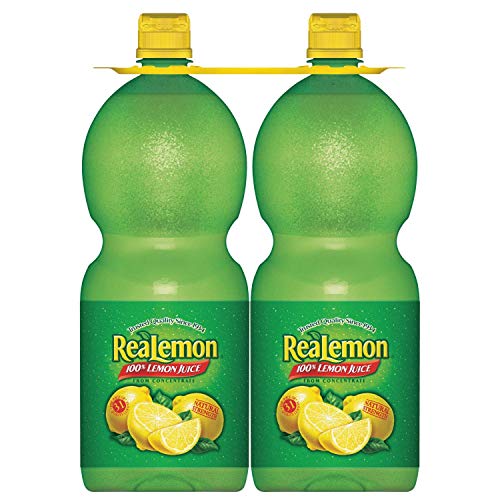
ReaLemon 100% Lemon Juice, 2/48 Ounce Bottles

Odwalla 100% Pure Orange Juice No Pulp, 16 fl oz (12 Pack)

Odwalla Green Juice, No Added Sugar, 16 fl oz (12 Pack)
The Details Behind The Selections
This option sits in a different lane from the rest of the list. Rather than a cooking juice, the Da Bomb Sea Moss drink blends strawberry and lemon with coconut water and added electrolytes, coming in a 12-pack of 11.1 fl oz cans with 3,300 mg of sea moss per can. The formula is non-carbonated, caffeine-free, and carries no added sugar, which makes it feel more like a functional beverage than a mixer or ingredient.
Sea moss is a type of red algae harvested for its mineral content, and coconut water naturally contains potassium and other electrolytes that support hydration. You may find this format appealing if your day involves workouts, long commutes, or a need for flavored hydration beyond plain water. The 12-pack format works well for stocking a fridge, though it’s a far cry from the bottled lemon juices used for cooking.
Positive Points
- Each can delivers 3,300 mg of sea moss alongside 90% real coconut water, pairing two hydration-focused ingredients in one drink.
- No added sugar, no caffeine, and no carbonation keep the ingredient list short and approachable.
- Non-GMO, dairy-free, and gluten-free, which broadens appeal for restricted diets.
- The 12-pack format fits a weekly meal-prep or fridge-stocking routine for active households.
Honest Caveats
- Not a 1:1 swap for fresh-squeezed or bottled cooking lemon juice; the strawberry-lemon blend is a finished beverage, not a recipe ingredient.
- Sea moss flavor and texture will be unfamiliar to anyone trying it for the first time, and taste is subjective.
Who It Suits Best
Active shoppers seeking flavored, functional hydration with electrolytes who want a grab-and-go format.
Consider Something Else When
You need a cooking lemon juice, in which case the Santa Cruz Organic option below is a stronger match.
For a clean-label bottled lemon juice, the Santa Cruz Organic 32 fl oz bottle is hard to argue with. It’s 100% lemon juice and not from concentrate, so the flavor profile leans closer to fresh-squeezed than reconstituted options. The bottle is glass, which keeps the juice from picking up plastic notes and feels sturdier on a refrigerator shelf.
Organic, Non-GMO Project Verified, and gluten-free certifications make this an easy recommendation for cooks who care about ingredient sourcing. The 32 fl oz size hits a sweet spot for most households: enough for a week of marinades, dressings, and the occasional lemon bar batch without going bad first. Compared to the Da Bomb drink above, this is a true cooking ingredient with no added sugar or flavoring.
Real-World Strengths
- Not-from-concentrate formula gives dressings, marinades, and baked goods a brighter, fresher flavor.
- Organic and Non-GMO Project Verified status appeals to clean-label shoppers.
- Glass bottle storage is a practical ownership benefit: it doesn’t absorb odors and pours cleanly without the bottle flexing.
- Gluten-free certification makes it safe for celiac households and guests.
Worth Noting
- The bottle requires refrigeration after opening, so plan fridge space accordingly.
- Glass adds weight if you’re hauling it to a vacation kitchen or shared workspace.
Key Specs
Made For
Home cooks who want a versatile organic lemon juice for marinades, dressings, and baking without the concentrate aftertaste.
Look Elsewhere When
You want a smaller, single-serve hydration option, in which case the TRUE LEMON water enhancer packets offer a lighter alternative.
This duo pack from True Citrus bundles 100 packets each of crystallized lime and lemon flavoring in a dispenser-friendly format. Each packet is built to substitute for a fresh wedge or splash of juice, which makes it a portable option for water bottles, lunchboxes, and travel. The crystals dissolve quickly and skip the sticky bottle-and-spoon routine.
The format is a smart choice for households that rotate between two citrus flavors, since you get both lime and lemon without buying two separate dispensers. Compared to the Santa Cruz bottle above, this is a dry, shelf-stable alternative that doesn’t need refrigeration. The catch is portion control: each packet delivers a defined amount, so it’s harder to dial in a half-strength pour for a delicate recipe.
What Pays Off
- Two flavors in one purchase suit households that use both lime and lemon regularly.
- Shelf-stable packets travel well in lunchboxes, gym bags, and carry-ons, a practical ownership benefit over glass bottles.
- Zero calories, no artificial flavors, and no added sugar keep the ingredient panel clean.
Some Limits To Know
- Portion sizes are fixed per packet, so adjusting for delicate recipes takes some experimentation.
- Crystallized lemon tastes brighter than bottled juice, which can read as slightly artificial to sensitive palates.
Right Fit For
Hydration-focused shoppers who want portable citrus flavor without hauling bottles around.
Skip It When
You cook with lemon juice by the quarter-cup, where the ReaLemon 48 oz bottles below are a better match.
The True Lemon Crystalized Shaker is the countertop version of the brand’s packet line. You get a 10.6 oz shaker that you can sprinkle onto fish, vegetables, popcorn, or anywhere you’d reach for a lemon wedge. The crystals are made from real lemon juice and oils, then dried using a crystallization process that aims to preserve the bright citrus taste.
For cooks who want lemon flavor without a cutting board or a juicer, the shaker format is genuinely convenient. Half a teaspoon equals roughly a tablespoon of lemon juice, so scaling recipes is straightforward. Compared to the bulk packet pack above, the shaker lives on the counter and gets used more like a spice than a beverage additive.
The Good Stuff
- Large 10.6 oz format suits regular home cooking without constant restocking.
- Zero calories, no artificial sweeteners, and no sodium make it easy to add to low-sodium diets.
- Countertop shaker is a practical ownership benefit: it stays in rotation rather than getting buried in a pantry.
Points To Keep In Mind
- Not a wet ingredient substitute, so dressings, ceviche, and beverages that need liquid juice still call for a bottled option.
- Moisture can clump the crystals over time, so keep the shaker lid sealed tight after use.
Quick Facts
Whose Shelf It Belongs On
Home cooks who season with lemon frequently and want a no-fuss dry alternative to fresh wedges.
Reach For A Different Pick When
Your recipes call for actual liquid lemon juice, where the Amazon Saver bottle below handles the job for less.
The Amazon Saver bottle is a no-frills 32 fl oz pour built for high-volume cooking on a tight grocery budget. It’s 100% juice from concentrate with added ingredients, which means the flavor leans more toward the sharp, consistent side than fresh-squeezed territory. For everyday use, where you’re measuring tablespoons into a marinade or soup, that consistency is actually a feature.
You can grab this in pack sizes up to 12 bottles, which is appealing for anyone running a small café, a busy family kitchen, or a meal-prep routine. Compared to the Santa Cruz bottle reviewed earlier, you trade organic certification and glass packaging for a lighter price point and a flexible pack size range. The trade-off shows up in the ingredient list, which is shorter on certifications and longer on “added ingredients.”
Everyday Perks
- Affordable per-ounce cost, with multi-pack options up to 12 bottles for heavy users.
- 100% juice label keeps the ingredient list predictable for daily cooking.
- Plastic bottle is lighter to haul and easier to recycle in most curbside programs.
Trade-Offs
- From-concentrate formula tastes flatter than not-from-concentrate options in delicate applications like lemon curd.
- Lacks the organic and Non-GMO certifications that the Santa Cruz option carries.
Perfect Match For
Budget-focused home cooks and high-volume users who need a reliable pantry staple without premium pricing.
A Better Fit Elsewhere
You prioritize organic sourcing, in which case the Santa Cruz Organic juice is the closer match.
The 500-count TRUE LEMON bulk pack is a supply-room solution for lemon flavoring. Each packet is sized to mimic the taste of one lemon wedge, and two packets stand in for a tablespoon of juice, so the math for recipe substitution is easy. The crystals are made from real lemon juice and oils, then crystallized without artificial flavors, colors, or preservatives.
This format is the heavy-duty version of the variety pack reviewed above, and it works best for offices, fitness studios, schools, or large families. You may find the 500-count box appealing if you go through lemon flavoring quickly and want to skip frequent reorders. Compared to bottled juice, there’s no refrigeration requirement, no glass to break, and no risk of a forgotten bottle turning into science experiment material in the back of the fridge.
Benefits That Matter
- 500 packets cover months of daily use, reducing restocking trips.
- Zero calories, zero sugar, and no artificial colors or preservatives keep the formula clean.
- Crystal form dissolves in water, tea, and recipes without measuring spoons or sticky spills.
Things To Weigh
- Storage space matters: a 500-count box takes up real pantry or office-cabinet real estate.
- Pack-count variance of up to 11 packets is a known packaging tolerance, not a defect.
Feature Snapshot
Who Will Love This
Offices, large families, and frequent travelers who want a long-lasting, portable lemon flavoring supply.
Swap It Out When
You only need a small weekly supply, in which case the 100-count variety pack above is the more measured choice.
ReaLemon has been a pantry name for decades, and the 2-bottle 48 oz pack is the kind of large-format option busy households reach for. The juice is 100% lemon juice from concentrate, marketed as the equivalent of 31 fresh lemons across the two bottles. For cooks who go through lemon juice in marinades, soups, and weekend baking, the volume here eliminates the mid-recipe scramble of running out.
From concentrate means the flavor is consistent bottle to bottle, which is helpful for recipes where balance matters. Compared to the Santa Cruz bottle, you give up the not-from-concentrate brightness and glass packaging in exchange for significantly more juice per purchase. The plastic bottles are also easier to grip with wet or floured hands than glass.
Strengths Worth Knowing
- Two 48 oz bottles cover heavy cooking weeks without restocking.
- Plastic bottles are a practical ownership consideration: lighter to pour and less likely to break in a busy kitchen.
- Natural-strength formulation works in everything from salad dressings to seafood marinades.
Practical Considerations
- From-concentrate taste reads as sharper and less aromatic than fresh juice in delicate desserts.
- Both bottles need to be refrigerated after opening, so clear fridge space before you buy.
Best Suited To
Large families and frequent home cooks who need a generous, dependable supply of bottled lemon juice.
Where A Sibling Pick Shines
You bake with lemon frequently, where the Santa Cruz not-from-concentrate bottle delivers brighter flavor.
This entry is a curveball, since it’s an orange juice rather than a lemon-specific product, but the Odwalla 12-pack earns its spot in a roundup about lemon-flavored and citrus-based drinks. The 16 fl oz bottles are made from hand-picked Valencia oranges, contain no added sugar, and use a process intended to preserve the just-picked flavor. Each bottle is single-serve, which is a natural pairing with breakfasts and lunchboxes.
Compared to the rest of the list, this pick is less about cooking and more about citrus on the go. If your household includes kids who want a punchy breakfast option or you want a caffeine-free morning alternative to coffee, the format works. The honest read is that this is an orange, not a lemon, product, so consider it a citrus-adjacent option for variety rather than a direct replacement.
What Works In Its Favor
- Single 16 fl oz bottles are a practical ownership benefit for commuters, lunchboxes, and gym bags.
- No pulp, no added sugar, and no artificial ingredients keep the label short.
- Not-from-concentrate formula is a step up from reconstituted options in the ready-to-drink category.
Room For Improvement
- Not a lemon product, so it’s a citrus companion rather than a true lemon juice substitute.
- Shelf-stable bottles still require refrigeration after opening and have a shorter window than bottled lemon juice.
Who Should Grab It
Commuters, parents packing lunchboxes, and citrus lovers who want a grab-and-go format without added sugar.
Another Choice May Suit
You specifically need lemon juice for cooking, in which case the ReaLemon 48 oz bottles are a clearer fit.
The second Odwalla entry is a green juice blend built around tender cactus (nopal), orange, pineapple, and other plant-based ingredients, with no added sugar and no artificial flavors. It lands here as a citrus-adjacent, ready-to-drink option for plant-forward shoppers. The 12-pack of 16 fl oz bottles mirrors the format of the orange juice above, which makes them easy to mix and match in a fridge.
The cactus ingredient, also called nopal, is the same plant used in many traditional Mexican dishes and contributes a mild, slightly vegetal base. Compared to the bottled lemon juices earlier in the list, this is a finished beverage rather than a cooking ingredient, so it slots in for breakfasts or post-workout routines rather than recipes. The flavor is balanced enough to drink on its own, and the no-added-sugar formula is a real plus for calorie counters.
The Helpful Details
- Plant-based blend includes cactus, orange, and pineapple, a real-world ownership benefit for variety seekers.
- No added sugar, no artificial flavors, and no artificial preservatives keep the formula clean.
- Single-serve 16 fl oz bottles travel well in lunchboxes, gym bags, and car cup holders.
Where It May Fall Short
- Green juice taste is polarizing, and cactus-forward blends can be an acquired preference.
- It’s a finished beverage, not a recipe ingredient, so it doesn’t replace bottled lemon juice in cooking.
Built With In Mind
Plant-forward shoppers, smoothie fans, and anyone curious about cactus-based blends who wants a no-added-sugar format.
Not Your Match When
You need a lemon juice for baking, marinades, or dressings, in which case the Santa Cruz Organic bottle is the stronger pick.
What Matters Most Before Choosing Lemon Juices
Format Shapes Everything Else
The first decision is format: bottled juice, crystalized packets, a shaker, or a ready-to-drink beverage. Bottled juices are built for recipes that need real liquid: dressings, marinades, baked goods, and seafood. Crystalized packets and shakers work for seasoning and water flavoring without the wet-mess factor. Ready-to-drink options fit breakfast routines and on-the-go hydration, but they rarely substitute for a recipe ingredient. Pick the format that matches how you actually plan to use it.
Ingredient Sourcing and Concentration Method
Not-from-concentrate juices tend to taste brighter, while from-concentrate options are more consistent and usually lighter on the wallet. If you care about organic certification, Non-GMO verification, or gluten-free status, the Santa Cruz bottle checks those boxes. For shoppers focused purely on budget, the Amazon Saver bottle delivers 100% juice without the premium labels. The trade-off is straightforward: cleaner sourcing costs more, and budget picks trade certifications for a lower per-ounce cost.
Volume and Storage
Consider how fast you’ll go through the product. A 32 fl oz bottle covers a typical week for one or two cooks, while 48 oz bottles or multi-packs of 12 make sense for larger families and heavy users. Crystalized packets and shakers have long shelf lives and don’t need refrigeration, which is a real win for offices, dorms, and travel. Glass bottles feel premium but add weight, while plastic is lighter and easier to recycle in most curbside programs.
Key Considerations Across These Picks
Where Shoppers Go Wrong
A common slip-up is buying a ready-to-drink lemon beverage and expecting it to perform like a cooking juice. The Da Bomb Sea Moss drink, the Odwalla orange juice, and the Odwalla green juice are finished beverages with their own ingredient lists, not 1:1 swaps for fresh-squeezed or bottled lemon juice. Another trap is overbuying glass bottles without planning for fridge space: opened lemon juice needs refrigeration and has a limited window. Finally, ignoring packet count in bulk buys can lead to a 500-count box that outpaces your actual usage.
Where The Extra Money Goes
Higher-tier lemon juices earn their cost through not-from-concentrate formulas, organic and Non-GMO certifications, and glass packaging that protects flavor. The Santa Cruz bottle is the clearest example: you’re paying for cleaner sourcing and a glass container, both of which show up in the final taste. Paying more also tends to mean shorter ingredient lists, fewer “added ingredients,” and a brighter, fresher citrus note that holds up in delicate applications like lemon curd or vinaigrettes.
Frequently Asked Questions
What’s the difference between lemon juice and a lemon-flavored drink?
Lemon juice is a cooking ingredient pressed from fresh lemons or reconstituted from concentrate, with no added sugar or flavoring. A lemon-flavored drink is a finished beverage that blends lemon with other ingredients like strawberry, sea moss, or coconut water, and is meant to be consumed as-is. They serve completely different purposes in a kitchen and pantry.
How long does bottled lemon juice last after opening?
Once opened, bottled lemon juice needs to be refrigerated and is best used within a few weeks for optimal flavor. Crystalized packets and shakers have a much longer shelf life and don’t require refrigeration, which is one reason they’re popular for offices and travel. Always check the bottle for the manufacturer’s printed date and storage guidance.
Can crystalized lemon packets replace fresh lemon juice in recipes?
In many cases, yes, though the substitution ratio matters. Most crystalized lemon packets are designed so that one packet mimics a lemon wedge, and two packets equal roughly a tablespoon of juice. The taste leans brighter and slightly different from fresh juice, so delicate desserts may show the difference, but marinades, dressings, and water flavoring adapt well.
Is not-from-concentrate lemon juice worth the higher cost?
Not-from-concentrate juices generally taste closer to fresh-squeezed, with brighter aroma and a cleaner finish. For recipes where lemon flavor is the star, like lemon bars, vinaigrettes, or seafood marinades, the upgrade is noticeable. For high-volume cooking where lemon plays a background role, from-concentrate options deliver similar results at a friendlier price.
Do ready-to-drink lemon beverages count toward daily hydration?
Ready-to-drink lemon beverages with coconut water and electrolytes, like the Da Bomb Sea Moss drink reviewed above, can contribute to hydration as part of a varied fluid intake. They are best treated as one option among many rather than a replacement for plain water. Anyone with specific dietary needs should review the ingredient list carefully.
Wrap Up
The right lemon juice depends on how you use it. Cooks who bake and dress salads will get the most out of the Santa Cruz Organic and ReaLemon bottles, while hydration-focused shoppers may prefer the crystalized packets or the Da Bomb Sea Moss drink. Plant-forward eaters curious about cactus-based blends will find the Odwalla green juice a natural fit. Match the format to your routine, the certifications to your standards, and the volume to your cooking pace.
