

Oolong sits in a comfortable middle ground between grassy green and brisk black tea, and the right loose leaf version can turn a quiet afternoon into a small ritual. Home brewers who care about leaf quality, origin stories, and proper hot or cold steeping will find this category surprisingly deep. Roasted rock teas from the Wuyi Mountains, creamy milk-style oolongs, and convenient pyramid sachets all have a place in a well-stocked tea shelf. The picks below cover a range of profiles, formats, and budgets so you can match the tea to your kettle rather than the other way around.
The Leading Options At A Glance

Chayan Da Hong Pao Loose Leaf Oolong (50g)

ChaYeah The Rock Oolong Organic Sachets (30 ct)

TODICAMP Da Hong Pao Wuyi Rock Oolong (3 oz)

Modern China Tea Shop Roasted + Da Hong Pao Gift Set

Bigelow Oolong Tea Bags (20 ct)

Chayan Oolong Pyramid Tea Bags (7 ct)

Chayan Roasted Oolong Loose Leaf (50g)

TODICAMP Milk Oolong Loose Leaf (1 lb)
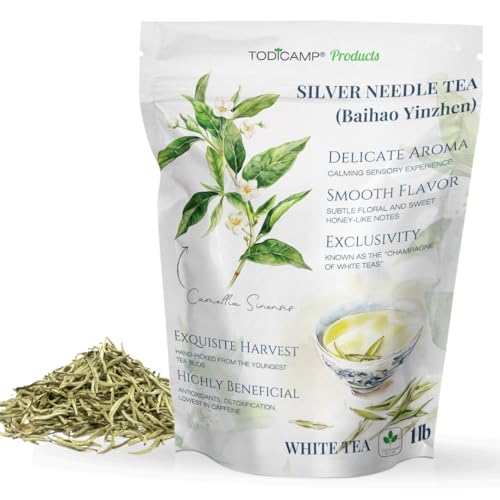
TODICAMP Silver Needle White Tea (1 lb)
The Details Behind The Selections
Roasted Da Hong Pao carries a layered mineral character that shows up clearly when the leaves are given room to unfurl, and this 50-gram tin from Modern China Tea Shop is built for that. Whole leaves let the rocky, slightly caramel cup develop without the bitterness that fine chop-grade teas often bring. For someone building a small gongfu setup on the kitchen counter, the 1.76-ounce tin is a sensible starter size.
The same tin handles both hot and cold brewing with simple parameters, which removes one of the bigger decision points for newer drinkers. You get the traditional roasted profile without having to learn a steep curve first.
Useful Highlights
- Whole loose leaves expand fully, giving a cleaner color and deeper aroma in the cup
- Brews hot in roughly 30 seconds or cold in about 8 minutes, so the same tin covers two routines
- Roasted profile reads as warm and slightly sweet rather than smoky, a friendly entry into rock tea
- Cylindrical metal tin with an inner liner helps lock in aroma between sessions
Points To Note
- 50 grams runs out quickly for households that brew a pot every day
- Roasted character may feel heavy alongside lighter, greener oolongs
Who It Suits Best
Roasted-tea fans and newcomers who want a real Da Hong Pao experience without committing to a large bulk tin.
Swap It Out When
Daily drinkers who want more volume per dollar should reach for the TODICAMP Milk Oolong Loose Leaf (1 lb) instead.
Where the first pick leans into the loose-leaf ritual, this ChaYeah option threads rock-tea flavor into a sachet format that travels well. The sachets hold whole leaves inside a permeable wrap, so the leaves still get the space they need to open up. That middle ground suits office kitchens, hotel kettles, and anyone whose tea routine happens away from home.
The USDA Organic certification is the headline feature for shoppers who care about the sourcing side, and the brand frames this Rock Oolong as an entry-level bridge into the Wuyi tradition without the collector-tier cost. You get the roasted character at a more accessible everyday price than many loose rock teas.
What Works In Its Favor
- USDA Organic certification on a Wuyi-style rock oolong is uncommon at this format
- Sachets brew cleanly without the small bits that escape some loose-leaf infusers
- 30-count box supports roughly a month of daily single cups
- Sits at a more approachable price than most Wuyi loose-leaf options
Worth Noting
- Sachet format caps how many times you can reinfuse the leaves compared to loose tea
- Roast level is moderate, so drinkers chasing a deep charcoal edge may want something bolder
Key Attributes
Best Suited To
Travelers and office brewers who want real rock-tea flavor without loose-leaf gear.
Look Elsewhere When
Anyone who wants the full multi-infusion gongfu ritual will get more out of the Chayan Da Hong Pao Loose Leaf Oolong.
While the Chayan tin introduces the roasted rock style, this TODICAMP version pushes deeper into the charcoal-roasting tradition. The 3-ounce pack gives noticeably more room to experiment with multiple infusions, which is where Da Hong Pao earns its reputation. Each steep tends to shift slightly in flavor, moving from roasted top notes toward warmer caramel as the session continues.
The trade-off is volume on the kitchen shelf and a stronger flavor profile that may not pair with every meal. For drinkers who already know they like bold Chinese teas, the depth here is the main draw.
Why It Works Well
- Charcoal-roasting technique gives the cup a layered, almost caramelized character
- Mineral-driven profile reflects the Mount Wuyi cliffs where the leaves are sourced
- 3-ounce size allows for proper multi-steep gongfu sessions without running dry fast
- Leaves unfurl generously, which improves aroma on the early steeps
Trade Offs
- Roast level can overpower delicate foods and lighter desserts
- Larger format needs airtight storage to keep the roasted aroma from fading over weeks
Right Fit For
Drinkers who want bolder, more traditional Da Hong Pao character for focused tea sessions.
A Better Fit Elsewhere
Those who prefer a smoother, gentler roast should look at the Chayan Roasted Oolong Loose Leaf (50g) for a more laid-back daily cup.
Gift sets tend to bury the tea under packaging, but this sampler skips that pattern by including two distinct 50-gram tins: one classic roasted oolong and one Da Hong Pao. That gives the recipient a side-by-side comparison rather than a single mood, which is genuinely useful for anyone still learning the category. The included ceramic cup rounds out the presentation for the unboxing moment.
The box leans more traditional than modern, so it fits a kitchen shelf rather than a tech-adjacent countertop. If you are buying for a parent, partner, or friend who is curious about Chinese tea but does not want to pick through spec sheets, this format makes the decision for them.
The Value In It
- Two separate tins let drinkers taste two different roasted oolong profiles in one purchase
- Presentation box is designed to be opened as a gift, not repackaged later
- Both teas brew hot or cold using the same simple parameters, which keeps instruction simple
- Whole leaves in both tins mean cleaner flavor than chopped supermarket alternatives
Points To Note
- Ceramic cup is shipped at random, so the style may not match the recipient’s kitchen
- Two 50-gram tins cost more per gram than buying a single larger tin of either tea
Whose Shelf It Belongs On
Tea-curious gift recipients and anyone who wants a guided comparison between two oolong styles.
Not Your Match When
Self-drinkers who already know their preferred roast will do better buying the standalone Chayan Da Hong Pao Loose Leaf Oolong.
Bigelow has been on American tea shelves long enough that the boxes feel familiar, and that familiarity is itself the value here. The oolong variety gives a mellow, even-keeled cup that pairs with most meals without dominating the plate. Each bag is wrapped individually, which matters in a shared office or travel bag where humidity and stray odors can dull a tea’s aroma.
None of this competes with the rock-tea depth of the previous picks, but it was never trying to. The point is a reliable bag you can drop into a mug at a hotel, a break room, or a busy morning, and get something pleasant back.
Where It Excels
- Mellow, balanced cup profile works alongside a wide range of foods and snacks
- Individual foil pouches keep each bag fresh until you are ready to brew
- Widely available and easy to reorder when the box runs out
- Simple bag format needs no kettle prep beyond hot water
Small Caveats
- Bag format flattens the layered complexity of a true loose rock tea
- Mellow profile may taste thin next to the roasted picks higher in this list
Made For
Office drinkers, travelers, and anyone who wants a low-fuss oolong option in a standard kitchen drawer.
Consider Something Else When
Drinkers chasing authentic Chinese oolong character will be happier with the Chayan Oolong Pyramid Tea Bags, which keep whole leaves in a roomier sachet.
The pyramid sachet is a quiet upgrade over a flat tea bag, and this Chayan version leans into that difference. The roomier shape gives the whole leaves more space to expand, which is what makes the hot cup taste closer to loose-leaf tea than a standard bag. The 7-count box also makes sense as a trial before committing to the larger 50-gram tin from the same brand.
Speed is the other draw. A roughly 2-minute hot steep or an 8-minute cold steep both fit into a normal morning routine without the timing fuss of traditional gongfu brewing.
A Few Strong Suits
- Pyramid shape gives whole leaves room to unfurl, closer to a loose-leaf cup than a flat bag
- Hot brew finishes in around 2 minutes, useful for rushed mornings
- Cold-steep option produces a smooth, low-bitter iced tea in under 10 minutes
- Works well as a sampler before buying a larger tin of the same brand
Honest Caveats
- 7-count box is small relative to a typical 20- or 30-count pantry supply
- Pyramid mesh still limits how many reinfusions you can pull from one sachet
Feature Snapshot
Perfect Match For
Travelers, desk brewers, and anyone who wants loose-leaf character in a single-serve sachet.
Reach For A Different Pick When
Drinkers brewing for a household will find the Bigelow Oolong Tea Bags (20 ct) more practical for everyday volume.
This is the gentler sibling of the Chayan Da Hong Pao from the first slot, trading some of the rock-tea intensity for a smoother, more daily-drinkable roast. The 1.76-ounce tin sits on a counter without dominating it, and the same brew parameters cover both hot and cold cups. That simplicity makes it easy to keep on rotation rather than saving it for special sessions.
Compared with the more focused rock-tea picks earlier in the list, this one reads as approachable. You get the warm roasted character without the mineral edge that can surprise first-timers.
What Helps Most
- Smooth roasted profile is easy to drink without food alongside
- Whole leaves hold up to several short resteeps, which stretches the tin
- Same tin handles morning hot cups and afternoon cold brews
- Compact metal packaging keeps a small kitchen shelf organized
Things To Consider
- Less assertive than the TODICAMP Da Hong Pao, which may underwhelm roast-loving drinkers
- 50-gram size still needs replacement fairly quickly for two-cup households
Who Will Love This
Everyday drinkers who want a balanced roasted oolong they can brew either hot or cold.
Skip It When
Collectors after a distinctive Wuyi mineral note will prefer the TODICAMP Da Hong Pao Wuyi Rock Oolong.
Milk oolong is the category’s most conversation-starting profile, and this 1-pound TODICAMP tin leans into the creamy, buttery character that gives the tea its name. The bulk format is the real headline: a full pound covers months of regular brewing, which lowers the cost per cup considerably. For households that run through tea quickly, the math works out clearly.
You do give up some of the single-origin character that smaller tins preserve, and the bulk container needs an airtight secondary container once opened to keep the aroma from fading. For most people, that is a small chore in exchange for the volume.
Where It Helps
- Creamy, naturally aromatic cup that does not need milk or sweetener to taste rich
- 1-pound bulk format brings the per-cup cost down for daily drinkers
- Tightly rolled leaves unfurl nicely in a small teapot or gaiwan
- Works as a gentle evening cup since the roast level is lower than rock teas
Factors To Consider
- Bulk size calls for a secondary airtight container once the tin is opened
- Flavor profile is distinct from the rock-tea picks, so it does not substitute for them
Quick Facts
Built With In Mind
Heavy daily drinkers and small offices that want one tea to keep everyone happy.
Where A Sibling Pick Shines
Drinkers who prefer a roast-forward profile will get more satisfaction from the Chayan Da Hong Pao Loose Leaf Oolong.
Silver needle is technically white tea rather than oolong, but it earns a place on this list as a palate cleanser for drinkers who bounce between heavier rock teas. The buds deliver a delicate, slightly sweet cup that does not compete with the roasted picks, and the 1-pound format mirrors the bulk value of the milk oolong in the previous slot.
The honest read is that this is the option for quiet evenings, not for anyone chasing traditional oolong roast. It rounds out a tea shelf rather than replacing the main oolong rotation.
The Case For It
- Delicate, lightly sweet cup that contrasts nicely with roasted oolongs
- Minimal processing keeps the leaf profile gentle on the stomach
- 1-pound size supports long-term daily brewing without frequent reorders
- Works as an evening cup when a heavy roast feels like too much
A Few Limitations
- It is white tea, not oolong, so it does not satisfy shoppers strictly seeking roasted oolong flavor
- Delicate buds need cooler water than most oolongs to avoid bringing out bitterness
Technical Highlights
Who Should Grab It
Drinkers building a varied tea shelf who want a quiet evening option alongside their oolong rotation.
Another Choice May Suit
Shoppers who want a true oolong will find the Chayan Roasted Oolong Loose Leaf (50g) closer to the brief.
What Matters Most When Choosing Loose Leaf Oolong Teas
Roast Level And Flavor Direction
Roast level is the single biggest fork in the oolong category. Lightly roasted leaves taste greener and more floral, while heavily roasted rock teas (like Da Hong Pao) carry caramel, mineral, and even charcoal notes. The honest read is that lighter roasts suit afternoon sipping and pair with delicate foods, whereas heavier roasts hold up to richer meals and stand up as a meditation-style cup.
Leaf Format And Brewing Style
Whole loose leaves give the most flexibility, including multiple short steeps in a small teapot or gaiwan, a traditional Chinese brewing vessel with a small cup that lets you control short infusions. Pyramid sachets split the difference by giving leaves room to expand without infuser gear, while flat tea bags prioritize speed over complexity. Match the format to how you actually brew, not to the format that sounds most traditional.
Origin And Authenticity
Wuyi Mountain rock teas from Fujian carry a specific mineral character tied to the cliffs where the leaves grow, which is why Da Hong Pao is so often used as a reference point. Milk-style oolongs usually come from different high-mountain regions and offer a creamier, more buttery cup. The right choice depends on whether you want a sharp, rocky profile or a soft, milky one.
Storage, Freshness, And Value
Oolong loses aroma faster than most people expect, so airtight tins and small initial purchases usually beat a giant bulk container that sits half open for months. Bulk formats like the 1-pound options make sense once you know the tea suits you, but the first order should usually be a smaller tin so you can confirm the roast direction before committing to a pantry-filling quantity.
Key Considerations Across These Picks
Wrong Turns To Avoid
The most common mistake is choosing a heavy rock-tea roast as a first oolong without a side-by-side comparison, which can make a nuanced tea taste harsh. Newcomers usually do better starting with the smoother Chayan Roasted Oolong Loose Leaf or the ChaYeah sachets before moving up to bolder Da Hong Pao picks. Another trap is buying bulk before knowing the roast direction you enjoy, since a full pound of the wrong profile is a slow way to learn what you actually like.
Where The Extra Money Goes
Higher-tier oolongs tend to spend more on single-origin sourcing, slower charcoal roasting, and tighter hand-rolling of the leaves, all of which show up as more layered flavor across multiple infusions. The extra cost is worth it for drinkers who already brew gongfu and want to taste the difference between an entry-level rock tea and a more traditional version. For casual daily drinkers, mid-tier roasted oolongs in small tins usually deliver most of the satisfaction at a much friendlier cost per cup.
Frequently Asked Questions
How Much Oolong Should I Use Per Cup?
A general rule is about 1 to 2 teaspoons of whole loose leaves per 8 ounces of water, though gongfu brewing uses more leaves in a smaller vessel for shorter steeps. The exact amount depends on leaf size and personal strength preference.
Can I Reuse Oolong Leaves More Than Once?
Yes, and this is one of the biggest perks of whole-leaf oolong. Quality leaves often give 3 to 5 pleasant infusions, with the flavor shifting slightly each time as deeper notes emerge in later steeps.
What’s The Best Water Temperature For Oolong?
Most oolongs brew well between 195 and 205 degrees Fahrenheit, just off a full boil. Heavily roasted rock teas tolerate boiling water, while lighter oolongs benefit from slightly cooler temps to avoid bitterness.
How Should I Store Loose Leaf Oolong?
Keep leaves in an airtight container away from sunlight, heat, and strong odors like coffee or spices. A tin inside a cupboard is usually enough, and the original metal packaging works well as long as the seal stays tight.
Is Oolong Caffeinated Like Black Tea?
Yes, oolong contains caffeine, typically a bit less than black tea and more than green tea, depending on the leaf and steep time. Shorter steeps pull less caffeine, while longer hot steeps pull more.
Final Take
A good loose leaf oolong rewards a small investment in the right gear and a few minutes of attention, but the entry point does not have to be intimidating. Start with a smaller tin in a roast profile that sounds appealing, brew it both hot and cold to learn what the leaves can do, and then expand into bolder or more traditional rock teas as your palate develops.
