

Matcha comes in more shapes than most shoppers expect. Some products are bagged green tea leaves for a quick morning steep, others are stone-ground powders whisked in a bowl, and a few are sweet latte blends ready to froth into milk. Picking the wrong format leads to bitter sips, wasted money, or a tin you never finish. The list below covers bagged green teas with matcha-adjacent appeal alongside true ceremonial, classic, and latte-grade matchas from Japan, so you can find a match for your daily ritual, your skill level, and your taste.
The Essentials At A Glance

Lipton Decaf Green Tea Bags 240 Total

Republic of Tea SuperGreen Organic Immunity Blend

Bigelow Earl Grey Green Tea 120 Bags

Kiyo Matcha Signature Grade Shuga 40g

Kiyo Matcha Classic Grade Hatsumukashi 40g

Kiyo Matcha Organic Classic Grade Chiba 40g

Encha Ceremonial Grade First Harvest 60g

Encha Latte Grade Matcha Powder 30g
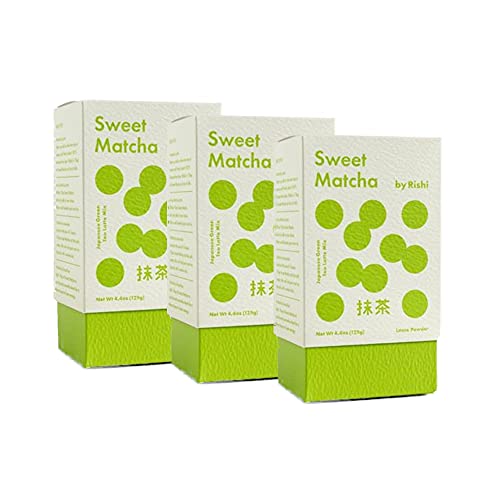
Rishi Tea Sweet Matcha Latte Powder 3-Pack
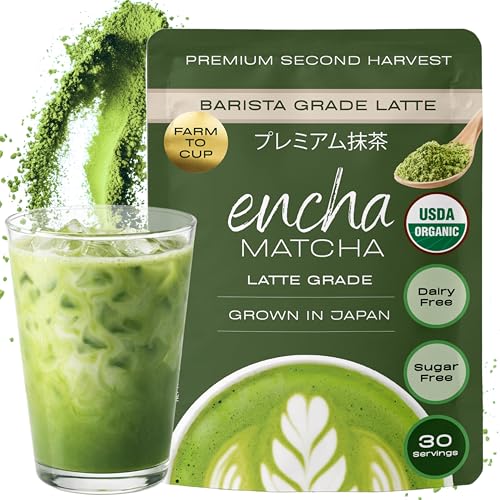
Encha Barista Grade Latte Matcha 30g
The Details Behind The Selections
Bagged green tea is the easiest on-ramp for anyone who wants a green-tea habit without committing to a whisk and bowl. This Lipton option skips caffeine, so late-evening steeps won’t keep you up. Six boxes of 40 bags mean you won’t run out quickly, and the bags brew well hot or over ice.
For drinkers who care more about routine than ceremony, this is the sensible baseline. The flavor is mild, the prep is foolproof, and there’s nothing fancy to learn. Most people keep a box at work and another at home for exactly that reason.
Strengths Worth Knowing
- Caffeine-free profile works for late-day or evening drinking.
- 240-bag supply covers months of daily use without reordering.
- Brews hot or over ice in roughly two minutes with no equipment.
- Smaller carbon footprint per cup than cafe-sourced drinks.
Things To Consider
- This is bagged green tea, not true matcha, so the flavor and antioxidant profile differ.
- Once opened, bag freshness tends to fade faster than sealed tin storage.
Right Fit For
Anyone who wants a mellow, caffeine-free green tea they can brew without thinking, especially late-evening drinkers.
Where Another Pick Suits Better
Republic of Tea SuperGreen Organic Immunity Green Tea makes more sense for drinkers who want matcha and herbs in bag form.
If you like the convenience of tea bags but want a matcha-style hit, this Republic of Tea blend threads Japanese matcha with green tea leaves and curated herbs. The result is a slightly richer cup than a plain bagged green, with a small lift of caffeine from the matcha side rather than a coffee-style jolt.
Compared to the Lipton above, this leans more toward flavor layering than neutrality. It’s a useful middle step for drinkers who want something between everyday bagged tea and the powder-and-bowl ritual. Office-friendly and quick to steep, it suits a wellness-focused routine.
The Practical Payoff
- Matcha is part of the leaf blend, giving a smoother, rounder cup than plain green tea.
- Herbal additions aim at daily wellness without making the cup taste medicinal.
- Steeps in one to three minutes, so mornings stay simple.
- Modest caffeine, so it works for a midday reset without overstimulation.
Points To Note
- The 36-count tin runs out faster than a 100-plus bag box, so monthly drinkers will reorder more often.
- Flavor is more layered than plain green tea, which may not appeal to drinkers who want a clean, grassy cup.
Feature Snapshot
Who Will Love This
Drinkers who want matcha-influenced flavor in tea-bag form, especially anyone building a daily wellness habit.
Skip It When
You want true ceremonial-grade flavor, in which case the Kiyo Matcha Classic Grade Hatsumukashi is a stronger starting point.
Earl Grey fans who want a greener, lighter cup will appreciate this Bigelow blend. Bergamot oil from Calabria, Italy lifts the green tea base into something aromatic without tipping into perfume. The caffeinated green tea keeps it firmly in daytime territory.
Six boxes of 20 individually wrapped bags suit drinkers who toss a bag in a work bag each morning. Compare that to the Lipton pick above, which is more neutral and decaffeinated: this one aims for flavor first, calm second. Each foil-wrapped bag stays fresh in a drawer, which matters for anyone who buys by the case.
Useful Touches
- Individually foil-wrapped bags lock in flavor across long storage.
- Bergamot and green tea is a less common pairing that rewards curious palates.
- 120-bag case suits heavy daily drinkers and shared households.
- Caffeinated profile fits a mid-morning or afternoon routine.
Honest Caveats
- Citrus-forward flavor can clash with delicate or savory food pairings.
- Like most bagged greens, the cup cools quickly and benefits from a warmed mug.
Made For
Drinkers who want the brightness of bergamot in a green-tea format and tend to buy tea by the case.
Consider Something Else When
You want a clean, no-frills green cup, in which case Lipton Decaf Green Tea Bags 240 Total keeps things simpler.
Past beginner blends, Kiyo’s Signature Grade Shuga sits one rung up the ladder. It’s still in the everyday-friendly bracket but leans toward a more refined Uji profile, with the kind of clean finish drinkers notice once they stop drowning matcha in milk. Small-batch sourcing from Japan’s domestic market is part of the appeal.
This is the choice for someone who has tried the Kiyo Classic below and wants a touch more polish without jumping to premium pricing. You can whisk it traditional-style with water, or stretch it into a small latte on weekends. The 40g tin covers several weeks of daily use when measured with a proper scoop.
What Helps Most
- Cleaner, more layered flavor than the Classic Grade for drinkers who want progress, not just a daily cup.
- Small-batch sourcing supports fresher powder at home.
- Works for traditional usucha (thin tea) as well as a quick frothed latte.
- 40g tin strikes a balance between bulk and freshness.
Trade Offs
- Once opened, the tin benefits from refrigeration, which adds a small step to your routine.
- First-time matcha drinkers may find the price jump over Classic harder to justify without context.
Best Suited To
Drinkers who already know they like matcha and want a more refined Uji profile without paying premium prices.
Another Choice May Suit
Encha Ceremonial Grade First Harvest 60g offers a larger ceremonial tin if you want to commit to a traditional preparation path.
Classic Grade is Kiyo’s accessible entry point, aimed squarely at drinkers who want real matcha without the premium price. Hatsumukashi refers to the first harvest, the early-season leaf that anchors most Japanese ceremonial grades. Here it’s tuned for everyday drinking rather than ritual.
For most newcomers, this is the tin to learn on. It’s forgiving in a latte, pleasant as a thin tea, and survives the small mistakes people make when first using a bamboo whisk. Compared to the Lipton and Republic of Tea bagged options above, this is your first step into the actual powder-and-bowl world.
Everyday Advantages
- Real first-harvest Uji matcha at a price that suits regular daily use.
- Forgiving flavor that holds up in lattes, cold brews, and usucha.
- 40g tin is enough for weeks of practice while you refine your whisking technique.
- Sourced from Japan’s domestic market, which keeps supply more consistent than generic imports.
Possible Compromises
- Flavor is more straightforward than Signature Grade, so palate refinement may push you to upgrade later.
- Like most matchas, it loses vibrance quickly once opened without a sealed, cool storage spot.
Feature Card
Perfect Match For
First-time matcha drinkers who want an honest Uji powder without the premium-tier price tag.
Look Elsewhere When
You want organic certification from the start, in which case the Kiyo Organic Classic Grade Chiba is the better on-ramp.
The Organic Classic swaps conventional farming for certified organic leaf while keeping the same beginner-friendly target as the Hatsumukashi Classic. Chiba No Shiro indicates a cultivar known for a balanced profile, with approachable umami, mild bitterness, and a touch of astringency. It’s a useful way to taste the building blocks of matcha without an aggressive profile.
This is the organic-leaning drinker’s introduction. Versatility is the headline: it works in a latte for sweetness-driven drinkers, in cold brew for warm months, and as usucha when you want to taste the leaf on its own. Compared to the regular Classic, the difference is in the farming pedigree rather than the cup structure.
Everyday Perks
- Organic certification matters to shoppers who track what goes into their cup.
- Balanced umami, bitterness, and astringency give beginners a clear sense of matcha’s flavor range.
- Performs well in latte, cold brew, and thin tea without losing character.
- Small-batch sourcing keeps quality more consistent run-to-run.
Worth Noting
- The 40g tin is small for households that drink matcha multiple times a day.
- Organic powders sometimes taste grassier to drinkers used to bolder profiles.
Who Should Grab It
Organic-leaning beginners who want to learn the basic flavor notes of matcha across multiple drinking styles.
Reach For A Different Pick When
You want a richer ceremonial profile from day one, in which case the Kiyo Signature Grade Shuga is the natural step up.
Encha’s Ceremonial Grade is the pick for drinkers who want to taste matcha the traditional way. First-harvest leaf, shade-grown, stone-ground to a fine powder, and sourced from organic Uji farms Encha has worked with for years. The 60g tin is generous and rewards the kind of slow cup you build a small ritual around.
Best prepared with water only, the way Japanese tea ceremony treats it. Once you’ve dialed in your water temperature, sift, and whisking, the cup has a sweetness and umami that mass-market powders rarely reach. This is where to land if the Kiyo Classic and Organic Classic feel like training wheels.
Points In Its Favor
- First-harvest leaf gives a sweeter, more umami-forward cup than later harvests.
- Shade-grown and stone-ground process supports the traditional flavor profile.
- 60g tin is large enough to support a daily traditional practice.
- Organic Uji sourcing adds farming pedigree to the cup.
Practical Considerations
- Premium pricing makes it a poor fit for casual latte experimentation.
- Without a cool, sealed storage spot, the tin loses vibrancy within weeks of opening.
Technical Highlights
Built With In Mind
Drinkers committed to traditional usucha preparation who want a generous ceremonial tin to anchor a daily ritual.
Where A Sibling Pick Shines
Encha Barista Grade Latte 30g is the better match if you mostly drink matcha with milk and want a more milk-friendly blend.
Ceremonial-grade flavor doesn’t always survive a flood of milk. Encha’s Latte Grade solves that with a first-harvest powder blended specifically to stay smooth and never bitter when paired with dairy or oat milk. The 30g tin is small but practical for daily latte drinkers who measure by the half-teaspoon.
For anyone whose morning matcha is a frothy mug rather than a chawan (tea bowl), this is the format that actually delivers. Compare that to the Encha Ceremonial above, which shines with water: this one is built for the milk-first crowd. The result is a vibrant green color and a naturally sweet finish that needs little added sugar.
Where It Helps
- First-harvest leaf keeps the cup vibrant even after mixing with milk.
- Shade-grown and stone-ground using traditional techniques.
- Designed to avoid bitterness when combined with dairy or plant-based milk.
- Unsweetened format lets you control sugar, syrup, or honey levels.
Room For Improvement
- The 30g tin runs out faster than the 60g ceremonial option for daily drinkers.
- With water alone, it lacks the layered depth of the ceremonial tin.
Whose Shelf It Belongs On
Daily latte drinkers who want first-harvest quality in a milk-friendly blend and don’t need full ceremonial preparation.
A Better Fit Elsewhere
Rishi Tea Sweet Matcha Latte Powder 3-Pack is a stronger option if you prefer a pre-sweetened powder that dissolves without measuring.
Not everyone wants to measure matcha and sugar separately. Rishi’s Sweet Matcha blends Japanese matcha with pure cane sugar into a ready-to-dissolve powder, sold in a three-pack that covers months of casual lattes. The 4.4-ounce tins also work for iced matcha and lemonade, which makes them versatile for warm-weather drinkers.
This is the entry point for people who want the flavor and lift of matcha without owning a whisk. The trade-off is sweetness, so traditional drinkers will pass on it. For office kitchens, dorm rooms, and shared households, it removes the friction that stops people from drinking matcha at all.
Positive Points
- Pre-sweetened format removes the need to measure sugar or syrup separately.
- Dissolves easily into hot milk, cold milk, and lemonade.
- Three-pack format is well suited to shared spaces and gifting.
- Certified Kosher and Non-GMO labels cover common dietary considerations.
Where It May Fall Short
- Added sugar limits flexibility for drinkers who want to control sweetness.
- Lacks the layered umami of unsweetened ceremonial and latte-grade powders.
The Right Fit
Casual drinkers and busy households who want a no-fuss sweet matcha they can stir into any drink.
Swap It Out When
Encha Latte Grade Matcha Powder 30g is a stronger pick if you want unsweetened control over your latte and prefer first-harvest quality.
The Barista Grade sits between Encha’s ceremonial and latte offerings, pulling leaf from Japan’s summer and autumn harvests rather than only the first flush. The result is a powder that holds its color and smoothness when steamed into milk, which is exactly what home baristas need for a balanced, vibrant latte.
This is a versatile tin for people who drink matcha across multiple formats. It froths into oat milk, stirs into cold brew, and slips into baked goods when you’re cooking. Compared to the Encha Latte Grade above, it leans more toward culinary use; compared to the ceremonial tin, it sacrifices some first-harvest sweetness for everyday resilience.
What Works In Its Favor
- Precision-blended for milk drinks, so the cup stays smooth and balanced.
- Works with dairy and plant-based milks without turning chalky or bitter.
- Versatile enough for lattes, smoothies, and baking recipes.
- Organic Japanese sourcing supports consistent flavor in the cup.
Less-Strong Areas
- With water only, the cup is less expressive than a first-harvest ceremonial.
- 30g tin is small for households that cook and drink with matcha daily.
Who It Suits Best
Home baristas, bakers, and casual cooks who want one tin that travels between drinks, smoothies, and recipes.
Not Your Match When
Your daily ritual is traditional usucha with water only, in which case the Encha Ceremonial Grade First Harvest 60g is the more rewarding pick.
What To Weigh Before Choosing A Matcha
Three attributes do most of the work in this category. Grade, harvest, and format together shape both flavor and how you actually prepare the cup at home.
Ceremonial-grade matcha is the top tier, brewed with water only in a small bowl. First harvest (shincha) leaf, shade-grown and stone-ground, is the typical signal. Classic-grade matcha uses the same style of leaf but blends later harvests for an everyday drinking profile that forgives milk, sweeteners, and beginner mistakes. Latte-grade powders go further, blending specifically to stay smooth when paired with milk. The flavor gap between ceremonial and classic is real, but the cost gap is real too, and most home drinkers are happy with classic.
Format matters as much as grade. Tea bags (Lipton, Republic of Tea, Bigelow) suit quick routines and shared kitchens. Loose-leaf green tea with matcha-influence is a middle step. Powders split into traditional usucha, where you whisk in a chawan with water, and latte-grade, where you froth into milk. The format you reach for daily should drive the pick more than the label on the tin.
Origin and storage round out the picture. Uji, Japan, is the most established matcha region, and the picks above lean on it for good reason. Once opened, any matcha loses vibrance within weeks, so a tin you can finish in that window (typically 30 to 60 grams for one person) tends to outperform a larger container that sits half-used in the pantry.
Smart Choices Across This Category
Common Buying Slip Ups
The most frequent mistake is reaching for the largest tin because it looks like better value. A 60-gram ceremonial tin that sits open for three months will taste duller than a 30-gram tin you finish in five weeks. Sizing the tin to your actual drinking pace matters more than bulk pricing.
A second slip is buying ceremonial grade for milk-heavy drinks. The flavor notes that make ceremonial shine with water tend to mute under milk, so latte drinkers often end up disappointed and assume they don’t like matcha. Latte-grade and barista-grade powders exist for that exact reason.
Where The Extra Money Goes
The price gap between a 30-gram ceremonial tin and a 30-gram classic tin mostly reflects harvest timing. First-harvest leaf is more limited and labor-intensive, which is why ceremonial costs more. The trade-off is a sweeter, more umami-forward cup that some drinkers find genuinely worth the premium, especially for traditional preparation.
For daily latte drinkers, that same money often buys a more useful upgrade: a barista-grade or latte-grade powder with better milk compatibility, rather than a ceremonial tin that won’t be prepared in the way it was designed for. The honest read is that the “right” premium depends entirely on how you actually drink matcha at home.
Frequently Asked Questions
What is the difference between ceremonial and classic grade matcha?
Ceremonial grade uses first-harvest leaf and is brewed with water only. Classic grade blends later harvests and is designed for everyday drinking, including in lattes. The flavor is more layered in ceremonial, but classic is more forgiving and less costly.
Can you use any matcha for lattes?
Technically yes, but ceremonial and classic grades can taste bitter when flooded with milk. Latte-grade and barista-grade powders are blended to stay smooth in milk-based drinks, which usually makes them a better match for daily latte drinkers.
How long does an opened tin of matcha stay fresh?
Most tins stay vibrant for four to six weeks after opening, assuming a cool, sealed, and dry storage spot. Refrigeration after opening extends that window for ceremonial grades, which are the most sensitive to air, light, and moisture.
Is Japanese matcha always better than other origins?
Uji and a few other Japanese regions have centuries of cultivation behind them and tend to produce the most consistent leaf. Other origins can be good, but the picks above lean on Japan because that’s where the category’s quality bar is set.
Do you need a bamboo whisk to drink matcha?
A traditional bamboo whisk gives the smoothest cup, but a small handheld milk frother works well for lattes and usucha. For plain matcha and water, sifting the powder first and using a frother is a practical shortcut for casual drinkers.
The Takeaway
The right matcha depends on how you actually drink it. Bagged green teas cover late-evening routines and shared kitchens, classic-grade powders handle daily bowls and beginner lattes, and ceremonial-grade tins reward drinkers willing to slow down. Match the format to your routine first, and the grade will follow naturally.
