

Walking the grocery aisle for a tin of matcha can feel like a guessing game. Some tins arrive in a flash of grassy sweetness, others lean bitter or dull, and half the labels bury the origin entirely. This roundup pulls together nine matcha options tied to specific Japanese regions and processing styles, so you can pick based on how you actually drink it: whisked thin, frothed into a latte, or stirred into a smoothie. Beginners, daily drinkers, and curious home cooks will each find a sensible starting point here.
A Closer Look At The Lineup

SOKYO Ceremonial Matcha Series Powdered Green Tea (Shizuoka)

Kiyo Matcha Signature Grade Shuga Ceremonial Uji Matcha

Akira Matcha Organic Premium Ceremonial Sticks (25 ct)

Kirkland Ito En Matcha Blend Tea Bags (100 ct)

Kiyo Matcha Classic Grade Hatsumukashi Uji Matcha

Kiyo Matcha Organic Classic Grade Chiba No Shiro
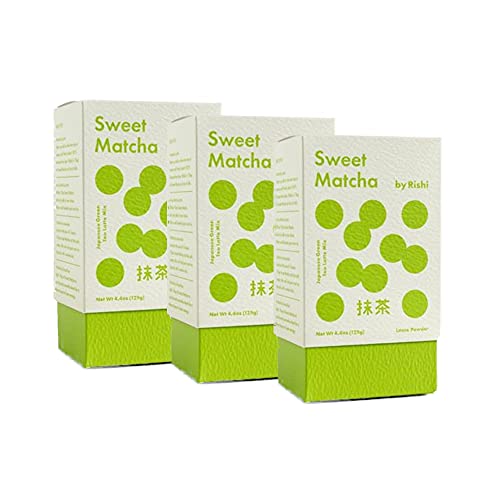
Rishi Tea Sweet Matcha Powder (3-Pack)

Matcha DNA Organic Matcha Powder 16oz Tin

Matcha DNA Certified Organic Matcha Powder 16oz Bag
A Breakdown Of The Leading Choices
SOKYO’s ceremonial tin sources from Shizuoka Prefecture, a region prized for shaded tea fields that boost the leaf’s natural chlorophyll. The powder reads a vivid jade when whisked and carries the slightly grassy, marine edge common to shaded Japanese leaves. Compared with the Kiyo Signature reviewed next, this one leans more vegetal and a touch more austere on the finish.
The 30g tin is sized for someone whisking daily rather than rebuilding their pantry at once. Stone grinding keeps the particle size fine, which is what gives the cup that smooth, almost creamy mouthfeel once the powder is fully sifted. Home drinkers learning proper whisking will appreciate how forgiving the grind is in a chasen.
Everyday Perks
- Shaded cultivation, a process that pulls more umami and amino acids from the leaf, gives a noticeably rounder, sweeter finish than sun-grown matcha.
- Stone-milled texture sifts smoothly, so even first-time whiskers end up with a frothier bowl.
- Smaller 30g format keeps the powder fresh through a season of daily use rather than going stale in the back of a cabinet.
Things To Consider
- The vegetal character reads a bit forward for shoppers who only know sweetened latte mixes.
- Smaller tin size means the per-serving cost adds up quickly for households running more than one cup a day.
Key Specs
Who It Suits Best
Drinkers who whisk matcha in the traditional thin style and want a clearly regional Japanese profile.
Where Another Pick Suits Better
The Kirkland Ito En Matcha Blend tea bags suit households that want zero prep time on busy mornings.
Uji is the Kyoto-adjacent region most Japanese tea drinkers will name first, and Kiyo’s Signature “Shuga” grade leans into that house style: a softer sweetness and a more rounded cup. The brand’s small-batch sourcing shows up in the way the powder dissolves in a thin layer of water before you whisk, without leaving dry clumps clinging to the bowl. Stepping up from the SOKYO tin, the sweetness here feels a touch more pronounced and the finish slightly cleaner.
At 40g, the tin stretches further than the SOKYO without losing the seasonal freshness, assuming you open it within a few months. The grind supports both usucha (thin tea) and a softer latte, so a household that splits time between morning whisked bowls and afternoon milk drinks won’t feel boxed in.
The Case For It
- Uji-sourced leaves are a recognized quality marker for traditional whisked tea.
- 40g tin provides a comfortable buffer for daily drinkers who still want to finish the powder while it is fresh.
- Sweetness-forward profile makes it easier to drink plain, without adding sugar or milk.
Worth Noting
- Smaller-batch supply can mean sporadic availability in the listing.
- Drinking it undiluted in a latte may wash out some of the nuance compared to a straight usucha bowl.
Feature Snapshot
Made For
Drinkers moving beyond their first tin who want a sweeter, more refined ceremonial profile.
Consider Something Else When
The Akira Matcha sticks suit someone whose mornings start at the office rather than at a kitchen counter.
Akira’s stick format solves the most common friction point with loose-leaf matcha: dosing. Each 1.5g stick is sealed until the moment you tear it open, which matters because the powder inside the canister begins to dull within weeks once the seal breaks. Compared with the SOKYO and Kiyo tins reviewed above, the trade-off is clearly convenience over cost per gram.
The sticks travel well in a laptop bag, a carry-on, or a desk drawer, and they sidestep the need for a kitchen scale or a scoop. For someone who has tried larger tins and watched them lose color, the single-serve format is genuinely useful.
A Favorable Mix
- Pre-measured sticks remove guesswork, and each pour hits a consistent 1.5g.
- Individual packaging slows oxidation, so opened sticks keep their color and aroma longer than jarred powder.
- Pack of 25 fits neatly into a multi-week cycle for daily drinkers.
Trade Offs
- Per-gram cost runs higher than loose powder from the same brand’s larger formats.
- Sticks create more packaging waste than a single resealable tin.
Best Suited To
Commuters, frequent travelers, and anyone who wants zero-prep matcha at the office.
Skip It When
The Matcha DNA 16oz Bag is a smarter pick for someone drinking multiple cups a day and watching the per-serving cost.
This Kirkland offering is technically a sencha-matcha blend in tea-bag form, not a pure ceremonial powder, and that distinction matters to set expectations. The flavor profile is lighter and more everyday-friendly than the SOKYO or Kiyo tins, and the bag format removes the whisk-and-sift routine entirely. For households where several people want green tea without ceremony, the blend approach lands well.
The 100-count box is sized for families and offices that run through several cups a day. The teabags are individually wrapped, which keeps each serving fresher than a loose bag left open in a tin, although the flavor still trends gentler than a whisked bowl.
What Earns Its Place
- Tea-bag format removes the need for a chasen, sifter, or any specialty gear.
- Large count box scales to a family’s daily use without constant reordering.
- Sencha-matcha blend tastes more like a familiar green tea than a punchy ceremonial bowl.
Less Ideal Details
- This is a blend rather than pure ceremonial powder, so anyone chasing the umami depth of a whisked matcha will be underwhelmed.
- Box is bulky, and a 100-count pack may sit open for a long time if the household only drinks one cup a day.
Feature Rundown
Who Will Love This
Families and shared workspaces that want approachable green tea with no learning curve.
Look Elsewhere When
The SOKYO Shizuoka ceremonial tin suits drinkers who want a proper whisked bowl rather than a bag.
The Hatsumukashi name refers to a first-flush picking window, when the leaves are young and the cup tends to taste softer and slightly sweeter. Kiyo’s Classic grade sits below the Signature “Shuga” reviewed above, but it still pulls from Uji’s traditional tea fields. For drinkers trying matcha for the first time, the gentler profile is genuinely easier to learn from than a punchier ceremonial tier.
The 40g tin mirrors the Signature format, which makes switching between the two straightforward once palates develop. Beginners who want a forgiving bowl rather than a wall of vegetal intensity will find this grade a sensible place to start.
Points In Its Favor
- First-flush picking gives a softer, less bitter cup than later harvests.
- Uji origin keeps the regional pedigree clear even at the Classic tier.
- 40g size lets newcomers experiment for a month without committing to a larger tin.
Practical Considerations
- Classic grade is intentionally mild, so drinkers who already prefer stronger umami may need to step up to the Kiyo Signature instead.
Key Attributes
Perfect Match For
First-time matcha drinkers who want a smooth, accessible introduction without a steep learning curve.
Swap It Out When
The Kiyo Signature “Shuga” suits drinkers whose palates have already adjusted and want more depth.
Chiba No Shiro is a Chiba-grown leaf marketed as a versatile, all-purpose matcha. The Organic Classic grade is built to span the three main taste pillars of matcha: umami, bitterness, and astringency, so nothing dominates the cup. Compared with the Uji-sourced Kiyo Classic reviewed above, this one feels a touch more neutral in the bowl, which actually plays nicely in milk drinks.
The 40g tin matches the rest of the Kiyo line, so swapping between grades is friction-free. Drinkers splitting their routine between straight tea, lattes, and cold brews get one tin that handles all three reasonably well.
Everyday Advantages
- Balanced flavor profile holds up in lattes, cold brews, and straight usucha alike.
- Organic sourcing aligns with the more sustainability-minded shopper.
- Versatile enough to skip the second tin when only one matcha is in the cabinet.
A Few Limitations
- Balanced also means restrained, so it lacks the punch of a single-note ceremonial grade.
- Chiba is less well-known as a tea region, which can give shoppers pause on origin story.
Feature Snapshot
Who Should Grab It
Drinkers who want one tin that flexes between straight tea, lattes, and cold brew.
Another Choice May Suit
The Matcha DNA 16oz tin works better for someone baking and blending daily who needs bulk.
Rishi’s Sweet Matcha is a blended product rather than a pure ceremonial powder: Japanese matcha is mixed with cane sugar to skip the sweetener step. The 3-pack format gives a household three tins to deploy at different stations: the kitchen, the guest bar, or the home coffee cart. For a host serving lattes, the pre-sweetened blend removes one decision from the routine.
The flavor is intentionally rounded for barista-style drinks, both hot and cold, plus an iced lemonade option. Anyone used to plain matcha should expect a noticeably sweeter cup out of the tin.
The Upside
- Pre-sweetened with cane sugar, which removes a separate ingredient from the bar.
- Dissolves readily in milk, water, or cold brew, which simplifies iced preparation.
- Three-tin pack fits naturally into a multi-station entertaining setup.
Honest Caveats
- Sugar is mixed in, so the powder is not a one-to-one swap for pure ceremonial tins in traditional preparation.
- Sweetened blend can mask the terroir characteristics prized in a whisked Uji bowl.
Right Fit For
Home baristas and hosts who want an easy, consistent latte without measuring sweetener separately.
Reach For A Different Pick When
The Kiyo Signature Shuga is the better choice for anyone who wants plain, unsweetened matcha they can sweeten to taste.
Matcha DNA’s 16oz tin is built for households that cycle through matcha faster than a 30g or 40g tin can keep up with. The metal tin gives a sturdy, light-resistant container, which matters because light and air are the two biggest enemies of green color. The blend is unsweetened and built for the smoothie, baking, and latte routines rather than a strict ceremonial bowl.
For a daily smoothie routine or a baking habit, the larger tin keeps the per-serving cost down, and the resealable metal lid helps once you’ve cracked it open. Drinkers who finish the tin within a few weeks will see the practical benefit.
Bright Spots
- Large 16oz tin reduces per-gram cost, which matters for daily smoothie drinkers.
- Metal, light-resistant container helps preserve color and aroma after the first scoop.
- No added sugar or sweeteners, so it works across tea, lattes, and recipes without adjusting for sugar load.
Small Caveats
- Larger tin is overkill for anyone drinking only a cup a week, where freshness beats bulk.
- Culinary profile doesn’t aim for the layered umami of a traditional ceremonial bowl.
Feature Overview
Built With In Mind
Daily smoothie drinkers and home bakers who want a large, unsweetened organic tin on hand.
Where A Sibling Pick Shines
The Kiyo Signature Shuga works better for someone drinking matcha straight, where a ceremonial profile matters more than bulk.
The 16oz bag version of Matcha DNA mirrors the tin above in weight and base product, but swaps the metal container for a flexible bag. For a household already decanting into a kitchen canister, the bag format is easier to slip into a pantry shelf. The organic profile and unsweetened blend carry over, so recipes translate cleanly between the two formats.
This is the format to reach for when a dedicated kitchen canister handles airtight storage and the metal tin’s light-blocking benefit isn’t strictly needed. Drinkers running a morning latte routine will find the bag uncomplaining.
Good Reasons To Consider
- Same 16oz bulk size as the tin, so per-gram cost stays low for daily users.
- Organic, unsweetened profile keeps it flexible for tea, lattes, and recipes.
- Bag format is easier to tuck into a crowded pantry shelf than a tall tin.
Factors To Consider
- Bag offers less light protection than the metal tin, so transfer to an airtight container matters once opened.
- Profile is built for everyday use rather than layered ceremonial depth.
Whose Shelf It Belongs On
Households with a dedicated airtight canister who want the lowest per-gram cost on a daily latte.
A Better Fit Elsewhere
The SOKYO Shizuoka tin is the right swap for someone prioritizing a light-blocking, ceremonial-grade tin.
What To Weigh Before Choosing A Japanese Matcha
Ceremonial grade gets used loosely, so the simplest framing is this: the highest tiers read brighter green, taste smoother, and are pulled from younger, shaded leaves. Culinary and everyday grades lean earthier and more astringent (that dry, mouth-puckering quality), and they shine in lattes and recipes where milk and sugar would otherwise flatten the cup. Origin matters less than freshness once a tin is open, so prioritize how quickly you can finish a container over chasing a famous region.
For beginners, single-origin tins in the 30g to 40g range teach your palate without locking you into a heavy commitment. If you whisk daily and finish a tin within two months, the smaller ceremonial formats will outperform a bulk bag that goes dull sitting in the pantry. Travelers and office drinkers should consider pre-portioned sticks, which keep each cup’s aroma sealed until you tear the packet.
Bulk tins and bags reward heavy daily users who cycle through smoothies, baking, and lattes. Watch for resealable metal containers, which block light better than paper or plastic. Sweetened blends handle entertaining duties, but they can mask the nuanced, layered character of a proper ceremonial bowl.
Key Considerations Across These Picks
Where Shoppers Go Wrong
Two common slip-ups show up again and again. First, shoppers chase the cheapest bulk bag, only to discover that the powder goes flat and yellowish long before the 16oz is gone. Second, buyers skip the sifter and whisk entirely, then blame the powder for clumping, when a small mesh sifter would have changed the bowl. A short ritual goes a long way with this category.
Where The Extra Money Goes
The jump from a culinary tin to a ceremonial one pays for younger first-flush leaves, longer shade periods, and stone-ground processing. You taste the difference most clearly in a straight whisked bowl, where the ceremonial powder gives a brighter color and a more rounded finish. For latte drinkers who always add milk and sugar, the upgrade is subtler, and a mid-range ceremonial tin often makes more sense than a top-tier one.
