

There’s a reason matcha has earned a permanent spot in so many morning routines. A properly whisked bowl delivers slow, focused energy without the jittery crash of drip coffee, and the ritual of measuring, sifting, and frothing turns a quick drink into a small moment of calm. Picking a powder that actually lives up to that promise is harder than it looks, since quality spans everything from vivid green ceremonial tins to bulk pouches built for daily lattes.
The lineup below covers the full spread. You’ll find single-origin ceremonial grades sourced from Mie and Uji, convenient stick packs for travel, sweetened blends for an effortless latte, and food-grade options aimed at bakers and smoothie makers. Each pick is matched to a clear use case, so you can move past the marketing copy and find the tin that fits how you actually drink it.
A Quick View Of The Lineup

SOKYO Ceremonial Matcha Series (Shizuoka Ceremonial S, 1.05oz / 30g)

Akira Matcha (25 x 1.5g Sticks) Organic Premium Ceremonial

Kiyo Matcha Signature Grade Shuga Ceremonial Uji Matcha, 40g

Republic of Tea Organic Double Green Matcha Super Refill, 100 Cups

Republic of Tea SuperGreen Organic Detox Green Tea, 36 Count

DoMatcha Summer Harvest Matcha Powder, 75 Servings (2.82 oz)

Jade Leaf Matcha Organic Culinary Grade, 100g / 3.53oz
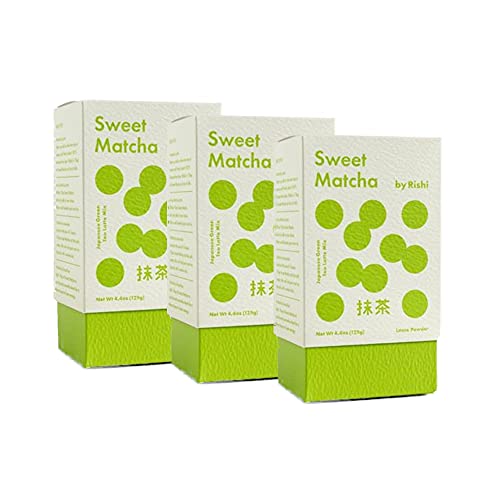
Rishi Tea Sweet Matcha Japanese Green Tea Powder, 3-Pack Lattes

Kiyo Matcha Classic Grade Hatsumukashi Ceremonial Uji Matcha, 40g

Kiyo Matcha Organic Classic Grade Chiba No Shiro Matcha, 40g
What Each Pick Brings To The Table
SOKYO’s Shizuoka Ceremonial S sits in that rare middle ground between accessible and reverent, and for most home drinkers, that balance lands well. The leaves are shade-grown in Mie Prefecture, one of Japan’s quieter but respected tea regions, then steamed and dried in a brick furnace that lends a faintly floral aroma to the finished powder.
That cultivation method matters because shading pushes the plant to produce more L-theanine (the amino acid behind matcha’s calm-focus reputation) and chlorophyll, which is what gives the whisked bowl that vivid jade color. Compared to the single-serving stick packs from Akira you’ll see next, this is a tin built for someone who actually wants to learn the ritual rather than just grab and go.
Everyday Perks
- Single-region sourcing from Mie gives the cup a traceable identity rather than a blended mystery.
- Shading and brick-furnace drying translate into a sweeter, less bitter bowl with minimal fussing over temperature.
- The stone-ground texture helps it sift cleanly through a fine mesh, so clumps don’t ruin the foam.
- The 30g tin hits a sensible size for solo drinkers who want freshness without waste.
Things To Consider
- Once opened, the tin needs to be used steadily because color and aroma fade within a few weeks of regular exposure to air.
- At ceremonial tier, the cost per cup is noticeably higher than food-grade options like the Jade Leaf pouch coming up later.
Quick Facts
Who It Suits Best
Drinkers who care about the ritual of a properly whisked bowl and want a ceremonial-grade powder with a real sense of place.
Skip It When
The Akira Matcha stick pack suits commuters and travelers far better, since its pre-measured format skips the sifting step entirely.
Matcha Konomi’s Akira sticks solve a real problem: most people don’t own a bamboo whisk, a chasen, or the patience to sift powder at 7 a.m. Each stick holds 1.5 grams of organic ceremonial-grade tea, which is roughly the right amount for one traditional bowl, so you can tear, pour, shake, and drink without any measuring.
The leaves come from a first harvest, shade-grown for at least three weeks before grinding, and the brand seals the powder shortly after milling in Japan to lock in color. Compared to the loose SOKYO tin above, this is the format for people whose morning happens in a hotel room or shared office kitchen.
Strengths Worth Knowing
- Individual stick packaging keeps each serving sealed from light and air, which protects the chlorophyll and aroma far better than a frequently opened tin.
- Pre-measured 1.5g portions remove the most common beginner mistake: adding too much powder and ending up with a bitter, grainy cup.
- The organic certification and shade-grown sourcing put it in step with the SOKYO tin on quality, even though the format is more casual.
- Sticks travel well in a laptop bag or carry-on, no spillage, no scooping required.
Worth Noting
- At roughly 25 servings per box, the per-cup cost sits above what a bulk tin like the Jade Leaf culinary pouch costs.
- Stick format means you can’t easily adjust the strength of a single bowl up or down without breaking a stick open.
Right Fit For
Office workers, frequent flyers, and anyone who wants a ceremonial-grade cup without owning any of the traditional tools.
Look Elsewhere When
You want to bake or cook with matcha at volume, in which case the 100g Jade Leaf culinary pouch will save you significant cost per gram.
Kiyo’s Signature Grade sits a clear step above its Classic and Heritage offerings, and the difference shows up in the cup. The leaf comes from Uji, the Kyoto region long considered the benchmark for Japanese green tea, where the soil, mist, and morning light create a flavor profile that’s harder to replicate elsewhere.
The “Shuga” name hints at a slightly sweeter profile that comes through cleanly when whisked with water around 175°F. Where the SOKYO tin leans floral and grassy, this one leans rounded and almost creamy, a useful comparison for drinkers who already know what they like and want to branch out.
A Few Strong Suits
- Uji origin is the most recognized name in Japanese matcha, which gives you confidence the leaf was handled with care from field to tin.
- The 40g tin is larger than the SOKYO 30g, so daily drinkers get a few extra weeks of use per container.
- Small-batch production supports fresher stock on the shelf, since the brand sells into Japan’s domestic market as well.
- Whisks into a smooth, less astringent bowl than entry-level ceremonial grades, making it forgiving of slightly off water temperature.
Trade Offs
- Quality at this tier means a higher per-gram cost than the Hatsumukashi Classic from the same brand, which appears later in the list.
- Like most premium tins, the flavor window is best within a few weeks of opening, so casual drinkers may not finish it at peak.
Key Specs
Made For
Drinkers past the beginner stage who want a Uji-origin bowl with a sweeter, rounder profile than entry-level ceremonial powders offer.
Consider Something Else When
The Hatsumukashi Classic from Kiyo suits newcomers better, since its milder, more accessible profile is easier to enjoy without adjusting technique.
Republic of Tea takes a different route with their Double Green format. Rather than asking you to whisk powder, they marry organic Japanese matcha into the tea bag itself, paired with whole green tea leaves, so the bag infuses in a regular mug. For most people who don’t own a chasen, that’s the entire appeal.
The 100-cup refill ships in a larger format that cuts down on packaging waste and the cost per cup, making it a sensible option for shared kitchens or office pantries. The flavor lands on the lighter, more grassy end of the spectrum, closer to a high-quality sencha than a thick ceremonial bowl.
Strong Points
- The tea bag format removes every barrier: no sifting, no bamboo whisk, no clumping, just steep and remove.
- Bulk 100-cup refill packaging reduces per-serving cost compared to single-box options and limits excess wrapping.
- Organic Japanese matcha plus whole green tea leaves delivers both the visual appeal of matcha in the dry bag and a rounded cup when steeped.
- Steep at water just below boiling for 1 to 3 minutes, and the cup stays clean and crisp with no bitterness.
Points To Note
- This won’t produce the foamy, vivid bowl that a whisked ceremonial tin like the SOKYO delivers, since the format is fundamentally different.
- Each bag contains leaf and powder together, so you can’t dial up or down the matcha intensity the way you can with a scoop from a tin.
Best Suited To
Busy professionals, shared kitchens, and anyone who wants matcha’s flavor and lift without investing in the traditional tools.
Swap It Out When
You want a thick, foamy ceremonial bowl, in which case a whisked tin like the SOKYO Shizuoka or the Kiyo Signature will give you the texture this format can’t.
The SuperGreen Detox blend shifts the focus away from pure matcha and toward a layered herbal infusion. Republic of Tea combines organic green tea leaves with matcha, organic spearmint, organic chlorella, and natural apple flavor, producing a sweet, minty cup with a green apple finish that drinks nothing like a traditional bowl.
This is matcha’s role in a different context: less ceremonial, more functional. The 36-count tin is sized for steady daily drinkers who want the lift of green tea and a touch of mint, and it’s worth noting chlorella is the algae that gives the cup a faintly earthy depth on the back end.
Useful Strengths
- The mint and green apple flavor profile makes the cup easy to drink cold in summer, where straight matcha can taste vegetal.
- Organic across the ingredient list, including the spearmint and chlorella, which is rare in the pre-blended tea category.
- Pre-portioned tea bags give you a consistent cup every time, with no measuring required.
- Steeps well in 1 to 3 minutes for bags, fitting into a regular office break schedule.
Room For Improvement
- The natural apple flavor and added chlorella mean this drinks more like a flavored herbal tea than a true matcha experience.
- If you’re after the meditative bowl-and-whisk ritual, the bag format skips everything that makes that experience feel special.
Whose Shelf It Belongs On
Herbal infusion drinkers who want matcha in a more accessible, lightly sweetened format and don’t need a whisk or a bowl.
Not Your Match When
You want a pure, unsweetened ceremonial bowl, in which case the SOKYO Shizuoka or the Kiyo Signature will deliver the umami-forward profile this blend deliberately softens.
DoMatcha’s Summer Harvest sits at the more robust end of the matcha spectrum. The summer harvest means the leaves are picked later in the season, which usually translates into a stronger, more astringent cup than spring-picked ceremonial grades. For most people, that bolder profile is exactly what they want when the powder is going into oat milk and smoothies.
The 2.82 oz tin gives you roughly 75 servings, which works out to a low cost per cup for daily drinkers. It’s also the first tin in this list that handles being heated, frothed, and blended without losing its punch, so recipes that would flatten a more delicate ceremonial grade still taste green and grassy in the finished drink.
Notable Gains
- The more astringent, fuller profile holds up well against milk, sweeteners, and strong flavors in a latte or smoothie.
- 75 servings per tin keeps the cost-per-cup well below ceremonial single-origin options like the SOKYO Shizuoka.
- Kosher certification broadens the appeal for shoppers who look for that on the label.
- The resealable tin helps preserve the color and aroma longer than a pouch with a zip closure.
Soft Spots
- The same astringency that makes it great in lattes can read as harsh if you whisk it straight with water, the way you’d drink a ceremonial grade.
- Tin size is compact, but 2.82 oz can run out fast if you’re using it for both bowls and recipes.
Feature Snapshot
Who Will Love This
Latte and smoothie drinkers who want a matcha that stands up to milk and bold mix-ins without disappearing into the background.
Another Choice May Suit
The Kiyo Hatsumukashi Classic suits people new to traditional usucha, where a milder profile makes the bowl easier to enjoy plain.
Jade Leaf’s culinary grade is the right tool when the bowl isn’t the point. The 100g resealable pouch gives you roughly 225 lattes or 454 traditional usucha servings, so the cost per use drops dramatically compared to a 30g ceremonial tin like the SOKYO above. Most home bakers reach for this size when they’re incorporating matcha into pancake batter, cookies, energy balls, or savory sauces.
Culinary grade is harvested and processed with cooking in mind, so the cup has more bitterness and a stronger vegetal edge. That’s actually a plus in a matcha sugar cookie, where you want the tea flavor to survive sugar and butter, but it can read as harsh in a straight water whisk.
Practical Advantages
- The 100g pouch produces dozens of lattes or hundreds of bowls, so the per-use cost sits well below every ceremonial option on this list.
- The resealable pouch design keeps the powder protected between cooking sessions, which matters when you’re not finishing it in a week.
- Strong, slightly bitter profile stands up to sugar, butter, and other bold ingredients in baking recipes.
- Organic certification covers the full leaf-to-pouch chain, useful for shoppers who filter on that label.
Honest Caveats
- Drinking this straight in a traditional bowl will likely taste harsher than the SOKYO Shizuoka or the Kiyo Signature, since culinary grade isn’t optimized for that use.
- The larger pouch is harder to finish within peak freshness if matcha is a once-a-week ingredient for you.
Who Should Grab It
Home bakers, smoothie regulars, and anyone using matcha in recipes where a stronger leaf flavor and a lower cost per gram matter more than sipping-grade refinement.
Where Another Pick Suits Better
The DoMatcha Summer Harvest suits daily latte drinkers better, since its tin format and bolder but smoother profile work as a standalone drink.
Rishi’s Sweet Matcha isn’t really a pure matcha, it’s a pre-blended latte mix where pure Japanese matcha is combined with cane sugar for sweetness right out of the bag. The 3-pack of 4.4 oz tins is sized for a household that runs through a couple of lattes a week and wants the sugar already dialed in.
The blend dissolves readily into hot milk, cold milk, or water for a quick iced matcha lemonade, so it sidesteps the clumping problem that sometimes comes with pure powder stirred into cold liquid. If you’ve ever tried to mix ceremonial-grade matcha into an iced drink and ended up with green flecks, you’ll understand why this format exists.
What Stands Out
- The included cane sugar means you can skip the sweetener step entirely, which removes one tool from the morning routine.
- Dissolves smoothly in cold milk for iced drinks, where pure matcha often clumps without vigorous shaking.
- Three tins in the pack lower the per-tin cost and keep an unopened spare in the pantry for a few months.
- Certified Kosher and non-GMO, with no artificial flavoring, which is a clean label for a sweetened product.
Potential Drawbacks
- The added sugar means you can’t taste the leaf’s natural umami and bitterness, which is the whole point of a ceremonial bowl like the SOKYO Shizuoka.
- For shoppers tracking sugar intake, the sweetness is built in and can’t be dialed down the way it can with pure powder and a separate sweetener.
Perfect Match For
Quick latte and iced drink fans who want a one-step pour-and-stir routine without measuring powder or sweetener separately.
Reach For A Different Pick When
You want to control the sweetness yourself, in which case the Jade Leaf culinary pouch or the DoMatcha Summer Harvest give you pure powder to build from.
The Hatsumukashi Classic is Kiyo’s entry point, and the brand has clearly aimed it at first-time ceremonial drinkers. “Hatsumukashi” refers to the first harvest tradition, and the cup is intentionally balanced so the umami comes through without the bitterness scaring off someone who’s never tried a real bowl before.
Coming from Uji, the same region as the Signature Grade reviewed earlier, this tin shares that origin pedigree at a more accessible tier. For most people, it’s a sensible training wheel: a real ceremonial-grade matcha that forgives small mistakes in water temperature or whisking technique.
The Practical Payoff
- The balanced flavor profile is forgiving of common beginner mistakes, like water that’s a touch too hot or a quick stir instead of a proper whisk.
- Uji origin means you’re drinking a known regional style, not a blended mystery powder.
- The 40g tin lasts most beginners several weeks, which is enough time to develop a real preference before moving up.
- Sits at a more accessible tier than the Kiyo Signature, so the upgrade path within the same brand is clear.
Where It May Fall Short
- Drinkers past the beginner stage may find the milder profile less interesting than the rounder, sweeter Kiyo Signature.
- Like all ceremonial tins, the window of peak flavor is short after opening, so casual sippers may not finish the 40g in time.
Built With In Mind
First-time ceremonial matcha drinkers who want a forgiving, Uji-origin bowl while they learn the sifting and whisking steps.
Where A Sibling Pick Shines
The Kiyo Signature Grade Shuga suits drinkers who have moved past the basics, since its sweeter, more complex profile rewards a steadier hand.
Kiyo’s Organic Classic rounds out the brand’s lineup with a versatile Chiba-origin leaf that’s positioned as the everyday all-rounder. Chiba is a coastal prefecture east of Tokyo, less famous than Uji, and the leaf tends to deliver a more neutral, balanced cup that works in a wider range of drinks.
Where the Hatsumukashi leans into the classic umami-forward bowl, this one is built to flex. You can whisk it thin for a morning usucha, blend it into a latte, or cold-brew it for an afternoon iced drink, and the cup stays clean across all three. For most people starting out, that versatility is worth more than a single-use specialty.
Positive Points
- The neutral profile handles hot usucha, lattes, and cold brew without the flavor tipping too grassy or too bitter in any direction.
- Organic across the full chain, which matters for shoppers who filter on the label rather than just the country of origin.
- The 40g tin is well sized for daily drinkers who finish a tin within a few weeks, well inside the peak flavor window.
- Made in small batches, which supports fresher stock than mass-produced alternatives.
Where It Is Less Suited
- The same versatility that makes it a good all-rounder means it doesn’t have the standout character of a single-origin Uji ceremonial like the SOKYO Shizuoka.
- At the Classic grade, it sits below the Kiyo Signature in sweetness and complexity, so drinkers who want the most refined cup will want to move up.
The Right Fit
Daily drinkers who rotate between usucha, lattes, and cold brew and want one organic tin that handles all three without a flavor compromise.
A Better Fit Elsewhere
The Akira Matcha stick pack is the better grab for travelers and office drinkers who want pre-measured convenience instead of a tin and scoop.
Reading The Label Before You Buy
Ceremonial, premium, culinary: the grading language on matcha packaging is genuinely useful, but only when you know what it points to. Ceremonial grade is the top tier, with leaves picked young, shade-grown longer, and ground finer. Culinary grade is harvested later and ground slightly coarser, designed to stand up to milk, sugar, and other bold ingredients in recipes. Within those tiers, single-origin sourcing (Mie, Uji, Chiba) tells you a lot about flavor: Mie tends toward floral and grassy, Uji toward rounded and sweet, Chiba toward neutral and versatile.
Origin matters more than most shoppers expect. The same plant grown in different regions can taste noticeably different, because soil, mist, and the timing of the harvest all shape the final cup. A 30g ceremonial tin from a single region is usually enough for two to three weeks of daily bowls, which lines up with the natural freshness window once the seal is broken.
Format is the other fork in the road. Loose tin powder is the most flexible: you can sift, whisk, blend, or bake with it. Stick packs trade flexibility for convenience, which is the right call for travel and shared kitchens. Tea bags skip the ritual entirely but keep the flavor and caffeine. Matcha latte blends add sugar, so they’re a one-step solution rather than a starting point.
Where Grade Meets Your Routine
If you drink matcha once a week, a mid-range ceremonial tin like the Kiyo Classic gives you the ritual without the cost of an ultra-premium single-origin. Daily drinkers who finish a tin within a month benefit most from stepping up to a Uji or Mie single-origin, since the freshness window aligns with their pace. Bakers and smoothie makers should weigh a 100g culinary pouch heavily, since the per-cup cost and the bolder flavor profile are both advantages in that context.
A Few Things Worth Keeping In Mind
Where Shoppers Go Wrong
The most common mistake is treating “ceremonial” as a flavor promise rather than a quality indicator. Ceremonial grade tells you how the leaf was grown and processed, not that the cup will taste a specific way. Flavor varies by region, harvest, and storage, so reading the origin on the label matters more than the badge alone.
Another trap is buying a large tin for occasional use. Once opened, matcha loses color and aroma within weeks. A 100g pouch sounds economical, but it’s only a good deal if you finish it inside that freshness window, otherwise you’re drinking faded powder for the last third of the bag.
What The Higher Tier Buys
Premium single-origin tins cost more because the leaves are picked younger, shaded longer, and ground finer. The result is a sweeter, less bitter cup that needs less adjustment in temperature and whisking technique. For most people, the upgrade is worth it once you’re drinking matcha daily rather than occasionally, because the savings in fussing and the lift in flavor show up every single cup.
Frequently Asked Questions
What does “ceremonial grade” actually mean? It refers to tea leaves picked young, shade-grown for several weeks before harvest, and ground into a fine powder. The grade signals quality of processing, though flavor still depends on region and harvest.
How long does matcha stay fresh after opening? Color and aroma are best within three to four weeks of opening. A sealed pouch or tin stored in a cool, dark place can last longer, but the cup gradually loses its vivid green hue and grassy lift over time.
Can I use culinary grade matcha in a traditional bowl? You can, but it’ll taste more astringent and less sweet than a ceremonial-grade powder. Culinary grade is built for recipes where milk, sugar, or butter soften the leaf’s natural edge.
Do I need a bamboo whisk to make good matcha? A chasen is the traditional tool and produces the best foam, but a small handheld milk frother works well for most home drinkers. Sifting the powder through a fine mesh before whisking helps in either case.
Is matcha the same as regular green tea? No. Matcha is the whole leaf, stone-ground into powder and consumed fully, so you take in the full range of compounds. Regular green tea is steeped and the leaf is discarded, so the cup is more diluted.
The Takeaway
The right matcha is the one that matches how you actually drink it. Travelers and office workers get the most from pre-measured sticks. Daily ritual drinkers get the most from a single-origin ceremonial tin. Bakers and bulk users get the most from a 100g culinary pouch. Pick the format that fits your routine, and the grading language will make a lot more sense once you’re actually drinking it.
