

A frothy matcha latte is one of the simplest morning rituals you can build, but the powder you choose changes everything. Pure ceremonial grades reward traditionalists who want to taste the tea itself, while pre-sweetened latte mixes trade nuance for speed. Whether you crave clean umami, café-style sweetness, or a fruity twist, the right tin can turn a five-minute break into a small daily pleasure.
An Overview Of The Picks

SOKYO Ceremonial Matcha Series (Shizuoka, 30g)

Akira Matcha 100g (Organic Ceremonial)
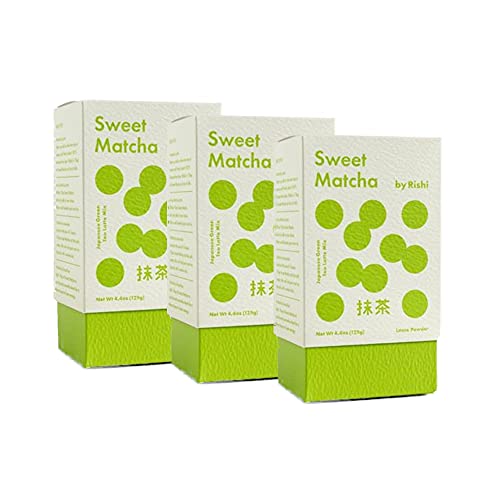
Rishi Tea Sweet Matcha Powder (3-Pack)

Jade Leaf Ceremonial Grade Matcha 30g Tin

Jade Leaf Matcha Latte Mix 150g

Jade Leaf Matcha Latte Mix 500g

Jade Leaf Matcha Latte Mix 1000g

Blume Iced Strawberry Matcha Latte with Collagen
More Details On Our Top Picks
SOKYO’s Shizuoka release is the kind of matcha that asks you to slow down. Sourced from a single Japanese growing region, this 1.05 oz tin targets drinkers who want to taste the tea rather than mask it. Shaded cultivation, a roasting step, and traditional stone-milling all show up in the cup, layering sweetness with savory umami that pre-sweetened blends rarely deliver.
Pulled whisk-style, it leans vegetal and oceanic. If your usual drink is a sweetened latte mix, expect an adjustment; that brightness is the point. It is also worth knowing the SOKYO line extends beyond Shizuoka, with other single-origin releases from Mie and Fuji regions, so you can explore different flavor profiles as you refine your palate.
A Few Highlights
- Single-origin Shizuoka leaf, with optional Mie and Fuji variants in the same line
- Shade cultivation builds umami and a natural sweetness, so you may not need added sugar
- Traditional stone-milling preserves the fine, silky powder that whisks smoothly
- Compact 30g tin works for committed daily drinkers without overcommitting to bulk
Honest Caveats
- You are paying for purity, so the price per serving runs higher than blended latte mixes
- The vegetal intensity can read grassy to drinkers used to sweetened matcha drinks
- Like all ceremonial powders, the tin loses brightness quickly once opened, so plan to use it within a few weeks for the cleanest taste
Key Specs
Made For
Drinkers who treat matcha as tea first and want to taste the regional character of a single Japanese growing area.
Swap It Out When
Pick the Akira Matcha instead if organic certification matters more to you than single-origin storytelling.
Akira Matcha is built for people who read the back of the package first. The powder is organic, first-harvest, and shade-grown for at least three weeks before picking, which gives the leaves time to concentrate chlorophyll and amino acids. It is ground in Japan and sealed for transit, so the focus is on preserving freshness from kettle to cup.
Compared to the SOKYO pick, Akira leans toward a clean, straightforward ceremonial profile without the single-origin drama. That makes it a sensible middle ground for drinkers who want a daily-quality powder but do not need region-specific nuance. The 3.5 oz tin is also generous, so a single purchase can last for months of weekday lattes.
Notable Upsides
- Organic certification covers the tea leaf itself
- First-harvest picking concentrates sweetness and amino acids, which can ease bitterness
- A 3.5 oz tin is roughly three times the size of the typical 30g ceremonial canister
- Recommended 1g serving keeps a tin running for many weeks of regular use
Points To Note
- No added flavoring, so this is a base powder you will sweeten or mix yourself
- You may need a fine sieve to break up clumps, since the larger tin is opened and closed more often
- Grinding and sealing happen in Japan, then shipping to the US adds transit time, so freshness depends on rotation
Feature Snapshot
Right Fit For
Organic-first shoppers who still want a ceremonial-grade powder for traditional whisking or homemade lattes.
Look Elsewhere When
Choose the Jade Leaf Ceremonial Tin if a smaller, single-use canister format matters more than bulk value.
Rishi’s Sweet Matcha is a different beast than the first two picks. This is Japanese matcha blended with pure cane sugar, designed to dissolve directly into hot or cold milk with no whisking required. A 3-pack of 4.4 oz pouches covers roughly 30 lattes, which makes it a practical choice for shared offices or households where not everyone wants to fiddle with a bamboo whisk.
For people transitioning from a bottled latte habit, this powder removes almost every step. The flavor leans sweet and creamy, less grassy than a pure ceremonial blend, and the brand markets it for iced, hot, and even lemonade preparations. The honest read is that you are trading purity for convenience, and that trade is exactly what makes it useful.
Benefits That Matter
- Pre-sweetened with cane sugar, so you can skip the syrup and the measuring spoon
- Multi-pack format works well for shared spaces and small offices
- Works in hot, iced, and lemonade recipes straight from the pouch
- Certified Kosher and Non-GMO verification on the label
Where It May Fall Short
- Added sugar means you cannot easily adjust sweetness to taste
- It is a blend, not a single-origin tea, so drinkers chasing umami will want something else
- The 3-pack is a larger commitment than a single tin if you have never tried Rishi’s matcha before
Best Suited To
Busy households and shared spaces where speed and consistency matter more than brewing ceremony.
Consider Something Else When
Pick the SOKYO Ceremonial Matcha if you want to dial sweetness yourself and taste the tea without built-in sugar.
Jade Leaf’s 30g ceremonial tin is a popular entry point for first-time matcha drinkers, and the small format is part of the appeal. A half-teaspoon serves up roughly 15 lattes or 30 traditional cups, which is enough to learn what you actually like before committing to a 100g tin. The reusable tin also helps keep light and air off the powder between uses.
Compared with the Akira tin, the portion is smaller and easier to finish while flavor is still bright. Where Rishi’s blend is already sweetened, this stays as a pure base, so you can experiment with milks, syrups, and ratios. It is a sensible match for someone testing the waters of traditional whisking.
What Makes Sense
- Compact 1.06 oz tin is finished quickly, so flavor stays fresh
- Versatile for both whisked tea and latte use with a small per-cup portion
- Available in larger and smaller packs if you decide to scale up later
Things To Consider
- At 30g, the per-serving cost is higher than buying in bulk
- Ceremonial grade means you pay for top-tier leaf even if you plan to drown it in milk
Quick Facts
Who It Suits Best
First-time ceremonial drinkers who want a small tin to test their taste before moving to a larger format.
A Better Fit Elsewhere
Switch to the Jade Leaf Latte Mix 150g if you already know you prefer sweetened lattes and want a bigger bag.
Jade Leaf’s Original Latte Mix is the brand’s barista-tuned option, lightly sweetened with organic unrefined cane sugar. The 5.3 oz pouch is sized for a single person or a couple’s daily routine, and the bag format makes it easy to scoop, seal, and store. The flavor targets the café-style middle ground: smooth, slightly sweet, and not grassy.
Unlike the Rishi Sweet Matcha, this mix keeps the unsweetened and sugar-free versions on the same product page, so the swap between styles is simple. If you start with the sweetened bag and decide it is too much, you can move to the sugar-free sibling without changing your routine. For home drinkers who want a one-bag-per-month cadence, this 150g size lands in a sweet spot.
Useful Touches
- Slightly sweet, café-style profile that needs no extra sugar
- Earthier matcha base avoids the bitter, grassy edge some latte mixes show
- 5.3 oz pouch is manageable for one or two drinkers
- Sister versions include sugar-free, collagen, and pumpkin spice for easy swapping
Trade Offs
- Pre-sweetened, so dial-in sweetness is limited
- The bag has no rigid tin, so transferring to an airtight container helps preserve flavor longer
Feature Card
Whose Shelf It Belongs On
Solo drinkers or couples who want a café-style sweetened matcha without committing to a bulk tub.
Reach For A Different Pick When
Step up to the Jade Leaf 500g tub if you already know you will use the sweetened version daily and want fewer repurchases.
The 500g tub is the same recipe as the 150g pouch, scaled up for households where matcha is a daily constant. With about 50 servings per tub, the bag-to-tub transition removes the frequent repurchase cycle. The wider format also means more surface area inside the container, so sealing tightly after each scoop matters more than with a slim pouch.
Where the 150g bag suits a quiet one-cup-a-day routine, this tub is for the household running two or three cups a day. Compared with the Rishi 3-pack, you trade individually portioned sachets for one resealable container, which is more efficient but less convenient for travel.
Where It Excels
- 50 servings per tub reduce repurchase frequency for daily drinkers
- Resealable tub protects powder from moisture when handled cleanly
- Same flavor profile as the 150g bag, so no recipe change between sizes
Soft Spots
- Bulk format means flavor can dull faster if the tub sits open between uses
- Heavier to ship and store than the 150g pouch
Who Will Love This
Multi-drinker households that finish a 150g pouch within a few weeks and want fewer restocks.
Not Your Match When
Pick the 150g pouch instead if you travel often or live alone and want a smaller, lighter bag.
The 1000g tub is the largest option in the Jade Leaf latte line, with roughly 100 servings per container. That scale makes sense for offices, shared houses, or anyone who already knows this is a daily staple. You are essentially buying a small pantry of café-style matcha in one move.
Compare that to the Akira tin, which is unsweet and ceremonial; this tub is the opposite end of the spectrum, built for sweet lattes at volume. The honest trade-off is that the 2.2 lb container needs a cool, dry shelf and a tight seal, since the powder inside has more time to lose aroma than smaller formats.
Where It Delivers
- Largest serving count in the Jade Leaf latte line, around 100 cups per tub
- Same lightly sweet barista profile as the smaller sizes, so no recipe change
- Lower repurchase frequency for high-volume drinkers
Practical Considerations
- Large tub is bulky on a small kitchen shelf and heavier to maneuver
- Flavor freshness depends on tight sealing and a dry storage spot
- Too much powder if you are still figuring out whether sweetened matcha fits your routine
Perfect Match For
Heavy daily drinkers, shared spaces, or anyone planning a long stretch of home lattes without restocking.
Skip It When
Start with the 500g tub if you are unsure about long-term use, and scale up once you know the rhythm.
Blume’s strawberry matcha is the most playful pick in this list. Real organic strawberry juice powder meets stone-ground matcha from Shizuoka, plus hydrolyzed grass-fed collagen peptides, all in one serving. The 10-serving pack is designed for a summer treat, and the brewing direction leans iced: hot water, whisk, pour over ice, add milk.
Where every other pick on this list is a green base, this one is a flavored powder that doubles as a smoothie add-in. The caffeine from matcha pairs with L-theanine, an amino acid also found naturally in tea that softens the jittery edge, so the lift feels more even. You will know quickly whether the strawberry note is your thing, since the flavor is the main event.
Features That Help
- Real organic strawberry juice powder gives a clean fruit note, not syrup
- Lightly sweetened with around 2g of coconut sugar per serving
- Includes 5g of hydrolyzed collagen peptides per serving for a daily ritual
- Shizuoka-sourced matcha carries the same regional story as the SOKYO pick
Points To Keep In Mind
- Strawberry flavor is polarizing, so the 10-serving pack is a sensible trial size
- Coconut sugar sweetening is mild, so drinkers used to syrupy lattes may add more
Feature Rundown
Who Should Grab It
Drinkers who want a sweet, summery iced latte with built-in collagen, and who like strawberry as the lead flavor.
Swap It Out When
Choose the Jade Leaf Original Latte Mix if you prefer a classic café-style latte without fruit or collagen in the mix.
What Matters Most Before Choosing Matcha Latte Powders
Purity Versus Convenience
Pure ceremonial grades give you the tea in its simplest form: shade-grown leaves, stone-ground to a fine powder, with no sugar or flavor added. Pre-sweetened latte mixes, by contrast, blend in cane sugar and sometimes milk powder, so all you add is liquid. The honest read is that you are choosing between tasting the tea and tasting the recipe. Most people land on one or the other based on whether they view matcha as a daily beverage or as a special ritual.
Grade And Origin
Ceremonial grade is the top tier, used in Japanese tea ceremonies, and it is the right pick for traditional whisking. Culinary grade leans more bitter and is built for cooking and baking, so it does not shine in a latte. Origin matters too, since single-region powders from Uji, Shizuoka, or Mie each bring different levels of umami (a savory, brothy depth) and sweetness. If you care about traceability, single-origin is the clear path.
Size And Servings
Matcha loses aroma fast once a tin is opened, so size should match your drinking pace. A 30g tin suits one or two daily lattes for a few weeks, while 100g and up fit committed households. Buying a bulk tub you cannot finish before flavor fades is a common slip, so honest self-assessment matters more than grabbing the largest size.
Sweetness And Add-Ins
Pre-sweetened blends cut the guesswork, but they also lock you in. Pure powders let you pick your own sweetener, milk, and ratios, which is helpful if you are watching sugar or experimenting with oat, almond, or dairy options. Flavored picks like strawberry add a built-in twist, so the base drink becomes dessert-adjacent.
Key Considerations Across These Picks
Pitfalls Shoppers Hit
The most common mistake is treating all green powders as interchangeable, when in fact ceremonial, culinary, and latte-grade blends behave very differently in the cup. Another slip is buying a giant tub before confirming you like the flavor, which often leads to half-finished containers and stale powder. Finally, ignoring storage means losing brightness fast, so airtight tins and cool shelves matter more than people expect.
Where The Extra Money Goes
Higher-tier ceremonial powders cost more because of shade-growing time, hand-picked first-harvest leaves, and slow stone-grinding, all of which protect aroma and amino acid content. You also pay for tighter harvests and smaller batch sizes. The upgrade is worth it for drinkers who taste the difference, but pre-sweetened mixes can be the smarter move when convenience is the real goal.
Frequently Asked Questions
What Is The Difference Between Ceremonial And Culinary Matcha?
Ceremonial matcha uses the youngest, shade-grown tea leaves picked early in the season, producing a smoother, sweeter, more vibrant green powder. Culinary matcha comes from later harvests and is bolder and more bitter, which holds up better in sweetened drinks and baked goods.
How Should I Store Matcha Latte Powders After Opening?
Keep opened matcha in an airtight container, away from direct light, heat, and moisture. A cool pantry or cupboard works well, and a sealed tin is better than a soft pouch once the original seal is broken. Refrigeration can extend life but introduce condensation, so an airtight tin in a cool spot is the safer default.
Can I Use Pure Matcha Powder In A Latte?
Yes, pure ceremonial or culinary matcha works in a latte, but you will need to add your own sweetener, milk, and any flavors. Pre-sweetened mixes exist for people who want to skip that step. The trade-off is control, since pure powder gives you full freedom to adjust the ratio.
How Much Powder Should I Use Per Cup?
A typical serving is around 1 to 2 grams, roughly half a teaspoon to a full teaspoon, depending on strength preference. Latte mixes are usually pre-portioned, so a single scoop per cup is the standard guide. Start low and adjust to taste.
Are Flavored Matcha Powders Worth Trying?
Flavored powders are worth trying if you already know you want a sweeter, dessert-style drink, since they bundle fruit or chocolate notes with the tea. They are less versatile than pure powders, so they are not ideal for traditional whisking. A small trial pack is a sensible way to test your taste.
Final Verdict
Matcha covers a wide spectrum, from single-origin ceremonial tins to pre-sweetened café blends and fruity iced mixes. The best pick depends on whether you want to taste the tea itself, replicate a coffee shop drink at home, or try a flavored twist. Start with a smaller tin or trial pack to learn your taste, then scale up once the routine is set.
