

You want a matcha that actually tastes like something, not a grassy afterthought. The category splits fast: ceremonial-grade powders for the traditional bowl, sweetened blends for a quick latte, and bulk culinary tins for baking. This list sorts the noise into nine picks you can match to your routine, your budget, and how much ceremony you actually want at 7 a.m.
The Choices Worth Comparing

SOKYO Ceremonial Matcha Series Powdered Green Tea (Shizuoka Ceremonial S)

Akira Matcha 25 x 1.5g Sticks Organic Premium Ceremonial

The Republic of Tea Organic Double Green Matcha Tea Super Refill

The Republic of Tea SuperGreen Organic Detox Green Tea, 36 Count

DoMatcha Summer Harvest Green Tea Matcha Powder (2.82 oz)

Jade Leaf Matcha Powder Organic Culinary Grade 100g
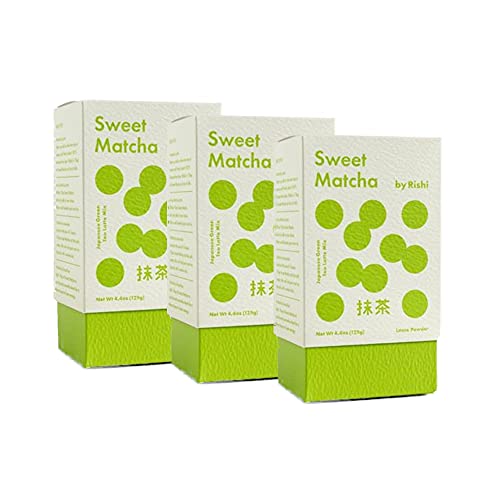
Rishi Tea Sweet Matcha Japanese Green Herbal Tea Powder 3-Pack

Matcha DNA Organic Matcha Powder XXL 16oz Tin

Matcha DNA Certified Organic Matcha Powder, 16 oz Bag
Taking A Closer Look At The Options
Pulled from Shizuoka’s tea country, this 30g tin leans into the traditional side of the category. Shaded cultivation before harvest concentrates the L-theanine and amino acids, which is what gives ceremonial-grade matcha that rounded umami note rather than sharp grassiness. A 1.05oz tin runs you roughly a month of daily bowls, assuming a single serving per day.
Where it differs from later picks on this list is texture: stone-grinding on a slow granite mill preserves the fine, sandy mouthfeel that whisks into a smooth top layer. The flavor profile lands well in plain hot water with no milk, which is where ceremonial powder really earns its reputation. You do need a bamboo whisk (chasen) and a fine sieve to get the most from it.
Key Advantages
- Shaded pre-harvest growth concentrates umami and natural sweetness
- Stone-milled texture dissolves into a clean, grit-free foam
- 30g tin sized for roughly 30 traditional single-bowl servings
- Shizuoka provenance from a respected Japanese tea region
- Vivid green color suggests high chlorophyll content, a visible cue for fresh ceremonial stock
Things To Consider
- Smaller tin than bulk options like Jade Leaf or Matcha DNA, so it runs out faster with daily use
- You will want a chasen and sieve to unlock the texture, which adds to the setup
Core Details
Right Fit For
Drinkers who want the traditional bowl ritual and a flavor profile that holds its own in plain hot water.
Swap It Out When
The Matcha DNA XXL 16oz Tin suits you better if your daily habit is a large latte and you burn through powder fast.
Twenty-five individually sealed 1.5g sticks solve the freshness problem that plagues every opened tin. Each stick is a single serving, so you never scoop-and-guess or watch your powder oxidize in a half-empty bag. Matcha Konomi’s Akira line is sourced from first-harvest leaves shaded for at least three weeks before picking.
The format is genuinely useful for travel: a stick tears open into a water bottle, you shake, and you have a midday matcha without a whisk, sieve, or scale. Each pack is also a more controlled ceremonial serving than loose powder, which matters if you have been guessing at teaspoon amounts. Compared with the SOKYO pick above, the trade-off is unit cost per cup, but you pay for the convenience.
Reasons It Performs
- Individual sticks lock out air and light between uses
- Pre-measured 1.5g removes any guesswork on serving size
- Shake-to-mix format works in a bottle or thermos with no whisk
- 25-stick pack covers about three weeks of daily use
Trade Offs
- Per-cup cost runs higher than bulk tin options later on this list
- No tin for kitchen storage, so leftover sticks need a dry drawer
Made For
Frequent travelers and office drinkers who want ceremonial-quality matcha without a toolkit.
Look Elsewhere When
Rishi Tea Sweet Matcha fits better if you want a pre-sweetened latte format and would rather skip the plain-water path entirely.
The Double Green format marries matcha powder with whole green tea leaves inside a tea bag, so you get matcha’s flavor without the chasen learning curve. Each bag is steeped like a normal tea, three minutes in hot water, no sifting, no clumping. The Republic of Tea leans organic on the ingredient side, which matters if you check sourcing labels.
This is the lowest-friction entry on the list, and the Super Refill pack is sized to steep roughly 100 cups. The trade-off is that you are steeping the bag rather than whisking the powder, so you get the lighter side of the matcha experience, not the full ceremonial hit. The Republic of Tea SuperGreen Detox blend later in this list goes the other direction, mixing matcha with herbs instead of letting it carry the cup.
The Case For It
- Tea bag format removes every prep barrier for new drinkers
- Combines powdered matcha with whole leaves for a fuller-bodied cup
- Bulk refill pack runs roughly 100 cups per box
- Caffeine content comes naturally from the leaf, no added sources
Worth Noting
- Bag steeping releases less of matcha’s full nutrient profile than whisking the powder directly
- Not interchangeable in recipes that need a measured scoop of powder
Key Specs
Whose Shelf It Belongs On
First-time matcha drinkers and office kitchens that want a low-fuss bag without buying a whisk and sifter.
Consider Something Else When
SOKYO Ceremonial Matcha makes more sense if you are ready to commit to the whisking ritual and want the full umami cup.
Republic of Tea takes a different angle with this blend: matcha is one ingredient among several, joined by organic spearmint, organic chlorella powder, and a natural apple flavor. The result is a green tea with a sweet, minty finish rather than the grassy, savory cup you get from straight matcha. It is a blend, not a single-origin powder.
The chlorella and mint lean this pick toward mid-morning and post-workout windows where the lighter, cooler profile reads better than ceremonial boldness. A 36-count box covers about a month of daily drinking, similar to the SOKYO tin in lifespan, but the cup character is very different. If you have tried plain matcha and bounced off the savory side, this is a friendlier on-ramp.
A Favorable Mix
- Spearmint and apple finish make the cup feel lighter and cooler
- Chlorella and matcha combine two green-tea nutrient profiles in one bag
- All-organic ingredient list keeps the label clean
- 36-count box sized for steady daily drinking
Small Caveats
- Flavor profile is not a substitute for plain matcha in a traditional bowl
- Sweetened naturally, but the apple note may not appeal to drinkers who want pure green-tea taste
Best Suited To
Wellness-minded drinkers who want matcha layered into a smoother, mintier blend for everyday cups.
Reach For A Different Pick When
Jade Leaf Culinary Matcha fits better if you want a powder you can also scoop into smoothies and baked goods.
DoMatcha’s Summer Harvest comes in a 2.82oz tin sized for around 75 servings, slotting between the smaller ceremonial tins and the bulk culinary bags. Summer harvest leaf tends to bring a slightly bolder, more astringent bite than spring harvests, which is exactly what you want when milk, oat, or sugar is going to soften the cup anyway. This is the most “barista” of the loose powders in the roundup.
It dissolves well with a small manual frother, no whisk required, so the morning routine stays quick. The astringency shows up clearly in plain water, which is a consideration if you are switching from a sweeter latte base. L-theanine and natural caffeine sit in the same range as other authentic green-tea powders on the list, so energy delivery is comparable.
Good Reasons To Consider
- Summer harvest leaf holds flavor better against milk and sweeteners
- 75-serving tin sized for daily latte drinkers
- Works with a simple frother, no bamboo whisk required
- Kosher certification suits households that track dietary labels
Points To Note
- Slightly more astringent taste reads strong in plain water
- Tin is smaller than 16oz options like Matcha DNA, so cost per gram is higher for heavy users
Feature Snapshot
Who Should Grab It
Daily latte drinkers who want a more robust cup than ceremonial-grade powder delivers.
Where Another Pick Suits Better
Akira Matcha sticks suit you better if you split your matcha habit between home, the office, and travel days.
Jade Leaf’s 100g culinary tin is the workhorse of the list, designed for daily drinkers who go through powder fast or use it in recipes. A half-teaspoon per cup is enough to keep the matcha note visible in a latte, and the larger tin keeps the cost per serving down. Culinary grade is less refined than ceremonial, with a slightly more astringent character that reads better when mixed with milk or used in baking.
The 100g size holds up well for a small household running one or two cups a day, lasting roughly six to eight weeks. The flip side of culinary grade is that it does not shine in plain-water whisking; the flavor profile is too robust for that style. If you are splitting time between a morning latte and weekend baking projects, this single tin covers both.
Points In Its Favor
- 100g tin keeps cost per cup low for daily use
- Versatile profile works in lattes, smoothies, and baking
- Organic culinary grade, no flavoring or sweetener added
- Smaller portions (1.06oz, 3.53oz) also available for testing before committing to a bigger tin
Honest Caveats
- Culinary grade is more astringent than ceremonial, so plain-water drinkers may want the SOKYO pick instead
- Larger tin is harder to keep fresh once opened; an airtight container helps extend usable life
Quick Facts
Perfect Match For
Daily drinkers who treat matcha as an ingredient, not a ritual, and want value in a larger tin.
A Better Fit Elsewhere
SOKYO Ceremonial Matcha fits better if you take your matcha plain in a traditional bowl and want the smoother ceremonial profile.
Rishi’s Sweet Matcha is pre-blended with pure cane sugar, which means the powder goes straight into hot or cold milk without any extra sweetener. A 3-pack at 4.4oz each is sized to make roughly 30 lattes total, so the math works for someone replacing a daily coffee run. It is the most “switch from coffee” option on the list, leaning on familiar sweet-latte territory rather than the savory matcha side.
The blend dissolves cleanly with a quick stir or small frother, no whisk needed, and the 3-pack format is useful for office pantries or shared kitchens. The trade-off is the same as any pre-sweetened product: the sugar-to-matcha ratio is fixed, so adjusting sweetness means adding more milk or another powder rather than dialing down sugar. The drink is non-GMO and kosher certified, which lines up with how most people already filter grocery items.
What Helps Most
- Pre-sweetened with cane sugar, no syrup or extra sweetener needed
- Dissolves easily into hot or cold milk with a quick stir
- 3-pack format covers daily use for a month or more
- Non-GMO and kosher certified ingredient sourcing
Factors To Consider
- Added sugar rules this out for plain-water drinkers and low-sugar diets
- Sweetness level is fixed, so dialing it down means adding more milk, not less powder
Who Will Love This
Coffee drinkers crossing over to matcha who want the latte experience without a separate sweetener on the counter.
Not Your Match When
Jade Leaf Culinary Matcha makes more sense if you want unsweetened powder you can build a latte, smoothie, or recipe around.
The 16oz tin is the largest container in the roundup, sized for households running two or more cups a day or for serious bakers. Matcha DNA’s organic powder is unsweetened with no additives, so you build flavor with milk, sweetener, or recipe ingredients as needed. USDA organic certification gives the label a clear, consistent standard for sourcing.
The tin format itself is a real upgrade from a resealable bag: less light exposure, more reliable seal, easier to scoop from. In a heavy-use kitchen, the 16oz size can last several months, though you are still working through a meaningful amount of powder. A larger tin is also slightly more vulnerable to staleness once opened, so an airtight secondary container helps once the original seal is broken.
Advantages To Know
- 16oz tin sized for daily or multi-cup households
- USDA organic and unsweetened, no flavoring agents
- Tin protects powder from light better than a paper bag
- Gluten-free and vegan label works for most dietary filters
Less Ideal Details
- Bigger tin takes longer to use, so freshness management matters more than with smaller packs
- Flavor profile is more general-purpose than a single-origin ceremonial tin like SOKYO
Feature Card
Built With In Mind
Two-a-day households and home bakers who want the lowest cost per cup without switching to bagged powder.
Skip It When
Akira Matcha sticks fit better if your daily routine is split between home, work, and travel, and you need single-serve portions.
Same Matcha DNA powder, different container: a 16oz resealable bag instead of a tin. The bag format is lighter for shipping, easier to store in a smaller kitchen, and tends to cost a bit less per ounce than a rigid tin. You give up some of the light protection a metal tin offers, but a sealed bag kept in a cupboard holds up well for most use patterns.
It is also the most flexible option for cooking. Scooping straight into pancake batter, energy bites, or a smoothie is simpler from a bag you can pour into, and the powder behaves the same way as the tin version once it lands in your cup. If you are the type to put matcha in everything from oatmeal to salad dressing, the bag is a practical daily-driver format.
Useful Highlights
- 16oz bag sized for everyday use at lower cost per ounce
- USDA organic and unsweetened, no flavoring agents
- Bag pours easily for scooping into recipes and smoothies
- Versatile across lattes, baked goods, and mixed drinks
Possible Compromises
- Bag offers less light protection than a tin, so a dark cupboard or secondary airtight container helps
- Less travel-friendly than the Akira Matcha sticks for office or on-the-go use
The Right Fit
Home cooks and smoothie makers who want a versatile organic powder in a bag they can store easily.
Where A Sibling Pick Shines
Matcha DNA XXL Tin is a stronger pick if you want light protection and a more displayable kitchen container.
What Matters Most Before Choosing Matcha Tea Powders
Grade and Origin Define the Cup
Ceremonial-grade matcha uses leaf from the first spring harvest, shaded for several weeks before picking, then stone-ground. That process concentrates L-theanine (an amino acid linked to calm focus) and chlorophyll, producing a sweeter, less bitter cup. Culinary-grade powder uses later harvests or less refined leaf and trades sweetness for body, which is why it shines in lattes and recipes.
For plain-water whisking in a traditional bowl, ceremonial grade is the more forgiving choice. For everything else, a culinary tin from a Japanese-sourced brand like Jade Leaf or Matcha DNA gives you better value with very little flavor loss once milk is involved.
Format Drives Your Routine
Powder in a tin, powder in a bag, single-serve sticks, and pre-portioned tea bags each pull you into a different daily pattern. Tins keep powder freshest in a heavy-use kitchen. Bags are easier to scoop into recipes. Sticks like Akira Matcha solve freshness and portioning for travelers. Bagged blends like Republic of Tea’s Double Green skip the whisk entirely.
Pick the format that matches how you actually drink matcha, not the format that looks nicest on the shelf. A ceremonial powder in a tin is a poor choice if you never whisk, and a bag is wasteful if you only drink a cup a week.
Sourcing, Certification, and Sweetness
USDA organic certification on Matcha DNA and Jade Leaf gives a clear sourcing standard, and Republic of Tea runs organic across both of its blends on this list. Sweetened blends like Rishi’s Sweet Matcha lock in a sugar-to-matcha ratio, which simplifies the cup but limits flexibility. Unsweetened powders let you control sugar, milk, or flavoring at the cup.
If you bake, unsweetened is the more useful baseline. If you want a quick latte without a sweetener on the counter, a pre-blended powder is the easier path.
Freshness and Storage Habits
Once opened, matcha loses vibrancy and aroma over weeks, faster in a bag than in an airtight tin. A 30g ceremonial tin is the easiest container to finish before the powder fades. A 16oz bulk container makes sense only if your household goes through the powder in a couple of months; otherwise, the savings get eaten by staleness.
Key Considerations Across These Picks
Mistakes Worth Dodging
Many shoppers grab the cheapest green powder and call it matcha, only to find a flat, bitter cup. The first habit to build is reading the grade and origin: culinary-grade Japanese powder is honest, but unlabeled supermarket green dust often is not. Equally, oversized tins look like a deal until half the powder sits unused for three months and turns dull. Match your container to your pace, not just your wallet.
When Paying More Pays Off
The step up from a 16oz culinary bag to a 30g ceremonial tin is not a downgrade in size, it is a shift in use case. Premium ceremonial matcha earns its place in plain-water whisking, where the leaf’s natural sweetness and umami can carry the cup. In a heavily sweetened latte, that distinction flattens, and the bulk tin is the smarter spend. The honest read is that premium matters most when you are tasting the powder on its own.
