

A good sauce starts long before the simmering. A pot of weeknight marinara, a slow Sunday ragù, a quick shakshuka on a Tuesday morning. The can you crack open quietly decides whether the dish tastes bright and balanced, or flat and metallic. Choosing among canned tomatoes for sauce means weighing acidity, texture, salt, and whether you want fire-roasted depth or clean crushed pulp, and the right pick depends on the kind of cook you actually are.
The Essentials At A Glance

Colavita Tomato Basil Sauce 13.76 oz

Del Monte Petite Cut Diced Tomatoes 14.5 oz (Pack of 12)

Muir Glen Organic Diced Fire Roasted Tomatoes 14.5 oz

Hunt’s Fire Roasted Diced Tomatoes 14.5 oz

Colavita Crushed Tomatoes 13.76 oz (Pack of 16)

Colavita Recart Diced Tomatoes 13.76 oz (Pack of 16)
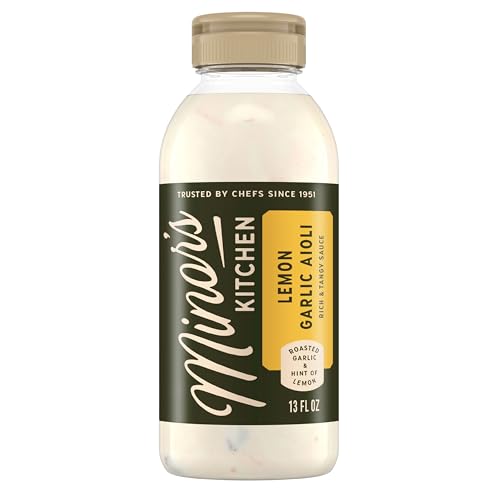
Minor’s Kitchen Lemon Garlic Aioli 13 oz

Minor’s Kitchen Creamy Korean BBQ Sauce 13 oz

Minor’s Kitchen American Smokehouse Sweet and Spicy Sauce 13 oz
Taking A Closer Look At The Options
Strictly speaking, the Colavita Tomato Basil Sauce arrives as a ready-to-pour sauce rather than whole or crushed tomatoes, so its place in a canned-tomato roundup depends on how you cook. The 13.76 oz recart (a flat, shelf-stable paperboard carton) holds seasoned pulp with basil already folded in, which means you can skip a few steps on busy nights.
You benefit most when the goal is a quick pasta, a spoon of sauce over grilled chicken, or a thin base for a layered bake. The carton is Non-GMO Project Verified and made in small batches in Italy, which gives you cleaner ingredient sourcing than many supermarket pasta sauces offer.
Benefits That Matter
- Built-in basil cuts a step from weeknight recipes
- Recart format is lighter and easier to store than glass
- Non-GMO Project Verified label for ingredient-conscious cooks
- Made in Italy, which suits you if you want an imported profile
Worth Noting
- This is a seasoned sauce, not plain crushed tomatoes, so you cannot dial in your own salt and herbs
- The 13.76 oz recart size runs out quickly for big-batch cooking
Key Specs
Right Fit For
You cook most nights in under thirty minutes and want a seasoned sauce that pours straight from the carton without simmering.
Where Another Pick Suits Better
Choose the Colavita Crushed Tomatoes pack of 16 instead when you prefer to build your own sauce from plain, unseasoned pulp.
The Del Monte Petite Cut Diced Tomatoes pack of 12 is built for households that cycle through tomato cans faster than a single trip can keep up with. Each 14.5 oz can holds a small dice, smaller than standard cut, which keeps pieces intact in long simmers without turning to mush.
You benefit when you want a consistent pantry base for chili, soup, or a quick weeknight pasta. The twelve-can format means a single purchase covers a month of midweek cooking for most families.
Noteworthy Benefits
- Petite dice holds its shape during long simmers
- Twelve-can pack reduces reordering trips
- Standard 14.5 oz can matches most home recipes
Things To Consider
- Del Monte lists no organic or Non-GMO certification on this line, so ingredient sourcing is standard mainstream
- Bulk cans take up significant pantry shelf space
Best Suited To
You cook for a family of three or more and want diced tomatoes always within reach.
Look Elsewhere When
Pick the Muir Glen Organic Diced Fire Roasted Tomatoes instead when ingredient certification and smoky depth matter more than bulk quantity.
Muir Glen’s fire-roasted dice brings a layer of char you usually only get from a screaming-hot skillet. The 14.5 oz can is USDA Certified Organic, Non-GMO Project Verified, and has no salt added, so the seasoning stays in your hands.
You benefit when you want one can to anchor a wide range of dishes, from a smoky tomato soup to a southwestern-style chili. The fire-roasting is a real flavor shortcut, and the no-salt version plays well with low-sodium diets.
What Pays Off
- Fire-roasted char deepens sauces without extra stovetop steps
- USDA Certified Organic and Non-GMO Project Verified for clean-label cooks
- No salt added means you control the seasoning from scratch
- Also available in 28 oz cans and 12-pack configurations
Small Caveats
- Smoky char can read as too bold for delicate cream sauces
- No-salt formula means you may need extra seasoning for traditional Italian dishes
Feature Snapshot
Who It Suits Best
You care about organic sourcing and want a smoky, no-salt-added tomato that can carry a sauce on its own.
Consider Something Else When
Reach for the Hunt’s Fire Roasted Diced Tomatoes when a milder, lower-smoke profile suits a beginner cook or a kid-friendly dish.
Hunt’s fire-roasts its tomatoes over an open flame, and that single step changes what a 14.5 oz can can do in a pot. The result carries a soft, smoky edge that reads as “cooked a long time” even in a thirty-minute chili.
You benefit when you want one ingredient to do the heavy lifting in soups, chilis, and stews. The diced format holds together nicely, and the can is widely available, so you can restock without a special trip.
A Few Highlights
- Open-flame roasting adds a smoky baseline that anchors hearty dishes
- Vine-ripened tomatoes give a consistent year-round flavor
- Also available in a six-pack for slightly bigger households
Points To Note
- Hunt’s labels no organic certification on this SKU, which may matter to clean-label shoppers
- The smoky character can overpower subtle herbs in lighter sauces
Quick Facts
Made For
You build chilis, stews, and braises and want a smoky shortcut built into the can itself.
Not Your Match When
Choose the Colavita Crushed Tomatoes instead for a milder, smoother base in a classic Italian Sunday sauce.
The Colavita Crushed Tomatoes pack of 16 is what serious home canners reach for when they cook in volume. Each 13.76 oz recart holds plain crushed tomato, Non-GMO, with no salt added and kosher certification.
You benefit when you simmer big pots of sauce for the freezer, batch-cook for the week, or feed a household that runs through tomato-based meals nightly. The unseasoned, low-salt profile means the can stays out of the way of your own recipe.
Good Reasons To Consider
- Sixteen-can pack covers a full month of regular sauce making
- Non-GMO and kosher certifications broaden kitchen use
- No salt added keeps seasoning decisions in your hands
- Recart format is lighter to lift and stack than glass jars
Honest Caveats
- Sixteen cartons require a dedicated pantry shelf or storage bin
- Crushed texture is smoother than diced, which may not suit you if you want visible tomato pieces
Who Should Grab It
You batch-cook weekly, freeze portions, or run a busy household where tomatoes go through several cans a week.
Skip It When
Pick the Del Monte Petite Cut Diced Tomatoes pack of 12 if diced pieces matter more than volume or certifications.
The Colavita Recart Diced Tomatoes pack of 16 swaps the metal can for a flat paperboard carton, which changes how you store and use the product. The 13.76 oz size matches the brand’s other recart SKUs, and the diced format keeps visible pieces in the finished sauce.
You benefit when pantry space is tight and you want flat, stackable cartons that fit where round cans cannot. The Non-GMO designation gives you a cleaner ingredient line than standard mainstream diced tomatoes.
Why It Works Well
- Recart cartons are easier to stack and store in shallow pantries
- Non-GMO verified for ingredient-conscious cooks
- Diced format keeps tomato pieces intact in long simmers
Some Limits To Know
- Recart cartons need a small pour spout opener, and opening can be stiffer than a standard pull-tab can
- Sixteen cartons still take up meaningful pantry space over time
Built With In Mind
You want a diced, Non-GMO tomato in a flat, recyclable carton and a multi-pack that covers regular cooking.
Swap It Out When
Reach for the Colavita Crushed Tomatoes pack of 16 instead if you prefer a smoother sauce base without visible dice.
The Minor’s Kitchen Lemon Garlic Aioli sits in a different aisle from canned tomatoes, but it earns a place in this roundup as a finisher. A spoonful stirred into a finished tomato sauce brightens the pot, much like a squeeze of lemon and a slick of olive oil would.
You benefit when you cook Mediterranean-leaning dishes or want a creamy element without whipping one up from scratch. The 13 oz jar is a generous size for several meals.
Positive Points
- Roasted garlic and lemon add a bright finish to tomato sauces
- Creamy texture enriches thin sauces without extra dairy prep
- Jarred format keeps longer than homemade aioli
Things To Weigh
- Refrigeration after opening means a shorter window than canned tomatoes
- Creamy aioli can mute the bright acidity of a tomato-forward sauce, so less is more
Whose Shelf It Belongs On
You finish tomato dishes with a quick swirl of something bright and creamy and would rather not make aioli from scratch.
Reach For A Different Pick When
Choose the Minor’s Kitchen American Smokehouse Sweet and Spicy Sauce instead if you want a bold, smoky-sweet accent on grilled or roasted proteins.
The Minor’s Kitchen Creamy Korean BBQ Sauce folds the ginger, sesame, and gentle sweetness of Korean barbecue into a pourable, slightly creamy base. The 13 oz jar typically arrives in a two-pack, which gives you room to experiment.
You benefit when you want to twist a tomato-based dish, think gochujang-spiked ketchup or a Korean-style marinara for meatballs, without blending a sauce from separate bottles. The creamy texture rounds out sharp tomato acidity in a different way than dairy does.
Strong Points
- Ginger and toasted sesame add a savory backbone to tomato-based braises
- Two-pack format keeps a backup jar on hand for repeat recipes
- Creamy consistency blends smoothly into warm sauces
Practical Considerations
- Sweet soy notes can read as too sugary in a savory Italian-style red sauce
- Like other cream-based jarred sauces, it needs refrigeration after opening
Perfect Match For
You cook fusion at home, and a jarred Korean-style sauce is faster than mixing ginger, soy, and sesame from scratch.
Where A Sibling Pick Shines
Pick the Minor’s Kitchen American Smokehouse Sweet and Spicy Sauce when you want a BBQ accent that leans toward grilled meats rather than saucy braises.
The Minor’s Kitchen American Smokehouse Sweet and Spicy Sauce brings Carolina tang and Southern sweetness into one pourable bottle. The 13 oz size, usually offered in a two-pack, suits a weekend of ribs, pulled chicken, or a tray of roasted vegetables.
You benefit when you want a glaze that does the seasoning work for you, no dry rub, no separate mop sauce. It also doubles as a stir-in for a quick smoky-sweet dipping sauce next to a pan of crispy things.
The Upside
- Balanced sweet heat works as both glaze and dip
- Carolina tang cuts through rich, fatty proteins
- Two-pack keeps the second bottle fresh for next weekend’s cookout
What To Weigh
- Sweetness can caramelize fast on high-heat grills, so watch the glaze near the end
- Not a tomato-based sauce, so it complements a tomato dish rather than replacing canned tomatoes
Core Details
Who Will Love This
You grill often, host weekend cookouts, and want a glaze that adds tang and sweetness without a multi-bottle prep.
Another Choice May Suit
Pick the Minor’s Kitchen Creamy Korean BBQ Sauce instead when you want a sauce that blends into a tomato-based braise rather than sitting on top of grilled food.
What Matters When Stocking Your Pantry With Canned Tomatoes
A can of tomatoes is a deceptively simple thing, and the differences show up in the pot, not on the shelf. Whole peeled tomatoes give you the most control, since you crush or blend them yourself. Crushed tomatoes save a step and dissolve into smooth sauces faster. Diced tomatoes hold their shape, which matters in chili, shakshuka, and any dish where you want visible bites of fruit.
Fire-roasted tomatoes carry a smoky char that mimics long cooking, and they earn their place in soups and chilis where you want that depth without firing up a grill. No-salt-added versions put seasoning in your hands, which is a quiet plus if you watch sodium. Organic and Non-GMO Project Verified labels give you cleaner ingredient sourcing, though they do not change flavor on their own.
How Cut Affects The Final Dish
A smooth crushed tomato breaks down fastest, so it works for quick pan sauces and pizza. Diced and petite-diced hold up through long simmers, which is why they show up in chili and stew. Whole peeled tomatoes are the most flexible, since you can crush, dice, or blend them depending on the recipe, though they do require an extra step.
When Certifications Matter
USDA Certified Organic and Non-GMO Project Verified labels reflect how the tomatoes were grown and processed, not how they taste. For most home cooks, certifications become a deciding factor when cooking for a family with ingredient preferences, when a recipe calls for a specific clean-label brand, or when you are simply trying to keep your pantry consistent.
Reading The Label Without Overthinking It
Skip the ingredient list if you see added sugar, calcium chloride (a firming agent that keeps diced cubes unnaturally crisp), or unspecified “natural flavor.” A short list of tomatoes and sometimes salt is a good sign. If you see “fire roasted” on the label, expect a smoky edge, and “no salt added” means you control the seasoning from the first pinch.
Smart Considerations Before You Stock Up
Pitfalls Shoppers Hit
The first trap is treating every can the same. A no-salt-added crushed tomato behaves differently in a pot than a fire-roasted diced, and swapping one for the other mid-recipe can throw off the seasoning. The second trap is buying small cans for big-batch cooking, which drives up cost and creates extra cans to recycle. The third is opening a can, using half, and leaving the rest in the fridge past two days, which wastes more than people realize.
Where The Extra Money Goes
Premium tiers tend to buy you better farming practices, organic or Non-GMO Project Verified sourcing, and tomatoes harvested at peak rather than bulk. The upgrade is worth it when you cook tomato-based dishes often and want a more pronounced flavor, and when ingredient sourcing shapes your shopping. For occasional use, a mainstream fire-roasted dice still delivers solid results, so the tier jump is more about peace of mind than performance.
Frequently Asked Questions
Are crushed or whole canned tomatoes better for sauce?
Crushed tomatoes break down faster and suit quick pan sauces, while whole peeled tomatoes give you the most flexibility, since you can crush them by hand. For slow-simmered ragù, whole or crushed both work well, and diced versions are best when you want visible pieces in the finished dish.
Do fire-roasted canned tomatoes really taste different?
Yes. The open-flame char adds a smoky edge that you would otherwise build with a grill, smoked paprika, or a long simmer. In chilis and stews, the difference is obvious, though in delicate cream sauces the smoke can read as too heavy.
What does no-salt-added mean on a can of tomatoes?
It means the manufacturer did not add salt during processing, so the only sodium in the can is what occurs naturally in the fruit. You control the seasoning entirely, which matters if you are cooking for low-sodium diets or want to dial in your own salt level.
How long do canned tomatoes keep in the pantry?
Unopened, canned tomatoes typically keep for well over a year past the printed date when stored in a cool, dry pantry. Once opened, transfer any unused portion to a sealed container and refrigerate for up to three days for best quality.
Can I freeze canned tomatoes in a glass jar?
Glass is risky in the freezer, since liquid expands and can crack the jar. A common workaround is to pour leftover tomatoes into a freezer-safe plastic container or silicone bag, leaving headspace for expansion, and freeze for up to three months.
