

Kimchi has crossed firmly into mainstream pantries, and jarred versions have become the easiest on-ramp for anyone curious about fermented Korean flavors. The picks below span quick noodle kits, single-note seasonings, and traditionally fermented whole-cabbage jars, so you can find the right fit whether you want a two-minute lunch or a slow-built condiment.
The Leading Options At A Glance

Nongshim Kimchi Noodle Soup (Pack of 10)

Nongshim Gourmet Kimchi Ramen (Pack of 16)

Ottogi Kimchi Ramen (120g, 10 Pack)

Mother-in-Law’s Gochugaru Korean Chile Flakes 3.25 oz
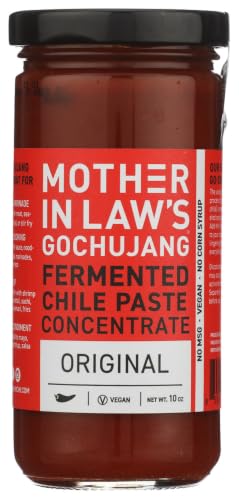
Mother-in-Law’s Gochujang Paste 10 Ounce

Funtable Kimchi Seasoning Powder 4.2 oz

Olive My Pickle Classic Napa Kimchi 48 oz (3 Pack)
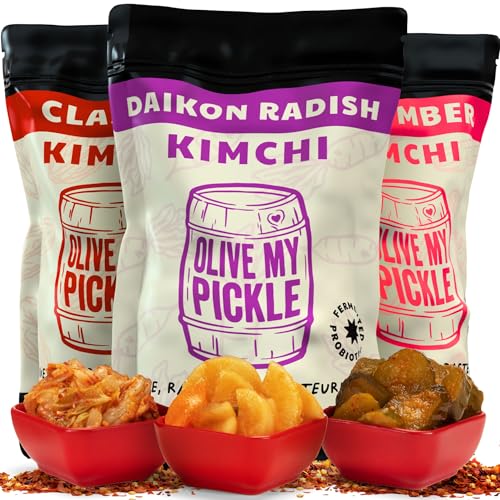
Olive My Pickle Kimchi Variety 48 oz (3 Pack)

Olive My Pickle Probiotic Cucumber Kimchi 48 oz (3 Pack)
A Closer Look At Each Pick
This single-serve bowl from Nongshim is built for the moment a workday runs long and lunch needs to happen in the next four minutes. The broth leans spicy with a noticeable kimchi tang, and the dried vegetable packet adds a bit of texture, including pieces of bok choy (a mild, leafy Chinese cabbage) and mushroom, so each spoonful feels closer to a real bowl than a plain noodle pack.
Pour boiling water to the fill line, wait three minutes, and you’re eating. The bowl itself is microwave-safe and BPA-free (a plastic made without bisphenol A, a chemical some prefer to avoid), so reheating a forgotten desk lunch is just as painless. Compared with the bulk Nongshim option that follows, this format trades volume for a tidy self-contained vessel that travels well.
The Value In It
- Self-contained bowl keeps cleanup to a spoon and a trash bin.
- Kimchi-forward broth delivers actual fermented tang, not just chili heat.
- Vegetables in the packet add texture so the bowl feels closer to a meal than a snack.
- Pack of 10 is a sensible trial size before committing to bigger bulk packs.
Worth Noting
- Sodium runs high, which may matter for those watching salt intake at lunch.
- The 4.2-ounce bowl leaves larger appetites reaching for a side.
Feature Snapshot
Right Fit For
Office workers, students, and travelers who want a kimchi-flavored bowl without hauling a pot to the breakroom microwave.
Look Elsewhere When
Households cooking for several people get more value from the larger Nongshim Gourmet Kimchi Ramen pack covered in the next review.
This 16-pack is essentially the Nongshim Kimchi Noodle Soup from Pick 1 scaled into a household-sized sleeve. The flavor profile reads more savory than the single-bowl version, leaning on a rich kimchi-flavored base with dried kimchi flakes scattered in for occasional chewy bites. The 4.2-ounce individual portions keep portion control simple in a busy kitchen.
Microwaving works, but most people will likely use a pot and a kettle since the noodles cook in about five minutes. The noodles hold their bite better than a typical instant block, and the broth darkens as the dried kimchi rehydrates, suggesting a deeper umami layer (umami is the savory, mouth-filling taste often called the fifth flavor). For comparison, Pick 1 is the same brand in a portable bowl; this is the at-home equivalent in bag form.
Everyday Wins
- Sixteen pouches stretch well across a month of quick lunches.
- Dried kimchi flakes inside the sachet rehydrate into chewy, tangy bites.
- Microwavable format removes the need for a stovetop during the workweek.
Points To Note
- Bulky sleeve needs pantry space that the bowl format doesn’t.
- Broth leans more umami than spicy, which may surprise shoppers expecting heat.
- Sachet-only packets create more small plastic waste than a recyclable bowl.
Made For
Small households and solo eaters who want a steady supply of kimchi ramen without running to the store weekly.
Swap It Out When
People who want a brighter, more aggressively sour profile should try the Ottogi Kimchi Ramen reviewed in Pick 3.
Ottogi’s kimchi ramen tilts the flavor dial toward a more traditional Korean jjigae-style broth (a stew-like, kimchi-forward soup). The included dehydrated fermented kimchi rehydrates quickly, and the broth turns a deeper red than either Nongshim option, with a sour edge that cuts through richness. At 120 grams per pack, each portion is a touch larger than a typical 85-gram block, which suits heartier appetites.
Cooking takes the standard four to five minutes in boiling water. People who love the Ottogi brand often describe it as more sour and vegetal than other instant kimchi bowls, so it’s worth knowing your tolerance for tang before stocking a full ten-pack. Compared with the Nongshim bulk pick above, Ottogi feels closer to a homemade pot of kimchi stew in a fraction of the time.
What Stands Out
- Fermented kimchi packet delivers the sharpest tang in this lineup.
- Larger 120-gram portions handle hungry lunches without a side dish.
- Broth color and depth mimic a longer-simmered kimchi jjigae.
Honest Caveats
- Flavor skews sour, so heat-sensitive eaters should start with one pack.
- Not microwavable in the package, which rules it out for office prep without a kettle.
Best Suited To
Comfort-food lovers chasing a stewed-kimchi flavor who don’t mind a stovetop boil.
Consider Something Else When
Anyone who wants a ready-in-three-minutes desk lunch should step back to the Nongshim Kimchi Noodle Soup bowl in Pick 1.
Gochugaru (Korean red chile pepper flakes) is the backbone of nearly every kimchi recipe, and this jar from Mother-in-Law’s is one of the cleanest versions you can buy in a U.S. pantry. The flakes are coarsely ground and nearly seed-free, so what you taste is the bright, fruity flesh of the pepper rather than the bitter crunch of seeds. The earthy, medium-heat profile reads more complex than standard crushed red pepper.
You’ll find this same gochugaru inside the Mother-in-Law’s jarred kimchi sold in stores, which makes it a natural starting point for anyone planning a first batch of homemade kimchi. The 3.25-ounce jar is enough for several quart-sized batches, depending on how heavy-handed you are with the heat. Compared with the Funtable seasoning powder in Pick 6, this is the single-ingredient foundation rather than a blended finishing dust.
The Upside
- Seedless texture keeps flavors clean and grit-free in finished kimchi.
- Coarse grind colors kimchi paste a vivid red without turning it pasty.
- Fruity, medium heat suits first-time kimchi makers more than fiery blends.
Trade Offs
- A small jar vanishes fast if you’re making kimchi every few weeks.
- Not a one-step shortcut; you’ll still need napa cabbage, garlic, ginger, and fish sauce or vegan alternatives.
Feature Snapshot
Who Will Love This
Home cooks ready to ferment their own kimchi from scratch and want a trusted pepper base to start with.
A Better Fit Elsewhere
Anyone who wants to skip the multi-day fermentation process can grab the Olive My Pickle Classic Napa Kimchi covered in Pick 7.
Gochujang is the sweet-spicy fermented chile paste that shows up in Korean marinades, dipping sauces, and stews, and a jar opens a wider recipe set than kimchi alone. Mother-in-Law’s version skews balanced, with a noticeable sweetness and a moderate heat that won’t burn the back of the throat. The 10-ounce tub is a generous size for households that cook Korean or Korean-inspired food several times a week.
It stirs easily into marinades for grilled meats, glazes for roasted vegetables, and sauces for bibimbap. For a quicker use, a spoon whisked with rice vinegar and sesame oil makes a serviceable dumpling dip. Compared with the gochugaru in Pick 4, this is a finished sauce rather than a build-it-yourself ingredient, so the trade-off is convenience versus control.
Practical Advantages
- One tub replaces several smaller Asian condiments in a basic recipe rotation.
- Moderate heat lets you season by the spoonful without overwhelming other ingredients.
- Stir-and-go format shortens weeknight marinades and stir-fries.
Points To Keep In Mind
- Sweetness may not suit shoppers who expect a drier, saltier Korean paste.
- Once opened, the tub wants refrigeration and a clean spoon to last several months.
Whose Shelf It Belongs On
Home cooks who regularly build Asian-style sauces and want a single jarred paste they can lean on for multiple dishes.
Reach For A Different Pick When
Those focused on building true jarred kimchi from scratch should pair this with the Mother-in-Law’s Gochugaru in Pick 4 instead.
Funtable’s powder is a dry shortcut for getting kimchi-style flavor onto foods that won’t survive a wet condiment. The seasoning aims to capture the savory, aged taste of kimchi in a sprinkle form, which is genuinely useful for popcorn, fries, grilled chicken, and other snack foods. The 4.2-ounce pouch sits comfortably on a spice shelf and lasts through several rounds of movie-night experiments.
Where a jar of real fermented kimchi adds moisture and live cultures, this powder is purely about flavor, so you sacrifice fermentation benefits for shelf stability and convenience. The honey-butter variant in the product line leans slightly sweet, while the spicy Korean flavor delivers more of the chili and garlic notes. It plays a different role than the Olive My Pickle jars covered later in this list.
Useful Strengths
- Powdered format sprinkles cleanly over dry snacks without sogging them out.
- Shelf-stable pouch survives a pantry without refrigeration between uses.
- Single-ingredient flavor layer keeps snack foods from tasting generic.
Some Limits To Know
- No fermentation means none of the probiotic benefits of real jarred kimchi.
- Flavor profile reads manufactured to some palates used to fresh-fermented jars.
Who Should Grab It
Snack enthusiasts, dorm cooks, and anyone wanting a quick flavor dust without committing to a full jar of fermented kimchi.
Consider Something Else When
People specifically seeking a probiotic, traditionally fermented jar should jump ahead to the Olive My Pickle Classic Napa Kimchi in Pick 7.
Olive My Pickle’s classic napa cabbage kimchi is fermented the old-fashioned way, in a salt-water brine with no vinegar, sugar, or dyes. The 48-ounce pack, split across three jars, is sized for households that go through kimchi quickly on rice, in fried rice, or as a ramen topper. Each jar is raw and unpasteurized, which is what keeps the live cultures active.
Lab testing reportedly shows around 14 billion CFUs (colony-forming units, a measure of live beneficial bacteria) of lactic acid bacteria per serving, including strains like L. plantarum and L. brevis that are commonly associated with fermented foods. Heat-sensitive shoppers should know that the jars are best kept cold from arrival. Compared with the seasoning powder in Pick 6, this is the real-deal fermented option with all the tang and crunch that implies.
Real-World Strengths
- Traditional salt-brine fermentation keeps ingredient lists short and recognizable.
- Documented live cultures appeal to shoppers focused on gut-friendly foods.
- Three-jar pack spreads out use so one jar can stay sealed in the fridge longer.
Factors To Consider
- Refrigeration is required from delivery onward, which complicates shipping in warm climates.
- Live cultures can cause initial digestive adjustment in those new to fermented foods.
Feature Snapshot
Perfect Match For
Home cooks who want a traditional fermented kimchi with verified live cultures and clean ingredient lists.
Not Your Match When
Shoppers wanting variety in one order should pivot to the Olive My Pickle Kimchi Variety Pack reviewed in Pick 8.
The variety pack rounds up the Olive My Pickle lineup into one shipment: classic napa cabbage, cucumber kimchi (oi sobagi), and daikon radish kimchi (kkakdugi). All three jars use the same clean, salt-brine fermentation as the classic version, so the nutritional and probiotic story stays consistent across flavors. The resealable pouches also make storage in a tight fridge easier than rigid jars.
Flavor-wise, the cucumber version brings a fresh, watery crunch that pairs well with grilled meats, while the daikon offers a juicier, slightly sweeter bite that works nicely in soups. This is the most accessible entry point for shoppers new to fermented kimchi, since three smaller portions encourage experimentation. Compared with the single-style classic in Pick 7, this trades a deep dive into one flavor for a broader survey.
Standout Benefits
- Three styles in one order support comparison tasting without separate purchases.
- Smaller individual portions keep each pouch fresher through the use cycle.
- Resealable pouches stack flat in crowded fridges better than rigid jars.
Where It Is Less Suited
- No single-style dominance means less volume per flavor for devoted fans.
- Variety can feel scattered for shoppers who already know which kimchi they want.
Built With In Mind
Curious first-timers and households wanting a few styles on hand to pair with different proteins or grains.
Where Another Pick Suits Better
Devoted napa cabbage fans who eat kimchi daily will get more mileage from the Olive My Pickle Classic Napa Kimchi in Pick 7.
Cucumber kimchi, also called oi sobagi, is the crisper, brighter cousin of napa kimchi, and this Olive My Pickle version leans into that texture. The cucumbers stay snappy through fermentation, and the seasoning soaks into the scored flesh without turning the slices limp. It’s a top-tier topping for cold noodles, rice bowls, and especially ramen, where the crunch survives hot broth surprisingly well.
The 48-ounce three-pack format matches the brand’s other offerings, and the same clean ingredient list applies: salt-water brine, no vinegar, no dyes, and live cultures preserved through unpasteurized storage. For shoppers who already have a go-to napa kimchi and want a textural change-up, this delivers without a new fermentation routine. Against the variety pack in Pick 8, this is the deep dive into one specific style.
A Few Strong Suits
- Cucumber crunch holds up in hot broth better than softer napa cabbage.
- Live-culture fermentation matches the rest of the brand’s lineup.
- Larger three-pack format rewards households that already use kimchi weekly.
Less Ideal Details
- Single-style focus means less visual variety on a serving platter.
- Cucumber flavor may read as a sharper, more vegetal profile than napa newcomers expect.
Right Fit For
Cooks who already love kimchi on ramen or rice bowls and want a crunch-forward twist on the classic.
Skip It When
Shoppers just starting out with fermented foods will learn the ropes more gently with the Olive My Pickle Variety Pack reviewed in Pick 8.
Picking The Right Jarred Kimchi For Your Pantry
Jarred kimchi isn’t one product. Some jars hold a fully fermented, probiotic-rich condiment meant for rice and ramen. Others hold a sauce paste, a seasoning powder, or even a kimchi-flavored instant noodle bowl built for the office microwave. The first decision is the simplest: do you want to eat kimchi as food, or do you want a kimchi-flavored shortcut?
If the goal is real fermented kimchi, ingredient discipline matters more than branding. Short lists of recognizable vegetables, salt, and chile flakes usually signal a careful ferment. Long lists of preservatives, flavor enhancers, or added sugar are signs of a more processed, heat-treated product with fewer live cultures. The Olive My Pickle trio in Picks 7, 8, and 9 all use a simple salt-brine approach, which is what most traditional recipes call for.
Heat tolerance is the second practical filter. Nongshim’s bowl in Pick 1 and the Ottogi ramen in Pick 3 both lean spicy, but Ottogi adds a sharper fermented sourness. Gochugaru in Pick 4 gives you the most control because you can dial the heat up or down as you build your own batch. Cucumber kimchi in Pick 9 tends to read brighter and more refreshing than napa kimchi, so it suits summer eating better than heavy winter stews.
Finally, consider storage. Live-culture jars need refrigeration from the moment they arrive, and they continue to ferment slowly in the fridge, which means flavor evolves over time. Powdered seasonings and dry noodle packs are shelf-stable, so they suit dorm rooms, office pantries, and travel kits where cold storage is unreliable. A combined pantry with one fermented jar plus a few shelf-stable options tends to work well for most households.
Key Considerations Across These Picks
Where Shoppers Go Wrong
The most common slip-up is confusing kimchi-flavored instant noodles with actual fermented kimchi. They are different categories serving different needs, and stocking only one leaves a pantry flat. A second pitfall is ignoring storage temperature: live-culture jars that warm up during shipping can sour aggressively before they ever reach the fridge. Plan to refrigerate fermented jars promptly after delivery.
The Upgrade Payoff
Higher-tier jarred kimchi usually buys cleaner ingredient lists, verified live-culture counts, and more careful fermentation control. For households that eat kimchi several times a week, those upgrades translate into a steadier flavor profile, fewer surprise off-notes, and better texture over time. For casual eaters, the lower-priced options in this list offer plenty of flavor without committing to a premium ferment.
