

Most home bakers hit the same wall when a recipe demands true red. The grocery-store liquid turns pink, the wrong dye throws off flavor, and a “natural” label turns out to be a marketing stretch. Picking a red that actually performs, looks the part, and fits your dietary preferences takes more than grabbing the first bottle in the aisle.
This roundup sorts through gels, liquids, petal dusts, and full natural sets, matching each to the kind of baking you actually do. You’ll find a fit for sugar-flower work, a fit for red velvet that needs to stay red after baking, and a fit for label-reading shoppers who want no synthetic dyes.
A Side-By-Side Look

Oh! Sweet Art Edible Petal Dust Neon Set (4 x 4g)

Chefmaster Super Red Liqua-Gel Food Coloring (10.5 oz)
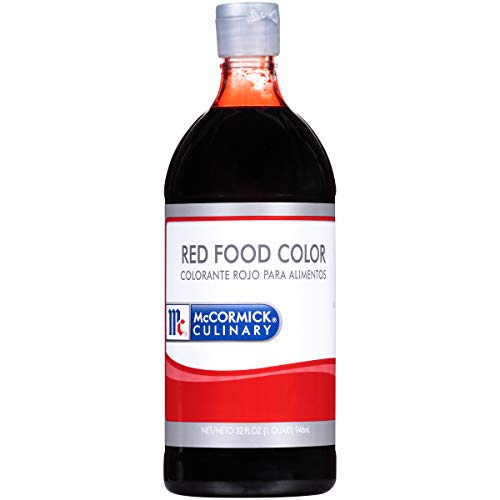
McCormick Culinary Red Food Coloring (32 fl oz)

Amazon Grocery Red Food Coloring (1 fl oz)

DecoPac Premium Red Gel Food Coloring (8 oz)

SigWong 15-Color Natural Food Coloring Set (10 ml)

Chefmaster Rose Pink Gel Food Coloring (1 oz)

Chefmaster Buckeye Brown Gel Food Coloring (1 oz)

Chefmaster Burgundy Gel Food Coloring (1 oz)
Why These Options Stand Out
Petal dust is a finely milled, loose pigment powder that sits on the surface of a sugar piece rather than soaking in. The Oh! Sweet Art Neon Set ships four 4-gram jars in deep, food-grade shades, so you can layer colors on petals, leaves, and gumpaste figures without changing the structure underneath. The set is Kosher, formulated without cornstarch, and stays put on dry surfaces where a liquid would bleed.
Unlike liquid drops from the McCormick or Amazon Grocery options below, this powder is meant for dry brushing and highlighting, not for tinting a bowl of batter. The matte finish mimics real petal coloring, which is why decorators working on sugar flowers and detailed cake toppers reach for it. For most hobbyists painting wafer paper or dusting fondant, the jars last through dozens of projects.
Everyday Advantages
- Matte, natural-looking finish that mimics real flower tones
- Four jars give you a working palette without buying singles
- Kosher and food-grade, so it suits restricted diets
- Mixes with lemon extract for painting and shading work
Things To Consider
- Not water-soluble, so it won’t blend into icing or batter
- Dry pigment can drift; expect a small mess on your workspace
- Works best on gumpaste, not buttercream
Key Specs
Who It Suits Best
Hobbyist cake decorators crafting sugar flowers, gumpaste toppers, and detailed accents who want authentic matte color rather than glossy tinting.
Consider Something Else When
You mainly tint batter or buttercream, in which case the Chefmaster Super Red Liqua-Gel offers a more liquid-friendly red.
The Super Red Liqua-Gel sits in a class of its own: a professional-grade gel that delivers a true, fire-engine red with just a few drops. The 10.5-ounce bottle is sized for bakeries, cake studios, and serious home decorators who run through color fast. Because it is a gel, the water content stays low, so it does not throw off the texture of buttercream or royal icing the way a thin liquid dye can.
Where a tiny 1-ounce bottle from Amazon Grocery works for one project at a time, this format lets you tint large batches of frosting, batch after batch, without constant refills. The color holds up under heat, so red velvet cakes stay red after baking. For most decorators chasing a saturated red without watering down their medium, this is the workhorse bottle.
Where It Delivers
- Highly concentrated, so a little goes a long way
- Large 10.5-ounce format suits batch work and studios
- Low water content preserves buttercream texture
- Stays vivid after baking, not just on the counter
Trade Offs
- Overdosing turns icing chalky or bitter, so add slowly
- Larger bottle means more shelf space than travel-friendly picks
- Synthetic dye, not a fit for clean-label households
Made For
Studio decorators, bakery owners, and dedicated home bakers producing tiered cakes, batches of cupcakes, or any high-volume project where red must stay red.
Skip It When
You avoid synthetic dyes, in which case the SigWong 15-Color Natural Food Coloring Set is the better match.
McCormick Culinary’s 32-fluid-ounce bottle is a pantry-sized answer for anyone who bakes red velvet, colors sugar cookie dough, or dyes big batches of frosting. Unlike the Oh! Sweet Art powder, this is a true liquid you shake before pouring. The flip-top cap unscrews for bigger pours during batch work, then closes back down to dispense single drops when you need a careful tint.
Because it is a larger volume, the bottle earns its place in commercial-style kitchens and busy households. A standard small bottle from Amazon Grocery works for one cake, but red velvet recipes often demand a generous pour to keep the crumb properly red after baking. The brand notes the formula is tasteless, which matters when you do not want dye to compete with chocolate or vanilla notes.
Real Benefits
- 32-fluid-ounce format minimizes mid-project refills
- Dual-dispense cap handles drops and bulk pours
- Tasteless formula keeps flavor profiles clean
- Works in batter, dough, frosting, and icing
A Few Limitations
- Higher water content than gel, so it can loosen stiff buttercream
- Liquid format takes longer to build deep red than a gel
- Bottle is bulky for small kitchen cabinets
Quick Facts
Right Fit For
Home bakers who tackle red velvet several times a year, host big celebrations, or run a small baking side business that demands a steady supply.
Look Elsewhere When
You only need a drop or two for an occasional frosting tint, in which case Amazon Grocery’s 1-fluid-ounce Red Food Coloring is a smaller, less wasteful choice.
Sometimes all you need is a small bottle of red to dye a dozen Easter eggs, tint a single batch of cookies, or color a quick round of slime with the kids. The 1-fluid-ounce Amazon Grocery bottle is exactly that: a simple, no-frills liquid red that shakes up, drops in, and gets out of the way. The size keeps it affordable for occasional use and easy to tuck into a drawer.
Compared with the McCormick 32-ounce, this format is built for households that color once or twice a year. You will not get the same depth of red as a concentrated gel like Chefmaster’s, and you may need more drops to reach a vivid shade. For most casual projects, however, that trade-off is fine and the smaller bottle means less waste.
Key Advantages
- Compact 1-fluid-ounce size fits small kitchens and craft bins
- Simple liquid format, easy enough for kids with supervision
- Useful for both cooking and dyeing projects
- Low cost, low risk if you only need it once in a while
Points To Note
- Standard liquid, not a gel, so it can thin stiff frostings
- Takes more drops than a concentrated gel to reach vivid red
- Synthetic, not a fit for shoppers avoiding artificial dyes
Best Suited To
Families who color Easter eggs, run occasional baking projects, or do simple slime and craft work without needing a professional-grade gel.
Another Choice May Suit
You are scaling up to red velvet or tiered cakes, in which case McCormick Culinary Red Food Coloring offers a larger volume and more batch control.
DecoPac’s Premium Red Gel is built around a squeeze bottle with a pointed tip, which is the small detail that makes it so useful for detail work. You can dot color into a piping bag, trace fine lines on fondant, or flood a small area of royal icing without grabbing a separate tool. The 8-ounce size sits between the small Amazon Grocery bottle and the bakery-sized Chefmaster Super Red, hitting a middle ground for active home decorators.
The gel format means lower water content, so it does not break stiff buttercream the way a thin liquid can. Compared with the powder-based Oh! Sweet Art set, this one is fully water-compatible and tints wherever you need a smooth, even color. For most decorators focused on control and precision, the pointed tip earns its keep.
Everyday Wins
- Pointed squeeze tip gives precise control
- Highly concentrated gel, so a small squeeze goes far
- Food-safe for buttercream, fondant, and piping gel
- Mid-size bottle suits regular but not daily use
Possible Compromises
- Larger bottle than casual users may finish in time
- Synthetic dye formula, not aligned with clean-label preferences
- Color depth depends on how much you are willing to dose
Feature Card
Who Will Love This
Home decorators working on character cakes, fondant toppers, and detailed piping who want a controlled squeeze rather than drop-by-drop tinting.
Reach For A Different Pick When
You need powdered pigment for dry brushing, in which case the Oh! Sweet Art Edible Petal Dust Neon Set covers that ground better.
SigWong’s natural set ships fifteen 10-milliliter bottles, all formulated without FD&C or artificial dyes, so you get a working rainbow without synthetic ingredients. The reds in the set pull from plant-based sources, which is the right answer for households that read labels closely, bake for kids, or simply prefer food coloring the way it used to be made. The small bottle size keeps each color fresh across projects.
Compared with the gels on this list, natural liquid dyes can read slightly softer on the page or in a bowl, so you may need more drops for the same punch. That is the trade-off shoppers accept when they pass on synthetic colors. For most family bakers making cupcakes, cookies, and slime, the depth of color is more than enough and the ingredient list is the bigger win.
Good Reasons To Consider
- Synthetic-dye-free formula suits label-conscious households
- Fifteen-color set covers a full project palette
- Food-grade and non-GMO design
- Works for baking, decorating, and DIY projects like slime
Honest Caveats
- Natural reds can look softer than synthetic gels, so you may use more drops
- Each bottle is small, so heavy bakers may run out fast
- Plant-based pigments can shift slightly with heat and pH
Technical Sheet
Perfect Match For
Family bakers, parents making treats with kids, and anyone avoiding synthetic dyes who still wants a versatile rainbow on hand.
A Better Fit Elsewhere
You need a concentrated bakery-grade red, in which case the Chefmaster Super Red Liqua-Gel delivers more pigment per drop.
Rose Pink is a softer cousin of red, and the Chefmaster gel form means even a beginner can dial in a romantic tint without breaking a sweat. A single 1-ounce bottle covers several small projects, making it a low-risk way to experiment with color before committing to a bigger bottle. The lower water content keeps the consistency of buttercream or fondant intact, which is the main reason decorators reach for gels over liquids in the first place.
Compared with the bright fire-engine of the Chefmaster Super Red, this shade is more of a blush, which suits wedding cakes, baby showers, and Valentine’s treats. You will not get a true red from this bottle alone. For most bakers chasing that delicate pink-red rather than a saturated primary, Rose Pink earns its place in the kit.
What Works In Its Favor
- Concentrated gel means a tiny drop covers a lot of icing
- Small 1-ounce size is friendly to new decorators
- Low water content preserves frosting texture
- Soft blush tone suits romantic or feminine designs
Factors To Consider
- Pink hue, not a true red, so it cannot cover all red-need cases
- Small bottle runs out fast on batch work
- Synthetic dye formula, not aligned with natural-only preferences
Built With In Mind
Beginners and casual bakers making wedding cupcakes, baby shower cakes, or Valentine’s Day treats who want a soft blush rather than a vivid red.
Where A Sibling Pick Shines
You need a deeper, more dramatic red, in which case the Chefmaster Burgundy Gel Food Coloring covers that base.
Buckeye Brown is technically a brown, but it lives on this list because it sits in the red family of the spectrum, pulling warm, earthy, almost brick-red tones. It is the bottle decorators reach for when pure red feels too candy-like and they want a gingerbread, autumn-leaf, or rustic feel. The 1-ounce gel format keeps the color concentrated and the texture of your icing undisturbed.
Like the other Chefmaster gels on this list, it ships in a small bottle, which is great for trying a new shade without committing to a large container. Buckeye Brown pairs well with a touch of red when you want to deepen gingerbread men or pipe leaves on a fall cake. For most bakers working in warm palettes, it earns its space in the collection.
A Strong Showing
- Warm brown-red tone suits autumn and rustic themes
- Concentrated gel preserves frosting consistency
- Small bottle is low-commitment for new shades
- Blends well with deeper reds for custom shades
Less Ideal Details
- Not a true red, so it cannot stand in for primary red on its own
- Brown pigment can stain silicone tools if not cleaned soon
- Small bottle runs out fast on large batch projects
Quick Technical Notes
Whose Shelf It Belongs On
Bakers who decorate seasonally, lean into fall or winter designs, and want a warm brown-red rather than a bright primary.
Swap It Out When
You need a bright, saturated red for Valentine’s or red velvet projects, in which case the Chefmaster Super Red Liqua-Gel is the right call.
Burgundy is the deep, wine-soaked corner of the red family, and the Chefmaster gel format delivers it without watering down your icing. The bottle is the same 1-ounce size as the Rose Pink and Buckeye Brown picks, so it slots neatly into a growing collection of gel colors. Decorators reach for burgundy when red feels too cheerful and they want a richer, more grown-up palette for winter or wine-themed designs.
Compared with the brighter Super Red on this list, burgundy is more of an accent color than a base shade. It also blends well with browns to deepen chocolate-toned decorations. For most bakers working on a wine-and-cheese cake or a winter floral display, it is the missing link between primary red and full brown.
Reasons It Performs
- Deep wine tone suits winter and romantic themes
- Concentrated gel keeps icing texture stable
- Small bottle is easy to test before committing
- Blends with browns for custom chocolate-red shades
Worth Bearing In Mind
- Not a primary red, so it cannot cover every red request
- Small bottle requires frequent replacement for batch work
- Dark pigment can stain spatulas and benches without quick cleanup
The Right Fit
Bakers and decorators crafting wine-themed cakes, winter florals, or deep romantic designs who want a richer shade than a primary red provides.
Not Your Match When
You want a true bright red for red velvet or holiday projects, in which case the McCormick Culinary Red Food Coloring is the better fit.
What Matters Most Before Choosing Natural Red Food Colorings
Color Format and How You Plan to Use It
The format drives everything else. A liquid red is a true solution, meaning the dye is fully dissolved in water, so it pours easily but can loosen thick batters and stiff buttercream. A gel is a thickened dye with very little water, so a tiny amount tints a large batch of icing without changing the consistency. A powder, like the Oh! Sweet Art Petal Dust, is a dry pigment that brushes onto the surface of sugar work without soaking in. Match the format to your project before you match the shade.
Shade, Saturation, and Heat Behavior
Red dyes are sensitive to heat, pH, and acid, which is why some reds bake out pink or brown. Highly concentrated gels tend to hold color better through oven heat than thin liquids. For red velvet specifically, the cocoa powder in the recipe is acidic, so you often need extra dye to keep the crumb red. Plant-based natural reds can shift slightly with temperature, which is a fair trade-off for the clean label.
Ingredients, Certifications, and Dietary Needs
Reading the ingredient panel matters here, especially for shoppers avoiding synthetic dyes, FD&C colors, or common allergens. A natural set like the SigWong collection skips artificial colors entirely. A gel may be Kosher certified or made in a dedicated facility, which matters for restricted diets. Pick a format that matches both the project and the household.
Smart Considerations Across These Picks
Mistakes Worth Dodging
Most red disasters come down to under-dosing. New decorators add a drop or two and stop, then wonder why their buttercream looks pink. Red needs patience, especially in white or pale bases, so start with a generous amount and build. Another slip-up is reaching for liquid dye in stiff royal icing, which thins the icing and ruins the piping consistency. Finally, skipping the shake on liquid bottles leads to inconsistent color, since dye settles at the bottom over time.
Where The Extra Money Goes
A larger gel bottle or a true professional-grade color costs more because the pigment concentration is higher, so each drop covers more icing. A natural set commands a small premium because plant-based pigments cost more to source and stabilize than synthetic dyes. The price gap pays for shelf life, color stability through baking, and a cleaner ingredient list. For occasional hobbyists, the small bottles are plenty. For studio-level work, the concentrated formats pay back the difference in fewer drops per batch.
Frequently Asked Questions
What is the difference between liquid, gel, and powder food coloring?
Liquid food coloring is a water-based dye that pours easily but can thin frostings. Gel food coloring is thickened with very little water, so a tiny amount tints a large batch without changing texture. Powder or petal dust is a dry pigment that brushes onto the surface of sugar work, ideal for matte finishes and detailed accents.
How do I keep red velvet cakes red after baking?
Red velvet batter is acidic, which dulls most red dyes, so use a concentrated gel rather than a thin liquid. Add the dye gradually until the batter looks darker than you want, since the color lightens during baking. A small amount of cocoa in the recipe supports the red hue without adding chocolate flavor.
Are natural food colorings safe for kids’ baking projects?
Natural food colorings made without FD&C or artificial dyes are widely used in family baking, slime, and crafts. The plant-based pigments are food-grade and considered gentle for occasional use. Always check the ingredient panel for any specific allergens your household avoids.
Can I mix red and brown gels to make a custom shade?
Yes, gel colors blend well because they share a low-water base. A drop of Buckeye Brown added to a true red shifts it toward a warmer, brick tone, while a touch of burgundy deepens it. Mix in small amounts on a white plate first to see the true shade before adding it to your batch.
How long does an opened bottle of food coloring last?
Most gel and liquid food colorings stay usable for one to two years after opening if stored sealed in a cool, dry place. Natural colorings sometimes have a shorter shelf life because they lack synthetic preservatives, so check the label and note any use-by guidance.
