

Sticking to a diet often feels hardest on busy weeknights, when hunger hits fast and takeout menus start calling your name. The right shelf-stable and pantry-friendly picks can save you from that moment entirely, turning a 20-minute scramble into a calm, deliberate plate. Cookbooks and supplements built for low-carb, renal-friendly, high-protein, and gut-friendly routines make that shift feel doable without spending hours in the kitchen. This roundup focuses on choices that fit real schedules, real budgets, and real taste preferences, so your plan stays consistent on the days you barely have time to think about it.
A Quick View Of The Lineup

The 30-Minute Stage 3 Kidney Disease Diet Cookbook
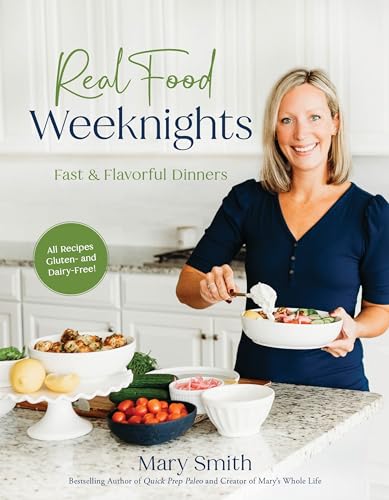
Real Food Weeknights: Fast & Flavorful Dinners

Carnation Breakfast Essentials High Protein Powder

Benefiber Fiber Supplement 760g

Crystal Light Lemon Iced Tea On-The-Go Packets

Super Easy GLP-1 High Protein Cookbook

Low FODMAP Diet Cookbook for Beginners

Super Easy High Protein Low Carb Cookbook
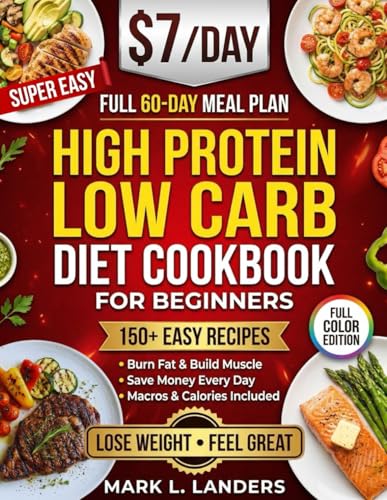
Super Easy High Protein Low Carb Diet Cookbook
More On The Choices That Made The List
Cooking for chronic kidney disease (CKD) usually means poring over nutrient charts and trimming sodium, potassium, and phosphorus from every plate. This cookbook trims that anxiety by tying each recipe to a 30-minute timer, so the work fits a realistic weekday rather than stretching into a weekend project. The 30-day plan element also removes the “what’s for dinner” paralysis that often derails seniors trying to follow a renal-friendly path.
Where it separates itself from a general healthy cookbook is the renal-specific structure, including recipes built around kidney-friendly ingredients and a clear eating roadmap. If you are cooking for a parent or spouse in stage 3 CKD, this reads like a steady hand guiding you through the day, rather than another vague wellness title.
The Good Stuff
- Every recipe clears the 30-minute mark, so dinner lands during the actual dinner hour.
- The 30-day structured plan removes daily guesswork for caregivers and seniors.
- Over 100 recipes give enough variety to keep weeknight fatigue from setting in.
- Renal-friendly ingredient focus respects stage 3 sodium, potassium, and phosphorus limits.
- Beginner-friendly language works for older home cooks new to dietary cooking.
Things To Consider
- Recipes target stage 3 specifically, so caregivers handling later stages may need to adjust portions and protein levels.
- A printed cookbook requires counter space and good lighting, something to plan for in smaller kitchens.
Who Will Love This
Older adults managing stage 3 CKD, plus the family members or caregivers preparing their meals, get the most value here.
Consider Something Else When
Cooks looking for general weeknight variety without a kidney focus may find the Real Food Weeknights title a better fit.
Weeknight cooking earns its reputation when the dishes taste good, the prep is short, and the ingredients don’t involve a specialty-store hunt. Real Food Weeknights leans hard into that simple promise, making it the kind of book that earns a permanent spot on the counter rather than the shelf. The Mary Smith approach treats whole foods as the foundation rather than a marketing buzzword.
It plays well with most diet frameworks, since whole-food dinners can be adjusted for lower sodium, fewer calories, or higher protein depending on your goal. If you’ve bounced off restrictive diet cookbooks before, this one feels refreshingly flexible without pretending rules don’t exist.
Strengths Worth Knowing
- Recipes lean on real, recognizable ingredients that most pantries already stock.
- The weeknight focus means most dishes finish before hangry meltdown hits.
- Whole-food framework flexes around low-carb, calorie-conscious, or high-protein goals.
- Approachable writing keeps beginners from feeling intimidated by unfamiliar techniques.
Points To Note
- It is not diet-specific, so you may need to adapt recipes if you are tracking strict macros or renal limits.
- Family-style portions sometimes need scaling down for single-person households.
Made For
Busy households who want wholesome dinners on the table fast without committing to a single named diet.
Look Elsewhere When
Home cooks on a strict renal, IBS, or GLP-1 protocol will find more targeted support in the kidney, Low FODMAP, or GLP-1 cookbooks on this list.
Breakfast is where most diet plans break first, when schedules get compressed and the toaster starts feeling like too much effort. Carnation Breakfast Essentials sidesteps that problem by turning into a 60-second drink, providing 13 grams of protein when mixed with a cup of fat-free milk. For anyone watching calories or trying to hit a protein floor before noon, that early dose anchors the rest of the day.
The powder format travels well in a shaker bottle or gym bag, so it works equally well on a work-from-home morning or a hurried commute. It comes in classic flavors like vanilla, chocolate, and strawberry, which keeps the routine from feeling like punishment.
The Upside
- Hits 13g of protein per serving with fat-free milk, useful for high-protein diet plans.
- Mixes quickly into milk, water, or smoothies without special prep.
- Flavor options (vanilla, chocolate, strawberry) keep breakfast interesting over time.
- Provides vitamins and minerals alongside protein, supporting overall nutrition.
Some Limits To Know
- Flavor leans sweet, so shoppers avoiding added sugars should check the label carefully.
- Powder can clump in humid storage, so a dry container or sealed bag helps preserve texture.
Key Specs
Best Suited To
Morning commuters and gym-goers who want protein fast without standing over a stove.
Skip It When
Anyone seeking whole-food breakfasts will do better with the Real Food Weeknights cookbook paired with simple morning prep.
Fiber is the unsexy hero of most diet plans, and chasing it through diet alone often means a sad bowl of bran at 7 a.m. Benefiber skips that route by dissolving clear into coffee, juice, smoothies, or even pasta water without altering flavor. The 760g tub stretches to roughly 190 servings, which means one container quietly does the work for months.
The sugar-free, taste-free, and grit-free formulation helps it slide into routines that already exist, rather than forcing you to invent a new one. For shoppers building a sustainable plan, that low-friction fit tends to matter more than headline promises.
Key Advantages
- About 190 servings per container keeps restocking infrequent.
- Sugar-free and taste-free formula won’t fight your drinks or recipes.
- Dissolves clear without thickening, so textures stay intact in coffee or juice.
- Mixes into both hot and cold beverages, useful for varied daily routines.
Worth Bearing In Mind
- Gradual introduction matters, since sudden fiber boosts commonly cause bloating in the first week.
- Powder humidity can cause clumping, so a sealed scoop and dry storage help preserve quality.
Perfect Match For
Coffee and smoothie drinkers who want fiber without chalky residue or flavor interference.
Another Choice May Suit
People chasing macros through whole-food breakfasts may prefer relying on the fiber content built into the Real Food Weeknights cookbook.
Hydration often gets the short end of the stick on diet plans, especially when plain water feels boring and bottled tea carries hidden sugar loads. Crystal Light’s iced tea packets address that with a 60-count multipack of single-serve sticks you can drop into a water bottle anywhere. The result is flavored iced tea without the calories or sugar that usually come with it.
These packets suit office desks, gym bags, and travel days equally well, since the format is self-contained and mess-free. Six boxes of ten packets each keep a household stocked for a couple of months of regular use.
What Earns Its Place
- Single-serve packets travel easily in a purse, lunchbox, or carry-on.
- Zero-sugar formulation fits calorie-conscious and low-carb routines.
- Lemon iced tea flavor offers a refreshing alternative to plain water.
- Bulk 60-count packaging reduces reordering frequency.
Small Caveats
- Sweetened with non-sugar alternatives, so taste-sensitive shoppers should try one box first.
- Powder can settle at the bottom of cold water if not stirred, so a quick shake helps.
Whose Shelf It Belongs On
Office workers and frequent travelers who want flavored drinks without the sugar hit of bottled teas.
Reach For A Different Pick When
Anyone avoiding artificial sweeteners entirely may prefer brewing plain iced tea and using Benefiber for fiber goals instead.
GLP-1 medications such as semaglutide and tirzepatide change how the stomach tolerates food, and many general “high protein” cookbooks ignore that entirely. This Mark L. Landers title addresses the gap with recipes that respect smaller appetites, slower digestion, and the need to protect lean muscle during rapid weight loss. The simple, delicious framing means dinner stays an actual pleasure rather than a clinical task.
Where it stands apart from standard low-carb or calorie cookbooks is the explicit focus on tolerability, with recipes designed not to overwhelm a sensitive GI tract. For anyone losing weight on these medications, that careful pacing matters more than flavor trends.
Good Reasons To Consider
- Recipes are designed around GLP-1 side-effect management, not just calorie counts.
- High-protein emphasis supports muscle retention during weight loss.
- Simple techniques suit beginners and people with low energy after injections.
- Flavor-forward approach keeps mealtime from feeling like medicine.
Room For Improvement
- Highly tuned to medication users, so it offers less value for shoppers without GLP-1 prescriptions.
- Recipes may need slight portion adjustments as tolerance changes over the course of treatment.
Quick Facts
The Right Fit
Adults on GLP-1 medications who want recipes that protect muscle and ease GI side effects.
Where A Sibling Pick Shines
Cooks not using GLP-1 medications may find more everyday value in the Super Easy High Protein Low Carb Cookbook further down this list.
The low-FODMAP diet (short for fermentable oligosaccharides, disaccharides, monosaccharides, and polyols) is a structured elimination plan often recommended for IBS and chronic bloating. Most people bounce off it within a week because the rules feel punishing and the recipes feel sparse. Eleanor Knight’s beginner guide softens that landing by offering more than 200 dishes built around everyday ingredients.
The recipe categories are genuinely useful, covering breakfast, snacks, poultry, red meat, fish, soups, vegetarian mains, salads, smoothies, and desserts. That breadth matters because IBS triggers hide in many corners of the menu, so a wide library reduces the temptation to fall back on unsafe shortcuts.
Bright Spots
- 200+ recipes keep variety high during an otherwise restrictive elimination phase.
- Nutritional breakdowns for every recipe help track calories, protein, fats, and carbs.
- Uses everyday ingredients rather than obscure specialty items.
- Categories span breakfast through dessert, covering the full day.
- Clear instructions suit beginners new to the low-FODMAP approach.
Potential Drawbacks
- Recipes are designed for the elimination phase, so reintroductions need separate guidance.
- The cookbook’s size makes it less portable than a slim paperback.
Who Should Grab It
People with IBS, chronic bloating, or a recent low-FODMAP diagnosis who want recipes that don’t feel like punishment.
Swap It Out When
Shoppers without gut-related symptoms will get broader everyday use from the Real Food Weeknights cookbook earlier in this list.
High-protein, low-carb cooking earns a reputation for being either complicated or joyless, and most cookbooks deserve it. Mark L. Landers’ title pushes back with a “Super Easy” framing that prioritizes time-saving recipes without sacrificing the satiety that makes the diet work. The “Love Every Bite” promise signals a real effort to keep dinner interesting week after week.
It pairs well with the Carnation Breakfast Essentials powder earlier in this list, since morning protein plus a protein-forward dinner closes the loop on a full day. For shoppers running a calorie deficit, that pairing keeps hunger at arm’s length.
Real Benefits
- Time-saving recipes suit weeknights when energy runs low.
- High-protein emphasis supports fullness and muscle retention during fat loss.
- Low-carb framework aligns with keto and insulin-conscious eaters.
- Delicious framing prevents the flavor fatigue common in diet cookbooks.
Less Ideal Details
- Assumes basic pantry stocking with low-carb staples, which may require an initial shopping adjustment.
- Some recipes lean heavily on protein powder or shaker ingredients that not every kitchen keeps on hand.
Feature Snapshot
Built With In Mind
Home cooks chasing fat loss while keeping hunger manageable through protein-forward dinners.
Not Your Match When
Strict renal or IBS eaters may find the Low FODMAP cookbook or the kidney cookbook more suitable for their restrictions.
The newest entry in this roundup sits alongside its sibling title but tilts more explicitly toward beginners and family cooks. Mark L. Landers’ framing promises strength-building, fat-burning, and craving control without the intimidating jargon that scares newcomers off the high-protein low-carb lifestyle. The “Keep your Family Happy” angle means recipes aim to please mixed eaters, not just the dieter.
It works as a strong starting point for households where one person is dieting and others are not, since the dishes translate well to shared plates. For first-time low-carb cooks, that flexibility usually decides whether the plan sticks past week two.
Practical Advantages
- Beginner-focused language eases newcomers into high-protein low-carb cooking.
- Family-friendly recipes allow shared meals without separate preparation.
- Time-saving structure respects busy weeknight schedules.
- Goals span strength, fat loss, and craving control for a well-rounded approach.
Practical Considerations
- Some recipes share themes with the sibling cookbook on this list, so dedicated low-carb hobbyists may want just one.
- Beginner framing means advanced techniques like sous vide or fermenting are not the focus.
Perfect Match For
Newcomers to low-carb eating who want family-pleasing recipes from day one.
A Better Fit Elsewhere
Experienced low-carb cooks chasing more variety will find a deeper recipe bench in the sibling Super Easy High Protein Low Carb Cookbook featured earlier.
Choosing Diet Fast Foods That Actually Fit Your Routine
A diet plan only works when it respects your real schedule, your pantry, and your social life. Start by mapping your typical week honestly: how many nights do you cook, how often do you eat out, and which meals tend to slip first. Cookbooks and supplements that match those pressure points get used; mismatched ones gather dust on the shelf.
Matching the Format to Your Eating Pattern
Different formats solve different problems. Cookbooks work best when you batch-prep or enjoy cooking a few nights per week. Powdered drink mixes and on-the-go packets shine on rushed mornings and travel days, where convenience outweighs plate appeal. Fiber supplements fill nutritional gaps that busy routines leave behind, especially when produce intake drops during travel seasons.
Protein, Fiber, and Hydration Are the Real Levers
Three nutrients do most of the heavy lifting in any sustainable diet: protein for fullness and muscle retention, fiber for satiety and gut regularity, and water for everything from energy to appetite control. Picks that combine a protein-forward cookbook with a fiber supplement and a portable hydration option tend to outperform single-product approaches.
Know Your Restrictions Before You Buy
Renal, IBS, and GLP-1 protocols each have their own non-negotiables that generic “healthy” cookbooks routinely ignore. Shopping for your specific condition saves weeks of frustration and avoids recipes you simply can’t use. The specialized titles on this list exist precisely because mainstream diet advice often misses these edge cases.
Taste and Tolerance Win Over Trends
A plan you won’t follow doesn’t work, no matter how trendy it sounds. Sample flavors before committing to large tubs of powder or big multipacks, and start with smaller print editions of cookbooks if you’re unsure about a new diet framework. Sustainability beats intensity over any meaningful time horizon.
Smart Choices Before You Stock Up
A few small adjustments before checkout save both money and frustration.
Common Shopping Slip Ups
The biggest mistake is buying a cookbook for a diet you haven’t fully committed to yet. Specialty books often go unread when your routine doesn’t actually demand their recipes. A better move is matching the cookbook to your most consistent pain point: rushed mornings, busy weeknights, or persistent digestive issues.
What The Higher Tier Buys
Higher-tier supplements usually buy you better tolerability, fewer additives, or larger serving counts that lower the per-serving cost over time. The trade-off shows up in taste and texture, where premium picks tend to dissolve more cleanly and flavor less aggressively. Whether that upgrade matters depends on whether you’ll actually use the product daily enough to notice the difference.
Frequently Asked Questions
What counts as a diet fast food? Diet fast foods include shelf-stable, quick-prep, and convenience-friendly items that fit common diet frameworks like low-carb, high-protein, renal-friendly, low-FODMAP, or calorie-controlled plans.
How do I pick the right diet fast food for my goals? Start with your most consistent weekly pain point, then match the format to your routine. Cookbooks help when you batch-prep, while powders and packets fit rushed mornings and travel days.
Are powdered drink mixes healthy for daily use? Powdered mixes can fit a balanced plan when they deliver protein, vitamins, or minerals without excessive added sugar. Check the label for sweeteners, ingredient quality, and any additives you prefer to avoid.
Can a cookbook really replace meal-planning apps? A well-organized cookbook often beats an app for beginners, because flipping through physical pages sparks ideas faster than scrolling. Apps help with tracking, but cookbooks drive actual decisions about what to cook.
Do fiber supplements actually help with weight management? Fiber supports fullness and steady energy, which can make calorie control easier. They work best alongside protein-forward meals and adequate hydration rather than as a standalone solution.
