

Switching to whole wheat baking sounds simple until you stand in the baking aisle staring at a dozen bags that all promise the same thing. The truth is, 100 whole wheat flours behave very differently depending on how the wheat was grown, milled, and sifted, and the wrong bag can turn a loaf of bread into a brick. This roundup cuts through the noise with ten specific picks, from nutty pantry staples to nut-based alternatives, so your next bake lands where it should.
A Side-By-Side Look

Bob’s Red Mill Cake Flour, 3lb

Nature’s Eats Blanched Almond Flour, 64 Ounce

Palouse Brand Bread Flour, 3 lb Resealable

King Arthur Whole Wheat Flour, 5 lb

Central Milling Organic Whole Wheat Flour, 25 lb

Bob’s Red Mill Self-Rising Flour, 3lb
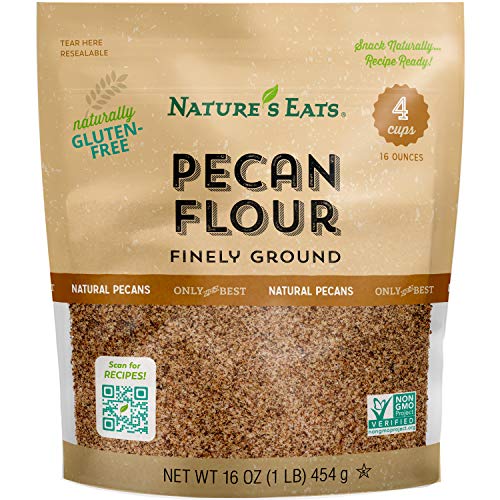
Nature’s Eats Pecan Flour, 16 oz

Bob’s Red Mill All Purpose High Fiber Flour, 3lb

365 Organic Whole Wheat Flour, 80 oz

Nature’s Eats Cashew Flour, 32 oz
A Deeper Look At The Lineup
You reach for cake flour when you want a tender crumb without doing the work of sifting all-purpose at home. This Bob’s Red Mill bag is milled extra-fine, which gives batters a smooth, almost satiny feel that spreads evenly in layer pans and chiffon tins.
For weekend birthdays or a quiet Tuesday sponge cake, the texture is the selling point. Batters whip up light, and finished cakes slice cleanly without crumbling. You may find the protein level lower than bread flour, which is exactly what delicate bakes need.
Where It Excels
- Super-fine grind blends fast into batters with no gritty spots
- Produces tender, airy cakes and muffins that hold their shape
- 3 lb bag is manageable for occasional bakers
- Works well for chiffon, sponge, and angel food recipes
Things To Consider
- Not a 1:1 swap for all-purpose in yeast breads
- Bag can be slow to pour without a canister
Who It Suits Best
Home bakers focused on layer cakes, cupcakes, and light pastries who want consistent results without specialty sourcing.
Look Elsewhere When
You bake mostly sandwich loaves or pizza dough, where the higher-protein King Arthur Whole Wheat Flour will give you better structure.
Almond flour behaves nothing like wheat flour, and that is precisely the appeal when you need a gluten free swap. The blanched style here means the skins are removed before milling, so the flour looks pale and bakes into a soft, even crumb without speckles.
Cookies hold together nicely, and macarons develop that classic smooth top. You will want to combine it with eggs or another binder since there is no gluten structure to fall back on. For anyone avoiding wheat, this 64 oz bag means you are not constantly reordering.
Bright Spots
- Skinless almonds give a clean, pale crumb
- Large 64 oz bag suits weekly bakers
- Mild flavor lets vanilla, chocolate, and citrus shine
Worth Noting
- Higher fat content means quicker staling at room temperature
- Does not work alone in yeast bread recipes
- Tree nut allergen concern for shared kitchens
Key Attributes
Made For
Gluten free home bakers making cookies, quick breads, and macarons who burn through almond flour quickly.
Swap It Out When
You want a nutty low-carb option with a richer flavor, in which case Nature’s Eats Pecan Flour is the better match.
Palouse Brand takes the “where did this come from” question seriously, sourcing from a single Washington state family farm and milling in small batches. The resealable kraft bag is a small touch that keeps the flour fresher between sourdough sessions.
Crumb structure is the standout here, since the high-protein wheat gives dough enough strength to trap gas during long fermentations. You may notice a slightly more pronounced wheat flavor than mass-market flours, which is what whole wheat purists want. Compared to Bob’s Red Mill Cake Flour earlier in this list, this one trades tenderness for chew.
Noteworthy Benefits
- Single-origin, traceable to one family farm
- Strong protein content for chewy sourdough and hearth loaves
- Resealable bag helps preserve freshness between bakes
Honest Caveats
- 3 lb bag runs out quickly for active bakers
- More assertive wheat taste may not suit every recipe
Right Fit For
Sourdough enthusiasts and clean-ingredient bakers who care about sourcing and want strong structure in long-fermented loaves.
Another Choice May Suit
You need a much larger bag for weekly baking, in which case the 25 lb Central Milling Organic Whole Wheat Flour makes more sense.
King Arthur has built its name on consistent flour, and the whole wheat version is no exception. Milled from 100% hard wheat, it carries that classic nutty whole grain flavor without crossing into bitter territory, which is a real win for muffins and sandwich loaves.
The 5 lb size lands in a sweet spot for households that bake a couple of times a week. You can use it in everything from quick breads to yeasted doughs, though you may want to blend it with bread flour for very airy sandwich bread. The honest read is that this is a safe, repeatable choice when you do not want surprises.
Everyday Advantages
- Balanced flavor profile that works sweet or savory
- Reliable performance across many recipe types
- 5 lb bag offers good value for regular bakers
Minor Gripes
- Heavier crumb than white flour in delicate cakes
- Bag, not a canister, so transfers cleanly to a sealed container
Feature Snapshot
Best Suited To
Everyday bakers who want a versatile whole wheat flour for muffins, quick breads, and casual loaves.
Reach For A Different Pick When
You want a certified organic, lower-moisture option for bread machines, where the Central Milling Organic Whole Wheat Flour is a stronger match.
When baking turns from hobby to weekly ritual, small bags become a hassle, and that is where Central Milling steps in. The 25 lb bag is genuinely practical for households running a loaf-a-week schedule, and the organic certification is a real plus for clean-pantry shoppers.
Hi-Pro Fine milling keeps the bran from tearing up gluten development, so doughs feel smoother than typical grocery-store whole wheat. Sourdough, sandwich loaves, and bread machine batches all sit well within its wheelhouse. The trade-off is storage space, since 25 lb of flour does not fit on a standard shelf.
Everyday Wins
- Bulk 25 lb bag lowers cost per bake
- Hi-Pro fine grind supports strong gluten development
- Works across sourdough, sandwich bread, and machines
Room For Improvement
- 25 lb bag demands a dedicated storage container
- Best results assume you bake at least weekly
Quick Facts
Whose Shelf It Belongs On
Active home bakers who go through a bag a month and want organic, high-protein flour without reordering constantly.
Consider Something Else When
You bake occasionally, since King Arthur Whole Wheat Flour in the smaller 5 lb size is a better pace match.
Self-rising flour has baking powder and salt already mixed in, which is the whole point. You skip the measuring spoons and head straight to biscuits, pancakes, and quick muffins on a school morning.
It performs predictably in recipes written specifically for it, and the 3 lb bag fits neatly into a small kitchen cabinet. You may notice the leavening starts to lose potency after several months once the bag is opened, so smaller portions tend to stay fresher. Compared to King Arthur Whole Wheat earlier, this is the quicker, more casual cousin.
Everyday Perks
- All-in-one blend cuts down on ingredient steps
- Reliable for biscuits, pancakes, and quick breads
- Compact 3 lb bag suits small kitchens
Points To Keep In Mind
- Not interchangeable with all-purpose or whole wheat in yeast recipes
- Pre-mixed leavening can lose strength if stored long-term
Who Should Grab It
Busy home cooks and new bakers who want pancakes, biscuits, and muffins without pulling out multiple ingredients.
Not Your Match When
You prefer full control over salt and leavening ratios, in which case 365 Organic Whole Wheat Flour gives you a blank canvas.
Pecan flour is a smaller corner of the flour world, but it earns its spot when you want deep, almost buttery flavor in low-carb baking. The grind here is fine, which keeps it from making gritty pancakes or chunky cookies.
You will get the most out of it in muffins, pie crusts, and shortbread-style cookies where the pecan note can carry. The 16 oz bag is small, which is actually helpful since nut flours go rancid faster than wheat. Storing it cold in the freezer extends its usable life considerably.
Practical Advantages
- Rich, naturally buttery flavor without added fat
- Fine grind blends smoothly into batters
- Works for grain free and keto recipes
Trade Offs
- Higher price per ounce than wheat flours
- Strong flavor can overwhelm delicate recipes
- Tree nut allergen considerations for shared homes
Perfect Match For
Keto and grain free bakers who want richer, more flavorful results than almond flour can deliver.
A Better Fit Elsewhere
You want a neutral nut flour for a wide range of recipes, where Nature’s Eats Blanched Almond Flour is the safer all-rounder.
This blend uses resistant starch, which is a prebiotic fiber that feeds healthy gut bacteria, to boost fiber without making baked goods taste like cardboard. You get more fiber per serving in familiar recipes, which is the kind of upgrade families actually stick with.
Muffins, flatbreads, and pancakes all come out tender, with a flavor close to standard all-purpose flour. You may need to tweak hydration slightly since resistant starch drinks more liquid. Compared to King Arthur Whole Wheat earlier, this one prioritizes fiber content over whole grain flavor.
Points In Its Favor
- Adds prebiotic fiber without gritty texture
- Neutral taste works in sweet and savory baking
- Easy swap for all-purpose in many recipes
A Few Limitations
- Not a whole grain flour, so the nutrition profile is different
- Recipe hydration may need small adjustments
Who Will Love This
Families looking to add fiber to everyday baking without changing the taste of pancakes, muffins, and quick breads.
Where A Sibling Pick Shines
You want a true whole grain experience, where King Arthur Whole Wheat Flour delivers more traditional flavor and nutrition.
The 365 brand fills a clear gap: an organic, USA-grown whole wheat flour at a workable price, in a generous 80 oz bag. Made from dark northern spring wheat, it carries a nutty, slightly sweet profile that holds its own in homemade pizza dough and sandwich rolls.
You will want to store it somewhere cool and dry, since the larger bag means a longer lifespan in your pantry. The flavor leans more robust than milder organic options, which is a plus for hearty loaves. Compared to the bulk Central Milling bag earlier, this is a more accessible size for most households.
A Strong Showing
- Organic and grown on USA family farms
- Distinctive nutty flavor works in bread and pizza
- 80 oz bag balances value with manageable size
Small Caveats
- Stronger flavor may not suit delicate bakes
- Bag, not resealable, benefits from a canister transfer
At A Glance
Built With In Mind
Organic-focused home bakers making pizza dough, rolls, and everyday sandwich loaves on a budget.
Skip It When
You want a smaller, more frequent-use bag, where the 5 lb King Arthur Whole Wheat Flour is a better daily fit.
Cashew flour sits in a useful middle ground between almond and pecan. The flavor is naturally a touch sweeter and less assertive than almond, which makes it a quiet partner in pancakes, waffles, and cookies where you want a neutral base.
The 32 oz bag is a comfortable middle size, fitting neatly in a freezer or pantry. You will get the best results in recipes that already call for a nut flour, since cashews lack the gluten to support a yeasted loaf. Compared to Nature’s Eats Pecan earlier, this is the more understated option in the same product family.
Where It Delivers
- Mild, slightly sweet flavor profile
- Fine grind works smoothly in batters
- 32 oz bag balances value and freshness
Less Ideal Details
- Cannot replace wheat flour in yeast breads
- Tree nut allergen concern for shared kitchens
- Best stored cool to extend shelf life
Right Fit For
Grain free bakers making pancakes, cookies, and quick breads who want a gentler nut flour than pecan or almond.
Where Another Pick Suits Better
You need a high-protein, high-volume flour for traditional bread baking, where Central Milling Organic Whole Wheat is a much better match.
What Matters Most Before Choosing 100 Whole Wheat Flours
Wheat Type And Protein Content
The biggest dividing line among 100 whole wheat flours is the wheat variety itself. Hard red wheat, hard white wheat, and soft wheat all behave differently once hydrated. Hard wheat absorbs more water and develops stronger gluten networks, which is why it works for yeasted loaves, while soft wheat is gentler and better suited to cakes and biscuits. The 100 whole wheat flours in this list span the full range, from Palouse Brand Bread Flour built for sourdough to Bob’s Red Mill Cake Flour designed for airy sponges.
Milled Whole Versus Refined
“100% whole wheat” means the bran, germ, and endosperm all stay in the bag, which is what gives whole wheat its nutritional edge and its bolder flavor. That same bran, though, can interfere with gluten development in some recipes, which is why some bakers blend whole wheat with all-purpose. Whole grain also turns rancid faster than refined flour, so storage matters more than it would for a typical white bag.
Storage, Freshness, And Bag Size
The right bag size depends on how often you bake. A 3 lb bag suits occasional projects, while the 25 lb Central Milling bag rewards weekly bakers with lower cost per bake. For nut flours, smaller bags stored in the freezer often outperform larger pantry bags because the natural oils go stale faster than wheat. You can extend life across the board by decanting into airtight containers, regardless of which pick you choose.
Allergen And Dietary Fit
Nut flours (almond, pecan, cashew) all carry tree nut allergen concerns, which matters for shared kitchens and gift baking. Whole wheat flours are not safe for anyone with celiac disease or gluten sensitivity, even when labeled organic. The High Fiber Flour from Bob’s Red Mill offers a prebiotic boost without going full whole grain, which can be a useful middle path for some households.
Key Considerations Across These Picks
Where Shoppers Go Wrong
A common slip-up is assuming any whole wheat flour can be swapped 1:1 with all-purpose. Whole wheat absorbs more liquid and needs longer resting time for the bran to fully hydrate, so a direct swap often leads to dry, dense results. Another trap is buying the largest bag available without a plan for storage, since flour that sits in a warm, humid pantry loses quality fast. The 100 whole wheat flours in this roundup vary widely in size and grind, so matching the bag to your baking rhythm matters as much as the brand on the front.
When Paying More Pays Off
Premium pricing in this category usually traces back to one of three things: organic certification, single-farm sourcing, or specialty milling. Palouse Brand and Central Milling charge more partly because they verify their supply chain in ways commodity mills do not. Nut flours carry higher prices because the raw ingredient is more expensive, but you also get a richer flavor that lets you use less per bake. Whether the upgrade is worth it depends on how much you value clean sourcing, deeper flavor, and reliable texture in your final loaf.
