

Homebrewing, bulk liquid storage, and small-scale lab work all collide around the same humble container. A good carboy keeps your beer clean, your wine tasting right, and your storage reliable through years of refills. The picks below span glass, HDPE plastic, and specialty shapes, so there’s something here whether you’re racking a mead batch, storing emergency water, or fueling a workshop.
The Picks In Brief

Hudson Exchange 2.5 Gallon Hedpak Container (2 Pack)

FastRack 3 Gallon Glass Carboy for Wine and Beer

Home Brew Ohio Five Gallon Fermentation Set-Up

ePackage Supply Premium Hedpak 5 Gallon Water Container

FastRack Clear Italian 6 Gallon Carboy

FastRack Italian Carboy 5 Gallon
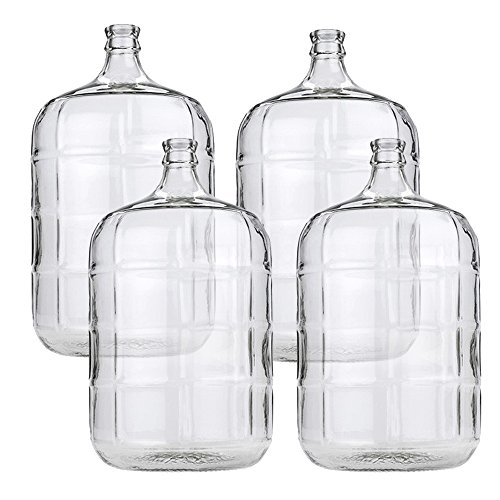
Hengulus 4 x 5 Gallon Glass Carboy Set

North Mountain Supply Glass Carboy Fermenting Jug, 5 Gallons

VP Racing 5.5 Gallon Motorsport Container with Hose

Daitouge 5 Gallon Glass Fermentation Jar with Handles
More On The Choices That Made The List
The Hudson Exchange pair comes in well below 5 gallons each, but that’s actually the point. These food-grade HDPE Hedpaks are designed for people who’d rather split their storage into two stackable jugs than wrestle a single 5-gallon jug around a pantry or workshop. At roughly 9 inches long, 6.25 inches wide, and 14.25 inches tall, they tuck into shelves where taller glass carboys simply won’t fit.
The white polypropylene cap includes a polyethylene foam liner, which forms a tight seal against the 63mm opening. That’s worth paying attention to if you’ve ever lost a batch of stored liquid to a loose lid. The natural translucent HDPE body lets you see the fill level at a glance without making the contents fully clear.
Reasons It Performs
- Two-pack format gives you spare capacity for backup storage or split liquids without buying a second product.
- Square base design supports stable stacking, freeing up floor space in tight closets or shop corners.
- HDPE plastic resists chemical breakdown from soaps, mild acids, and sanitizers commonly used in homebrewing cleanup.
- Cap liner creates a dependable seal for transport, so sloshing in a vehicle is less of a worry.
Things To Consider
- At 2.5 gallons each, you’ll need both jugs combined to hit a standard 5-gallon brew batch.
- HDPE holds light odors longer than glass, so lingering flavors can carry between uses if cleaning slips.
Key Specs
Who It Suits Best
Small-space homebrewers and preppers who want stackable, split-capacity storage and don’t mind working in halves.
Where Another Pick Suits Better
The ePackage Supply Premium Hedpak 5 Gallon Water Container is a better fit for anyone who actually needs a full 5-gallon single container rather than two half-sizes.
Stepping down from 5 gallons can feel like a compromise, but for split-batch brewers and experimental winemakers, a 3-gallon glass carboy is genuinely useful. FastRack’s offering is made from Italian glass with a non-slip base, so it sits steady on a fermentation rack even when the surface underneath isn’t perfectly level.
The clear glass makes monitoring fermentation activity straightforward. You can watch bubbles track through the airlock, spot sediment collecting at the bottom, and visually confirm clarity before racking. Just remember that a #7 stopper is not included, so factor that into your planning.
What It Does Well
- Italian glass construction resists scratching and won’t absorb odors across batches.
- 3-gallon size suits experimental recipes where committing a full 5 gallons feels like too much risk.
- Non-slip base keeps the vessel stable on smooth countertops during active fermentation.
- Clear walls let you track bubbles, sediment, and clarity without opening the seal.
Points To Note
- Stopper sold separately, so the carboy alone isn’t a complete fermentation setup.
- Glass weighs more than plastic, which matters when you need to move a full vessel upstairs or into a cold storage area.
Best Match For
Small-batch homebrewers and curious winemakers who want to test recipes without committing to a full 5-gallon run.
Not Your Match When
Reach for the North Mountain Supply Glass Carboy Fermenting Jug when you want a 5-gallon carboy that comes with stoppers and an airlock already in the box.
Buying each piece of fermentation gear separately is how a lot of people overspend early on. Home Brew Ohio sidesteps that by bundling the essentials into a single set: a 5-gallon carboy for secondary work, a 6.5-gallon food-grade bucket for primary fermentation, plus the bung and airlock that complete the seal. It’s the kind of grab-and-go setup that gets a first batch started the same afternoon.
The bucket handles the messy early stage where krausen, the foamy head that forms on top of fermenting wort, can climb above the liquid line. The carboy takes over for the slower, cleaner secondary stage. The included bung fits the carboy opening and the airlock seats on top, so the seal is consistent across the whole fermentation timeline.
What Earns Its Place
- Complete kit removes the guesswork of matching bung and airlock sizes to the carboy opening.
- Food-grade plastic bucket safely handles primary fermentation, where heavy krausen and active yeast dominate.
- 5-gallon carboy provides adequate headspace for secondary work without risking oxidation.
Trade Offs
- Bucket and carboy are plastic, so long-term odor carryover can happen if cleaning routines slip between batches.
- Starter accessories are functional rather than premium, and serious brewers often replace the airlock within a few years.
Feature Snapshot
Right Fit For
First-time homebrewers who want every essential component in a single purchase without hunting through separate listings.
Skip It When
Pick the Hengulus 4 x 5 Gallon Glass Carboy set if you’d rather invest in glass vessels from the start and run multiple batches in parallel.
This is the kind of jug that earns its keep over years of refills rather than months. The ePackage Supply Hedpak is built from heavy-duty, BPA-free HDPE, and the 70mm screw-cap opening is wide enough to skip a funnel when you’re filling from a tap or dumping in ice for a brew day. The vented handle with a separate cap is the underappreciated feature, since it lets air in as liquid pours out, giving you smoother, more controlled flow instead of the glug-and-splutter effect.
The square base is the storage hero here. Round jugs waste space on shelves, but this one stacks and slides into corners without rolling. At 9.75 inches per side and 14.5 inches tall, it fits comfortably in a closet, truck bed, or workshop alcove. It’s BPA-free and food-grade, so it’s safe for potable water, brewing, and fermentation work.
Notable Gains
- Wide 70mm opening speeds up filling, cleaning, and sanitizing without a funnel.
- Vented handle with cap controls pour speed, which matters for brewing transfers and measuring.
- Square footprint saves shelf space and prevents the jug from rolling in transit.
- BPA-free food-grade HDPE is safe for potable water, juices, and brewing applications.
Honest Caveats
- Translucent body shows fill level but isn’t fully clear, so visual fermentation monitoring is limited.
- Single-pack format, so spares mean a second purchase rather than a built-in backup.
Who Will Love This
Bulk water storers, homebrewers who want a durable secondary vessel, and preppers building out a long-term liquid rotation.
Look Elsewhere When
The Hudson Exchange 2.5 Gallon Hedpak Container (2 Pack) makes more sense for anyone who wants paired smaller jugs instead of a single large container.
A 6-gallon carboy sounds modest until you remember that kombucha SCOBYs (symbiotic cultures of bacteria and yeast that float at the top of fermenting tea) and high-gravity beer batches foam up aggressively. The extra gallon of headroom compared to a standard 5-gallon vessel can be the difference between a clean fermentation and a sticky blow-off hose situation.
FastRack builds this one from Italian glass, the same proven material used across their brewer-focused line. The clear walls make it easy to spot when active fermentation slows down and when sediment has settled enough for racking. The non-slip base keeps it planted during the more turbulent early stages of fermentation.
Useful Highlights
- 6-gallon capacity provides headroom for krausen-heavy beers and active kombucha cultures.
- Italian glass resists scratching and holds up to repeated sanitization cycles.
- Non-slip base adds stability on smooth fermentation racks.
- Clear construction allows direct visual monitoring of clarity and sediment levels.
Room For Improvement
- At full capacity with liquid, the glass weight adds up fast, so plan a stable spot before filling.
- Stopper and airlock are not included and must be sourced separately to complete the setup.
Made For
Kombucha brewers, mead makers, and high-gravity beer fans who need extra headroom beyond a standard 5-gallon carboy.
Swap It Out When
Pick the FastRack Italian Carboy 5 Gallon for a more standard batch size where the extra gallon of headroom isn’t necessary.
The FastRack 5-gallon Italian glass carboy is the kind of workhorse that has held a place in homebrewing setups for years. It’s the right size for standard batch recipes and gives you the visual monitoring benefits that glass offers over plastic. The non-slip base keeps the vessel planted, and the reusable nature of glass means it can serve multiple batches across many seasons.
One thing worth knowing: a visible mold line along the side is a normal part of the glass-blowing process and doesn’t affect the structural integrity of the carboy. That detail is easy to overlook in product photos, so it can catch first-time buyers off guard when they unbox it.
What Pays Off
- Italian glass provides a non-porous surface that resists odor absorption and scratching.
- 5-gallon size matches standard homebrew recipes without complicated math.
- Reusable design supports years of fermentation cycles with proper care.
Points To Keep In Mind
- Fits a #7 stopper, but the stopper itself isn’t included with the carboy.
- Glass weight requires careful handling, especially when full, and a secure storage location.
Best Suited To
Standard homebrew batches where the visual monitoring of glass is preferred over plastic and headroom demands are moderate.
Consider Something Else When
The FastRack Clear Italian 6 Gallon Carboy suits kombucha brewers and high-gravity beer makers who need extra headroom beyond a standard 5-gallon vessel.
Buying carboys one at a time gets old fast once you’re running rotating batches. Hengulus sells four 5-gallon glass carboys in a single package, which works out cheaper per jug and gives you room to run parallel fermentations. If you’ve ever wanted a lager aging in one vessel while a pale ale conditions in another, this set makes that schedule realistic.
Glass is the material of choice for serious brewers because it doesn’t scratch or hold residual odors the way plastic does. Sealing options include a small universal stopper or a standard 6.5 rubber stopper, both of which are easy to source through homebrew supply shops. Handle glass with care, and these vessels can serve for decades.
Where It Helps
- Four-vessel bundle supports parallel fermentation schedules and batch rotation.
- Glass construction won’t absorb flavors or odors across varied batches.
- Airtight seal with a standard 6.5 rubber stopper suits common homebrew hardware.
Practical Considerations
- Four full glass carboys are heavy and require dedicated, stable storage space when not in use.
- Stoppers are not included, so additional purchases are needed before the first batch.
Whose Shelf It Belongs On
Active homebrewers running multiple styles in parallel who want glass vessels without buying them one at a time.
Reach For A Different Pick When
The North Mountain Supply Glass Carboy Fermenting Jug, 5 Gallons is a better match for brewers who want a single carboy with stoppers and an airlock bundled in.
The North Mountain Supply jug stands out because it ships as a complete starter rather than a bare vessel. The package includes both drilled and undrilled rubber stoppers, plus a 6-bubble airlock, which means you can start a batch the moment the carboy arrives. The 5-gallon size matches standard homebrew recipes, and the Italian glass construction handles repeated sanitization cycles without scratching or holding residual flavors.
Clear walls give you a real-time view of fermentation activity, and the larger 5-gallon capacity suits mead, cider, wine, and beer projects at standard batch sizes. The molded glass base provides stability during active fermentation when bubbles are moving the liquid around.
Where It Excels
- Complete kit includes drilled and undrilled stoppers plus a 6-bubble airlock.
- Italian glass construction suits large-batch wine, beer, cider, and mead projects.
- Clear walls let you track fermentation activity and clarity visually.
Some Limits To Know
- Glass weight requires careful handling when full, and a stable, level storage surface is essential.
- Single-vessel format means running parallel batches still requires additional purchases.
Who Should Grab It
Homebrewers who want a single 5-gallon carboy with the sealing hardware included and no extra shopping required.
A Better Fit Elsewhere
The Hengulus 4 x 5 Gallon Glass Carboy Set suits brewers who want multiple vessels in one purchase for parallel fermentations.
Stepping away from brewing, the VP Racing motorsport container is built for a completely different kind of workshop. The 5.5-gallon HDPE jug is engineered for non-fuel storage: automotive fluids, non-potable water, animal feed, and outdoor supplies. The included 14-inch deluxe hose makes controlled dispensing into tight-fill openings realistic without tipping the whole jug.
The even-density plastic construction in high-stress areas prevents the cracking and deformities that plague cheaper utility jugs. Worth knowing: this is a non-fuel container, so don’t use it for gasoline or kerosene. The white color also helps you spot contamination or residue on the inside walls during cleaning.
A Few Strong Suits
- Reinforced HDPE construction handles rough garage and workshop environments.
- Included deluxe hose supports controlled dispensing into small-fill openings.
- 5.5-gallon capacity suits common automotive fluid and outdoor material volumes.
Where It Is Less Suited
- Not rated for gasoline or kerosene, so it won’t replace a traditional fuel jug.
- Not food-grade, so this is a workshop and garage vessel rather than a brewing or kitchen tool.
Perfect Match For
Garage owners, farm operators, and workshop users who need a durable utility jug for non-potable fluids and outdoor materials.
Where A Sibling Pick Shines
The ePackage Supply Premium Hedpak 5 Gallon Water Container is the better choice for anyone needing food-grade storage for potable water or brewing applications.
Stainless handles on a 5-gallon glass jar sound like a small detail until you’ve tried to lift a full carboy without a firm grip. The Daitouge jar integrates those handles into the design rather than treating them as an afterthought, which makes a real difference when transferring finished product or moving a heavy vessel during cleanup.
The wide mouth simplifies hand-cleaning, which matters because glass vessels need thorough scrubbing to keep fermentation residue from carrying into the next batch. The airtight seal supports both active fermentation and dry storage for grains, coffee, or pet food, giving the jar a second life beyond the brew room.
The Helpful Details
- Stainless steel handles provide a secure grip for lifting and pouring when full.
- Wide mouth allows hand-cleaning access without specialty brushes.
- Airtight seal supports both fermentation and dry storage of grains or coffee.
Less Ideal Details
- Glass and stainless combination adds weight compared to plastic carboys.
- Specialty format may require sourcing a compatible lid or gasket depending on intended use.
Built With In Mind
Homebrewers and bulk-storage shoppers who want a 5-gallon glass vessel that’s easier to handle and clean than a traditional narrow-neck carboy.
Another Choice May Suit
The Daitouge is the ergonomic standout, but brewers who prefer a traditional narrow-neck carboy should look at the FastRack Italian Carboy 5 Gallon instead.
What Matters Most Before Choosing 5 Gallon Carboys
Glass vs HDPE: The Core Trade-Off
The first real decision is material. Glass carboys like the FastRack and North Mountain Supply options are non-porous, so they resist scratching, won’t absorb odors across batches, and let you monitor fermentation visually. The trade-off is weight and fragility. A full 5-gallon glass carboy is genuinely heavy, and a drop on concrete means broken glass and lost product. HDPE plastic, like the ePackage Supply Hedpak and the Hudson Exchange pair, weighs much less and won’t shatter, but it can hold light odors if cleaning slips between uses.
Capacity and Headroom
Standard homebrew recipes assume 5 gallons, but not every batch needs that volume. Smaller experimental runs fit a 3-gallon carboy, while kombucha and high-gravity beers benefit from the extra headroom of a 6-gallon vessel. Headroom matters because active fermentation produces foam and CO2 that need space to expand without pushing the airlock loose.
Stopper and Airlock Compatibility
A carboy alone isn’t a complete fermentation setup. Most glass carboys accept a #7 stopper or a 6.5 rubber stopper, and the airlock sits on top. Some products, like the North Mountain Supply jug, bundle these accessories. Others, like the FastRack glass carboys, require separate purchases. Factor the cost and time of sourcing those pieces into the total commitment.
Intended Use Beyond Brewing
Not every 5-gallon carboy in this list serves the same purpose. The VP Racing motorsport jug is built for garage and workshop fluids, not food. The Daitouge wide-mouth jar doubles as dry storage for grains and coffee. The Hudson Exchange and ePackage Supply Hedpaks handle bulk water, juices, and non-corrosive liquids. Matching the container to the actual use case avoids the disappointment of buying a brewing vessel for a plumbing job or vice versa.
Key Considerations Across These Picks
Pitfalls Shoppers Hit
First-time buyers often focus on the carboy itself and forget the sealing hardware, which leads to a frustrating second shopping trip before the first batch can start. Another common slip is choosing glass for a workspace where it isn’t safe. If your fermentation area has hard floors, narrow walkways, or pets that bump into things, a heavy glass carboy becomes a liability. HDPE is the more forgiving option in those environments. Stopper sizing is the third pitfall: a #6 stopper won’t seal a carboy designed for a #7, and the wrong fit can leak CO2 or let oxygen in.
When Paying More Pays Off
Higher-tier glass carboys earn their premium through thicker walls, more consistent molding, and tighter quality control, all of which reduce the risk of stress fractures during temperature swings. Bundled kits like the North Mountain Supply jug and the Home Brew Ohio set cost more upfront but eliminate the time and guesswork of sourcing stoppers, airlocks, and buckets separately. For brewers who run multiple batches per year, that convenience adds up across seasons. Premium HDPE options like the ePackage Supply Hedpak justify their cost with wider openings, vented handles, and BPA-free construction that holds up to repeated sanitization cycles without warping.
Frequently Asked Questions
What size stopper do I need for a 5-gallon glass carboy?
Most 5-gallon glass carboys accept a #7 rubber stopper, though some accept a 6.5 rubber stopper instead. Check the product listing for the exact size before purchasing sealing hardware, since the wrong size won’t seat properly and can leak CO2 during active fermentation.
Can I use a plastic carboy for wine and kombucha?
Yes, food-grade HDPE carboys work for wine, kombucha, and mead, though the plastic can hold light odors across batches if cleaning slips. Glass is the more neutral option for sensitive flavors, but HDPE holds up well for most homebrew applications with regular sanitization.
How do I clean a glass carboy without a bottle brush?
A wide-mouth jar like the Daitouge allows hand-cleaning access. For narrow-neck carboys, soak the vessel in a sanitizing solution, then rinse thoroughly. A PBW or similar oxygen-based cleaner helps break down residue without requiring direct scrubbing inside the neck.
Is a 5.5-gallon jug the same as a 5-gallon carboy?
Not exactly. A 5.5-gallon container like the VP Racing motorsport jug offers slightly more capacity, but it’s typically built for utility and workshop use rather than brewing. For homebrew applications, choose a true 5-gallon vessel unless you specifically need the extra headroom.
How heavy is a full 5-gallon carboy?
A full glass carboy weighs around 45 to 50 pounds, while a full HDPE carboy weighs slightly less at roughly 42 to 45 pounds. Plan a stable storage location before filling, and consider vessels with handles, like the Daitouge jar, if you need to move the container often.
The Takeaway
The right 5 gallon carboy depends on what you’re actually storing or fermenting. Glass delivers the cleanest, most neutral environment for brewing, HDPE wins for portability and impact resistance, and specialty containers like the VP Racing jug serve utility needs that brewing vessels can’t. Match the material and capacity to your real use case, factor in the sealing hardware, and pick a vessel that fits the space you have available.
