

Stocking a serious home bakery, a small café, or a school kitchen on 5-pound sacks means constant reordering. Bulk flour is the practical answer, but the differences between 50-pound bags of flour run deeper than the label. Protein content, milling style, and the wheat class all change how dough behaves in your hands.
This roundup covers the most useful 50-pound options and a few specialty 3- and 5-pound companions worth knowing about. Each pick is judged on milling consistency, the recipes it actually suits, and the trade-offs that come with buying flour in volume.
The Shortlist At A Glance

Wheat Montana Prairie Gold Hard White Spring Wheat Berries, 50 lb

Orchard Hill King Arthur Sir Galahad 50 lb


Bob’s Red Mill Self-Rising Flour 3 lb

King Arthur Special 50, 800 Ounce

Wheat Montana Bronze Chief Hard Red Spring Wheat Berries, 50 lb
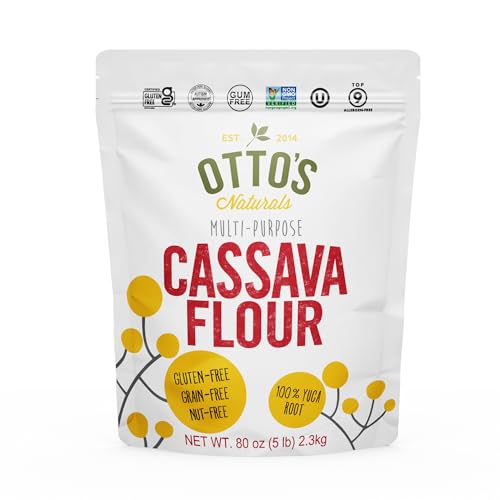
Otto’s Naturals Multi-Purpose Cassava Flour 5 lb

Bob’s Red Mill High Fiber Flour 3 lb

King Arthur Special Patent Flour 50 lb
King Arthur Artisan Select Organic 50 lb
The Picks, Examined More Closely
Hard white spring wheat sits in a useful middle ground between refined all-purpose flour and traditional red wheat. The bran layer is lighter in color and milder in flavor, so loaves bake up softer than the rustic loaves most people picture when they hear “whole wheat.” You still get the full germ and bran, which means more fiber and nutrients than any sifted product on this list.
For a home baker exploring bulk whole wheat for the first time, this bag offers an approachable entry point. You can mill it at home for maximum freshness or send it through a stand-mixer grinder. In our view, beginners easing into whole grain baking get the most out of this pick.
Useful Highlights
- Mild, slightly sweet whole wheat flavor that does not overpower honey or fruit add-ins
- Higher protein than standard whole wheat, supporting better rise in yeast doughs
- Whole berries store far longer than pre-milled flour, reducing waste
- 50-pound quantity is well suited to home milling enthusiasts who bake weekly
Points To Keep In Mind
- Requires a home mill to use as fresh flour, which is an added investment
- Whole berry form needs a cool, dry storage bin to keep insects away over months
- Heavier than a typical grocery bag, so the package can be awkward to lift onto a high shelf
Best Suited To
Home bakers who own a grain mill and want a milder, lighter whole wheat for everyday sandwich loaves and rolls.
Look Elsewhere When
The Orchard Hill 50 Pound Pack of King Arthur Sir Galahad suits you better if you want a ready-to-use high-protein flour for artisan breads without owning a mill.
Sir Galahad is the artisan all-purpose flour many small bakeries reach for, and this 50-pound sack brings that professional option into a serious home setup. The protein content lands around the high end of all-purpose territory, so it handles bread doughs and laminated pastries with equal confidence.
You may find the openness of the bag worth weighing if you bake in a humid climate. Repackaging into a sealed food-grade bucket is a common workaround shared by sourdough hobbyists who buy this flour. For bakeries running a weekly loaf program, this is a comfortable volume to keep on hand without constant reordering.
A Favorable Mix
- Versatile protein level that bridges bread and pastry without compromise
- Trusted King Arthur milling quality at a food-service price point
- Milled from hard red winter wheat, giving dough a strong gluten network
- Reliable performance in long, cold fermentations and preferments
Worth Noting
- Food service packaging is non-returnable once opened, so storage planning matters
- Protein level is high for cookies or tender cakes, where a softer flour would behave better
- Bag has no built-in handle, which can complicate lifting 50 pounds from a low shelf
Key Specs
Whose Shelf It Belongs On
Small bakery owners and serious home bakers who want one bulk flour that handles breads, pizzas, and laminated pastries with consistent results.
A Better Fit Elsewhere
Pick Wheat Montana Bronze Chief Hard Red Spring Wheat Berries instead if you want even higher protein for traditional sourdough fermentation.
Cake flour is a different animal from the all-purpose and bread flours in this list. It is milled extra fine and has a lower protein content, which is exactly what you want for sponge cakes, chiffon, and angel food where tenderness matters more than chew. The Bob’s Red Mill version is widely available in a 3-pound bag, which is the practical size for most home bakers who do not run a patisserie.
That small size is also the honest limitation. This pick is included because cake flour deserves a place in any thoughtful pantry, but it is not a 50 lb bag. The shorter shelf life once opened means the smaller pack is the right call for occasional cake baking.
What Makes Sense
- Super-fine grind produces silky, lump-free batters
- Trusted Bob’s Red Mill reputation for consistent milling
- 3-pound size is manageable for occasional cake bakers
- Pairs well with chocolate and citrus flavors without competing
Honest Caveats
- Not a substitute for all-purpose flour in bread or pizza dough
- Smaller pack means more frequent reordering for high-volume bakers
- Costs more per pound than bulk all-purpose flour
Who Should Grab It
Home bakers who want a reliable cake flour for birthdays, holiday baking, and the occasional chiffon or angel food cake.
Reach For A Different Pick When
The King Arthur Special Patent Flour suits you better if you want a 50-pound bulk option for cookies and pastries in a working kitchen.
Self-rising flour takes a step out of biscuit, pancake, and quick-bread recipes. Baking powder and salt are already blended in, measured for standard home recipes, so you can scoop and mix without reaching for a second container. Bob’s Red Mill’s version leans on the same reliable milling that built the brand’s reputation.
You will not use this for bread, so it lives next to the cake flour in a thoughtful pantry rather than the bread shelf. For a busy household making weekend pancakes or Tuesday-night biscuits, the convenience is genuine, and a 3-pound bag keeps things fresh.
Positive Takeaways
- Pre-measured leavening and salt speed up quick breads and biscuits
- Consistent rise from batch to batch, reducing the guesswork
- Compact 3-pound bag fits easily in a small kitchen
- Useful for baking with kids who want fewer steps
Small Caveats
- Not interchangeable with all-purpose flour in yeasted recipes
- Once opened, the leavening loses potency over many months, so use it within a reasonable window
Made For
Home cooks who bake biscuits, pancakes, muffins, and quick breads regularly and want a faster, simpler workflow.
Swap It Out When
Bob’s Red Mill Cake Flour fits better if your primary baking project is a layer cake rather than a biscuit tray.
King Arthur has been the reference name in American baking flour for decades, and the Special 50 is its workhorse bulk bag at 50 pounds. The protein content sits in a comfortable middle ground, and the milling consistency is what professional bakers have come to expect from the brand. It is a safe pick for a kitchen that needs to produce loaves, rolls, and pizza dough from a single bag.
The honest read is that this is a steady, predictable flour rather than a specialized one. If your recipes call for very high protein or very low protein, you will outgrow it eventually. For most home bakers moving into bulk buying, though, it is a low-risk starting point.
Everyday Perks
- Consistent protein from bag to bag, which builds recipe confidence over time
- Versatile enough for breads, rolls, pizza, and many cookie recipes
- King Arthur’s quality control is widely respected in the baking community
- 50-pound volume reduces how often you reorder for an active kitchen
Trade Offs
- Food service bag is non-returnable once the seal is broken
- Not specialized, so it cannot match the strength of hard red spring for sourdough
- Bulk packaging has no internal liner, so a clean food-grade bin is recommended
Feature Snapshot
Right Fit For
Busy home kitchens, community baking programs, and small food businesses that need a reliable all-purpose bulk flour for varied menus.
Where A Sibling Pick Shines
Wheat Montana Bronze Chief Hard Red Spring Wheat Berries fits better for bakers who need the extra protein strength of a true spring wheat.
Hard red spring wheat is the traditional choice for bakers who want serious gluten development. Protein content tends to run higher than hard red winter wheat, which gives sourdough and yeasted breads a chewier crumb and stronger oven spring. Bronze Chief from Wheat Montana is a non-GMO option that has earned a quiet following among whole-grain bakers.
Like the Prairie Gold wheat berries earlier in this list, this comes as whole berries, not pre-milled flour. You will need a home mill to convert it. The flip side is shelf life: whole berries keep their quality for far longer than milled flour, so a 50-pound bag is a reasonable commitment.
The Value In It
- Higher protein than most hard red winter flours, ideal for chewy sourdough
- Non-GMO wheat from a single-source Montana farm
- Whole berries preserve nutrients and flavor until you mill them
- 50-pound bag supports long-term whole-grain baking programs
Things To Weigh Up
- Requires a home grain mill to use as fresh flour
- Stronger flavor than white flour, which can take getting used to in mild bakes
- Bulk berries demand airtight storage to keep moisture and pests out
Perfect Match For
Sourdough enthusiasts and whole-grain bakers who want the highest-protein spring wheat for traditional hearth loaves.
Not Your Match When
The Orchard Hill King Arthur Sir Galahad 50-pound pack fits better if you want pre-milled flour and a more neutral flavor profile.
Cassava flour is the wheat-free answer for households that cannot do gluten, grains, or nuts. Otto’s Naturals is a long-standing name in the cassava space, and this 5-pound bag is a practical middle-ground size, larger than a starter bag but lighter than the 50-pound wheat options elsewhere in this roundup.
It behaves differently from wheat flour in dough, so recipes need adjusting. You may find that the texture is closer to wheat than many gluten-free alternatives, which is why it has earned a following among paleo and allergen-free bakers.
The Helpful Details
- Made from 100% cassava, free from the top nine common allergens
- Wheat-like taste and texture compared to most gluten-free flours
- Works across pancakes, waffles, cookies, and pizza crusts
- 5-pound bag is a comfortable size for trying new recipes
Possible Compromises
- Does not behave like wheat flour in yeasted bread without recipe adjustments
- More expensive per pound than wheat-based flours
- 5-pound bag is bulk for a gluten-free kitchen but small relative to 50-pound wheat bags
Who It Suits Best
Gluten-free, paleo, or allergen-conscious bakers looking for a versatile flour that handles a wide range of recipes in a home kitchen.
Consider Something Else When
Wheat Montana Prairie Gold Hard White Spring Wheat Berries fits you better if your household eats wheat without restriction and you want a whole-grain option.
High fiber flour is built for bakers who want to sneak more nutrition into everyday bakes. Bob’s Red Mill’s version uses resistant starch, a prebiotic fiber that feeds gut bacteria, while still behaving a lot like all-purpose flour. The 3-pound bag keeps it approachable for home bakers who want to try it across multiple recipes before committing larger.
One thing worth considering: this is a newer product, so published recipe libraries are still growing. You will likely have the best luck adapting your existing all-purpose recipes rather than searching for branded ones.
What Helps Most
- Adds prebiotic fiber to everyday bakes without changing the workflow
- Tastes similar to all-purpose flour, easing the transition
- Trusted Bob’s Red Mill milling quality
- Useful in muffins, flatbreads, and quick loaves where fiber boost matters most
A Few Limitations
- 3-pound bag runs out quickly for high-volume bakers
- Recipe-specific guidance is still limited compared to traditional flours
- Higher cost per pound than standard all-purpose flour
Built With In Mind
Health-conscious home bakers who want to lift the fiber content of everyday bakes without sacrificing taste or texture.
Skip It When
King Arthur Special 50 in the 50-pound bag fits better if you want a larger bulk buy and a more traditional flour profile.
Patent flour is milled from the innermost part of the wheat berry, which produces a softer, whiter, lower-protein flour than standard all-purpose. King Arthur’s Special Patent is a long-time favorite for cookies, pound cakes, and tender pastries where you do not want gluten strength to fight you. In a 50-pound sack, it makes sense for a small bakery that churns through pastry production.
For a home baker, this is a specialty buy. If your kitchen runs mostly on breads, you will be happier with Sir Galahad from earlier in this list. For high-volume cookie or cake work, the soft protein content is the whole point.
Well-Handled Touches
- Soft, low-protein profile ideal for cookies, pound cakes, and biscuits
- Trusted King Arthur quality at food-service scale
- Produces a finer, more tender crumb in delicate bakes
- 50-pound volume suits working pastry kitchens
Where It May Fall Short
- Lower protein means weaker structure in yeasted bread and pizza dough
- Food-service bag is non-returnable once opened
- Specialty flour that does not pull double duty like an all-purpose
The Right Fit
Pastry-focused home bakers, bakeries, and cookie producers who need bulk volumes of soft, low-protein flour for tender bakes.
Another Choice May Suit
The Orchard Hill King Arthur Sir Galahad 50-pound pack is a better match if you want a single flour that handles both bread and pastry.
Organic flour is its own category for households and bakeries that prioritize certified-organic sourcing. The Artisan Select line is built on hard white wheat, which gives it a milder color and flavor than red wheat options, while keeping the organic certification that some shoppers specifically look for.
Like all bulk 50-pound options, the unsealed bag is non-returnable, so you will want your storage container ready before delivery arrives. In our view, this is the right bag for an organic-only household that bakes hearth loaves often enough to use it before the quality drifts.
Strong Points
- Certified organic hard white wheat for shoppers who require it
- Mild flavor and lighter color compared to red wheat flours
- Works well for crusty hearth breads and artisan loaves
- Bulk 50-pound size fits committed organic bakers
Some Limits To Know
- Higher cost per pound than non-organic alternatives
- Non-returnable once the food-service bag is opened
- Single wheat class means less flexibility than a multi-flour rotation
Who Will Love This
Organic-only home bakers and small bakeries committed to certified organic ingredients for their artisan bread programs.
Where Another Pick Suits Better
Wheat Montana Prairie Gold Hard White Spring Wheat Berries fits better if you want a milder whole wheat berry without the organic certification requirement.
What To Know Before Stocking Up On Bulk Flour
Bulk flour is a real commitment, and a few decisions up front save frustration later. Start with the wheat class, since that drives gluten strength and flavor. Hard red wheat is your bread and high-structure dough choice. Hard white wheat gives a milder taste with similar strength. Soft wheat, including pastry and cake flours, is what you want for tender baked goods.
Protein content, listed on most bags, is the next number to read. Anything around 11 to 12 percent works across a wide recipe range. Bakers focused on chewy sourdough or pan loaves tend to reach for flours at 12 percent or higher. Tender bakes like cakes and cookies are happier with protein in the 8 to 10 percent range.
Storage matters more than most new buyers expect. Whole berries last longest because the germ and bran stay protected until milling. Milled flour in a paper bag benefits from a sealed food-grade bin in a cool, dry spot. Once opened, all flour starts losing quality, so plan your volume to match how fast you actually bake.
For home bakers new to bulk buying, the safest first move is a versatile all-purpose or bread flour in a 50-pound bag, paired with a smaller bag of cake or self-rising flour for the occasional specialty bake. That gives you range without overcommitting before you know your real weekly baking rhythm.
Common Shopping Slip Ups
Bigger is not always better, and the cheapest bulk bag is not always the best value. Buyers who jump straight to a 50-pound sack without considering storage often end up with stale flour in a damp garage, which wastes the savings. Measure your pantry space and your actual baking volume before ordering.
Another trap is choosing the wrong wheat class for your recipes. All-purpose flour is genuinely versatile, but it cannot match the strength of hard red spring for traditional sourdough, and a soft pastry flour will let you down in a yeasted loaf. Match the wheat to the bake, not the other way around.
Where The Extra Money Goes
Higher-tier flours in this category earn their price through tighter protein specifications, harder wheat varieties, and stricter milling consistency. That matters in a working bakery where dough behavior has to be predictable from one bag to the next. For a casual home baker, the difference is smaller, and a versatile all-purpose may be all you need.
The upgrade is worth it when you bake the same recipes often enough to notice small variations, when you ferment doughs for many hours, or when organic certification is a hard requirement. Otherwise, a standard King Arthur or Orchard Hill bulk bag is the more practical call.
Frequently Asked Questions
How long does a 50 lb bag of flour last? Unopened milled flour in a sealed bag typically stays at good quality for several months when stored in a cool, dry place. Once opened, plan to use it within roughly six months for the best flavor, and store it in a sealed food-grade container to keep moisture and pests out.
What’s the difference between hard red and hard white wheat? Hard red wheat has a stronger, more traditional whole wheat flavor and a darker color. Hard white wheat offers similar protein and gluten strength with a milder taste and lighter crumb, which is why many artisan bakers prefer it for hearth loaves.
Can all-purpose flour replace bread flour? For most home recipes, yes, though the result may be slightly less chewy. Higher-protein bread flours develop more gluten, which gives a stronger structure in yeasted doughs and sourdough. All-purpose still works; it just produces a more tender crumb.
Is bulk flour cheaper per pound? Generally, yes. Buying 50 lb bags of flour usually lowers the cost per pound compared to smaller retail bags, and the savings grow the more you bake. The trade-off is storage space and the need to use it within a reasonable window.
Do I need to refrigerate bulk flour? Refrigeration is not required, but a cool, dry, sealed container helps extend shelf life. In hot or humid climates, refrigeration or a cool basement can slow the loss of freshness, especially for whole wheat flours that contain the germ.
Bottom Line
The right 50-pound flour comes down to the bake you make most often and the storage you have at home. Pick the wheat class and protein level that match your routine, and start with a single bag to learn how fast you actually use it. Once you have a feel for your real weekly volume, expanding into a second flour or a specialty option gets much easier.
