

The world of baking flour has moved well past the plain all-purpose bag on the grocery shelf. Ancient grains like spelt, amaranth, and quinoa are showing up in sourdough, pizza dough, and even frying batters, giving bakers and home cooks a wider flavor and nutrition palette. Picking the right flour comes down to how you bake, what you bake, and how you want your finished crumb to feel.
A Snapshot Of The Selections

Wheat Montana Natural White Flour 2-Pack 5lb

Mulino Caputo 00 Pizzeria Flour 1kg (Pack of 4)

Antimo Caputo Chef’s Flour 2.2 lb Case of 10

Bob’s Red Mill Cake Flour 3lb

King Arthur Bread Flour Unbleached 5 lb
Antimo Caputo Chefs Flour 2.2 lb (Pack of 10)

Bob’s Red Mill Spelt Flour 22oz 4-Pack

Bob’s Red Mill Self-Rising Flour 3lb

Bob’s Red Mill All Purpose High Fiber Flour 3lb
Gluvana Gluten-Free Flour with Amaranth & Quinoa
Inside Each Recommended Option
If you go through flour like a small bakery, Wheat Montana’s twin 5-pound bags are a sensible workhorse for everyday baking. The flour is unbleached and unbromated, which means it skips the chemical whitening process some commercial brands rely on, leaving a slightly creamier color and a more natural wheat flavor.
You won’t get a specialty flour here; this is a clean all-purpose option that handles pancakes, cookies, roux, and bread without complaint. It pairs nicely with the more specialized picks below when you need a reliable base flour for blending.
Strong Points
- Two 5-pound bags mean fewer emergency grocery runs during heavy baking weeks
- Unbleached and unbromated for bakers avoiding chemical whitening
- Sturdy, resealable packaging helps keep pests and moisture out of the pantry
- Identity-preserved non-GMO grains offer a traceable farm-to-table story
Trade Offs To Consider
- Ten pounds of flour takes a real storage commitment, which may be more than a casual baker needs
- It’s a general-purpose flour, so it won’t deliver the chewy bite of a true bread flour or the stretch of an Italian 00
Key Specs
Who It Suits Best
High-volume home bakers and busy families who run through all-purpose flour weekly and want fewer restocking trips.
Where Another Pick Suits Better
For dedicated sourdough bakers craving loftier loaves, King Arthur Bread Flour’s higher gluten content is the stronger fit.
Caputo’s 00 flour, the type “00” referring to the finest Italian milling grade, is a finely ground soft wheat flour beloved for Neapolitan-style pizza. The Pizzeria blend is specifically milled to handle high-heat ovens, giving the crust that signature leopard-spotted char while staying soft in the middle.
You don’t need a wood-fired oven to enjoy it; a screaming-hot home steel works just as well. The 1-kilo bag is roughly 2.2 pounds, and the pack of 4 gives a pizzaiolo enough flour to experiment with cold ferments without rationing.
A Few Highlights
- Fine 00 grind designed for Neapolitan-style pizza ovens
- Pack of four 1-kilo bags means less reordering during pizza nights
- Milled in Italy by a long-established flour maker with pizzeria pedigree
Points To Keep In Mind
- Soft wheat protein is lower than bread flour, so yeasted sandwich loaves may turn out crumbly and flat
- You’ll want to store it sealed and cool; finely milled flour stales faster than coarser whole-grain options
Made For
Home pizzaiolos chasing an authentic chewy-yet-tender Neapolitan crust with a properly puffed cornicione (outer rim).
Skip It When
You mostly bake yeasted sandwich bread, where King Arthur Bread Flour’s stronger gluten network will deliver a better rise.
When pizza night is a weekly ritual, buying a 22-pound case of Antimo Caputo Chef’s Flour makes practical sense. This is the brand’s softer 00 blend, designed for longer fermentation doughs, which lets enzymes break down starches and build deeper flavor over a 24- to 48-hour cold rise.
Compared to the Mulino Caputo Pizzeria blend above, the Chef’s Flour is more forgiving for home ovens and longer ferments. You also get the flexibility to branch into soft dinner rolls and tender flatbreads without a separate flour purchase.
Benefits That Matter
- Ten 2.2 lb bags cover months of frequent pizza making
- Soft wheat 00 grind tolerates long cold fermentation for developed flavor
- Versatile enough to handle pizza, bread, and pasta doughs in one bag
Where It Is Less Suited
- 22 pounds is a serious pantry commitment; casual bakers will struggle to use it before it loses freshness
- Lower protein than true bread flour means it can’t fully replace a high-gluten loaf recipe
Best Suited To
Frequent pizza makers and small home cooking operations that go through flour weekly and want a single dependable bag on the shelf.
Look Elsewhere When
You’d rather store less flour at a time, in which case the single 2.2-pound Antimo Caputo Chefs Flour listing (Item 6) is the smarter shelf-space choice.
Cake flour is the most underrated bag in many home pantries, and Bob’s Red Mill’s super-fine grind is a reliable example. It’s milled extra-fine to create a silky, low-protein base that bakes into tender, airy cakes, biscuits, and delicate cookies without the toughness an all-purpose flour can bring.
The 3-pound bag fits nicely in a small pantry, and because you usually only reach for cake flour on baking days, a single bag lasts through several celebrations. It does the heavy lifting where tenderness matters more than structure.
Everyday Perks
- Super-fine grind produces smooth, lump-free batters
- Ideal for sponge, chiffon, and angel food cakes that need a delicate crumb
- 3 lb bag is manageable for occasional baking sessions
Honest Caveats
- Too soft for bread, pizza, or anything that needs a strong gluten network
- Finely milled flours can clump in humid kitchens, so airtight storage matters
Who Should Grab It
Home bakers who specialize in tender cakes, delicate pastries, and fluffy biscuits where crumb softness is the goal.
Not Your Match When
You want a versatile everyday flour, where Wheat Montana Natural White Flour covers far more recipes from a single bag.
King Arthur’s bread flour has built its reputation on a noticeably higher protein content, and that protein is what gives yeasted breads their lofty rise and chewy interior. The 5-pound unbleached bag is a sensible size for a household that bakes weekly without committing to bulk storage.
This flour also makes a stronger pizza dough for those who prefer the structure of a New York-style crust over the softer Neapolitan bite. It earns its spot in this lineup because it handles the broadest range of gluten-dependent baking without needing a second bag.
Real Benefits
- Higher protein than typical national brands, supporting taller loaves
- Unbleached to keep the natural wheat color and flavor intact
- Doubles as a high-gluten flour for chewy pizza, focaccia, and bagels
- 5 lb size balances frequent use with manageable shelf life
Small Caveats
- Higher protein makes it the wrong choice when you want a tender, cake-like crumb
- Whole-grain bakers may want to blend it with a more flavorful specialty flour for deeper taste
Key Specs
Whose Shelf It Belongs On
Yeast-bread bakers and home pizzaiolos who want one bag to handle loaves, rolls, and chewy pizza dough reliably.
Swap It Out When
You want authentic Neapolitan-style pizza with that soft, foldable center, in which case Mulino Caputo 00 Pizzeria Flour is the better call.
This listing mirrors the same Antimo Caputo Chef’s Flour as Item 3, but the alternate pack configuration shifts who it suits. The ten 2.2-pound bags give you the same total 22 pounds of soft wheat 00, broken into smaller, easier-to-store portions.
For a home cook experimenting with pasta one weekend and pizza the next, smaller bags mean less chance of a stale bag sitting half-used in the back of the pantry. The soft wheat also behaves well in egg pasta doughs where you want a smooth, pliable texture.
Features That Help
- Soft 00 wheat mill creates a supple, easy-to-roll pasta dough
- Smaller 2.2 lb bags stay fresh longer once opened
- Same trusted Italian flour used in Neapolitan pizza traditions
Factors To Consider
- Even in smaller bags, ten of them is a lot of flour for the occasional cook
- Soft wheat isn’t strong enough to give traditional American sandwich bread a tall rise
Perfect Match For
Home pasta makers and weekend pizza bakers who want Italian 00 quality in more manageable bag sizes.
Another Choice May Suit
Bakers focused exclusively on yeasted loaves will appreciate King Arthur Bread Flour’s stronger gluten structure for taller rises.
Spelt is one of the oldest cultivated ancient grains, with a nutty, slightly sweet flavor that lifts both bread and cookies. Bob’s Red Mill mills it into a fine flour that handles a wide range of recipes, from rustic hearth loaves to tender shortbread, with a chewier crumb than modern wheat.
The four-bag pack is a nice middle ground: enough flour to bake with all month, but split into small bags that stay fresh between uses. Spelt’s higher iron and fiber content also makes it a sensible swap for anyone eating with whole grains in mind.
Everyday Wins
- Distinct nutty flavor adds depth to bread, cookies, and pancakes
- Whole-grain nutrition with iron, fiber, and manganese built in
- Four-bag split keeps opened flour from going stale
Less Ideal Details
- Spelt’s gluten is more delicate than modern wheat, so overmixing quickly toughens doughs
- Stronger flavor may not work in every recipe where you want a neutral base
Feature Snapshot
Right Fit For
Whole-grain curious bakers and adventurous home cooks who want an ancient grain with reliable American availability.
Reach For A Different Pick When
You need a strict gluten-free coating, where Gluvana’s amaranth and quinoa blend is the appropriate substitute.
Self-rising flour is a pre-mixed blend of flour, baking powder, and salt designed to save you a step in quick bakes. Bob’s Red Mill’s version is milled for biscuits, pancakes, muffins, and shortcake, where you want a consistent rise without measuring multiple leaveners by hand.
The 3-pound bag is a sensible size for a family that bakes on weekends but doesn’t need a 10-pound commitment. It’s a “grab and go” pantry item, especially handy for last-minute breakfast pancakes or biscuit suppers.
What Earns Its Place
- Built-in leavening streamlines pancakes, biscuits, and muffins
- 3 lb bag fits standard home baking routines without waste
- Reliable rise for quick bakes when you don’t want to pull out multiple ingredients
Softer Spots
- Pre-added leavening means it can’t substitute for plain flour in yeasted or cake recipes
- Once opened, the baking powder gradually loses potency over many months
Built With In Mind
Busy households and casual bakers who want dependable quick-bake results with minimal measuring and no specialty ingredients.
A Better Fit Elsewhere
Anyone pursuing a long sourdough fermentation will find King Arthur Bread Flour gives them the gluten control self-rising flour can’t offer.
This Bob’s Red Mill blend is built for bakers who want to bake like normal but quietly boost fiber. The flour is designed to drop seamlessly into everyday recipes, swapping into pancakes, muffins, and flatbreads without the gritty aftertaste some high-fiber flours leave behind.
It uses resistant starch, a type of starch that resists digestion in the small intestine and acts as food for beneficial gut bacteria once it reaches the colon. For households working on fiber intake without abandoning favorite recipes, that kind of swap matters.
The Practical Payoff
- Behaves like a regular all-purpose flour, so recipe swaps are simple
- Delivers added fiber per serving for nutrition-focused baking
- Works across muffins, flatbreads, and quick bakes without grit
Practical Considerations
- Browned baked goods may have a slightly different crumb than classic all-purpose versions
- Higher fiber content can lead to denser loaves, so adjustments to liquid may be needed
Who Will Love This
Nutrition-minded home bakers who want everyday treats that quietly contribute more fiber to their diet.
Consider Something Else When
You strictly need a gluten-free coating, where Gluvana’s amaranth and quinoa ancient grain blend is the proper alternative.
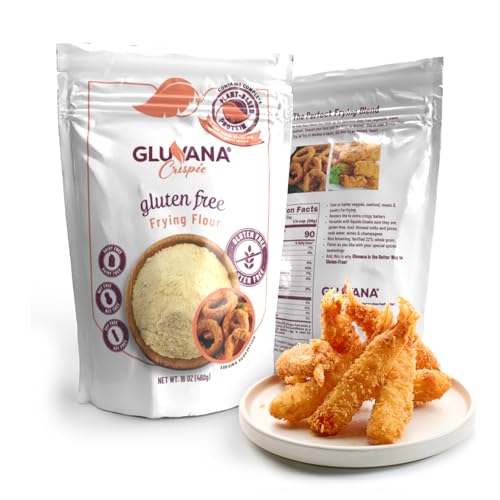
Gluvana is a gluten-free flour blend built specifically for frying and air frying, drawing on amaranth and quinoa, two ancient grains, alongside cornmeal. That combination is engineered to deliver the kind of golden, crunchy crust that rice or almond flour blends often miss.
The 16-ounce bag is a reasonable size for testing out gluten-free fried chicken, shrimp, or vegetables without committing to a giant bag. It’s also free from the major allergens that complicate many gluten-free blends, which is a relief for households juggling multiple restrictions.
What Works In Its Favor
- Ancient grain base of amaranth and quinoa for genuine crunch
- Nut-free, soy-free, and dairy-free for restrictive diets
- Designed for both pan frying and air frying, not just one method
Things To Weigh Up
- Specialty purpose means it isn’t a great all-purpose swap for cakes or bread
- Smaller bag size requires frequent reordering for regular frying routines
Technical Highlights
The Right Fit
Gluten-free households and home cooks chasing genuinely crispy fried or air-fried chicken, fish, and vegetables.
Where A Sibling Pick Shines
For everyday gluten-friendly baking like sandwich loaves, King Arthur Bread Flour remains the more reliable pantry workhorse.
What Matters Most Before Choosing Ancient Grains Flours
Protein Content And Gluten Strength
Protein content drives how a flour behaves once water and kneading enter the picture. Higher-protein flours like bread flour build stronger gluten networks, which trap gas during fermentation and give loaves their tall, chewy structure. Lower-protein flours like cake flour or Italian 00 produce tender crumbs but can’t support a tall yeasted rise. When you match flour protein to the bake at hand, recipes behave more predictably and finished textures land where you expect.
Milling Style And Texture
Milling grade affects how flour absorbs water, how fine the crumb feels, and how the dough handles during shaping. Italian 00 flours are famously fine, which is why pizza dough rolls out so smooth. Coarser whole-grain spelt retains more bran and germ, which adds flavor but absorbs liquid differently. In your own kitchen, finer flours usually mean silkier batters and more delicate pastries.
Ancient Grain Character
Spelt, amaranth, quinoa, and similar grains bring distinctive nutty or earthy flavors that refined white flour doesn’t have. Those flavors shine in simple recipes like pancakes or flatbreads, where the flour’s voice isn’t masked by heavy sugar or fat. If you’re new to ancient grains, start with a small bag and a straightforward recipe before committing to a multi-pound case.
Storage And Freshness
Flour is shelf-stable but not immortal. Whole-grain flours with germ and bran oxidize faster than refined white flours, so airtight containers in cool, dark pantries are non-negotiable. Bulk packs make sense only when you bake often enough to use them within a few months. Smaller bag sizes are the safer bet for casual bakers experimenting with new grains.
Key Considerations Across These Picks
Common Shopping Slip Ups
Treating all flour as interchangeable is the most frequent mistake. Cake flour, bread flour, 00, and self-rising each play a specific role, and swapping them blindly leads to flat loaves or tough cakes. Another trap is overbuying specialty flours for one recipe, then watching them go stale on the shelf. Start with one versatile all-purpose or bread flour, then add specialty bags as your baking routine actually calls for them.
Where The Extra Money Goes
Premium flour costs more for measurable reasons: higher protein, finer milling, traceable grain sourcing, or specialized blends like gluten-free ancient grain mixes. The upgrade pays off when the recipe depends on that attribute, like Neapolitan pizza needing true 00 or a tender cake needing super-fine cake flour. For general cookies and quick breads, a clean all-purpose flour delivers excellent results without the premium tier.
Frequently Asked Questions
What Is The Difference Between 00 Flour And All-Purpose Flour?
00 flour is an Italian milling grade meaning extra-fine grind, while “0” or “all-purpose” refers to coarser milling standards. The protein content varies by brand, so 00 isn’t always weaker; it’s mostly about texture and how the dough feels under your hands.
Can Spelt Flour Replace Regular Wheat Flour In Recipes?
You can substitute spelt for wheat flour, but spelt’s gluten is more delicate, so you’ll want to mix less and add liquid gradually. Expect a slightly nuttier flavor and a more tender, sometimes denser crumb in the finished bake.
How Long Does Flour Stay Fresh In The Pantry?
White all-purpose flour typically stays fresh for about a year when stored sealed in a cool, dry place. Whole-grain and ancient grain flours, with their germ and bran, are best used within three to six months for the best flavor.
Is Self-Rising Flour The Same As All-Purpose Flour With Baking Powder?
Self-rising flour is all-purpose flour with baking powder and salt already mixed in at standard ratios. You can replicate it at home, but the convenience is real for quick bakes, with the trade-off that you can’t control the leavening levels for specialized recipes.
What Makes Ancient Grain Flours Different From Regular Wheat?
Ancient grains like spelt, amaranth, and quinoa are older cultivated varieties with different protein structures and higher fiber content in some cases. They bring distinct nutty or earthy flavors and may digest differently for sensitive stomachs, depending on the grain.
Final Verdict
The right flour depends entirely on what you bake most often. Heavy pizza households gravitate toward Caputo’s Italian 00 blends, sourdough bakers want King Arthur’s high-protein bread flour, and curious cooks exploring whole grains find Bob’s Red Mill’s spelt or high-fiber blends a solid starting point. Pick the bag that matches your most frequent recipe, and let specialty flours earn their shelf space one new bake at a time.
