

Modern kitchens have rediscovered ancient and heritage wheat, and the appeal is straightforward: deeper flavor, denser nutrition, and dough that behaves differently on the bench. Bakers chasing spelt, emmer, and heritage white wheat now have more options than ever, from imported Italian 00 flours to domestically grown organic choices. This roundup covers ten solid picks that span pizza, bread, pastries, and pasta, so you can match the right grain to the right bake.
Your Options, Compared

Wheat Montana Natural White Flour 2-Pack 5lb Bags

Mulino Caputo 00 Pizzeria Flour 1kg (Pack of 4)

Sunrise Flour Mill Heritage Organic White Flour (80 oz)
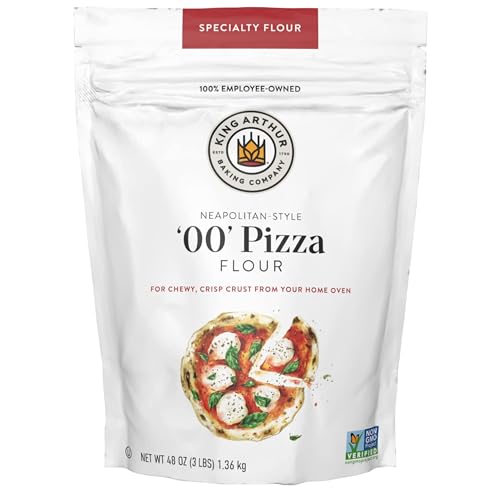
King Arthur 00 Pizza Flour 3 lb Bag
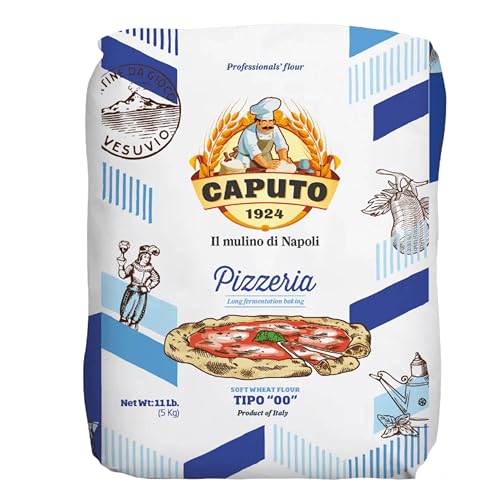
Antimo Caputo Pizzeria Blue 11lb (5kg) Bag

King Arthur Whole Wheat Flour 2 lb

Bob’s Red Mill Vital Wheat Gluten 20oz

Bob’s Red Mill Spelt Flour 22oz (4 Pack)

Bob’s Red Mill Organic Spelt Flour 20oz (4 Pack)

Antimo Caputo Chefs Flour 2.2lb (Pack of 2)
More On The Choices That Made The List
Wheat Montana’s Natural White Flour lands first because it covers the everyday workhorse role without overcomplicating the kitchen. Two 5 lb bags give roughly 10 lb of total flour, which is enough to ride out a month of bread loaves, pancake mornings, and the occasional gravy. For bakers who want one bag that handles most jobs, this unbleached, unbromated option quietly earns its place on the shelf.
The resealable packaging helps maintain freshness between bakes, and the brand’s farm-to-table identity appeals to anyone who likes to know the source. Compared with the specialty 00 picks further down the list, this is a more forgiving flour that doesn’t demand precise hydration windows. It works best for home bakers who bake in volume and care more about reliable texture than about specific crust character.
The Case For It
- Bulk two-pack format reduces mid-bake panic runs to the store
- Unbleached and unbromated, so the color stays warm and the flavor balanced
- Resealable bag helps limit staling between sessions
- Plays well in cookies, quick breads, and yeasted loaves alike
Things To Consider
- Protein content is moderate, so it lacks the chew of higher-gluten 00 flours
- Storage in a sealed container is wise, since warm kitchens can shorten shelf life
Who It Suits Best
Everyday home bakers who need a flexible all-purpose flour for mixed projects across the week.
Look Elsewhere When
Neapolitan-style pizza is your weekly project; the Mulino Caputo 00 Pizzeria Flour gives you the chewy, leopard-spotted crust that this flour won’t deliver.
Mulino Caputo’s 00 Pizzeria Flour is the flour many home pizzaiolos reach for first, and the four-pack format makes it easy to commit. A 1 kg bag is roughly 2.2 lb, so the bundle covers about 8.8 lb of fine-milled Italian flour. For a baker building a dedicated pizza station, having that much on hand removes the excuse of running out before the dough has properly fermented.
The finely milled 00 grind (which is finer than standard all-purpose) produces a tender crumb with the slight chew that defines Neapolitan-style crust. Hydration handling is forgiving for an Italian 00, so beginners can still get a workable dough with a 60 to 65 percent hydration range. This pick is best for anyone who plans to make pizza two or three weekends a month and wants authentic Italian character without sourcing from a local miller.
The Good Stuff
- Authentic Italian 00 milling, which yields the silky dough that defines Neapolitan pizza
- Four-pack bundle covers serious pizza volume at once
- Performs well in both home ovens and higher-heat pizza stones
- Texture forgiving enough for newer bakers, depending on hydration discipline
Worth Noting
- Not a great fit for yeasted sandwich loaves that need more structural gluten
- Stays freshest in a sealed container away from heat once opened
Right Fit For
Home pizzaiolos who want a true Neapolitan flour in enough quantity to experiment with different hydration levels.
Consider Something Else When
You bake mostly sandwich bread or rustic loaves; the King Arthur Whole Wheat Flour is a more versatile everyday choice for that routine.
Sunrise Flour Mill’s Heritage White takes a different angle by leaning into pre-1950s wheat genetics, the kind often discussed alongside ancient and heritage grains. The 80 oz bag works out to 5 lb of unbleached, unbromated flour grown without glyphosate, which is a real consideration for bakers who care about upstream farming practices. As a step away from commodity all-purpose, this is one of the more thoughtful domestic choices on the list.
The flour is positioned as an organic all-purpose, so it handles a wide range of recipes without needing a separate bread and cake flour. Heritage wheat often has a slightly softer gluten matrix, so expect more tender cookies and muffins compared to hard red wheat results. This pick works best for organic-focused bakers who want a single bag for mixed baking without sacrificing ingredient transparency.
Advantages To Know
- Heritage wheat genetics that differ from modern commodity varieties
- USDA organic, non-GMO, kosher, and grown without glyphosate, which ticks multiple ingredient boxes at once
- Unbleached and unbromated, preserving the natural wheat color and flavor
- Functions as an all-purpose, removing the need for two different bags
Trade Offs
- Gluten structure is gentler, so very high-hydration sourdough may need more folds
- Single 80 oz bag means more frequent repurchasing than bulk options
Made For
Bakers who prioritize organic and heritage sourcing and want a versatile flour for everyday baking, depending on hydration choices.
Not Your Match When
Pizza is the goal; the Antimo Caputo Pizzeria Flour Blue is purpose-built for the chewy Neapolitan crust this flour won’t replicate.
King Arthur’s 00 Pizza Flour is the domestic answer to the Italian imports, milled from American-grown wheat to a fine 00 specification. The 3 lb bag suits weekend pizza makers who want a single bag that disappears before it has a chance to go stale. For shoppers who prefer American sourcing but still want a finely milled flour, this one threads that needle cleanly.
The flour is built from a proprietary blend of hard and soft wheats, which is unusual for 00 products that often lean heavily on soft wheat. That balance gives a slightly more substantial chew than typical Neapolitan flour, so the crust holds up well under toppings. Weekend pizza hobbyists and domestic-wheat advocates will find this the most approachable of the 00 options.
Standout Benefits
- 100 percent American-grown wheat, supporting domestic supply chains
- Proprietary hard-and-soft blend creates a sturdier crust that handles heavy toppings
- 3 lb bag is the right size for one or two active pizza bakers
- Non-GMO Project Verified, so ingredient sourcing is transparent
Room For Improvement
- Chew is slightly different from true Neapolitan, which purists may notice
- Single 3 lb bag won’t stretch across a month of frequent pizza nights
Best Suited To
Weekend pizza makers who bake for two to four people and want reliable, non-GMO flour with American sourcing.
A Better Fit Elsewhere
You’re chasing the lightest Neapolitan-style cornicione; the Mulino Caputo 00 Pizzeria Flour leans further into traditional Italian texture.
The Pizzeria Blue in its 11 lb (5 kg) bag is the largest pizzeria-grade offering on this list, and it suits home labs that bake pizza often. Imported from Naples, this Italian 00 flour is built specifically for wood-fired ovens, but it also behaves beautifully in a standard home oven at maximum heat. The blue bag signals Caputo’s pizzeria line, which is distinct from their chef’s flour covered later.
Protein runs around 11 percent in the pizzeria line, with a low extraction rate (the percentage of the wheat kernel retained after milling) that gives the dough its characteristic extensibility. Bakers who cold-ferment for 24 to 48 hours will get the most from this flour, since the longer fermentation develops flavor without overworking the dough. It’s a strong fit for serious hobbyists who host pizza nights and want to stock up once.
The Value In It
- Authentic Naples-imported 00 flour for Neapolitan purists
- 11 lb bag reduces repurchase frequency for high-volume bakers
- Low extraction and soft wheat base create the classic chewy, bubbly cornicione
- Performs well across long cold fermentations in the fridge
Points To Note
- 11 lb is a lot of flour to store, so airtight containers become important
- Soft wheat profile means it isn’t ideal for tall sandwich loaves
Who Should Grab It
Serious home pizza bakers who run weekly pizza nights and want to buy in bulk from a recognized Italian mill.
Skip It When
You mostly bake cookies, quick breads, or sandwich loaves; the Wheat Montana Natural White Flour covers that mixed routine more economically.
King Arthur’s Whole Wheat Flour is the workhorse for bakers ready to bring whole grain into the rotation. The 2 lb bag fits neatly on a pantry shelf and gets used up before flavor drift sets in. For home cooks who want reliable whole wheat without surprises, this is a starting point that rarely disappoints.
The flour carries a deeper, more robust flavor than white flours and brings the nutrition and fiber of the whole kernel. It works across cookies, bread, pancakes, and brownies, though absorption is higher so expect to add a splash of liquid in some recipes. Daily bakers who rotate between cookies and loaves will appreciate the consistent quality, since the brand mills in the U.S. and sources American-grown wheat.
A Few Strong Suits
- 100 percent whole grain with the bran, germ, and endosperm intact
- 100 percent American-grown and milled, supporting domestic supply
- Versatile across sweet and savory bakes, depending on hydration
- Established brand quality gives a reliable baseline for whole wheat baking
Honest Caveats
- Higher absorption can throw off recipes that aren’t adjusted for whole wheat
- Smaller 2 lb bag means quicker repurchase cycles than bulk options
Perfect Match For
Everyday bakers transitioning from all-purpose to whole grain and wanting a trusted domestic brand.
Another Choice May Suit
You want a heritage whole grain option with a more distinctive flavor; the Bob’s Red Mill Organic Spelt Flour offers that nutty character with whole-grain benefits.
Vital Wheat Gluten isn’t a standalone flour in the traditional sense, but it earns its place on the list because ancient and whole-grain flours often need a structural boost. Bob’s Red Mill’s 20 oz bag covers a long stretch of bread-baking sessions, since a tablespoon or two per loaf is usually enough. For bakers who lean on spelt, rye, or whole wheat, this is a quiet problem-solver.
The product is essentially the gluten protein extracted from wheat, then dried, so adding it back into weaker flours improves elasticity and rise. Many home bakers pair it with whole grain recipes to achieve a lighter crumb without abandoning the flavor they want. It is a useful pantry addition for anyone working with heritage or whole grain flours that tend to be more delicate on their own.
The Practical Payoff
- Strengthens dough made from weaker or whole-grain flours, depending on the recipe
- Compact 20 oz bag stores easily in a pantry or fridge
- Plant-based protein source, fitting vegan and dairy-free bakers
- A little goes a long way, so one bag lasts many bakes
Potential Drawbacks
- Not a baking flour on its own, so it requires pairing with another base flour
- Overuse creates a rubbery texture, so recipes need careful measurement
Built With In Mind
Bakers who work with whole grain or ancient flours and want a reliable way to improve dough structure and rise.
Where Another Pick Shines
You’re baking a single flour and don’t want to add ingredients; the Bob’s Red Mill Spelt Flour delivers a complete grain experience without the extra step.
Spelt is one of the most accessible ancient grains, and Bob’s Red Mill’s 22 oz four-pack is a generous way to commit to it. Each bag is around 1.4 lb, and the combined 88 oz total covers months of bread, pancake, and quick-bake projects. For anyone transitioning from modern wheat, this is a friendly starting point.
Spelt has a nutty, slightly sweet flavor that comes through clearly in hearth loaves and rustic cookies. The flour handles pasta doughs well because of its moderate gluten content, and it produces a high-rising loaf when given enough resting time. Bakers who appreciate flavor-forward whole grain without going fully rustic will find spelt a satisfying middle ground between white and whole wheat.
Positive Points
- Distinctive nutty flavor that elevates simple bread and cookie recipes
- Four-pack format offers better value than single 22 oz bags
- Source of iron, fiber, and manganese for nutritional variety
- Performs across bread, pasta, cookies, and pancakes, depending on the recipe
Soft Spots
- Spelt dough overmixes easily, so gentle handling matters
- Stays fresh longer in the fridge or freezer once opened
Whose Shelf It Belongs On
Home bakers exploring ancient grains who want a versatile, flavorful flour for bread and beyond, depending on their handling technique.
Reach For A Different Pick When
Certified organic sourcing is non-negotiable; the Bob’s Red Mill Organic Spelt Flour covers that requirement without changing the grain profile.
The organic version of Bob’s Red Mill spelt delivers the same nutty character with certified organic sourcing, which matters to bakers who vet every ingredient. The four-pack format combines to 80 oz, which is enough to keep a household stocked through varied weekly bakes. It’s the same flavor profile as the conventional spelt, just grown under organic standards.
Spelt’s higher gluten content relative to other ancient grains makes it unusually versatile, holding its own in pasta, cookies, and hearth loaves. Expect a substantial, chewy crust when used in a hydrated bread dough, and a tender crumb in muffins. Clean-label bakers who want ancient-grain flavor without compromising on organic certification will appreciate this option.
Where It Excels
- Certified organic spelt, fitting clean-label and ingredient-conscious pantries
- Nutty flavor that pairs well with both sweet and savory recipes
- Source of iron, fiber, and manganese alongside its protein content
- Four-pack format ensures long-term pantry security
Possible Compromises
- Spelt is still more delicate than modern wheat, so over-kneading is a real risk
- Slightly higher cost per ounce than the conventional Bob’s spelt
The Right Fit
Bakers who want organic certification and a flavorful ancient grain for mixed baking, assuming a willingness to handle the dough gently.
Swap It Out When
You’re focused on rustic Italian pizza; the Antimo Caputo Chefs Flour brings soft wheat versatility to pizza, bread, and pasta with a more elastic crumb.
Antimo Caputo’s Chefs Flour rounds out the list as a true multi-purpose Italian 00, designed for pizza, bread, and pasta alike. The two-pack bundle totals about 4.4 lb, which sits in a comfortable middle ground between single bags and the 11 lb pizzeria sack. For households that split their time across cuisines, this is the versatile 00 to keep on hand.
The flour is built for long fermentation, which suits cold-rise pizza doughs and slow-developing bread recipes. Strong, elastic gluten makes it forgiving for shaping, and the soft wheat base keeps crumb tender for fresh pasta. Bakers who want one imported Italian flour to cover multiple doughs will find this the most flexible pick of the Caputo lineup.
Benefits That Matter
- Authentic Italian 00 flour from a mill established in 1924
- Strong, elastic gluten that suits long fermentation schedules
- Works across pizza, bread, and pasta without switching flours
- Two-pack format balances convenience with manageable storage
Details To Watch
- Not optimized specifically for high-heat Neapolitan pizza the way the Pizzeria Blue is
- Once opened, best kept sealed to preserve that fresh-mill aroma
Who Will Love This
Home cooks who want a single imported Italian flour to rotate between pizza, bread, and pasta projects across the week.
Where A Sibling Pick Shines
You’re committed to Neapolitan-style pizza only; the Antimo Caputo Pizzeria Blue is the more specialized option for that specific crust.
Choosing Flour That Matches Your Baking Style
A few attributes matter more than brand names when sorting through ancient and heritage wheat flours. Protein content drives gluten strength: higher protein yields chewier pizza and bread, while lower protein suits tender pastries. Milling style, which includes the fineness of 00 versus coarser whole grain, changes water absorption and crumb texture. Wheat type, ranging from spelt to heritage modern hybrids, shifts flavor from nutty to mild. Finally, packaging size and storage needs should fit your baking frequency, since ancient grains often stay fresh longer in cool, sealed containers.
Where Storage And Freshness Change The Outcome
Ancient and whole-grain flours keep their flavor best in airtight containers, away from heat and direct light. Smaller bags tend to be used up quickly, which reduces the chance of staleness, while bulk buys save effort but require dedicated storage. For bakers in warm climates, the fridge or freezer becomes a friend, especially for spelt and heritage whole wheat that contain the germ and can turn rancid faster than refined white flours.
Key Considerations Across These Picks
Pitfalls Shoppers Hit
Many bakers pick the finest 00 flour for bread, only to find the dough lacks the structure needed for tall loaves. Others buy a single all-purpose bag and expect it to perform like a specialty flour, then feel disappointed when the flavor falls flat. The fix is to match the flour to the recipe before checking price or packaging, since wheat type and milling drive the result more than any other factor.
Where The Extra Money Goes
Higher-tier flours often carry specific mill credentials, organic certification, or imported provenance, each of which adds cost at the supply chain level. Heritage wheats tend to yield less per acre, and imported 00 flours cross oceans under strict freshness controls. The upgrade pays off when the recipe depends on those specific qualities, such as authentic Neapolitan dough or organic spelt bread, but it adds little value for everyday pancakes or cookies.
Frequently Asked Questions
What is ancient wheat flour?
Ancient wheat flour comes from heritage grain varieties like spelt, emmer, and einkorn that predate modern hybridized wheat, often valued for flavor and digestibility.
Is ancient wheat flour healthier than modern flour?
Ancient wheat flour typically retains more of the bran and germ, offering more fiber and micronutrients, though nutritional differences vary by specific grain and processing.
Can you substitute ancient wheat flour for all-purpose flour?
You can substitute it in many recipes, though ancient flours often absorb more liquid and develop less gluten, so hydration and mixing need adjustment.
What is 00 flour and how is it different?
00 refers to the finest Italian milling grade, producing an especially soft texture ideal for pizza and pasta, even though it uses the same wheat species as all-purpose.
Does ancient wheat flour work for bread machines?
Yes, though whole grain and spelt flours benefit from longer kneading cycles or added vital wheat gluten to support rise in a machine setting.
