

You probably don’t think twice about which bottled water goes in your cart, until you’re standing in a grocery aisle staring at eight near-identical shelves. The truth is, “water” covers a wide range: vapor-distilled, mineral spring, naturally alkaline, and artesian sources all taste and feel different. Pick the wrong one and your weekly hydration routine turns into a bland chore. Pick the right one and you actually look forward to refilling. This list breaks down the most popular bottled water picks on the market right now, with the use-case fit spelled out so you can match your water to your day.
The Essentials At A Glance
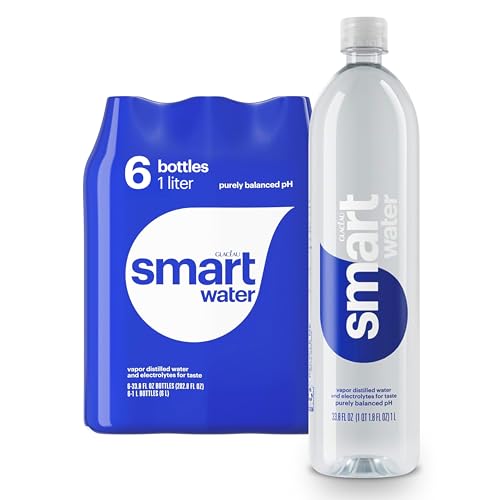
smartwater Vapor Distilled Water Bottles, 33.8 fl oz, 6 Pack

Deer Park Spring Bottled Water, 16.9 Fl Oz, 24 Pack

Pure Life Purified Water Bottles, 12 Pack, 16.9 Fl Oz
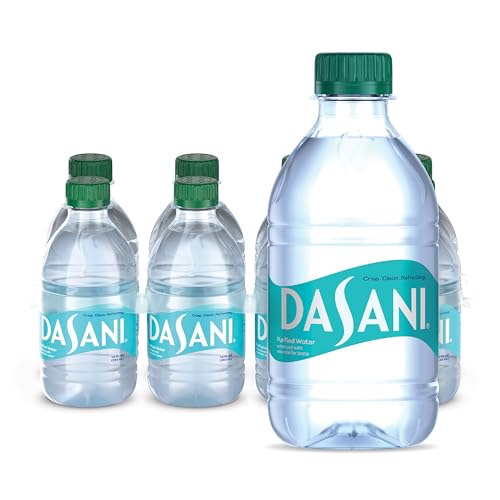
DASANI Purified Water, 12 fl oz, 8 Pack

FIJI Natural Artesian Bottled Water, 33.8 Fl Oz, 12 Pack
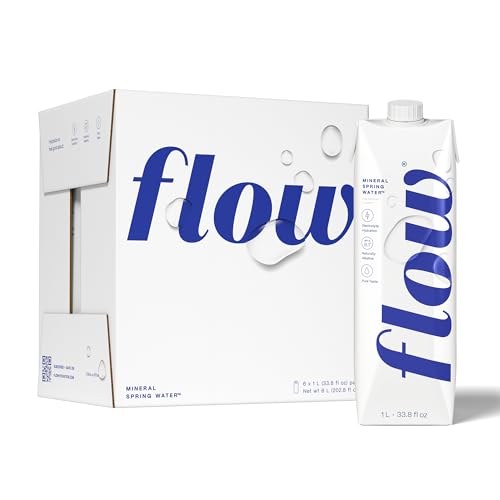
Flow Mineral Spring Water, 33.8 Fl Oz, 6 Pack

smartwater Vapor Distilled Water Cans, 12 fl oz, 8 Pack

Flow Mineral Spring Water, Unflavored, 16.9 Fl Oz, 12 Pack
Inside Each Recommended Option
If your hydration needs run more “desk-to-gym” than “remote cabin,” the 33.8 fl oz smartwater bottle slots into your routine without much thought. Vapor distillation is a purification process that boils water into steam, then condenses it back into liquid, stripping out impurities along the way, which gives this water its characteristically clean, almost weightless taste. For commuters cycling through a backpack or a gym locker, the larger format means fewer refills in a single day.
The tailored pH and added potassium, magnesium, and calcium put smartwater in the same “enhanced” category as a few others on this list, including the FIJI pick later on. Where it differs from FIJI is the source itself: FIJI’s minerals arrive naturally through volcanic rock, while smartwater’s are added after distillation. For most office and gym use, that distinction is mostly a curiosity.
Key Advantages
- 33.8 fl oz size covers a full workday without a refill
- Vapor-distilled base produces a clean, neutral flavor
- Added minerals (potassium, magnesium, calcium) round out the taste
- Tall, slim bottle fits standard car cup holders and backpack sleeves
- Six-pack format keeps a week’s worth of water on hand for one person
Things To Consider
- Plastic bottles will eventually need replacing; budget-conscious households go through them fast
- The clean taste reads as “flat” to drinkers used to mineral spring sources like Deer Park or FIJI
Who It Suits Best
You keep a bottle on your desk and another in the car, and you want predictable, no-fuss hydration without thinking about mineral charts.
Skip It When
FIJI Natural Artesian Bottled Water is the better match when you prefer a naturally mineralized source over an added-mineral one.
When the fridge is more “communal pantry” than “single shelf,” a 24-pack of 16.9 fl oz bottles handles the traffic. Deer Park sources from natural springs, which is the real differentiator here: spring water picks up minerals as it filters through rock and soil, giving it a slightly fuller mouthfeel than the vapor-distilled smartwater we just covered. The single-serve format is the same one you’ve seen at delis and bodegas for years, so lunchbox packing is second nature.
The 24-bottle count is aimed at households that cycle through a bottle a day or more, or anyone who hosts enough that the fridge feels empty by Thursday. Unlike the smartwater 6-pack, this one’s designed for shareability rather than personal carry.
Positive Points
- 24 bottles cover a week or more for most households
- Spring water source delivers a familiar, slightly mineral taste
- Single-serve 16.9 fl oz format is the most portable size on this list
- Lower per-bottle cost when buying in multi-pack form
Worth Noting
- Recycling 24 plastic bottles is a real chore for zero-waste households
- Smaller bottle means more frequent refills for high-volume drinkers
Made For
Families packing lunchboxes, offices stocking a shared fridge, and anyone who goes through bottled water faster than a single 6-pack allows.
Where Another Pick Suits Better
Pure Life Purified Water is a stronger fit when mineral enhancement and recyclable packaging matter more to you than spring source.
Pure Life sits in the middle of the pack, both literally and in terms of philosophy. It’s a purified water (meaning it goes through a multi-step filtration process rather than coming straight from a spring) with minerals added back in for a crisp finish. The 12-pack of 16.9 fl oz bottles is a sensible middle ground between the bulk 24-pack Deer Park and the larger 33.8 fl oz smartwater format above it.
For households that don’t need a full 24-bottle haul but want enough on hand to cover a few days, this format lands well. The bottles are also recyclable, which Pure Life highlights in its labeling, a small but real plus for families trying to keep plastic out of the waste stream.
Features That Help
- Mineral enhancement creates a crisper finish than standard purified water
- 12-pack size fits a small fridge without dominating a shelf
- Recyclable bottle construction reduces end-of-life waste
- Standard 16.9 fl oz format is grab-and-go for any bag
Trade Offs
- Cap and label typically require separate disposal from the bottle
- Taste profile is lighter than spring sources like Deer Park or Flow
Feature Card
Right Fit For
You want a mid-size pack that covers a couple of days, and you care that the bottles can go into the recycling bin.
Not Your Match When
FIJI Natural Artesian Bottled Water is the better fit when natural mineral content and a premium source matter more than recyclable plastic.
The 12 fl oz DASANI format is the smallest on this list by a wide margin, and that’s the whole point. Where the smartwater and FIJI picks assume you’ll finish the bottle in one sitting, this one assumes a smaller kid, a packed lunch, or a purse with limited room. The bottle itself is made from 100% recycled material (excluding the label and cap), which is a real sustainability win that Pure Life’s bottles can’t match.
DASANI’s purification uses reverse osmosis, a process that forces water through a semi-permeable membrane to filter out dissolved solids, before minerals are added back in for taste. Compared with the vapor-distilled smartwater covered earlier, the filtration approach is different but the end result is similar: clean, light, neutral.
What Makes Sense
- Smallest bottle on the list, ideal for lunchboxes and kids’ backpacks
- Recycled-content bottle construction reduces virgin plastic use
- Reverse osmosis filtration plus mineral enhancement for a clean finish
- 8-pack keeps the fridge uncluttered while covering a few days
A Few Limitations
- Not enough volume per bottle for adult workouts or long commutes
- You’ll go through 8 bottles faster than the 12 or 24-packs above
Feature Card
Who Should Grab It
Parents packing school lunches, short-trip travelers, and anyone who wants a single-serve bottle that fits in a coat pocket.
Consider Something Else When
Deer Park Spring Bottled Water is a better fit when you need more volume per bottle for a full day of drinking.
FIJI is the only artesian-sourced water on this list, and that distinction shapes the whole experience. Artesian water comes from a confined aquifer (an underground layer of water-bearing rock) and rises naturally to the surface, so it never touches the open air. As it filters through volcanic rock, it picks up minerals like silica, calcium, and magnesium along the way, which is why FIJI has that signature soft, smooth mouthfeel you don’t quite get from vapor-distilled or standard purified picks.
The 1-liter format is the second-largest in FIJI’s lineup and lands well for travel, golf, or long workdays where you don’t want to babysit a half-finished bottle. The 12-pack is sized for households that drink FIJI as their default water, not just an occasional treat.
A Few Highlights
- Artesian source with naturally occurring electrolytes from volcanic rock
- Larger 1-liter bottle supports long days without a refill
- Mineral content is naturally higher than added-mineral competitors
- Signature square bottle stands out in the fridge or on a conference table
Honest Caveats
- Premium positioning means a higher per-bottle cost than smartwater or DASANI
- Twelve heavy bottles take up a meaningful amount of shelf space
Feature Card
Best Suited To
You treat water as part of your routine rather than a utility, and you’d rather drink fewer bottles of something with a real source story.
Look Elsewhere When
Flow Mineral Spring Water is a better fit when naturally alkaline pH and spring sourcing matter more than the volcanic-rock profile.
Flow occupies a specific corner of the bottled water shelf. Its naturally alkaline pH of 8.1 is the headline number, since pH measures how acidic or basic a solution is on a 0 to 14 scale, with 7 being neutral, and most bottled waters sit below that. The mineral profile (calcium, potassium, magnesium, and bicarbonate) comes from the spring source itself, similar to how FIJI picks up minerals from volcanic rock, but with a different geological story behind it.
The 33.8 fl oz format matches the size of the FIJI and smartwater picks, so the comparison is direct on volume. The 6-pack is smaller than FIJI’s 12, which positions Flow more as a “rotation” option for households that drink it alongside other waters.
Useful Highlights
- Naturally alkaline pH 8.1 from spring source, not added post-filtration
- Mineral content includes calcium, potassium, magnesium, and bicarbonate
- Renewable-material packaging reduces plastic footprint
- Wide 33.8 fl oz format works for active days
Points To Keep In Mind
- Smaller 6-pack means more frequent reordering than the FIJI 12-pack
- Mineral taste reads stronger than smartwater, which not everyone prefers
Whose Shelf It Belongs On
You reach for alkaline options at the store and care about a spring source over a distilled or purified base.
Another Choice May Suit
smartwater Vapor Distilled Water Bottles is the better match when you want a clean, neutral taste without mineral character.
Same smartwater formula as the 33.8 fl oz bottle from pick #1, but in an aluminum can. For anyone whose water ends up in a beach bag, a hot car trunk, or a recycling bin where plastic feels wrong, the can format solves a real problem. Aluminum cools faster than plastic, holds cold longer, and recycles in nearly every municipal stream.
The added selenium is a small but interesting differentiator from the regular smartwater bottle. Selenium is a trace antioxidant, and at the levels added here, it gives this format a slightly more “functional” angle than its bigger sibling. The 12 fl oz size is similar to the DASANI 8-pack, so the comparison is direct on volume.
What It Does Well
- Aluminum can format cools quickly and stays cold longer than plastic
- Added selenium sets it apart from the standard smartwater bottle
- Vapor-distilled base with added potassium, magnesium, and calcium
- Recyclable in nearly all curbside programs, unlike plastic caps and labels
Possible Compromises
- Aluminum can dents easily during shipping or in a packed bag
- Smaller 12 fl oz size limits usefulness for long, unbroken drinking sessions
Perfect Match For
Commuters, beachgoers, and anyone who wants a cold, clean drink that doesn’t leave a plastic bottle behind.
Reach For A Different Pick When
FIJI Natural Artesian Bottled Water is the better fit when larger volume and a naturally mineralized source outweigh the can format.
The second Flow entry, and the more portable one. Same naturally alkaline pH 8.1 spring source as the 33.8 fl oz version, but in a 16.9 fl oz bottle that slots into a gym bag, a car cup holder, or a kid’s backpack. The 12-pack size matches Pure Life’s 12-pack exactly, so the choice between the two is really a question of source philosophy: spring with natural minerals (Flow) versus purified with added minerals (Pure Life).
For a household that likes the idea of alkaline spring water but doesn’t always want to commit to the larger bottle, this format is the easier daily carry. The taste is the same as the bigger Flow bottle.
Real-World Strengths
- 16.9 fl oz size works for most bags without bending or bulging
- Same alkaline pH 8.1 and mineral profile as the larger Flow bottle
- Twelve bottles cover a busy week for one or two drinkers
- Unflavored formula keeps the focus on the spring source
Small Caveats
- Spring taste reads stronger than purified or distilled picks, which takes some getting used to
- 12-pack price per bottle runs higher than the bulk 24-pack Deer Park option
Feature Card
Built With In Mind
You want alkaline spring water in a format that travels well, and you’d rather skip the larger 33.8 fl oz bottles for everyday use.
A Better Fit Elsewhere
Pure Life Purified Water is the stronger match when you prefer a lighter, more neutral taste profile over a spring mineral character.
What To Weigh Before Picking Your Next Case
The first thing to settle is source. Spring water (Deer Park, Flow) carries minerals from the ground, which gives it a fuller mouthfeel and, in Flow’s case, a naturally alkaline pH. Purified water (Pure Life, DASANI) goes through filtration like reverse osmosis and may have minerals added back in. Vapor-distilled water (smartwater) is boiled into steam and recondensed, which produces a notably clean, light taste. Artesian water (FIJI) is the rarest category here, drawn from a confined aquifer and naturally filtered through rock.
Next, think about format. The 16.9 fl oz single-serve (Deer Park, Pure Life, Flow 12-pack) is the most lunchbox-friendly and the easiest to share. The 12 fl oz mini (DASANI, smartwater cans) is built for kids and small bags. The 33.8 fl oz (smartwater bottle, FIJI, Flow 6-pack) assumes you’ll finish it across one session, which is great for long workdays but means you have to actually finish it. Match the format to how you actually drink, not how you think you should.
Mineral content matters more than most labels suggest. FIJI’s natural electrolytes from volcanic rock, smartwater’s added calcium, magnesium, and potassium, and Flow’s naturally alkaline bicarbonate all read differently on the palate. The honest read is: spring and artesian picks taste more “mineral-forward,” while distilled and purified picks taste cleaner but flatter. Neither is right; they just suit different moods.
Finally, weigh packaging. DASANI’s recycled-content bottle, Pure Life’s recyclable plastic, and smartwater’s aluminum cans all reduce end-of-life waste in different ways. If recycling infrastructure in your area is robust, cans are usually the easiest call. If it’s spotty, larger plastic bottles you can crush and bag are simpler.
Key Considerations Across These Picks
Pitfalls Shoppers Hit
A common slip is choosing by format alone. A 33.8 fl oz bottle looks like a great value, but only if you actually finish it before it warms up on your desk. A 24-pack of 16.9 fl oz bottles sounds like a deal, but only if your household cycles through that volume before the bottles expire or lose their cool in the back of the fridge. The honest read is to size the case to your real consumption rate, not the per-bottle math alone.
Another trap is ignoring source philosophy. A shopper who reaches for FIJI expecting a “clean, neutral” taste will be surprised by the soft mineral character. Likewise, a shopper chasing FIJI’s profile from a smartwater bottle will be disappointed. Taste preferences and source claims are tightly linked, and the only way to know is to actually try a small pack before committing to a 12 or 24.
What The Higher Tier Buys
Premium picks like FIJI and Flow command higher prices mostly because of the source itself. Artesian aquifers and selected springs are limited, harder to access, and often more expensive to protect and certify. You’re paying for the natural mineral content that arrives without post-filtration tinkering, and for the quality control that keeps the source clean.
For households that drink bottled water daily and care about the source story, the upgrade is usually worth it. For households that treat water as a quick convenience and rotate between brands, the mid-tier picks (smartwater, Pure Life, Deer Park) deliver similar hydration with more flexibility on format and budget. The case for spending up comes down to how much you actually taste the difference and how much the source story matters to you.
Frequently Asked Questions
What’s the difference between spring water and purified water? Spring water is collected from a natural spring and may carry minerals from the surrounding rock, while purified water is sourced from municipal supplies and filtered (often via reverse osmosis) to remove impurities. The taste difference is usually noticeable: spring water tastes fuller, purified water tastes cleaner and lighter.
Are alkaline bottled waters actually different from regular ones? Yes, in measurable ways. Alkaline water like Flow has a higher pH (8.1 in Flow’s case) and typically contains more bicarbonate and other minerals. Whether your body benefits from this is a separate question, but the taste difference is real: alkaline water often reads smoother and slightly less sharp than neutral pH picks.
Is artesian water the same as spring water? No, though both come from underground sources. Spring water flows naturally to the surface from a spring, while artesian water is drawn from a confined aquifer under pressure and may or may not reach the surface on its own. FIJI is the artesian example in this roundup; Deer Park and Flow are spring sources.
Does the bottle material change the water? In practice, very little over short storage. Aluminum cans (smartwater cans) tend to keep water colder longer and don’t leach the way some lower-grade plastics can. Glass is the most inert option but is rare in this category. If you’re storing water for a long time, material matters more.
How big a case should I order? For a single person drinking a bottle a day, a 6 or 8-pack is usually enough for a week. For a couple or small family, a 12 or 24-pack fits the bill. Going larger than that is usually only sensible for offices, events, or households that genuinely cycle through water faster than it expires.
Closing Thoughts
The “right” bottled water is less about objective quality and more about how it fits your routine, your palate, and your fridge. Match the source to your taste preference, the format to your real drinking pattern, and the case size to your weekly turnover. Everything else is noise, including most of the marketing on the label.
