

Choosing a bottle or sippy cup looks simple until you are standing in the kitchen at 2 a.m. with a fussy newborn who gulps air. The right vessel can soften feeding sessions, support the bottle-to-cup transition, and spare you a wet car seat. This guide rounds up six baby water bottles and training cups worth a closer look, spanning newborn anti-colic designs, insulated toddler cups, customisable blanks, and silicone starter sets.
The Essentials At A Glance

MAM 11oz Easy Start Anti-Colic+ Vented Baby Bottle, 4+ Months, 2 Pack

MAM 5oz Easy Start Anti-Colic+ Vented Baby Bottle, 0+ Month, 4 Pack

MAM 5oz Easy Start Anti-Colic+ Vented Baby Bottle, 0+ Mths, 4 Pack

The First Years Disney Princess Insulated Sippy Cups, 9 oz, 2 Count

12 oz Sublimation Sippy Cups Blank for Kids, 10 Pack
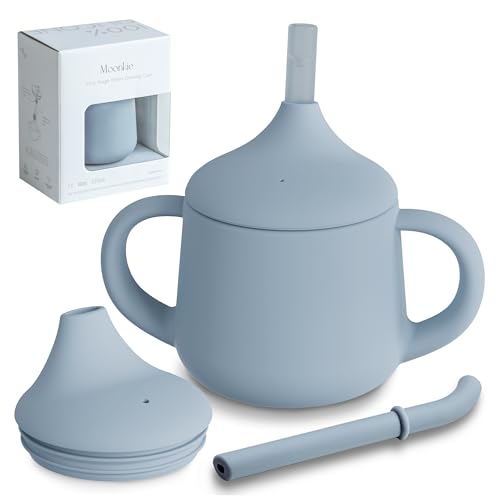
Moonkie Silicone Baby Sippy Cups, 3 Stages Training Cup, 4 oz
A Breakdown Of The Leading Choices
By the time babies pass the four-month mark, feeds tend to grow longer and gaps between them stretch out. This 11-ounce MAM bottle answers that shift with a roomier capacity that still fits small hands during self-feeding attempts. The vented base sits at the bottom rather than through the nipple, which keeps the teat shape familiar while still working to reduce swallowed air.
Where the earlier MAM newborn options aim at the first sleepy weeks, this larger format suits daytime routines, daycare bottles, and longer stretches between feeds. Parents juggling a pumping schedule often appreciate the extra volume, since each session can deliver a fuller feed without mid-bottle refills.
The Value In It
- 11-ounce capacity matches the appetite of older babies, reducing the need to refill mid-feed.
- Bottom-vent design lets babies control flow at their own pace, a feature many parents look for during the breast-to-bottle transition.
- Two-pack format keeps a spare clean bottle ready during travel or overnight care.
- Wide neck simplifies cleaning by hand, which matters when you do not have a steriliser on the counter.
Points To Keep In Mind
- The 11-ounce size runs large for very young infants, so it is wasted capacity before the four-month mark.
- Vent base parts add an extra piece to track during washing, which can feel fiddly on busy mornings.
- Some caregivers prefer glass at this size for environmental reasons, and this option is plastic only.
Key Product Details
Right Fit For
Parents of babies past the four-month mark who want a roomier anti-colic bottle for daycare, long feeds, or shared caregiving schedules.
Look Elsewhere When
Newborns in the first weeks of feeding fit the smaller 5-ounce MAM Easy Start bottle better, since 11 ounces is too much volume at that stage.
Newborn stomachs hold tiny amounts, and a five-ounce bottle is the practical sweet spot for the first weeks. This MAM starter pack includes four bottles, which lines up with the daily wash cycle most parents fall into. Compared to the larger 11-ounce version above, this set trades volume for quantity, giving you spares in rotation rather than one oversized vessel.
Babies who feed slowly benefit from the paced-flow nipple, and the bottom vent does its work without forcing a specific latch. You may find the four-pack format especially helpful during the early days when steriliser loads run constantly and a clean bottle is always in demand.
Notable Upsides
- Five-ounce size matches newborn intake, reducing wasted milk at the end of feeds.
- Four-bottle pack keeps enough clean bottles on hand for overnight feeds and daycare drops.
- Anti-colic vent system aims to limit the air babies swallow, which can ease fussiness after feeds.
Trade Offs
- You will outgrow the 5-ounce size within a few months and need to size up.
- Four bottles take up cabinet space, which can crowd small kitchens.
- The colour scheme is geared toward one style, so caregivers wanting a neutral look may prefer the unisex pack below.
Whose Shelf It Belongs On
New parents building a starter kit and expecting frequent bottle washing, plus anyone preparing a hospital bag with several clean vessels ready to go.
Swap It Out When
Babies past four months typically need the 11-ounce MAM bottle, since five ounces stops satisfying larger appetites.
This unisex version of the MAM 5-ounce starter pack delivers the same anti-colic engineering as the previous pick, wrapped in a colour scheme that suits any nursery. For households where grandparents, nannies, or partners share feeding duties, a neutral bottle keeps the kit looking cohesive without anyone asking which one belongs to whom.
Functionally, the bottle shares the bottom-vent layout, paced-flow nipple, and four-bottle count with the previous option. The main difference is presentation, and that difference can matter for registries, gender-surprise babies, or shared-care families who pass bottles between caregivers daily.
What Works In Its Favor
- Neutral colours fit shared nurseries, daycare labels, and registries where the baby’s sex is a surprise.
- Same vented base as the rest of the MAM Easy Start line, easing transitions between bottle sizes later on.
- Four-bottle count supports the high-rotation washing schedule of the newborn phase.
- Compact five-ounce size suits early feeds without leaving excess milk in the bottle.
Soft Spots
- Same capacity limit as the other 5-ounce MAM, so growth means repurchasing larger bottles.
- Neutral palette may feel plain if you wanted a more decorative look.
Quick Facts
Who It Suits Best
Families building a gender-neutral registry, or caregivers who prefer understated bottle colours over pastel schemes.
Another Choice May Suit
Parents who want a similar MAM experience in a larger toddler-ready format will find the 11-ounce MAM Easy Start bottle a better fit once feeds grow.
Once toddlers outgrow bottles, hydration becomes its own challenge. The First Years Disney Princess sippy cup answers that stage with insulated walls designed to keep water cool during car rides and park visits. The 9-ounce size lands in a comfortable middle ground, big enough to quench a thirsty toddler but not so heavy that small hands struggle to lift it.
Unlike the MAM bottles above, this is a transition cup rather than a feeding bottle, so it targets a different developmental moment. Toddlers who latch onto favourite characters often drink more willingly, and the familiar faces can make independent sipping feel like a treat rather than a chore.
The Good Stuff
- Insulated body helps water stay cool during outings, especially on warm days.
- Nine-ounce capacity suits toddlers who are drinking more water but still need a manageable cup size.
- Spill-resistant design protects car seats, strollers, and living-room rugs during clumsy hands.
- Dishwasher-safe construction simplifies cleanup after juice, milk, or water sessions.
Less-Strong Areas
- Character theme is specific, so it only suits toddlers drawn to that franchise.
- Spout-based cups can take longer to wean from than straw options like the Moonkie cup below.
Feature Snapshot
Made For
Toddlers aged 12 months and up who respond well to character branding and need a leak-resistant cup for travel, daycare, or mealtimes.
Skip It When
Caregivers looking for a straw-based training cup for early sippy stages should consider the Moonkie Silicone Baby Sippy Cup, which suits infants taking their first sips.
Not every cup needs to arrive finished. These blank sublimation sippy cups come coated for custom printing, which opens the door to birthday-party favours, daycare name tags, or small-business orders. The 12-ounce volume suits older toddlers and early elementary kids, stepping up from the 9-ounce Disney cup above.
Each cup ships in its own gift box, which saves a wrapping step for crafters running party favours or teachers prepping class sets. The 10-pack format also keeps per-cup cost reasonable when you need volume.
What It Does Well
- Sublimation-ready coating accepts custom designs from a standard heat-press workflow.
- Twelve-ounce capacity suits older toddlers and kids past the sippy-cup stage who want more water per fill.
- Ten-pack format lowers the per-cup cost for party favours, classroom sets, or small-batch gifting.
- Individual gift boxes cut out the repackaging step before handing cups out.
Practical Considerations
- You need a sublimation printer, heat press, and design software to actually use the customisation angle.
- Blank white cups look unfinished until you press a design, so they are not a grab-and-go gift.
Feature Rundown
Best Suited To
Crafters, small-business owners, and parents planning personalised party favours who already own sublimation gear.
Not Your Match When
You just need a ready-to-use sippy cup, since the blank Wzaytia tumbler requires printing before it functions as a finished product.
Transitioning from bottle to cup is its own milestone, and the Moonkie silicone training cup supports it across three stages. The 4-ounce body is small enough for tiny grips yet roomy enough to hold a meaningful drink. The all-silicone build feels soft against gums during teething, a detail that tends to matter in the six-to-twelve-month window.
Where the Disney sippy cup targets toddlers already comfortable with cups, this one is designed for the earlier transition. The straw option makes sipping easier for babies who are still learning to tilt a spout, and the soft material reduces injury risk during inevitable drops.
Strengths Worth Knowing
- Three-stage design grows with your baby, from first sips through toddler independence.
- All-silicone construction feels gentle on teething gums and stands up to drops.
- Four-ounce size keeps first sips manageable and reduces waste during practice sessions.
- Straw option suits babies who struggle with spout-style cups.
Some Limits To Know
- Single-cup pack means you may want to buy multiples for full-day coverage.
- Small capacity fills run out faster for thirsty toddlers past twelve months.
Who Should Grab It
Parents beginning the bottle-to-cup transition between six and twelve months, especially when teething makes softer materials easier on sore gums.
Reach For A Different Pick When
Older toddlers who already drink confidently from a spout may prefer the 9-ounce First Years Disney cup, which holds more and travels well.
What Matters Most When Choosing Baby Water Bottles
Size And Capacity For The Age Range
Matching capacity to feeding stage prevents waste and frustration. Newborns rarely finish more than five ounces at a time, so anything larger sits unfinished. Older babies and toddlers drink more per session, making 9- to 12-ounce vessels more practical. Buying one size up too early usually means milk or water sitting in the cup longer than ideal.
Anti-Colic Engineering For Newborn Bottles
A vented base or vented nipple cuts down on swallowed air, which can ease post-feed fussiness. Anti-colic systems (designs that route air away from the milk flow during feeding) work best when the parts are reassembled correctly after each wash, so check that the design is something you can maintain during sleep-deprived nights. Bottles without venting tend to feed faster but may bring more burping.
Material And Cleanup
Plastic, silicone, and glass each carry different trade-offs. Plastic is light and shatterproof but may show wear faster. Silicone offers flexibility and gentle contact for teething mouths. Glass is durable in the long run but heavier. Dishwasher-safe parts save time, and wide-neck openings make hand-washing easier when the steriliser is full.
Transition Stage For Sippy Cups
A first sippy cup should match your child’s motor skills, not just their age. Straw cups build different oral muscles than spout cups, and soft silicone helps babies who are still teething. Spill-resistant valves are useful for travel, though they can complicate cleaning. Pick the design that matches the current milestone rather than jumping straight to a “big kid” cup.
Common Considerations Across These Picks
Pitfalls Shoppers Hit
Buying a large bottle for a newborn is the most common slip, since the volume goes unused and the milk sits longer. Another is choosing a sippy cup with a spout when the baby actually does better with a straw, or vice versa. Skipping the dishwasher-safe check can also add hours of hand-washing each week.
Where The Extra Money Goes
Higher-tier options in this category often spend the premium on insulation, multi-stage versatility, or sublimation-ready surfaces. Insulation keeps water cool for longer outings, multi-stage designs grow with your child, and sublimation coatings let you customise cups for gifting. The upgrade pays off most when you will actually use the extra feature, so match the spend to your routine.
Frequently Asked Questions
When should I switch from a baby bottle to a sippy cup?
Most babies transition between six and twelve months, though the exact timing depends on motor skills and feeding habits. Offering a sippy cup at meals first helps your baby practice without giving up the bottle for comfort feeds overnight.
Are anti-colic bottles really necessary?
Anti-colic bottles (vessels engineered to reduce air swallowed during feeds) help babies who gulp air and struggle with gas, but not every baby needs them. You may find them useful if your baby fusses, spits up, or pulls off the nipple mid-feed.
How many baby bottles do I need to start with?
A four to six bottle rotation covers most newborns, since you will likely wash once or twice a day. If you pump or use daycare, you may want closer to eight to keep a spare clean set ready.
Can sippy cups go in the dishwasher?
Many modern sippy cups are top-rack dishwasher safe, but always check the manufacturer guidance before loading. Straws and valves often need separate rinsing even on dishwasher-safe cups.
What size sippy cup is best for a toddler?
A 9- to 12-ounce cup suits most toddlers, since it holds enough water for outings without becoming too heavy. Smaller 4-ounce cups work better for babies who are still learning to sip.
Closing Remarks
Your baby’s feeding stage drives the choice more than any feature list. Newborns do well with vented, smaller bottles, while toddlers benefit from insulated or character-themed cups that keep them drinking willingly. Match the cup to the moment, expect to size up over time, and the rest of the decision gets a lot easier.
