

A long weekend on the trail means every ounce matters, and your stomach has opinions. The right stash of food keeps your energy steady, your pack light, and your morale high when the rain rolls in at mile six. This list rounds up shelf-stable proteins, dehydrated building blocks, and full meals that pull their weight without bogging you down.
A Snapshot Of The Selections

StarKist Wild Caught Light Tuna in Water 2.6oz Pouch 12-Pack

Augason Farms Dehydrated Chopped Onions Can
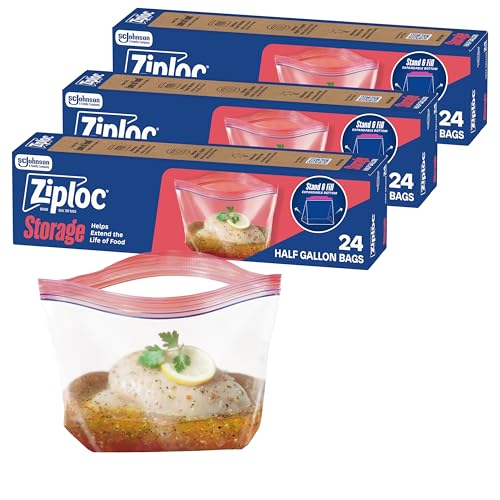
Ziploc Half Gallon Marinade Food Storage Bags (72 total)
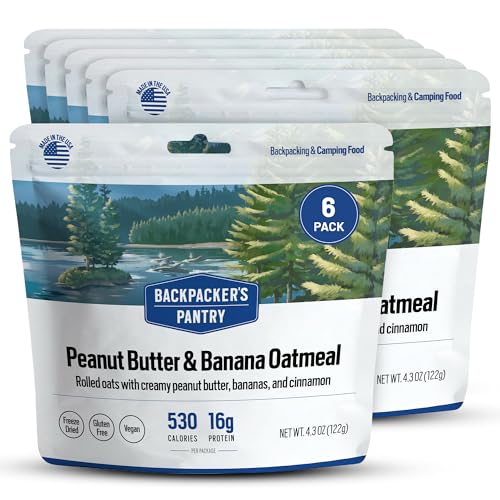
Backpacker’s Pantry Peanut Butter & Banana Oatmeal 6-Pack

Augason Farms Tomato Powder Resealable Pouch

Backpacker’s Pantry Lasagna 1-Pack

Backpacker’s Pantry White Bean, Chicken, and Green Chile Stew 1-Pack

Backpacker’s Pantry Dark Chocolate Cheesecake 1-Pack
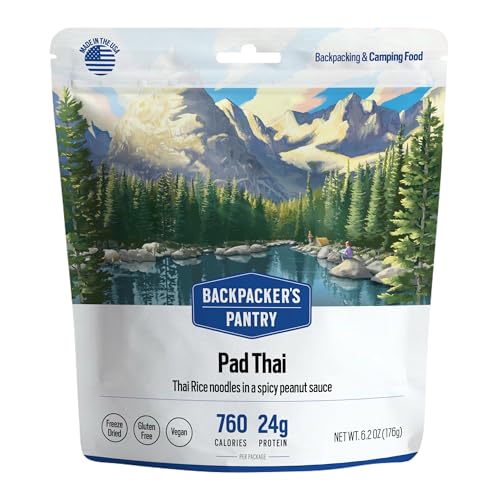
Backpacker’s Pantry Pad Thai 1-Pack
The Strengths Of Each Pick
Single-serve tuna pouches earn their spot in any lightweight pack. Each 2.6 oz pouch delivers lean protein and omega-3s without the bulky pull-tab can, and the flexible pack flattens down once eaten so it slips into a bear bag or trash tube without sharp edges. Twelve pouches cover a long weekend for one person or a generous supplement for two.
Because the tuna is already cooked and packaged in water, you can eat it cold straight from the pouch on a tired lunch break or stir it into couscous with a few shakes of Augason Farms Dehydrated Chopped Onions for a quick dinner upgrade. Wild-caught sourcing and dolphin-safe practices round out the appeal for hikers who care about where their protein comes from.
What Pays Off
- Pre-portioned 2.6 oz pouches cut prep and measuring on the trail
- Wild-caught, dolphin-friendly sourcing
- Pouches weigh less and pack flatter than cans
- Ready to eat cold or mixed into hot meals
Things To Consider
- Empty pouches still need to be packed out; some hikers crush and burn them, others carry them to a trash bin
- Plain water-packed tuna tastes mild; flavor variety means adding your own spices or oil packets
Who It Suits Best
High-mileage backpackers who want a calorie-dense, fast protein source that doesn’t need a stove to enjoy.
Consider Something Else When
If you want a hot, ready-made comfort meal instead of a cold protein, the Backpacker’s Pantry Lasagna (Item 6) is a better fit for your evening slot.
Dehydrated onions are the quiet workhorse of any trail kitchen, and this 1.43 lb can delivers around 130 servings in a shelf-stable format. You get that savory backbone without hauling fresh bulbs that bruise, leak, and spoil in your pack. Available in single, two-pack, or three-pack sizing so you can dial in the amount for short trips or extended outings.
Reconstitution takes only a few minutes in boiling water, so a spoonful turns plain rice or instant mashed potatoes into something that actually tastes like dinner. Because the can is sealed for long-term storage, you can tuck one into your car-camping bin or rotate it through your home pantry between trips. If you build your own trail meals, this is the kind of ingredient that quietly multiplies your options.
A Few Strong Suits
- Generous serving count per can
- Shelf-stable for long-term storage between trips
- Rehydrates quickly in boiling water
- Pairs with almost any savory trail meal
Points To Note
- The can adds weight and bulk compared to single-serve foil pouches
- Once opened, the contents need a sealed bag or container to stay dry on subsequent trips
Made For
Camp cooks and meal-prep hikers who want flexible flavor building blocks across multiple trips without worrying about spoilage.
Skip It When
If you prefer grab-and-go simplicity, the Backpacker’s Pantry White Bean, Chicken, and Green Chile Stew (Item 7) comes pre-flavored and ready to rehydrate in its own pouch.
Storage bags aren’t food, but they make every other item on this list easier to manage. The half-gallon size with an expandable bottom stays upright on the kitchen counter while you load freeze-dried meals, spices, and a tuna pouch into a future dinner. Grip ‘n Seal technology keeps the closure secure enough that you can marinate meat at home, freeze it flat, and stack the bricks in your pack like books on a shelf.
Three packs of 24 give you 72 bags total, so you can prep a season’s worth of trail dinners in one session. On the trail, leftovers from a Backpacker’s Pantry Pad Thai pouch tuck cleanly into a used bag for trash containment, which cuts down on loose wrappers in your pack. They also double as ice packs when stuffed with snow for a cold-soak lunch break.
Where It Excels
- Expandable bottom keeps the bag upright while filling
- Compatible with home freezer for flat-stacking pre-prepped meals
- Three-pack bulk count covers an entire hiking season
- Doubles as a trash bag or snow bottle in a pinch
Worth Noting
- Plastic bags must be packed out responsibly; in bear country, used bags need odor care
- Sharp freeze-dried ingredients can occasionally puncture thin corners on rough use
Right Fit For
Meal-preppers who like to assemble dinners at home, freeze them flat, and thaw them at camp without juggling loose packets.
Look Elsewhere When
If you want food prep done for you, the Backpacker’s Pantry Peanut Butter & Banana Oatmeal (Item 4) skips the bag entirely and goes straight from pouch to bowl.
Mornings on the trail deserve something better than a plain granola bar. This peanut butter and banana oatmeal only needs boiling water, a few minutes of steep time, and a long spoon to turn into a hot, sticky bowl of comfort at altitude. Six pouches cover six breakfasts, which lines up neatly with a weeklong section hike or a shared cabin trip for two.
The freeze-dried format keeps weight down and clean-up to a bare minimum, and the pouch doubles as your bowl if you eat straight from it. Pair it with a StarKist pouch or two on the side and you have a balanced breakfast that won’t leave you rummaging for snacks an hour later. For cold starts where you need fast calories, this is the kind of meal that wakes you up faster than the coffee does.
Bright Spots
- Six-pack covers a week of trail breakfasts
- Only boiling water and a few minutes of steep time needed
- Peanut butter adds staying power on long climbs
- Pouch serves as an eat-from bowl to save pack space
Honest Caveats
- Sweet flavor profile can feel repetitive over six consecutive mornings
- Requires a stove or hot water source, so it isn’t ideal for cold-soak only trips
Best Suited To
Backpackers heading into cooler climates or higher elevations where hot food at sunrise helps regulate body temperature and morale.
Reach For A Different Pick When
If you want savory variety at breakfast, the Augason Farms Dehydrated Chopped Onions (Item 2) can spice up plain instant grits or ramen instead.
Tomato powder is one of those rare trail ingredients that replaces an entire grocery shelf. About half a cup of water turns a spoonful into a thick paste, while a cup and a half gives you a pourable sauce for instant noodles or rice. The resealable pouch holds around 96 servings, so a single bag covers months of weekend trips.
Spoon a little into plain couscous alongside tuna, or stir it into boiling water with Augason Farms Dehydrated Chopped Onions for an instant shakshuka-style bowl. Because the powder is shelf-stable, you can keep it tucked in a gear bin between adventures and pull it out whenever a meal needs an umami boost. The pouch format is far easier to ration than a fragile glass jar in your pack.
Real-World Strengths
- Adjustable water ratio lets you make paste, sauce, or juice
- Resealable pouch keeps contents dry between trips
- Compatible with both freeze-dried dinners and DIY trail cooking
- Long shelf life for emergency or car-camping use
Practical Considerations
- Plain tomato powder needs added seasoning like salt, herbs, or chili to taste full-bodied
- Clumping can occur if water is added too quickly; whisking or stirring helps
Who Should Grab It
DIY trail cooks who like to customize freeze-dried bases or upgrade plain grains into something that tastes like a real sauce.
A Better Fit Elsewhere
If you want a fully finished tomato-flavored meal with no stirring required, the Backpacker’s Pantry Pad Thai (Item 9) packs its sauce into a single rehydrating pouch.
Lasagna on the trail sounds unlikely until you have eaten eight miles uphill and want something that feels like home. This freeze-dried pouch rehydrates into a familiar Italian-style dinner with noodles, cheese, and a tomato base that genuinely satisfies. It fits neatly into a single-serving dinner slot and weighs a fraction of any fresh pasta you’d carry.
Because everything rehydrates in the same pouch, you save on cleanup water and dish time, which matters when your water filter is running low. Pair it with a side of tuna from the StarKist pouch and a sprinkle of Augason Farms Dehydrated Chopped Onions for extra texture, and you’ve built a layered meal without much extra weight. For car campers or anyone resupplying mid-trip, the shelf-stable format is forgiving if your schedule shifts by a day or two.
Everyday Wins
- Comfort food format that boosts morale after long days
- Cooks in the pouch to save cleanup water
- Available in single, two-pack, or three-pack sizing
- Familiar Italian flavors appeal to a wide range of palates
Soft Spots
- Tomato-based meals can feel heavy in hot weather at lower elevations
- Larger portion size may be more than some ultralighters want to carry
Whose Shelf It Belongs On
Weekend backpackers and car campers who want a hearty end-of-day meal that tastes like a real plate of food rather than a ration.
Swap It Out When
If you prefer spicy Southwestern flavor and a soup-style meal, the Backpacker’s Pantry White Bean, Chicken, and Green Chile Stew (Item 7) brings heat instead of cheese.
After a wet, cold day on the trail, a steaming bowl of white bean and green chile stew hits differently. The freeze-dried pouch rehydrates into a thick, soup-style meal that warms from the inside out, with enough chicken and bean protein to help tired muscles recover. Green chiles bring a steady hum of heat that opens your sinuses when the elevation has you congested.
The stew pairs naturally with a side of StarKist tuna or a sprinkle of Augason Farms Dehydrated Chopped Onions stirred in for extra depth. Because it’s a freeze-dried format rather than dehydrated, the cook time stays short and the texture comes out closer to a real stew. For shoulder-season trips in mountain weather, a spicy stew like this earns its weight.
Noteworthy Benefits
- Spicy green chile flavor warms you up in cold conditions
- Beans and chicken add protein for muscle recovery
- Soup-style hydration helps you hit fluid goals on cold days
- Single pouch format fits into most meal slot budgets
A Few Limitations
- Heat level may not suit hikers with sensitive stomachs at altitude
- Soup format requires a long-handled spoon or fork to eat from the pouch
Perfect Match For
Cold-weather backpackers and shoulder-season hikers who want a warm, high-protein meal that doubles as hydration on chilly days.
Where Another Pick Suits Better
If you’d rather end the day with dessert than spice, the Backpacker’s Pantry Dark Chocolate Cheesecake (Item 8) rewards you instead of warming you up.
Long-distance hikers will tell you morale calories count just as much as fuel calories. This dark chocolate cheesecake rehydrates into a creamy, slightly tangy dessert that feels like a small luxury at the end of a hard day. The freeze-dried format keeps it light in your pack and shelf-stable enough to drop into a resupply box.
The pouch format means no extra bowl to wash, which matters when your water filter is dwindling at camp. It pairs nicely as an after-dinner follow-up to the Backpacker’s Pantry Lasagna or on its own as a summit reward. Because dessert adds variety to a meal plan that often skews savory, it helps you stay excited about dinner on day four or five.
Strong Points
- Real dessert option that lifts morale on long trips
- Lightweight and shelf-stable for resupply boxes
- Rehydrates in the pouch to save cleanup
- Dark chocolate adds an antioxidant note to a tired diet
Factors To Consider
- Sugar-heavy treats can feel too sweet after a savory freeze-dried entrée
- Single pouch is small, so sharing means doubling up
Who Will Love This
Thru-hikers and section hikers who need a small reward at camp or on a summit to keep their motivation high across multi-day stretches.
Not Your Match When
If you want a single savory dinner that fills you up without extras, the Backpacker’s Pantry Lasagna (Item 6) is the more substantial choice.
Vegan and vegetarian backpackers often have to work harder to find variety on the trail, and this Pad Thai solves that problem in a single pouch. The 2-serving pack is friendly for couples sharing a dinner or a solo hiker who wants leftovers for a midnight snack. Noodles, peanuts, and seasonings rehydrate into a tangy-sweet noodle bowl that doesn’t feel like a compromise.
The freeze-dried format keeps weight down, and the pouch cooks in place so you save on cleanup water. Because it’s non-GMO, vegan, and gluten-free, it also works for hikers with dietary restrictions who often struggle to find compliant options in the freeze-dried aisle. Pair it with Augason Farms Tomato Powder mixed into a side of rice for a two-course Thai-inspired evening if you have the fuel budget for it.
What It Does Well
- Vegan, non-GMO, and gluten-free profile covers common dietary needs
- Two-serving pouch works for solo dinners or couples
- Peanut and rice noodle combo delivers real staying power
- In-pouch cooking reduces cleanup water use
Some Limits To Know
- Peanut-heavy meals can feel repetitive if you’re sensitive to that flavor
- Larger two-serving size adds weight for ultralight solo trips
Built With In Mind
Plant-based backpackers, vegans, and gluten-free hikers who want a filling dinner that doesn’t sacrifice flavor for dietary compliance.
Another Choice May Suit
If you prefer a classic Italian comfort food flavor, the Backpacker’s Pantry Lasagna (Item 6) is a more familiar savory pick.
Choosing The Right Backpacking Foods For Your Trip
Match Calorie Density To Your Mileage
High-mileage days burn 3,000 to 5,000 calories, and the only way to keep up without constant snacking is calorie-dense food. Look for items that deliver at least 100 calories per ounce of dry weight. Nuts, nut butters, cheese, and dehydrated or freeze-dried entrees hit that mark, while fresh fruit and vegetables add weight for limited fuel return.
Weigh Convenience Against Customization
Single-pouch meals like the Backpacker’s Pantry line eliminate prep time, but you pay for that in cost per serving. Building meals from base ingredients such as Augason Farms tomato powder, dehydrated onions, and tuna pouches saves money but requires planning, measuring, and Ziploc bag prep. Your cooking style and trip length should drive which side of that trade-off makes sense.
Factor In Water And Fuel Needs
Freeze-dried and dehydrated meals require boiling water to rehydrate, which means carrying a stove, fuel, and enough water to cook and drink. Soup-style meals like the White Bean, Chicken, and Green Chile Stew need extra water beyond what’s in the pouch, while cold-soak options like tuna pouches skip the stove entirely. Colder trips and higher elevations usually justify the fuel weight.
Build A Rotation That Beats Menu Fatigue
Eating the same flavor profile every night wears on your motivation faster than tired legs do. Mixing savory dinners, hot breakfasts like the Peanut Butter & Banana Oatmeal, and a dessert reward like Dark Chocolate Cheesecake keeps your palate interested across a multi-day stretch. Squirreling away a small treat for the final night gives you something to look forward to on day five.
What These Picks Reveal About The Category
Pitfalls Shoppers Hit
The most common trail food mistake is overpacking fresh items that spoil in the first 36 hours, leaving you with a heavier pack and ruined ingredients. Another is choosing meals based on calorie count alone and ignoring sodium, since heavy sweating drains electrolytes and bland food kills appetite faster than hunger does. Last, many hikers forget to weigh their packaging, and a bulky foil pouch can weigh the same as a lighter, more compact option.
When Paying More Pays Off
Higher-tier freeze-dried meals command a premium partly because of ingredient sourcing and freeze-drying precision, which preserves flavor and texture that cheaper dehydrated foods lose. You also pay for portion accuracy, so a two-serving Pad Thai reliably feeds two adults instead of leaving one person reaching for snacks. For trips longer than a weekend, that consistency and palate appeal often justify the upgrade over a budget base of rice and powder.
