

A good bag of flour quietly decides whether your sourdough climbs tall, your pizza base bubbles under the peel, or your banana bread turns out dense as a brick. Walk into any kitchen supply aisle and you’ll find shelves stacked with “bread flour,” “00,” “whole wheat,” and “all-purpose,” and the differences run deeper than the label. This roundup sorts nine strong options for home bakers who care about texture, protein content, and how a bag actually behaves during a long ferment. You’ll see heritage organic blends, classic American bread flours, fine-milled Italian 00 options, coarse semolina, and an everyday all-purpose workhorse. Whether your goal is a sandwich loaf with an open crumb, a Neapolitan crust with leopard spotting, or a sturdy tagliatelle, the right bag is in here.
The Main Contenders

Sunrise Flour Mill Heritage Organic Bread Flour Blend 5 lbs

Sunrise Flour Mill Heritage Organic White Flour 80 oz

Sunrise Flour Mill Heritage Organic Whole Wheat Flour 5 lbs
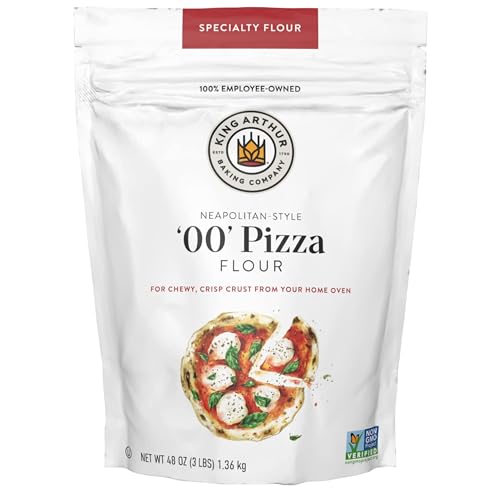
King Arthur 00 Pizza Flour 3 lb Bag

Antimo Caputo Chef’s Flour 2.2 LB Case of 10

King Arthur Bread Flour Unbleached 5 lb

Gold Medal All Purpose Flour 3 lb Resealable

King Arthur Premium Semolina Flour 3 lb Resealable
Antimo Caputo Chefs Flour 2.2 LB Pack of 10
A Closer Look At Each Pick
This blend leans on heritage wheat varieties (older cultivars grown before modern hybridization efforts) milled into a soft, nutty flour. Bakers chasing a loaf with deeper flavor and a creamier crumb reach for it as a middle path between a basic bread flour and a heavier whole wheat.
Compared to King Arthur’s standard bread flour later in the list, this option trades a touch of pure gluten strength for character. For home cooks who notice bloating after bread, that trade can feel like a genuine upgrade rather than a compromise.
A Few Strong Suits
- Pre-hybridization wheat (older varieties grown before modern crossbreeding efforts) may sit more comfortably for some digestive systems
- Nutty, smooth flavor adds depth to sourdough and rustic loaves
- 5-pound bag covers several bake sessions for a small household
- Organic, unbleached milling without chemical additives
Worth Noting
- Heritage wheats often develop less gluten than modern bread flours, so very high-hydration doughs can feel slack
- Some bakers notice a learning curve when substituting it into recipes written for stronger flours
Right Fit For
Home bakers who bake weekly sourdough and care more about flavor and digestibility than maximum oven spring.
Look Elsewhere When
You bake dense whole wheat loaves and want maximum protein punch: the Sunrise Flour Mill Heritage Organic Whole Wheat Flour further down handles that brief better.
Sunrise’s all-purpose uses the same heritage wheat base as the bread blend, but milled lighter so it slides into everything from cookies to quick breads. It’s a useful substitute for Gold Medal in a pantry that prefers organic, single-source grain.
You’ll trade a fraction of the bread strength the dedicated bread flour offers. For tall sandwich loaves, that matters, but for pancakes, biscuits, and pie dough, the difference is small.
Where It Helps
- One 80-ounce bag replaces two smaller ones, cutting down on packaging waste
- Versatile for both yeasted and non-yeasted recipes
- Non-GMO and grown without glyphosate, with no bromate additives
Points To Note
- Protein content is mid-range, so it falls short for high-hydration artisan loaves
- Heritage grain taste is mild but present, noticeable in delicate pastries like shortbread
Whose Shelf It Belongs On
Bakers who split their time between cookies, pancakes, and occasional bread and want one organic bag that handles all of it.
Reach For A Different Pick When
You mostly bake yeasted loaves and need stronger rise: King Arthur Bread Flour, reviewed below, is the better bet.
Red hard wheat gets milled within ten days of shipping, and the grind is intentionally fine. That matters: typical whole wheat feels gritty because the bran (the outer fiber-rich layer of the wheat kernel) stays coarse. A super-fine grind softens the texture without bleaching anything out.
Compared to the bread blend above, this is the more whole-grain choice. Expect denser crumb and richer color, but less of the rubbery chew that puts some bakers off whole wheat.
Where It Delivers
- Fine grind helps a 100% whole wheat loaf feel closer to white bread in tenderness
- No bleaching or bromate, just clean organic whole wheat
- Fresh milling window keeps flavor lively in pancakes and muffins
Honest Caveats
- Whole wheat still absorbs more water than white, so expect to tweak hydration
- Some bakers note the bag’s reseal isn’t the tightest; transferring to a sealed container helps with shelf life
Key Product Details
Best Suited To
Anyone committed to 100% whole wheat loaves who still wants a tender bite rather than a brick.
Skip It When
Your weeknight bakes lean on white flour recipes: the Sunrise Flour Mill Heritage Organic White Flour stays closer to those results.
The 00 grading system refers to how finely the flour is milled: “00” sits at the finest end, with a texture closer to talcum powder than typical bread flour. King Arthur builds its American-grown version from a custom blend of hard and soft wheats, then mills it to a Neapolitan standard. The result is a flour that opens up under high heat and shows off the dark leopard spotting prized on wood-fired pies.
It performs differently than the heritage bread flour earlier. That blend rewards a slow, cool rise, while this one is built for 60 to 90% hydration doughs that hit a screaming-hot oven fast.
What Helps Most
- Milled fine enough to develop an open, airy cornicione (the puffed outer rim of a Neapolitan pizza)
- Sourced from American wheat, so shipping tends to be steadier than imported options
- Non-GMO verified, useful for shoppers who screen for that label
Possible Compromises
- 00 grind is too soft for tall sandwich loaves; dough won’t trap gas the way bread flour does
- Best results really do want a 700°F-plus oven or a pizza stone close to that
Quick Facts
Who Should Grab It
Pizzaiolos at home with a proper stone or steel who chase leopard-spotted Neapolitan crusts.
Swap It Out When
You bake thick Sicilian or pan pizzas and want more chew: King Arthur Bread Flour is the better base.
Caputo’s Chef’s Flour is the bag most American home pizzaiolos reach for by name. The case-of-ten format ships 22 pounds total, which sounds like a lot until you realize how fast 00 disappears in a pizza household. The flour is soft wheat Italian-milled and built around long, cold fermentation, so flavor develops cleanly over 24 to 72 hours in the fridge.
It’s similar in spirit to the King Arthur 00 above, but the soft-wheat base behaves differently in dough. Expect a slightly more tender chew and a more pronounced nutty aroma once baked.
What Earns Its Place
- Soft Italian wheat handles long cold ferments without breaking down
- 22-pound case pack brings the per-bag cost down for heavy users
- Reliable for thin Neapolitan, pan pizza, and even fresh pasta
Things To Weigh
- 22 pounds is overkill for anyone baking pizza once a month
- Storage demands a cool, dry pantry; soft wheat can turn rancid faster than hard wheat
Feature Rundown
Made For
Weekly pizza makers and small pizzerias who go through a 2-pound bag every couple of weeks.
A Better Fit Elsewhere
Casual bakers are better served by the King Arthur 00 Pizza Flour 3-pound single bag, which avoids the bulk commitment.
King Arthur’s bread flour is the quiet workhorse of the American home bakery. Protein content sits higher than most national competitors, which translates to a stronger gluten network and the kind of tall, chewy crumb you’d expect from a good bakery loaf.
It isn’t trying to be anything niche. Where the heritage Sunrise blends earlier in this list aim for flavor and digestibility, this one aims for predictable, repeatable performance. Bakers often settle on it and never switch.
A Favorable Mix
- Strong gluten development supports long kneads and overnight cold rises
- Unbleached, so the natural pale color stays intact
- Reliable 5-pound bag fits standard pantry storage
Less-Strong Areas
- Not a whole grain, so 100% whole wheat recipes will need different flour entirely
- For pizza specifically, a dedicated 00 like the King Arthur 00 above handles hydration better
Perfect Match For
Bakers running weekly sandwich loaves, dinner rolls, and cinnamon rolls who want a flour they don’t have to think about.
Consider Something Else When
You’re baking a rustic Italian loaf and want 00 behavior: Antimo Caputo Chef’s Flour is the more traditional path.
Gold Medal’s all-purpose is the bag most American kitchens already have. Protein sits at the lower end of all-purpose, which actually makes it friendlier for cookies, cakes, and quick breads. For yeasted bread it can hold its own at moderate hydration, especially if you want a tender crumb rather than an open one.
Versus King Arthur Bread Flour reviewed above, this bag trades raw strength for flexibility. You can swap it into pie crust, biscuits, and gravy without a second thought.
What Pays Off
- Resealable bag keeps the flour fresh without transferring containers
- Lower protein content means less tough cookies and cakier crumb
- Widely available and familiar to most home bakers
Potential Sticking Points
- Not a true bread flour, so very high-hydration loaves may collapse
- Standard all-purpose, so flavor and color are neutral rather than distinctive
Built With In Mind
Family kitchens that bake a little of everything, from cookies to pizza, and want one bag in the pantry.
Where Another Pick Suits Better
You bake artisan bread weekly and want a real bread flour: King Arthur Bread Flour is the upgrade path.
Semolina comes from durum wheat (a hard, high-protein wheat variety typically used for pasta) and mills into a coarse, pale yellow flour with a naturally sweet, nutty flavor. King Arthur’s version is high in protein and coarse-ground, which means it absorbs water differently than a 00 or standard bread flour.
It’s the bag for fresh pasta. Cuisinart-style extruders, hand-rolled sheets, and orecchiette all benefit from the texture. It also works blended into pizza dough for a more toothsome crust.
Real Benefits
- Coarse grind gives pasta dough that satisfying bite
- USA-grown durum with kosher certification
- Resealable 3-pound bag keeps the coarse texture from clumping
Smaller Limitations
- Coarse grind feels gritty in delicate cakes or sandwich bread if used solo
- Best used in combination with a finer flour for most baking applications
Feature Snapshot
Who Will Love This
Home pasta makers who pull out the extruder or rolling pin a few times a month and want a flour that holds its shape.
Not Your Match When
You bake mostly lean sandwich loaves: King Arthur Bread Flour is the more flexible everyday option.
This listing of Caputo’s Chef’s Flour packages the same 2.2-pound bag into a 10-pack, totaling 22 pounds. For anyone running weekly pizza nights, family gatherings, or a small weekend operation, that scale shifts the per-bag math in your favor.
Compared to the B0045RE69A case earlier, the difference is mostly the listing format and a slightly different packaging run. The flour inside is the soft-wheat Italian-milled 00 that Caputo has built its reputation on.
Points In Its Favor
- 22-pound total works out to a sensible per-bag cost for high-volume users
- Soft wheat base handles 24-72 hour cold ferments without over-oxidation
- Multi-purpose enough for pizza, bread, and fresh pasta
Trade-Offs To Consider
- Soft wheat degrades faster than hard; plan to use the case within several months
- 22 pounds is a serious commitment for casual bakers who bake once a month
At A Glance
The Right Fit
Serious home pizzaiolos and small food businesses baking multiple pies a week who want Italian 00 in meaningful quantity.
Not Your Match When
You’re still dialing in your pizza dough: the King Arthur 00 Pizza Flour 3 lb bag is a friendlier place to start.
What Actually Matters When Buying Bread Flour
Protein content drives most of the behavior you’ll see at the mixing bowl. Higher protein means stronger gluten development, which traps more gas during fermentation and gives you an open, chewy crumb. Bread flour typically runs 12 to 14 percent protein, while all-purpose hovers around 9 to 11 percent. For tall sandwich loaves, that extra strength is non-negotiable.
Reading Wheat Type And Grind
Modern hybrid wheat, heritage varieties, and durum all behave differently in dough. Heritage wheats often feel softer on the stomach but produce a more delicate structure. Durum, ground into semolina, gives pasta that satisfying snap. 00 grind, the Italian classification for the finest milling, suits pizza and tender breads but struggles with tall loaves that need gas retention.
Matching Flour To Technique
Long, cold ferments reward strong bread flour and Italian 00, both of which hold up to 48 to 72 hours in the fridge. Quick-rise loaves can lean on all-purpose without much sacrifice. Pasta is its own conversation: coarse semolina is the standard, and nothing else quite replicates the texture.
Storage And Freshness
Flour keeps longer in a cool, dry, sealed container. Whole wheat and heritage varieties, with their higher oil content, are the first to go rancid. Most bakers find a 3 to 6 month window is the sweet spot for peak flavor and aroma.
Key Considerations Across These Picks
Common Buying Slip Ups
The biggest trap is reaching for the cheapest bag on the shelf. All-purpose flour bakes fine cookies, but it won’t give you the oven spring you want in a yeasted loaf. The other classic mistake is buying 00 expecting bread flour behavior: 00 is too finely milled for tall sandwich loaves, and you’ll wonder why your dough collapsed in the oven.
What The Higher Tier Buys
Premium and heritage flours bring cleaner ingredient sourcing, fresher milling, and grain character you can taste. The upgrade matters most in sourdough, where long ferments amplify every nuance. For casual sandwich bread, a standard bread flour covers the brief. For pizza nights and weekend loaves, a higher-tier bag earns its place in the pantry.
