

Brownies, midnight hot chocolate, devil’s food cake, mole sauce: a single tin of cocoa quietly does more work in your pantry than almost any other ingredient. The trouble is that “cocoa powder” covers a wide spectrum, from sharp natural cocoa that pairs with baking soda to mellow Dutch-process blends, intense black cocoa for Oreo-style cookies, and raw cacao with the bitterness left in. Picking the wrong one can leave your cake flat, your frosting chalky, or your cookies tasting surprisingly bitter.
This guide walks through ten cocoa powders worth your pantry space, mixing trusted grocery-store staples with specialty and ceremonial options. Each pick explains what it does, who it’s best for, and where it sits on the natural-versus-Dutch spectrum, so you can match the right tin to the recipe in front of you.
The Essentials At A Glance

Nestle Toll House Baking Cocoa 8 oz 2-Pack

Blommer Black Cocoa Powder

Droste Dutch Style Cocoa 8.8oz Pack of 3

Guittard Rouge Red Dutch Process Cocoa 8oz

Modern Mountain Dutch Processed Cocoa 1 lb

Antler Farms Organic Raw Cacao Powder 200g

Rodelle Gourmet Baking Cocoa 25 Ounce

OHM Organic Raw Cacao Powder 33 Servings
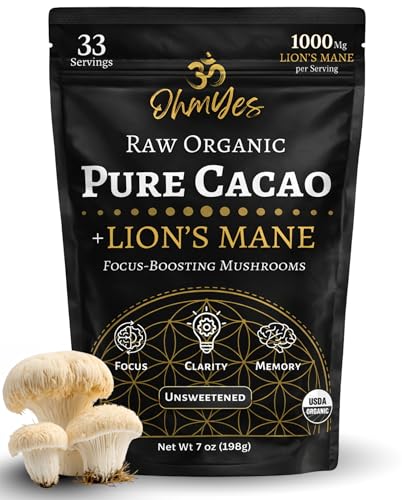
OhmYes Lion’s Mane Mushroom Cacao 33 Servings

OhmCacao Pure Cacao + Javaberry Honey Bundle
The Details Behind The Selections
This is the cocoa most home bakers already have on the shelf, and that’s not a knock. Nestle Toll House Baking Cocoa is labeled 100% pure cocoa, lands in a two-pack that covers a busy weekend of brownies and cookies, and behaves predictably in recipes that call for natural cocoa (cocoa that hasn’t been treated with alkali) paired with baking soda.
It’s a sensible default for the back of a Toll House cookie tin, a one-bowl chocolate cake, or a basic chocolate buttercream. The flavor leans classic and slightly sharp, which works well with sugar and butter but may taste a touch thin if you’re used to deeper, more roasted cocoa profiles.
Where It Excels
- Widely available, recognizable, easy to swap into older family recipes.
- Two-pack format stretches a single shopping trip through multiple baking sessions.
- Natural cocoa acidity reacts reliably with baking soda for good rise.
- Neutral, kid-friendly flavor that doesn’t overwhelm frosting.
Honest Caveats
- Flavor is workmanlike rather than deeply roasted, so dark-chocolate purists may want more.
- The two-pack size may be more than occasional bakers can use before staleness sets in.
Whose Shelf It Belongs On
Home bakers making classic American cookies, cakes, and frostings who want a familiar pantry staple.
Look Elsewhere When
You want a deeper, more European-style chocolate note; the Guittard Rouge Red Dutch Process Cocoa is a richer upgrade for specialty cakes.
Blommer Black Cocoa Powder is the cocoa you reach for when you want a cookie or cake that looks almost dramatic on a plate. This is a heavily Dutched (alkali-treated) cocoa with a near-black color, often listed in the 10 to 12% fat range, and it’s the same style of cocoa used in classic chocolate sandwich cookies and dark wafer-style treats.
Because the color is so intense, bakers usually blend black cocoa with a more standard Dutch cocoa to keep the flavor balanced. Used straight, it can taste slightly chalky or ashy, but in the right ratio it adds a striking visual contrast.
The Value In It
- Produces a near-black color that regular Dutch cocoa can’t match.
- Available in 1, 2.5, and 5 pound sizes for serious bakers.
- Shelf-stable dry powder that stores easily in a cool, dark pantry.
- Excellent for ice cream sandwich wafers and themed holiday cookies.
Points To Note
- Flavor is muted and slightly mineral on its own, so it usually needs blending with another cocoa.
- Not the right choice for recipes that depend on natural cocoa reacting with baking soda.
Built With In Mind
Bakers chasing that dramatic dark cookie or cake aesthetic and willing to blend it with a milder cocoa.
Consider Something Else When
You want a more balanced everyday Dutch cocoa; Droste Dutch Style Cocoa is gentler and more versatile for general baking.
Droste is one of those Dutch cocoa brands with a long European baking pedigree, and this listing ships three 8.8 ounce boxes at once. The cocoa is Dutch processed, which means it’s been treated with an alkali to neutralize natural acidity, producing a smoother, less bitter, darker powder that dissolves easily into milk and butter.
That smoothness is exactly why Droste is a go-to for hot cocoa, custards, and European-style buttercreams. The triple pack means you can keep one box open for daily drinks and keep the others sealed for later, reducing how often you re-buy.
Points In Its Favor
- Dutch processing tames bitterness, so recipes taste rounder without extra sugar.
- Dissolves smoothly into warm milk for a silken hot cocoa.
- Triple-box value suits regular home bakers.
- Works well in frostings where you want a clean, deep chocolate color.
Soft Spots
- Because it’s Dutch processed, it won’t react with baking soda the way natural cocoa does, so older recipes may need a leavening tweak.
- Boxes are smaller than bulk canisters, so very frequent bakers may run out quickly.
Feature Snapshot
Best Suited To
Hot chocolate enthusiasts and buttercream bakers who want a mellow, European-style cocoa in steady supply.
Skip It When
You’re baking a recipe that specifically calls for natural cocoa and baking soda; the Nestle Toll House 2-Pack is a better natural cocoa choice.
Guittard’s Rouge Red is a Dutch-process cocoa that takes its name from the warm, reddish-brown hue it brings to batters and frostings. It’s marketed as unsweetened and is a frequent choice for bakers chasing that deep, almost mahogany color in chocolate cakes, whoopie pies, and ganaches.
For a single 8 ounce can, it’s not the cheapest cocoa per ounce on this list, but the payoff is flavor clarity. It tastes more rounded and less harsh than grocery-store cocoa, and the color it lends baked goods is a noticeable step up.
Good Reasons To Consider
- Reddish tint that gives cakes and frostings a richer, warmer look.
- Dutch processing creates a smooth, mellow chocolate flavor.
- Compact 8 ounce can fits easily in small pantries.
- Available in single-can or 2-pack for flexible stocking.
Room For Improvement
- Higher per-ounce cost than bulk grocery cocoa.
- Smaller can size means frequent bakers may need the 2-pack.
Who Will Love This
Home bakers working on special-occasion cakes and frostings where color and refined flavor matter as much as quantity.
Where Another Pick Suits Better
You bake in large batches and want similar Dutch character at lower cost; Rodelle Gourmet Baking Cocoa comes in a 25 ounce canister and is a more budget-friendly daily driver.
Modern Mountain leans into richness with a Dutch-processed cocoa marketed at 22 to 24% fat content, which is meaningfully higher than standard grocery cocoa. That extra cocoa butter shows up in texture: brownies bake up fudgier, frostings whip up silkier, and the chocolate flavor lands deeper on the palate.
The 1 pound pouch is sized for steady home baking rather than a single weekend project. The brand also markets the product as non-GMO and culinary grade, which is a nice signal for shoppers who care about sourcing.
Useful Touches
- 22 to 24% fat content for noticeably richer mouthfeel.
- 1 pound pouch suits frequent bakers without going full commercial.
- Dutch processing smooths out bitterness for rounder flavor.
- Non-GMO positioning appeals to ingredient-conscious shoppers.
Factors To Consider
- Pouch format requires a clip or transfer to an airtight container to keep moisture out.
- Because it’s Dutch processed, swap in baking powder when a recipe calls for baking soda with natural cocoa.
Made For
Home bakers chasing ultra-fudgy brownies, dense cakes, and rich chocolate frostings where extra cocoa fat makes a visible difference.
Swap It Out When
You need the visual drama of black cocoa for themed cookies; Blommer Black Cocoa Powder is purpose-built for that role.
Antler Farms takes a different route from Dutch cocoa. This is a raw cacao powder, sourced from the Amazon basin in Peru, and the brand emphasizes that it’s never roasted or heated, just cold-milled. The result is a single-ingredient, certified organic powder with no flavors, sweeteners, or fillers added.
Because the beans aren’t roasted, the flavor stays bright, fruity, and noticeably more bitter than Dutch cocoa. That profile plays well in smoothies, overnight oats, and energy bites, where you want a true cacao character rather than a baked cocoa note.
Key Advantages
- Single-ingredient label with no added flavors, sweeteners, or fillers.
- Certified organic and non-GMO for clean-label shoppers.
- Cold processing preserves more of the original nutrient and flavonoid profile.
- Available in 7 ounce single or 2-pack for flexible stocking.
Practical Considerations
- Raw cacao tastes more bitter than Dutch cocoa, so recipes may need extra sweetener.
- Smaller, premium-size packaging means a higher per-ounce cost than grocery cocoa.
Feature Rundown
Perfect Match For
Clean-label bakers, smoothie drinkers, and anyone prioritizing single-ingredient, organic cacao for everyday recipes.
Another Choice May Suit
You want a sweeter, rounder profile for hot cocoa; Droste Dutch Style Cocoa produces a more dessert-like cup.
Rodelle’s 25 ounce canister is built for bakers who don’t want to think about running out. It’s a Dutch-process cocoa, marketed as gourmet and made from 100% cacao, with a flavor profile aimed at fudgy brownies, hot cocoa, and rich chocolate cake.
Alkali processing reduces acidity, so the cocoa dissolves smoothly and pairs well with baking powder. The large canister is also a reasonable value per ounce for anyone going through cocoa quickly across multiple recipes each month.
Bright Spots
- 25 ounce size covers heavy bakers and frequent hot cocoa drinkers.
- Smooth Dutch flavor that works across cakes, frostings, and drinks.
- Canister format stores easily on a pantry shelf.
- Pairs naturally with baking powder in modern recipes.
Small Caveats
- Large canister may be more cocoa than occasional bakers can use before flavor fades.
- Dutch processing means it’s not a drop-in for natural cocoa baking soda recipes.
Who Should Grab It
Active home bakers who run through cocoa quickly and prefer to keep one large canister on hand rather than re-ordering small boxes.
Not Your Match When
You want an organic or single-origin story; Antler Farms Organic Raw Cacao Powder fits that clean-label lane better.
OHM’s raw cacao is positioned for shoppers who care as much about sourcing as flavor. It’s organic, non-alkalized (so it hasn’t been Dutch processed), milled at low temperatures, and the brand markets every batch as tested for heavy metals like cadmium and lead, with the test results tied to the product listing.
Because the cocoa is non-alkalized, it retains a higher level of naturally occurring flavanols (plant compounds linked to antioxidant activity) than Dutch cocoa. The trade-off is a more bitter, more acidic cup, which works best in drinks, smoothies, and lightly sweetened recipes.
What Works In Its Favor
- Heavy-metal testing addresses a real concern in some cacao supplies.
- Non-alkalized processing preserves higher flavanol content.
- Sourced from organic Peruvian farms with transparent origin.
- 33-serving pouch size fits a month of daily drinks.
A Few Limitations
- Non-alkalized flavor is more bitter than Dutch cocoa, so baking recipes may need sugar adjustments.
- Premium positioning puts it at a higher per-serving cost than grocery cocoa.
Quick Facts
Right Fit For
Wellness-oriented home bakers and daily-drink drinkers who want tested, organic cacao for hot chocolate and smoothies.
Where A Sibling Pick Shines
You want a smoother, sweeter cup for dessert-style hot cocoa; Droste Dutch Style Cocoa lands closer to that classic profile.
OhmYes combines raw organic cacao with lion’s mane mushroom powder, marketing the blend around focus, memory, and a sugar-free hot chocolate experience. The ingredient list stays short, with the brand emphasizing USDA Organic inputs and no added sugar, fillers, or artificial sweeteners.
This is less of a baking cocoa and more of a daily drink mix. Lion’s mane has a mild, earthy flavor that mostly disappears behind the cacao, so the cup still tastes like a slightly bitter hot chocolate rather than a mushroom tea.
Well-Handled Touches
- Two-ingredient format keeps the label easy to read.
- USDA Organic positioning covers both the cacao and the mushroom.
- Unsweetened format fits low-sugar and keto routines.
- 33-serving pouch size covers a month of daily drinks.
Less Ideal Details
- Functional ingredient means the flavor profile is less versatile for standard baking.
- Without added sugar, the cup is genuinely bitter unless blended with a sweetener.
Who It Suits Best
Drink-first shoppers building a morning or afternoon focus routine who want a quick cacao-and-mushroom mix without measuring powders separately.
Reach For A Different Pick When
You want pure cocoa for baking or plain hot chocolate; OHM Organic Raw Cacao Powder is a single-ingredient alternative without the functional add-in.
OhmCacao’s bundle pairs a 7 ounce pouch of organic cacao powder with a 250 gram jar of Javaberry raw honey, a coffee-blossom honey infused with coffee fruit extract. The pitch is a ready-made morning ritual: cacao, hot water, and a spoon of the dark honey, mixed into a sweetened, antioxidant-leaning drink.
The cacao is the same raw, organic style as the OHM single-ingredient pouch, and the honey acts as a built-in sweetener. You can still use the cacao on its own for baking or smoothies; the honey is the bonus.
The Good Stuff
- Bundle solves the sweetener problem for raw cacao in one box.
- Organic cacao paired with a distinctive coffee-blossom honey.
- Both pieces can be used separately in baking or cooking.
- Makes a nice gift for anyone curious about cacao rituals.
Worth Bearing In Mind
- Bundle pricing puts this above the cost of plain cocoa plus your own honey.
- Raw honey isn’t suitable for anyone avoiding honey in their diet.
The Right Fit
Drinkers exploring a daily cacao ritual who want a curated cacao-and-honey pairing without buying each piece separately.
A Better Fit Elsewhere
You want a single tin of pure baking cocoa for traditional recipes; Rodelle Gourmet Baking Cocoa is a more conventional all-purpose pick.
What Matters Most When Choosing Baking Cocoa Powders
Natural Versus Dutch Processing
The single biggest fork in the cocoa aisle is natural versus Dutch. Natural cocoa is simply roasted cacao beans ground into powder, with its original acidity intact, which makes it react with baking soda to help baked goods rise. Dutch cocoa is treated with an alkali to neutralize that acidity, producing a darker, smoother, less bitter powder that pairs with baking powder. Pick the type your recipe was written for. Swapping one for the other usually means adjusting the leavening, not just the cocoa.
Fat Content And Mouthfeel
Cocoa butter is where chocolate flavor lives, and higher fat content generally means richer brownies, silkier frostings, and more decadent hot cocoa. Most standard cocoa sits in the 10 to 12% fat range, which works fine for most recipes. Specialty options pushing 22 to 24% fat, like the Modern Mountain blend, lean toward fudgier, more confectionary results. For most bakers, fat content is a quality dial rather than a hard requirement.
Color, Origin, And Specialty Use Cases
Cocoa color ranges from light brown to nearly black, and color often signals flavor intensity. A reddish Dutch cocoa like Guittard Rouge Red gives a warm mahogany tint to cakes, while heavily Dutched black cocoa like Blommer produces that dramatic Oreo-style darkness. Single-origin and organic options, such as Antler Farms or OHM, tend to appeal to shoppers who care about provenance, sourcing, or transparency.
Format, Freshness, And Daily Use
Consider the size and packaging that match your baking rhythm. Small boxes or 8 ounce cans are friendly to occasional bakers and reduce the chance of stale cocoa on the shelf. Larger canisters, pouches, or 1 pound bags suit frequent bakers who go through cocoa quickly. Cocoa is shelf-stable, but flavor fades once a package is opened, so buy the size you’ll actually finish in a few months.
Key Considerations Across These Picks
Common Shopping Slip Ups
The most frequent mistake in this category is treating “cocoa” as a single ingredient. A recipe written for natural cocoa and baking soda will turn out flat and soapy with a Dutch cocoa, and vice versa. Read the recipe’s cocoa type and leavening before you buy. Another common slip is assuming all Dutch cocoa tastes the same; alkalization level varies widely, and a heavily Dutched black cocoa will behave very differently in frosting than a lighter Dutch blend.
Where The Extra Money Goes
Higher-priced cocoa on this list tends to spend the money in three places: specialty processing (raw or low-temperature milling for the organic options), specific sourcing (single-origin Peruvian cacao), or testing and transparency (heavy-metal testing, organic certification). That premium pays off when those qualities matter to you, such as clean-label baking, wellness drinks, or consistent specialty-cake results. For everyday brownies and cookies, a solid mid-range cocoa like Nestle Toll House or Droste gets the job done without the upcharge.
Frequently Asked Questions
What Is The Difference Between Natural And Dutch-Processed Cocoa?
Natural cocoa is simply ground roasted cacao beans, with their original acidity preserved, so it reacts with baking soda to help baked goods rise. Dutch cocoa has been treated with an alkali to reduce that acidity, producing a darker, smoother, less bitter powder that pairs with baking powder. Most recipes assume a specific type, so matching matters.
Can Cocoa Powder And Cacao Powder Be Used Interchangeably?
In most baking recipes, yes, with the understanding that “cacao” often refers to a less-processed, sometimes raw powder with a more bitter, fruitier flavor. The two terms describe similar products at different processing levels, so flavor and sweetness may shift slightly. If a recipe lists baking soda, reach for natural cocoa or cacao. If it lists baking powder, Dutch is usually the better fit.
How Should Cocoa Powder Be Stored At Home?
Keep cocoa in its original sealed container or transfer it to an airtight jar, stored in a cool, dark pantry away from heat and moisture. Most cocoa stays flavorful for one to two years unopened and a few months once opened, though flavor will gradually fade over time.
Is Higher Fat Content In Cocoa Always Better?
Not always. Higher fat content, often in the 22 to 24% range, produces richer, fudgier results in brownies and frostings, but most standard recipes work fine with cocoa in the 10 to 12% fat range. Fat content is a quality dial that matters most for confectionary-style bakes.
What Is Black Cocoa Used For?
Black cocoa is a heavily Dutched cocoa with a near-black color and a slightly muted, almost ashy flavor on its own. It’s used to create dramatic-looking cookies, ice cream sandwich wafers, and dark-themed cakes, usually blended with a milder cocoa so the flavor stays balanced.
Closing Remarks
Your best cocoa powder really comes down to what you bake most often and what you expect from the flavor. Classic cookie-and-cake bakers will be happy with a reliable staple like Nestle Toll House or Rodelle. Hot cocoa and buttercream lovers get the smoothest results from Dutch options like Droste or Guittard Rouge Red. Shoppers chasing a clean-label or wellness angle will find what they need in the Antler Farms, OHM, or OhmYes selections. Start with the format and flavor profile that fits your most-used recipes, and let the rest of your pantry build out from there.
