

A good balsamic dressing should make a bowl of greens feel like the best part of dinner, not an afterthought. The trouble is that grocery shelves overflow with options, and the difference between a forgettable bottle and one you keep reaching for usually comes down to ingredient quality, balance, and how the dressing behaves beyond salad. Some shoppers want a pour-and-go vinaigrette for weeknight meals. Others want an aged vinegar to build dressings from scratch, or a thick glaze for finishing plates. This list covers the full range: ready-made vinaigrettes, classic creamy options, a standalone aged vinegar, and a finishing glaze. Each pick serves a different routine, so the right choice depends on what your kitchen actually needs.
A Snapshot Of The Selections

Chef Tim’s Sweet Balsamic Vinaigrette 32 oz

Olive Garden Signature Italian Dressing, 16 fl. oz.

Olive Garden Classic Caesar Dressing 16 fl. oz.

Olive Garden Parmesan Ranch Dressing & Dip, 16 fl. oz.
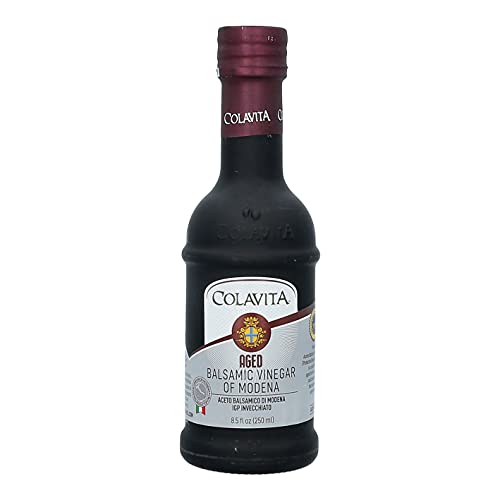
COLAVITA Aged Balsamic Vinegar, 8.5 OZ

Colavita Balsamic Glaze 8.5 fl. oz. Plastic Bottle
Taking A Closer Look At The Options
Two 32-ounce bottles land on your doorstep, which matters for anyone who dresses salads most nights. Chef Tim’s Sweet Balsamic Vinaigrette leans on aged balsamic vinegar from Modena (a region in northern Italy famous for its traditional balsamic production) and olive oil, with a short ingredient list that stays close to what you might whisk together at home.
The pour-and-shake format saves time on busy evenings, and the same bottle pulls double duty as a marinade for chicken, shrimp, or vegetables. Households that cook from scratch a few times a week will probably burn through this faster than they expect, which is exactly the point of the twin-bottle format.
Bright Spots
- Two-bottle value pack keeps a backup on hand for heavy-use kitchens
- Sweet-leaning profile that flatters bitter greens like arugula and radicchio
- Doubles as a marinade, so you can skip a separate bottle for meat or tofu
- Olive oil base, no mystery oils, and a short ingredient panel that reads like a homemade recipe
Worth Noting
- 32 ounces is a lot for a single-person household; check the fridge space before committing
- Sweet enough that anyone preferring a sharp, tangy finish may want to balance it with extra vinegar or lemon
- Once opened, you’ll want to use it within a few weeks for the freshest flavor
Feature Snapshot
Who It Suits Best
Families or anyone running through a bottle a week who wants a sweet-leaning balsamic that handles both salads and marinades.
Where Another Pick Suits Better
Solo cooks who want to experiment with their own ratios will get more mileage from the COLAVITA Aged Balsamic Vinegar.
Not technically a balsamic, but a well-loved option to keep on the list. Olive Garden Signature Italian Dressing leans on Italian herbs, oil, and vinegar for a flavor profile many people associate with a particular restaurant breadstick basket. For anyone building a pasta salad or sub sandwich, it does the job without needing extra seasoning.
The 16-ounce bottle is a manageable size for a fridge door and a comfortable pickup for casual cooks. The flavor skews herb-forward rather than tangy, so it works well on chopped salads and as a drizzle over grilled vegetables. Shoppers who already use the brand’s creamy options will recognize the seasoning blend.
Reasons It Performs
- Built-in Italian herb profile adds seasoning to a salad without extra bottles
- Versatile on pasta salads, antipasto platters, and as a sandwich drizzle
- Pourable consistency that clings to greens without pooling at the bottom of the bowl
Points To Note
- Not a true balsamic, so anyone committed to a strict balsamic-flavored dressing will want to pair it with one of the vinegar picks on this list
- Strong herb character may compete with delicate greens like butter lettuce
Right Fit For
Anyone stocking a weeknight salad routine who wants a versatile Italian-style dressing that doubles as a pasta or sandwich option.
Skip It When
Strict balsamic purists will get more from the Chef Tim’s vinaigrette earlier in the lineup.
A Caesar without anchovies can feel like a compromise, but this version leans on real Parmesan, red wine vinegar, and lemon to build a creamy, savory bowl. The 16-ounce format works for households that go through a Caesar every week or two, and the bottle’s seasoning blend saves you from mixing a paste of garlic, mustard, and Worcestershire at home.
Beyond the standard romaine-and-crouton routine, the dressing spreads well on chicken sandwiches and works as a dip for roasted vegetables. The parmesan-forward flavor is what makes it feel like more than a generic creamy dressing. Compared with the Signature Italian above, this one is heavier and richer, better for hearty mains than delicate greens.
Everyday Advantages
- Real Parmesan gives the dressing an actual cheese flavor rather than a powdered hint
- Thick enough to use as a sandwich spread or a wrap base
- Lemon and red wine vinegar cut through the creaminess so it doesn’t feel heavy
Some Limits To Know
- Contains dairy, so it isn’t suited to anyone avoiding milk-based dressings
- Heavier body means it can overwhelm light salads; thick greens like kale or romaine are a better match
- Once opened, the bottle generally keeps for a few weeks refrigerated, so plan to use it steadily
Feature Snapshot
Best Suited To
Caesar devotees and anyone who wants a creamy dressing that doubles as a sandwich spread on rotation.
Look Elsewhere When
Anyone wanting a tangy vinaigrette for everyday green salads will find the Chef Tim’s a more consistent fit.
When a single bottle has to cover wings, pizza night, and a salad the next day, a Parmesan ranch earns its place. This one balances the tangy, herby ranch profile with real Parmesan, producing a thicker pour that holds up as a dip without thinning out under hot wings or breaded chicken.
Family cooks usually appreciate the dual-purpose label, since the same bottle moves from a snack platter to a chicken wrap without anyone noticing the swap. The flavor lands between the Signature Italian and the Classic Caesar on the creaminess scale, which makes it a more neutral middle-ground option. For households that want one creamy dressing covering the most common requests, this is a solid all-rounder.
Key Advantages
- Functions as both a pourable dressing and a thicker dip for veggies or wings
- Real Parmesan adds a savory layer that standard ranch often lacks
- Kid-friendly flavor that works on pasta salads and simple green salads alike
Worth Bearing In Mind
- Strong ranch profile may overshadow delicate ingredients; heavier vegetables and proteins pair best
- Contains dairy, so it won’t suit anyone avoiding milk-based dressings
Made For
Family kitchens and casual entertainers who want one bottle that handles wings, wraps, and a side salad with equal ease.
Reach For A Different Pick When
Anyone who wants a true balsamic flavor will do better with the Chef Tim’s vinaigrette or the Colavita glaze.
Aged balsamic vinegar is the ingredient that makes almost every balsamic dressing possible. The COLAVITA Aged Balsamic Vinegar comes in a compact 8.5-ounce bottle that disappears into a pantry without taking over a shelf, and the aged style delivers a deeper, slightly sweeter profile than non-aged grocery vinegars.
Home cooks who like dialing in their own ratios can whisk this with olive oil, mustard, and a touch of honey for a custom vinaigrette, or reduce it on the stove for a thicker finishing sauce. The smaller bottle is a plus for occasional users, since the vinegar won’t sit untouched for months. Compared with the ready-made bottles earlier in this list, this one gives you full control over sweetness, salt, and consistency.
Practical Advantages
- Single-ingredient base lets you adjust sweetness, salt, and thickness to taste
- Aged style brings a deeper, rounder flavor than budget balsamic options
- Compact 8.5-ounce bottle suits small kitchens and occasional cooks
What To Weigh
- Requires extra prep: oil, mustard, or a reduction step before it’s table-ready
- Not a one-step pour, so anyone wanting a grab-and-go bottle should look at the ready-made options instead
Feature Snapshot
Who Will Love This
Home cooks who enjoy building dressings from scratch and want a versatile base ingredient in the pantry.
Not Your Match When
Shoppers who want a ready-to-pour salad dressing will find the Chef Tim’s a more convenient everyday fit.
A balsamic glaze is essentially a reduced balsamic vinegar thickened to a syrupy texture, and the Colavita version comes ready to drizzle. The 8.5-ounce plastic bottle is light, easy to squeeze, and travels well between kitchen and outdoor grill or cheese board.
It shines as a finishing touch rather than a working dressing. Drizzle it over grilled chicken, roasted vegetables, fresh strawberries, or a slice of cheesecake when you want a glossy, sweet-tangy finish without the work of reducing vinegar on the stove. Pair it with the COLAVITA Aged Balsamic Vinegar for cooks who want both a building block and a shortcut. The sweet-leaning profile leans toward dessert applications just as easily as savory ones, which gives it more range than a basic dressing.
Strong Points
- Ready-to-drizzle thickness saves the reduction step a homemade glaze requires
- Plastic squeeze bottle offers good control for plating and cheese boards
- Sweet-tangy balance works on both savory mains and fruit or cheese desserts
Practical Considerations
- Too thick to use as a salad dressing on its own; better as a finishing accent
- Plastic bottle may not feel as sturdy as glass for long-term pantry storage
Perfect Match For
Home cooks and entertainers who plate dishes and want a finishing drizzle without reducing vinegar from scratch.
A Better Fit Elsewhere
Anyone wanting an everyday salad dressing should grab the Chef Tim’s vinaigrette or the Olive Garden options instead.
What Matters Most When Choosing Balsamic Dressings
Flavor Profile And Sweetness Level
The sweet-tart balance varies widely from bottle to bottle, so matching the dressing to your usual greens matters. Sweet-leaning vinaigrettes flatter bitter greens like arugula, radicchio, and escarole, where they soften the peppery bite. A sharper, more acidic bottle works better on delicate lettuces, where you don’t want the sweetness to overwhelm. If you cook for people with mixed preferences, a milder middle-of-the-road option often wins the fridge-share battle.
Ingredient Quality And Length
Shorter ingredient lists usually mean less processing, and an olive oil base almost always beats a soybean or canola base for flavor. Aged balsamic vinegar from Modena, Italy, carries a depth that younger vinegars simply don’t match. For anyone avoiding additives, scanning the back label for natural flavors, preservatives, and thickeners can be eye-opening. Cheaper bottles often compensate for thinner flavor with stabilizers, which can leave a slightly sticky mouthfeel.
Format And Bottle Size
Bigger bottles offer better per-ounce value, but they only matter if you’ll use the contents before the flavor fades. A 32-ounce vinaigrette is a win for a family eating salad most nights, but a poor fit for a single person who might not finish it in time. Smaller 8- to 16-ounce formats work for occasional cooks or anyone testing a new flavor. Squeeze bottles with narrow tips make drizzling easier for finishing glazes and plated dishes.
Use Beyond Salad
Most balsamic dressings pull double duty as marinades, sandwich spreads, or dip bases. Thinking about your full week of meals can steer you toward a more versatile bottle. A vinaigrette that works on chicken and roasted vegetables saves you from buying a separate marinade. A thicker dip-friendly ranch pulls weight during snack nights. Matching the bottle to your actual cooking rhythm usually beats picking the most gourmet-looking option on the shelf.
Key Considerations Across These Picks
Common Shopping Slip Ups
The biggest trap is choosing a bottle purely on price, since cheaper balsamic dressings often rely on caramel coloring and added sugar to mimic a deeper aged flavor. Reading the ingredient panel and looking for a true balsamic vinegar of Modena on the label is worth the extra minute. Another slip is buying a large bottle for a household that won’t finish it before the flavor turns; opened balsamic slowly loses its bright acidity, so smaller bottles are often the smarter move for occasional cooks. Finally, many shoppers pick a creamy dressing for an everyday green salad and end up with something too heavy for the greens they actually eat.
Where The Extra Money Goes
Premium balsamic options earn their higher price through longer aging, which concentrates flavor and creates a natural sweetness without added sugar. Glass bottles, single-region sourcing, and tighter quality control also show up in the price. For everyday salad use, a mid-range option like the Chef Tim’s vinaigrette hits a comfortable balance. The upgrade makes the most sense when you want a finishing glaze or a base vinegar to build your own dressings, where the depth of the aged product comes through more clearly. For most households, paying up makes sense for one specialty bottle, not every bottle on the shelf.
Frequently Asked Questions
What is the difference between balsamic vinegar and balsamic dressing?
Balsamic vinegar is a single ingredient, an aged condiment from Modena used to build dressings and finish dishes. Balsamic dressing is a finished product that combines balsamic vinegar with oil, sweeteners, and seasonings for direct use on salads or as a marinade.
How long does an opened bottle of balsamic dressing last?
Most opened balsamic dressings keep well in the refrigerator for several weeks, often up to two months for oil-and-vinegar styles. Creamy varieties usually have a shorter window because of the dairy content, so check the label and plan to use them steadily once opened.
Can balsamic dressing be used as a marinade?
Yes, most vinaigrette-style balsamic dressings work well as a marinade for chicken, seafood, pork, and vegetables. The acid helps tenderize, and the oil carries flavor into the protein. Marinate for at least 20 minutes for surface flavor, or up to a few hours for deeper penetration.
Is balsamic glaze the same as balsamic vinegar?
Balsamic glaze is balsamic vinegar that has been cooked down with sweetener until it reaches a thick, syrupy texture. It is used as a finishing drizzle rather than a working ingredient, since the thickness would overwhelm a salad. Plain balsamic vinegar stays pourable and works as a base for dressings or reductions.
Are balsamic dressings healthy?
Balsamic dressings tend to be lower in calories than creamy alternatives, and an olive oil base provides heart-favorable fats. Watch added sugars and sodium on the label, since sweeter versions can carry more sugar than expected. Choosing a short ingredient list with olive oil and aged balsamic is usually the most balanced option.
