

A good salad deserves better than a one-note vinegar from the back of the pantry. The right balsamic turns plain greens, roasted vegetables, or a caprese into something memorable, and the difference between a thin, harsh bottle and a syrupy, well-aged one shows up the moment it hits the leaves. The picks below lean into versatility, from light vinaigrettes to slow drizzles over grilled stone fruit, with options for everyday cooks, gift-givers, and anyone rebuilding a tired condiment shelf.
The Main Contenders

Ritrovo Selections Organic Apple Balsamic Vinegar 200ml

Giusti 3 Gold Medals Balsamic Vinegar of Modena IGP

Due Vittorie Oro Gold Barrel Aged Balsamic Vinegar of Modena IGP

Texas Hill Country Olive Co. Fig Balsamic Vinegar 8.5 oz
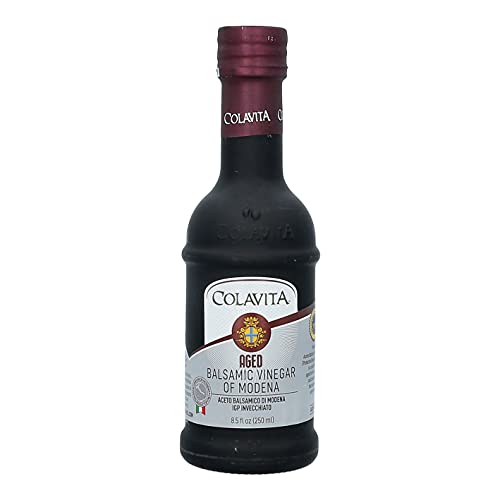
Colavita Aged Balsamic Vinegar 8.5 oz

Colavita Balsamic Glaze 8.5 fl oz
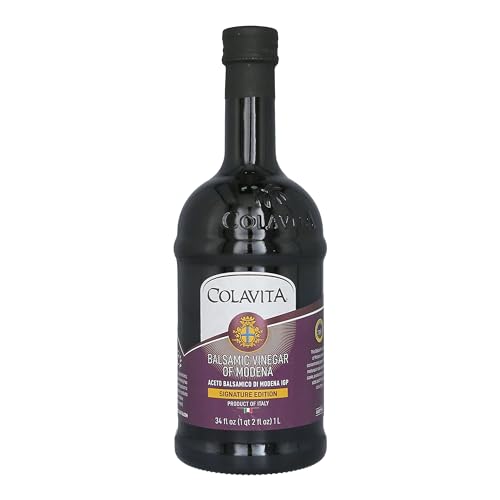
Colavita Balsamic Vinegar IGP 33.8 oz

Texas Hill Country Olive Co. Raspberry Balsamic Vinegar 8.5 oz

Texas Hill Country Olive Co. White Lemon Balsamic Vinegar 8.5 oz
What Each Pick Brings To The Table
An organic apple balsamic opens the list because it behaves differently from grape-based bottles, and that difference matters in the kitchen. Apple balsamic is made by fermenting apple cider into vinegar, then aging it like traditional balsamic, which gives it a brighter, slightly fruitier tang without the deep molasses notes of grape versions.
For weeknight cooks who want something a little less intense, the 200ml size keeps things manageable. A teaspoon stirred into shredded cabbage or a shaved-fennel salad lifts the vegetables without drowning them, and the apple base pairs naturally with pork, roasted squash, and aged cheddar. It also works for guests who prefer a milder vinegar.
What Earns Its Place
- Made from organic apple cider, offering a fruit-forward tang that grape balsamics can’t replicate.
- Smaller 200ml bottle encourages steady use before the flavor fades, which is a real concern with opened vinegar.
- Pairs naturally with pork, roasted root vegetables, and aged hard cheeses like cheddar or pecorino.
- Gentle enough for vinaigrettes where a stronger balsamic would overpower delicate greens.
Worth Bearing In Mind
- The 200ml size runs out faster than the standard 8.5oz bottles, so heavy vinaigrette makers will refill more often.
- Apple balsamic skews lighter, so recipes that depend on the deep color and viscosity of a grape balsamic will look and taste different.
Right Fit For
Curious home cooks and anyone building a small specialty pantry who wants a single-ingredient alternative to standard grape balsamic.
Where Another Pick Suits Better
Colavita Aged Balsamic Vinegar is the better match for shoppers who want a classic grape base on a tighter budget.
Giusti’s 3 Gold Medals is the bottle that usually shows up on serious cheese boards, and the 8.45 fl oz size keeps the format reasonable for everyday use. IGP (Indicazione Geografica Protetta) means the vinegar is produced under Modena’s protected designation rules, which guard origin, aging, and the grape must (cooked grape juice) content. That certification shows up in the glass.
The pour is thick and glossy, with a deep brown color that holds up on a white plate of burrata or sliced strawberries. It reads almost like a syrup before dilution, which means a little goes a long way, and a single bottle can last a household several months when used as a finisher rather than a base for cooking.
Advantages To Know
- IGP certification confirms Modena origin and traditional production standards, which matters when shopping for an authentic bottle.
- Thick, syrupy texture means a teaspoon is enough to finish a plate, stretching the bottle across many meals.
- Deep molasses-and-plum flavor profile works on strawberries, grilled peaches, and aged cheeses without dilution.
Trade Offs
- The dense texture can feel almost sticky in a standard vinaigrette, so it shines more as a finisher than a mixing vinegar.
- Premium positioning puts it above the everyday Colavita options for shoppers watching their grocery spend.
Feature Snapshot
Best Suited To
Home entertainers and gift-givers who want a recognizable Modena-certified bottle for cheese boards and drizzled desserts.
Swap It Out When
Colavita Balsamic Glaze is the better fit for shoppers who want a thick finishing texture without the higher tier of cost.
Due Vittorie’s Oro Gold earns its place by handling two jobs at once, working as a base for vinaigrettes and as a finishing drizzle without needing a different bottle. The pack of two 8.45 fl oz units gives a household steady supply, and the Modena IGP certification is documented in the product specs. Trebbiano and Lambrusco grapes are the listed source, which is the standard Modena combination.
The reported acidity lands around 6%, lower than the harsher commercial balsamics, and that smoother profile is the main reason it works in a vinaigrette without biting back. Most importantly for daily cooks, the texture is dense enough to cling to leaves but not so sticky that it resists mixing with oil.
Key Advantages
- Two-bottle pack covers an active household for several months of regular salad nights.
- Lower reported acidity means a smoother taste that doesn’t require sweetening to balance.
- IGP certification and named grape varieties (Trebbiano and Lambrusco) confirm genuine Modena origin.
- Extra-dense texture holds onto greens without sliding to the bottom of the bowl.
Possible Compromises
- The two-bottle format is heavier to store and slower to use up in a single-person household.
- Heavier viscosity can overwhelm a delicate vinaigrette, so portion control matters.
Made For
Active home cooks who make vinaigrette several times a week and want one reliable bottle to anchor the rotation.
A Better Fit Elsewhere
Texas Hill Country Olive Co.’s Fig Balsamic Vinegar is the better match for cooks who want a sweeter, more aromatic infusion for cheese plates.
Texas Hill Country Olive Co. builds this fig balsamic by starting with a traditional balsamic of Modena and infusing it in small batches in Texas. The fig element does the heavy lifting on a cheese board, where a plain balsamic can feel austere next to soft cheeses, and the lack of added sugar or artificial flavors keeps the ingredient list short. The 8.5 oz bottle is the standard format for the brand’s infused line.
For a fall or holiday spread, this vinegar doubles as a glaze for roasted vegetables, a dipper for bread with olive oil, and a drizzle over baked brie. The fig sweetness softens the vinegar’s bite, so it works for guests who usually find traditional balsamic too sharp.
Useful Touches
- Barrel-aged Modena base brings genuine balsamic depth, not a flavored water solution.
- No added sugar or artificial flavors keeps the ingredient list short and the sweetness naturally derived.
- Fig infusion pairs naturally with soft cheeses, prosciutto, roasted carrots, and baked brie.
Honest Caveats
- The fig sweetness means it can clash with savory salads that need a sharper acid, like a Caesar.
- Strong infusion flavor limits its versatility compared to a plain aged balsamic like Colavita’s option.
Right Fit For
Home entertainers building a fall or holiday cheese board who want a sweet-savory drizzle that pairs with soft cheeses.
Not Your Match When
Colavita Balsamic Vinegar IGP is the better choice for cooks who want a versatile base for everyday vinaigrettes rather than a specialty infusion.
Colavita Aged Balsamic is the kind of bottle most Italian home cooks reach for first. The 8.5 oz format is small enough to live in a fridge door without dominating the shelf, and the aging gives it enough depth that it doesn’t read as a thin, mass-market vinegar. Among the list, this one stands out for hitting a usable middle ground between bargain supermarket balsamics and the higher tier of Modena IGP options.
Weeknight cooks who make vinaigrette two or three times a week will find this bottle practical. It mixes cleanly with olive oil, mustard, and honey, and the flavor stays balanced rather than collapsing into pure acidity. Compared to the Due Vittorie Oro Gold reviewed earlier, this is the lower-effort, lower-fuss choice that still tastes homemade.
Useful Strengths
- Aged format delivers deeper flavor than unaged grocery-shelf balsamics at a similar size.
- 8.5 oz size suits a small fridge and finishes before the flavor loses intensity.
- Versatile enough for vinaigrettes, marinades, roasted vegetables, and reductions.
Small Caveats
- Less depth than the IGP-certified Giusti or Due Vittorie options, so it doesn’t shine as a finishing drizzle.
- Reported best-seller ranking in its category suggests broad popularity, but flavor preferences still vary by household.
Best Suited To
Weeknight home cooks and shoppers who want a single reliable balsamic for vinaigrettes, marinades, and roasted vegetables without the higher tier of cost.
Look Elsewhere When
Giusti 3 Gold Medals is the better match for cooks who want a recognized Modena IGP bottle for cheese boards and gifting.
Colavita’s Balsamic Glaze is a thickened, ready-to-drizzle product, essentially a balsamic vinegar that’s been reduced down to a syrup-like consistency so it behaves more like a finishing sauce. The 8.5 fl oz plastic bottle is easy to squeeze and easy to store, which matters when the bottle lives in a fridge and gets pulled out nightly.
For cooks who don’t want to babysit a reduction on the stovetop, this format cuts straight to the finish. A quick zigzag over caprese, grilled chicken, or roasted Brussels sprouts delivers the look and viscosity of a homemade reduction in about three seconds. It’s also a useful backup for cooks who already own a base balsamic but want a thicker option for plating.
Well-Handled Touches
- Pre-thickened format saves the time and mess of reducing balsamic on the stovetop.
- Squeezable plastic bottle makes portion control and plating simpler than pouring from a glass bottle.
- Pairs with caprese, grilled vegetables, bruschetta, and even desserts like vanilla ice cream.
Things To Consider
- Glazes are not interchangeable with a base balsamic in vinaigrettes, since the texture won’t emulsify with oil.
- Plastic bottle may not appeal to cooks who prefer glass for pantry storage and aesthetic reasons.
Built With In Mind
Busy home cooks and casual entertainers who want a fast finishing drizzle without the work of reducing balsamic on the stove.
Reach For A Different Pick When
Due Vittorie Oro Gold is the better fit for cooks who want a versatile base that can handle both vinaigrettes and finishing duty.
The 33.8 oz Colavita IGP is the bulk format for households that cook with balsamic as a working ingredient, not a finishing condiment. Modena IGP certification and aging in wooden casks are both listed in the product details, which puts it in a more serious category than the standard 8.5 oz Colavita reviewed earlier. The higher cooked grape must content gives it a velvety texture that holds up under heat.
For a household that runs through vinaigrette weekly, roasts vegetables regularly, and reduces sauces often, the larger format removes the hassle of replacing small bottles. The 2-pack option listed in the source variants extends that further for very active kitchens.
A Few Strong Suits
- IGP-certified Modena production and wooden cask aging deliver more complexity than non-certified bulk balsamics.
- 33.8 oz format suits households that cook with balsamic several times a week.
- Higher cooked grape must content contributes to a smooth, velvety texture that reduces well for glazes.
Factors To Consider
- The large format is heavy and bulky for a small fridge and slow to use up for solo cooks.
- Once opened, the larger bottle has more headspace and stays fresh longer than smaller bottles, but the bigger purchase commitment is real for occasional cooks.
Key Specs
Whose Shelf It Belongs On
Multi-person households and frequent home cooks who work through vinaigrette, reductions, and marinades on a weekly basis.
Where A Sibling Pick Shines
Giusti 3 Gold Medals is the better match for shoppers who want a giftable smaller bottle with stronger finishing character.
Raspberry balsamic sits in a sweet spot for summer salads, where berries, spinach, and goat cheese already do half the work. Texas Hill Country Olive Co. builds this bottle the same way as their fig option reviewed earlier, starting with a Modena balsamic and infusing it in small batches, with no added sugar or artificial flavors in the ingredient list.
The raspberry character lifts simple greens without needing a complicated dressing, and it pairs naturally with walnuts, feta, and grilled chicken. For most home kitchens, this is a specialty bottle, not an everyday workhorse, so it works best as a complement to a plain aged balsamic rather than a replacement.
Where It Helps
- Bright raspberry character complements berry-and-spinach combinations without extra sweetener.
- Modena base vinegar brings genuine balsamic depth under the fruit layer.
- Versatile enough to drizzle over grilled chicken, glaze roasted vegetables, or finish a caprese-style salad.
Some Limits To Know
- Specialty infusion flavor limits versatility compared to a plain aged balsamic for vinaigrettes.
- Raspberry sweetness can clash with savory salads that need sharper acid balance, like a Caesar.
Feature Rundown
Made For
Cooks building summer menus around berries, spinach, and goat cheese who want a fruit-forward drizzle that complements the season.
Consider Something Else When
Colavita Aged Balsamic Vinegar is the better fit for shoppers who want a versatile base that handles savory vinaigrettes year-round.
White balsamic keeps the clean, light color of white wine vinegar, so it won’t stain pale ingredients the way a dark balsamic will. Texas Hill Country Olive Co.’s lemon-infused version leans into that advantage, adding a citrus lift that works for fish, chicken, and bright vinaigrettes. The 8.5 oz format matches the rest of the brand’s infused line.
For a cook who already keeps a traditional dark balsamic for finishing, this white lemon bottle fills a real gap. It dresses a fennel-and-arugula salad without discoloring the leaves, and it brightens grilled salmon or shrimp without competing with the protein. Most home cooks will use it more sparingly than a standard balsamic, but in the right dishes, nothing else substitutes.
Practical Advantages
- White base keeps pale ingredients looking clean, unlike dark balsamic which can stain greens and fish.
- Lemon infusion adds citrus lift without the harsh bite of straight lemon juice.
- Pairs naturally with fish, chicken, fennel, arugula, and shaved Parmesan salads.
Where It Is Less Suited
- Lighter profile can’t deliver the deep molasses notes that dark balsamic brings to strawberries or aged cheese.
- Specialty role means it complements rather than replaces a working dark balsamic on the shelf.
At A Glance
Perfect Match For
Cooks who already own a dark balsamic and need a white, citrus-forward option for fish, chicken, and bright green salads.
Skip It When
Ritrovo Selections Organic Apple Balsamic is the better fit for shoppers who want a single fruit-forward option with a deeper amber color.
Picking A Balsamic That Fits The Way You Cook
A reliable balsamic earns its place by handling the way you actually cook, not by collecting dust behind the olive oil. Think about whether the bottle will live as a working base for vinaigrettes, a finisher for plated dishes, or a specialty accent for cheese boards, then match the format and flavor profile to that role.
Acidity level matters more than most labels suggest. Traditional balsamic vinegars range from sharp and thin to smooth and syrupy, and a bottle that tastes balanced on its own can turn biting once it hits a vinaigrette. Lower acidity tends to mean more grape must content, which is where the depth and viscosity come from. A bottle that lists specific grape varieties and aging time usually signals a more thoughtful product, while a vague “aged balsamic” label can mean almost anything.
Origin and certification tell their own story. Modena and Reggio Emilia are the two Italian regions most associated with traditional balsamic, and IGP certification is a reliable way to confirm a bottle was actually produced there under protected standards. Outside those certifications, quality varies widely, so reading the ingredient list and the producer’s reputation helps fill in the gaps.
Format shapes daily use. Smaller 8.5 oz bottles suit solo cooks and casual use, while 33.8 oz formats make sense for households that go through balsamic weekly. Squeezable plastic glazes work as a finishing tool but not as a vinaigrette base, so they complement a working balsamic rather than replace it. Pairing the format with the cooking style keeps the bottle from going stale before it gets used up.
Infusions add character but reduce versatility. A fig, raspberry, or lemon balsamic shines in specific pairings and can clash with savory dishes that need a sharper acid. Plain aged balsamics handle a wider range of recipes, so they tend to be the safer everyday workhorse. A small specialty bottle alongside a plain aged one covers more ground than two specialty bottles alone.
What These Picks Reveal About The Category
Common Buying Traps
Specialty bottles often promise more than they deliver when the vinegar is mostly flavored water with a splash of balsamic. A short ingredient list that starts with “balsamic vinegar of Modena” rather than “water, vinegar, natural flavors” is a better signal that the bottle carries genuine depth. Watch for added sugars and caramel color, which can mask a thin base.
Bulk formats can be a false economy for solo cooks. A 33.8 oz bottle that takes a year to finish will lose brightness long before it’s empty, so the cost-per-ounce advantage disappears if half the bottle ends up flat. Match the format to the household’s actual consumption rate.
When The Higher Tier Earns Its Cost
Premium Modena IGP bottles earn their position through aging, grape must content, and protected-origin production. The payoff shows up in three places: smoother acidity, deeper flavor in smaller doses, and a thicker body that clings to leaves without sliding off. For cooks who use balsamic as a finishing touch on caprese, strawberries, or grilled meats, the upgrade is easy to taste. For cooks who mix balsamic into a heavily seasoned vinaigrette with mustard and garlic, the difference becomes harder to notice, and a value-tier bottle is the smarter pick.
Frequently Asked Questions
What is balsamic vinegar of Modena IGP?
IGP stands for Indicazione Geografica Protetta, a European certification confirming the vinegar was produced in Modena, Italy, under protected standards for origin, aging, and grape must content. It’s a useful quality signal when comparing bottles.
How long does balsamic vinegar last once opened?
Balsamic vinegar stays safe to use for years, but it gradually loses brightness and aroma after the first six to twelve months. Smaller bottles that get used up quickly tend to taste better than large bottles that linger on a shelf.
Can balsamic vinegar be used in a vinaigrette?
Yes, balsamic is a classic vinaigrette base. Mixing it with olive oil, a touch of mustard, salt, and pepper creates a balanced dressing, and thicker balsamics like the Due Vittorie Oro Gold or the Colavita Balsamic Glaze cling to greens better than thinner commercial versions.
What’s the difference between balsamic and balsamic glaze?
Traditional balsamic vinegar is a liquid used as a base for cooking or dressings. A balsamic glaze is balsamic vinegar that’s been reduced with sugar until it reaches a syrupy, drizzle-ready consistency. The two aren’t interchangeable, since glazes won’t emulsify into a vinaigrette the way liquid balsamic will.
Is white balsamic different from dark balsamic?
White balsamic is made by cooking white grape must under pressure, which keeps the color pale and the flavor lighter and cleaner. It won’t stain delicate ingredients the way dark balsamic can, and it works especially well in fish, chicken, and bright vinaigrettes.
