

Whole grain flours have moved well past the health-food niche. Home bakers chasing richer flavor, cooks building rustic soups, and anyone trying to bring more fiber and texture into everyday meals now reach for barley, rye, spelt, and the older wheat relatives that show up in this list. The challenge: most supermarket shelves still default to all-purpose white flour, so the good stuff lives online.
You want flour that actually tastes like grain, mills clean, and behaves predictably in a dough or a porridge bowl. A 5-pound bag of hard red spring or a 44-ounce cracked-grain mix changes what your kitchen can do on a Tuesday night. The picks below cover everything from sprouted spelt to cracked nine-grain blends, with honest trade-offs called out for each.
A Side-By-Side Look

CLEAR CREEK Certified Glyphosate Residue Free Grain Berries 150 lbs
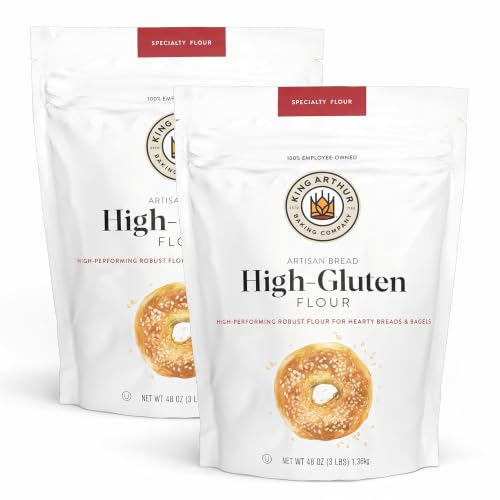
King Arthur High Gluten Flour 3 lb (Pack of 2)

YANKEETRADERS 9 Grains Cracked Mix 44 Ounce

One Degree Organics Sprouted Spelt Flour 80oz 4-Pack

365 by Whole Foods Market Organic Italian Barley 8.8 oz

One Degree Organic Foods Sprouted Spelt Flour 80 Ounces (Case of 4)
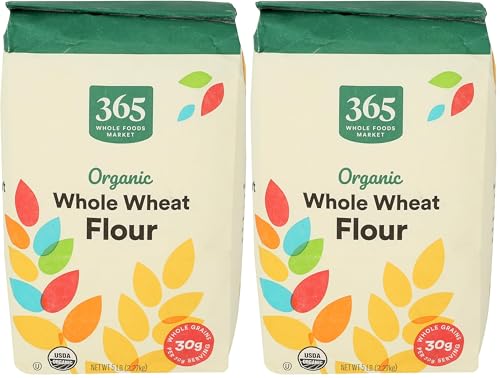
365 by Whole Foods Market Organic 100% Whole Wheat Flour 80 oz

365 by Whole Foods Market Organic Bread Flour 32 oz (Pack of 2)

365 by Whole Foods Market Organic Whole Wheat Pastry Flour 32 oz

Yupik Organic Barley Flakes 2.2 lb (Pack of 2)
What Each Pick Brings To The Table
For someone who mills at home, the appeal of whole grain berries is straightforward: the flavor lives in the germ and bran, and the moment you crack them open. CLEAR CREEK ships a 150-pound sampler split into six 25-pound buckets, covering rye, spelt, durum, pearl barley, einkorn, and khorasan. The grains are verified glyphosate-residue-free and Non-GMO Project Verified, with North American sourcing from farmers the company works with directly.
Buckets beat bags for long-term storage, especially in a garage or basement pantry. You can pull one bucket at a time and keep the rest sealed. Depending on your climate, the six-bucket format may be more grain than a small household can rotate through in a year, so this rewards cooks who actually bake weekly.
Real-World Strengths
- Six distinct grains in one order, giving you a tasting flight of ancient and modern wheat relatives plus pearl barley.
- 25-pound buckets protect against pantry moths and moisture better than paper sacks.
- Verified glyphosate-residue-free status, useful for households tracking chemical exposure.
- Pearl barley and durum expand the cook’s reach beyond bread into soups and pasta.
Things To Consider
- 150 pounds is genuinely bulk, so storage space and rotation speed matter.
- These are whole berries, meaning you need a home mill or a strong blender to turn them into flour.
- Non-returnable for food-safety reasons, so order sizing is final.
Feature Snapshot
Whose Shelf It Belongs On
Home millers and serious whole-grain cooks who already rotate through bulk flour weekly and want variety in one shipment.
Look Elsewhere When
You want ready-to-bake flour, not whole berries. King Arthur High Gluten Flour is a better fit for someone who skips the milling step.
King Arthur’s high-gluten flour is a baker’s tool, not a heritage grain. Malted barley flour is included in the blend, which gives the dough a small enzymatic boost and helps yeast work through long rises. The 14% protein content is the headline: more protein means more gluten development, which translates to chewy bagels, blistered pizza crusts, and bagels that snap when you tear them.
The double pack lands you two 3-pound bags, which is a useful size for most home kitchens. Compared to the CLEAR CREEK sampler above, this is the opposite philosophy: zero variety, maximum consistency. The trade-off shows up in flavor, since this is a refined white flour rather than a whole grain. For most bakers, that is the point.
What Stands Out
- 14% protein supports strong gluten networks, which is what gives artisan loaves their chew.
- Bagel, pretzel, and pizza dough formulas behave reliably with this flour, based on its long track record.
- Pre-milled and ready to use, no grain mill required.
- Two-bag format keeps one sealed while you open the other, slowing staling.
Worth Noting
- Refined white flour, so the fiber and flavor of whole grain berries are absent.
- Contains wheat, ruling it out for gluten-free kitchens.
- More specialized than all-purpose, so cookies and cakes may turn out tougher than expected.
Right Fit For
Home bakers focused on chewy, structured breads and pizza who want predictable results from a familiar brand.
Swap It Out When
You want whole-grain nutrition and flavor. The 365 Organic 100% Whole Wheat Flour brings more fiber to the same bread project.
Cracked grains are an underused middle ground between flour and whole berries: faster to cook than intact kernels, more textured than a milled flour. YANKEETRADERS packs nine grains into one bag, including hard wheat, soft wheat, triticale, rye, oats, pearled barley, spelt, durum, and brown flax seed. A hot cereal recipe ships with the bag, and the 44-ounce size is built for repeated use.
For a household that wants one bag to cover both morning porridge and a multigrain bread addition, this fits the bill. You can soak the mix overnight for a chewy cooked cereal or fold a portion into a yeasted dough for extra texture. The flax adds a small dose of omega-3s, though it is a secondary benefit, not the reason to buy.
Useful Touches
- Single bag covers hot cereal, multigrain bread, and additions to soups.
- Cracked format cooks faster than whole berries and integrates more easily into dough.
- Flax and oats add soluble fiber to your morning bowl.
- Recipe included on the package, so first-time users can start right away.
Points To Keep In Mind
- Cracked grains stale faster than whole berries once the bag is opened.
- Texture varies between grains, so cooking times can feel uneven in a hot cereal.
- Not a flour, so it cannot substitute 1:1 in standard baking recipes.
Made For
Cooks who want one bulk bag that crosses between breakfast cereal and bread-baking ingredient without buying multiple products.
Another Choice May Suit
If you want ready-to-bake multigrain flour instead, Yupik Organic Barley Flakes give you whole-grain texture with a quicker route to a cooked dish.
Sprouted grains (whole kernels that have been allowed to germinate before milling) digest more easily and bring a slightly sweeter, nuttier flavor to baked goods. One Degree Organics sprouts their spelt before stone-milling, then packages it in 80-ounce bags sold as a four-pack. The total stash runs 20 pounds, which keeps a regular baker supplied for months.
Each bag carries a clean-source code you can scan to trace the spelt back to a specific farm. That level of traceability is rare in commodity flour. The honest read is that you pay a premium for that visibility, but for households that care about sourcing, it justifies the price tag.
Features That Help
- Sprouting improves digestibility, which matters for some sensitive stomachs.
- Four-bag format lets you open one at a time and keep the rest fresh.
- Farm-level traceability gives confidence in the supply chain.
- Spelt’s gluten structure is weaker than modern wheat, producing tender crumb in quick breads.
Honest Caveats
- Spelt still contains gluten, so this is not a swap for gluten-free baking.
- Weaker gluten means it does not behave like a strong bread flour on its own.
- Premium positioning makes it a slower pantry build than commodity flour.
Best Suited To
Bakers focused on pancakes, muffins, and flatbreads who want sprouted-grain digestibility and traceable sourcing.
Where Another Pick Suits Better
For tall sandwich loaves that need strong gluten development, the King Arthur High Gluten Flour is a more reliable structural choice.
Italian barley, also called orzo perlato in some markets, holds its shape better in broth than pearled barley, giving soups and side dishes a more satisfying chew. The 365 Organic Italian Barley ships as a two-pack of 8.8-ounce bags, which is a small footprint, ideal for a curious cook who wants to test the grain without committing to a bulk bag. No salt or sugar is added, so it is a clean canvas for seasoning.
Think of this as the trial-size pick on the list. The bags tuck into a narrow pantry shelf and finish quickly enough that freshness is not a worry. If you end up cooking it weekly, you will move to a bulk option; if not, you have not wasted storage space.
What Earns Its Place
- Compact 8.8-ounce bags suit small kitchens and tentative first purchases.
- Organic Italian barley holds texture in long-simmered soups.
- No added salt or sugar keeps the ingredient list short.
- Good source of fiber for a side-dish grain.
Small Caveats
- Small bags run out quickly for active households.
- Not a flour, so it cannot bake a loaf on its own.
- Cooks slower than pearled barley, so recipe timing needs adjustment.
Who Should Grab It
Home cooks building a heartier soup rotation who want a small, organic barley to test before scaling up.
Not Your Match When
You want a flour for bread baking. The Yupik Organic Barley Flakes are a closer match for a whole-grain baking pantry.
Functionally, this is the same One Degree sprouted spelt as the four-pack above, just bundled as a case. Twenty pounds of sprouted spelt flour is a real commitment, and it makes sense only if spelt is already part of your weekly rotation. The case format trims the per-ounce cost and frees you from reordering every few weeks.
The case also has the practical effect of locking in a single milling batch, so flavor and performance stay consistent across the bags. If you have a small kitchen, the case format may not be practical, since each 80-ounce bag is roughly five pounds of flour waiting to be used.
The Helpful Details
- Lower per-ounce cost than smaller packs of the same flour.
- Sprouting supports easier digestion and a milder, sweeter flavor.
- Multiple bags mean you can rotate without constant reordering.
- Spelt pairs well with honey, fruit, and warm spices in quick breads.
Areas To Watch
- Spelt’s weaker gluten limits it in yeasted sandwich loaves.
- Sprouted flour has a shorter shelf life than standard whole wheat once opened.
- Still contains gluten, so it is not a swap for celiac-friendly baking.
Perfect Match For
Spelt-regular households who want a lower per-bag cost and don’t mind storing a case of flour in a cool, dry spot.
Skip It When
You bake occasionally rather than weekly. The 4-pack of One Degree Organics Sprouted Spelt Flour at 80oz is a more manageable starting point.
This is the workhorse of the list. 365’s organic whole wheat flour comes from dark northern spring wheat grown on USA family farms, milled into an 80-ounce bag, and sold as a two-pack. The flavor carries that distinct nutty note dark spring wheat is known for, which translates to heartier sandwich loaves and sturdier pizza dough.
Compared to the King Arthur high-gluten bag above, this is the other end of the bread-baking spectrum: whole grain nutrition, more fiber, deeper color, less of the refined chew. The two-pack design means 10 pounds of flour on hand, which moves slowly for a small household, depending on how often you bake.
Where It Delivers
- 100% whole grain means you keep the bran and germ, where the fiber and most micronutrients live.
- Dark northern spring wheat gives a robust flavor that holds up to long rises.
- Two-pack format is enough for a month of regular baking.
- Organic sourcing from family farms, with no synthetic pesticides in the field.
Points To Note
- Whole wheat absorbs more water than white flour, so recipes need adjustment.
- Loaves bake denser than with refined high-gluten flour.
- Storage matters, since the natural oils in whole wheat can go rancid in a warm pantry.
Built With In Mind
Everyday bakers who want a reliable organic whole wheat for sandwich loaves, pizza, and dinner rolls without specialty sourcing.
Reach For A Different Pick When
You want lighter, more delicate baked goods. The 365 Whole Wheat Pastry Flour is milled for tender crumb instead.
Organic bread flour from 365 is a comfortable first step into whole-grain baking. Mountain-valley family farms in North America grow the wheat, and the resulting flour is milled for higher protein than standard all-purpose. Two 32-ounce bags give you 4 pounds of flour, which is a manageable starting size for someone still figuring out how often they will actually bake.
You can think of this as the “test the waters” option between the heftier 80-ounce whole wheat and the very specialized high-gluten bag from King Arthur. The flour behaves well in a basic loaf, and the smaller bag size means less waste if your baking habit does not stick.
Reasons It Performs
- Higher protein than all-purpose, supporting better gluten development in loaves.
- Organic sourcing from family-owned North American farms.
- Smaller 32-ounce bags are easier to finish before staleness sets in.
- Plays well with standard bread recipes, so beginners can follow familiar formulas.
Practical Considerations
- Still a refined bread flour, so the fiber and flavor of whole wheat are limited.
- Two 32-ounce bags total only 4 pounds, so frequent bakers will reorder often.
- Contains wheat gluten, ruling it out for gluten-free households.
Who It Suits Best
First-time bread bakers who want an organic, reliable flour in a beginner-friendly package size.
A Better Fit Elsewhere
For someone committed to weekly baking, the 80-ounce pack of 365 Organic Whole Wheat gives more value per bake.
Pastry flour is milled from soft white wheat, which has less protein and a finer texture than hard red wheat. That is exactly what you want in cookies, scones, pie crusts, and tender muffins, where a strong gluten network would make the final product tough. 365’s organic pastry flour is stone-milled, Kosher, Non-GMO verified, and ships in a two-pack of 32-ounce bags.
You will notice the difference in a shortbread cookie, where the crumb stays sandy rather than chewy. The whole wheat version keeps more bran flavor than a refined pastry flour, which is a feature for some bakers and a turnoff for others. It is worth testing a single recipe before committing to a larger order.
Well-Handled Touches
- Soft white wheat produces a finer, more delicate crumb in baked goods.
- Whole grain nutrition with the texture of a pastry flour.
- Kosher and Non-GMO certified, useful for households tracking certifications.
- Good source of fiber compared to refined white pastry flour.
Less Ideal Details
- Not suitable for yeasted bread, where higher protein is required for structure.
- Whole wheat bran can make some recipes feel heavier than expected.
- Smaller bag size means frequent reordering for active bakers.
Right Fit For
Bakers focused on cookies, scones, pie crusts, and muffins who want whole grain with a tender texture.
Consider Something Else When
You bake bread more often than pastries. The 365 Organic Bread Flour will support taller, chewier loaves.
Barley flakes are steamed and pressed whole barley kernels, the same family of product as rolled oats. Yupik’s organic barley flakes ship in a 2.2-pound bag, sold as a two-pack for a total of 4.4 pounds. The grain is mechanically cleaned, certified organic and kosher, and works as a source of fiber, protein, and iron in everyday cooking.
For a hot breakfast bowl, the flakes cook in roughly 10 to 15 minutes, depending on how chewy you want the result. The same flakes drop into soups, stews, and energy bars without much fuss. A household that runs through oatmeal weekly will find barley flakes a useful rotation, especially if you want a different flavor profile on alternate mornings.
Strengths Worth Knowing
- Cooks faster than whole barley berries while keeping whole-grain nutrition.
- Vegan, Non-GMO, and certified organic, with Kosher certification as well.
- Two-bag format means 4.4 pounds, enough for several weeks of regular use.
- Works in porridge, soups, energy bars, and side dishes without recipe rework.
Some Limits To Know
- Flakes stale faster than whole berries, so storage in a sealed container matters.
- Contains gluten in trace amounts from cross-contamination risk in shared facilities.
- Not a flour, so it cannot substitute in standard baking recipes without adjustment.
The Right Fit
Cooks building a rotating breakfast pantry who want a hot grain beyond oats, plus a useful soup and stew thickener.
Where A Sibling Pick Shines
For nine-grain variety in one bag, the YANKEETRADERS 9 Grains Cracked Mix covers more ground in a single purchase.
What Matters Most When Picking Barley Whole Grain Flours
Whole grain flours behave differently from refined all-purpose, and the difference shows up the first time you bake. Hard wheat absorbs more water, soft wheat produces more tender crumb, and ancient grains like spelt and einkorn bring flavors and digestibility that modern wheat lacks. Before you commit, match the flour to what you actually cook.
Match The Grain To The Bake
High-protein hard wheats are your friend for structured loaves, bagels, and pizza. The King Arthur High Gluten Flour is the clearest example here, with its 14% protein and malted barley flour addition for stronger yeast activity. Whole wheat flour from 365 is a step down in gluten strength but a step up in fiber and flavor, and that suits a sandwich loaf where you want nutty character more than a dramatic chew.
Pastry and soft wheat flours pull in the opposite direction, trading structure for tenderness. The 365 Whole Wheat Pastry Flour is built for cookies, scones, and pie crusts, where too much gluten would make the final product tough. Using a strong bread flour in those recipes is one of the most common slip-ups, and the result is dense, rubbery cookies every time.
Think About Form: Flour, Flakes, Berries, or Cracked
The list covers four different formats, and each one fits a different kitchen habit. Whole grain berries (the CLEAR CREEK sampler) require a home mill and reward you with the freshest possible flour. Cracked grains (the YANKEETRADERS mix) are a middle ground for cooks who want texture without a mill. Flakes (the Yupik barley flakes) are fast to cook and ideal for porridge and soup. Pre-milled flour is the simplest path and the most familiar to anyone coming from supermarket baking.
For a household that bakes once or twice a month, pre-milled flour is the practical choice. For someone who already bakes weekly and has the mill space, the CLEAR CREEK bulk sampler can save real money over time.
Sourcing, Certification, And Storage
Organic certification, glyphosate-residue testing, and farm-level traceability all add to the cost of a bag of flour, and the question is whether those features matter to your household. The CLEAR CREEK berries and the One Degree spelt flour are the most transparent on the list, while the 365 line leans on Whole Foods’ broader sourcing standards. None of these flours should sit in a warm pantry for months, since the natural oils in whole grain turn rancid over time; a cool, sealed container is the practical guardrail.
Key Considerations Across These Picks
Where Shoppers Go Wrong
The most common slip-up is treating whole wheat flour as a one-to-one swap for all-purpose. It absorbs more water, develops a denser crumb, and brings a stronger flavor that can overpower delicate recipes. The fix is simple: start with a recipe written for whole wheat, or reduce the whole wheat by a third and blend with all-purpose while you learn how your kitchen’s humidity affects hydration.
A second trap is buying bulk flour you cannot rotate through. Whole grain flours lose freshness faster than refined white flour, and a 20-pound case that sits in a warm garage for six months will not bake the same as one opened within a month. Match the package size to your actual weekly baking, not the best per-ounce math on the page.
The Case For Spending Up
Premium picks like the One Degree sprouted spelt and the CLEAR CREEK bulk berries cost more per ounce, but the value shows up in different ways. Traceability, sprouting, and stone-milling all change the baking experience in ways that are hard to put on a spreadsheet. For households already committed to whole grain baking, the upgrade is real flavor and easier digestion. For casual bakers, the 365 line covers the same nutritional ground at a lower cost, and that may be the smarter starting point.
Frequently Asked Questions
What Is The Best Way To Store Barley Whole Grain Flours
Store whole grain flours in an airtight container in a cool, dark place, and use them within a few months of opening. A refrigerator or freezer extends shelf life further, since the natural oils in whole grain turn rancid when exposed to warmth and air over time.
Can I Substitute Barley Whole Grain Flours For All-Purpose Flour In Any Recipe
Not as a one-to-one swap, since whole grain absorbs more water and produces denser results. Use recipes written for whole grain, or blend whole grain with all-purpose in a 1:2 ratio while you learn how a specific flour behaves in your kitchen.
What Is The Difference Between Pearl Barley And Whole Barley Flour
Pearl barley has had the outer hull and some of the bran removed, which speeds cooking but reduces fiber. Whole barley flour keeps the bran and germ, holding onto more nutrients and producing a heartier texture in breads, porridge, and pancakes.
Are Sprouted Grain Flours Easier To Digest
Many people find sprouted grains gentler on digestion, because the sprouting process begins breaking down some of the starches and proteins. The effect varies by individual, but sprouted spelt is often a starting point for people who find regular whole wheat heavy.
Do I Need A Grain Mill To Use Whole Grain Berries
Yes, a home grain mill is the standard way to turn whole berries into flour, and it gives you the freshest possible grind. Some high-powered blenders can mill smaller quantities, but a dedicated mill produces more consistent results and handles larger batches.
The Takeaway
Barley whole grain flours cover more territory than most cooks expect, from sprouted spelt for quick breads to bulk grain berries for home millers and barley flakes for hot breakfasts. The right pick depends less on the bag and more on how you actually cook, so start with your most common recipe, then build from there. A well-chosen bag of whole grain flour quietly changes what your kitchen can do on a regular weeknight.
