

A solid chai starts long before milk hits the pot. The black tea you choose sets the backbone: how much malt shows through, how the spices land, and whether the cup finishes bracing or soft. Picking the wrong base means masking good cardamom and ginger under bitterness, or watching delicate aromatics drown in a tea that’s too thin.
Most cooks end up choosing between a few familiar paths. A pre-made concentrate for the morning rush, classic Assam-forward bags for a traditional stovetop brew, or a spiced black tea that pulls double duty as a standalone cup. The picks below cover all three, so the right match for your kitchen, your time, and your spice tolerance should be in here.
How The Shortlist Stacks Up

Kolkata Chai Chai Tea Latte Concentrate (2-Pack)

Bigelow Tea Earl Grey Black Tea Bags 40 Count (Pack of 6)

Red Rose Original Black Tea 100 Tea Bags 4 Pack

The Republic of Tea Blackberry Sage Black Tea 50 Count

Harney & Sons Classic Hot Cinnamon Spice Tea 20 Sachets

Twinings Chai Black Tea Bags 100 Count (Pack of 1)

Twinings Ultra Spice Chai Black Tea Bags 6 Pack

Twinings Decaffeinated Chai Spiced Black Tea Bags 6 Pack

Kolkata Chai Signature Chai Tea Bag 45 Count
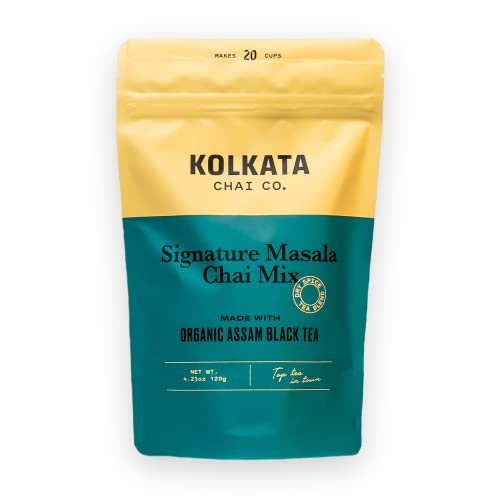
Kolkata Chai Signature Masala Chai Mix Loose Leaf 4.23 oz
A Breakdown Of The Leading Choices
This is the closest thing on the list to a pour-and-go chai, and the approach is unusually well considered for a ready-to-drink product. The base is organic Assam, sourced from hilltop estates in India, and the small-batch formula is built around black tea rather than sugar. That matters: most concentrates sweeten themselves into submission before you ever touch them.
The brew leans on cardamom with a supporting note of ginger, which keeps the cup tasting like chai rather than a dessert drink. Mix it 1:1 with your milk of choice, hot or cold, and the whole ritual drops to under a minute. For office kitchens, dorm microwaves, and the kind of morning where steeping isn’t happening, the trade-off is worth knowing going in.
What Earns Its Place
- Assam-first profile keeps the tea front and center, not the sweetener
- Low-sugar formula lets you adjust sweetness instead of inheriting it
- Vegetable-based, non-GMO ingredient list with no artificial flavors
- Mixes 1:1 with milk for hot or iced service in under a minute
- Vegan-friendly and built in small batches, which tends to mean more consistent flavor across jars
Trade-Offs
- The spice blend is intentionally restrained, so drinkers used to masala-heavy cups may want to add their own cardamom or clove
- Once opened, refrigeration and a tight cap are needed; leftover concentrate can lose its bright top notes within a week or two
- Two-pack sizing is fixed, so households that drink chai daily may run out faster than they expect
Whose Shelf It Belongs On
Home cooks, office managers, and students who want a credible chai in the time it takes to steam milk, with the freedom to dial sweetness themselves.
Reach For A Different Pick When
If you want the meditative stovetop ritual rather than the shortcut, the Kolkata Chai Signature Masala Chai Mix in this list is the better fit for you.
Earl Grey isn’t a chai in the traditional sense, but as a base for a home-blended cup it punches well above its weight. The bergamot oil (bergamot is a fragrant citrus fruit) gives the finished drink a citrus backbone that pairs naturally with cinnamon and a touch of clove, cutting the sweetness that often flattens chai.
Each bag comes individually foil-wrapped, which keeps the volatile oils intact longer than open-box storage. For a shared household where everyone is brewing at different times of day, that freshness preservation is quietly important. The 40-count, six-pack format is also one of the friendlier bulk options for a tea that disappears quickly.
Real Benefits
- Bergamot-forward profile adds a citrus edge that complements warm spices without needing extra sugar
- Foil-wrapped individual bags lock in aroma between uses, helpful in humid pantries
- Gluten-free, calorie-free, and Kosher-certified, which broadens who can comfortably drink it
- Bulk six-pack sizing suits offices and multi-person households
Where It Is Less Suited
- No cardamom, ginger, or clove in the blend, so you’ll be adding those spices yourself for a true chai profile
- The bergamot runs assertive, and for some palates it competes with rather than supports added spice
- Bag count is high; smaller households may want the 20-count option instead of the 240-bag pack
Feature Card
Best Suited To
Pantry-stocking households and shared kitchens where the brew gets used for both a plain cup and a spiced chai, depending on the day.
Swap It Out When
If you want your spice already in the bag, the Twinings Chai Black Tea 100 Count is the more direct chai path with no blending required.
Red Rose is the workhorse base of countless home kitchens in North America, and the four-pack 100-bag configuration is the format that keeps showing up in pantries that brew often. The leaf is blended to stand up to milk and sugar, which is the same job you’re asking of it when you simmer a chai spice mix into the pot.
The taste leans full-bodied and a little brisk, the kind of black tea that disappears into chai rather than competing with it. The brand has been blending for over a century, so the supply chain and grind tend to be consistent batch to batch. For anyone running a daily chai habit on a tight budget, this is a sensible, low-fuss pick.
The Upside
- Strong, full-flavored profile holds up to simmering and milk, which matters for stovetop chai
- 400-bag count covers a long stretch without reordering, helpful for heavy drinkers
- Sourced from premier mountain estates, giving a more reliable cup than commodity-grade blends
- Plays well with both sugar and honey, so you can finish the cup your way
Softer Spots
- No spice in the bag; you’re adding cardamom, ginger, and cinnamon yourself every time
- The brisk edge can read as bitter in shorter steeps, so first-time users may need to adjust timing
- Bulk packaging in a single 400-bag box means you need a dry, sealed container once opened to keep the bags from going stale
Right Fit For
Daily chai drinkers, large families, and small offices that want a strong base tea at a low per-cup cost without worrying about running out.
Look Elsewhere When
If you’d rather skip the spice cabinet and steep something ready-spiced, the Harney & Sons Hot Cinnamon Spice offers a self-contained flavored profile.
This one sits a little off to the side of the rest of the list. Blackberry Sage isn’t a traditional chai base, but the Indian-leaf foundation and the fruit-herb balance make it a pleasant departure if your week has been heavy on the masala standard. Steeped hot, it lands as a soft, slightly sweet cup with a sage note that lingers.
The brand’s “Tea for the Mind” framing is a bit loose, but the underlying blend is genuinely well composed. The blackberry adds body without cloying syrup, and the sage gives a savory, almost herbal-tea finish that pairs with an evening reading session. For a chai-curious drinker who wants something different, it works as a pivot point in a rotation.
Useful Highlights
- Indian-leaf foundation gives it a genuine black tea base rather than a fruity herbal blend
- Blackberry sweetness comes through naturally, so added sugar is often optional
- 50-count tin keeps the leaves protected from kitchen humidity, which preserves the sage oils
- Works equally well as a hot cup or a cold-brew afternoon drink
Honest Caveats
- No warming spices in the blend, so this is a side door into the chai category, not a direct one
- Sage can read as savory to drinkers used to sweet, spiced chai; first cups may surprise you
- Priced noticeably higher per bag than the bulk commodity options, since it’s a specialty blend
Who Should Grab It
Palate-curious drinkers and slow-afternoon tea sessions, especially when you want something that takes a break from cinnamon and clove.
Consider Something Else When
If your goal is a cup that lands closer to a classic masala, the Twinings Chai Black Tea Bags 100 Count is the more traditional-tasting option.
Harney & Sons is one of those brands where the tin on the counter says as much as the cup in the hand. The Hot Cinnamon Spice blend uses three different cinnamon types layered with orange peel and sweet clove, which gives the brew a depth most single-spice black teas can’t touch.
The pyramid sachets are roomier than flat tea bags, so the leaves unfurl more fully and the cup extracts more evenly. The 20-sachet tin is also a manageable size for a household that wants a flavored option on standby without committing to a 100-bag box. For hosting a brunch or a slow Sunday morning, it lands the moment.
Everyday Wins
- Layered spice profile with three cinnamon types, orange peel, and clove for a more complex cup than single-note blends
- Pyramid sachets give the leaves room to expand, which extracts flavor more evenly than flat bags
- Decorative tin doubles as a countertop storage container that keeps moisture out
- Drinks well plain, with milk, or as a base for a quick stovetop chai
Worth Noting
- 20-sachet count is low for daily drinkers; you’ll cycle through it quickly if chai is the everyday cup
- Cinnamon-heavy profile can overwhelm drinkers who prefer cardamom-forward chai
- Priced well above commodity black teas, which makes sense for a specialty blend but adds up for heavy users
Quick Facts
Perfect Match For
Slow weekend brews, brunch hosting, and drinkers who want a richer, layered cup than a standard spiced black tea bag can offer.
Not Your Match When
If you drink chai multiple times a day and want a 100-bag workhorse, the Twinings Chai Black Tea Bags 100 Count is the more practical everyday option.
Twinings Chai is the default that most casual chai drinkers reach for, and there’s a reason it shows up in so many office drawers. The black tea base is balanced with cinnamon, cardamom, clove, and ginger, hitting all four pillars of a recognizable chai profile in a single bag. No measuring out spices, no simmering, no second pot to wash.
The 100-count box is the sweet spot for a household that drinks chai most days. Each bag is individually wrapped, which keeps the volatile spice oils from drifting into the rest of the box. The blend also handles milk well, which matters because the difference between a flat chai and a rounded one usually comes down to how the cup responds to dairy.
Useful Touches
- All four classic chai spices in a single bag, no blending required
- Individually wrapped sachets lock in aroma even when the box sits half-used for weeks
- 100-count format suits regular daily drinkers without constant reordering
- Works well hot with milk or iced over a tall glass, depending on the season
Possible Compromises
- Spice level is moderate, so drinkers used to a masala-heavy cup may find it mild
- Caffeinated, which is worth noting for anyone sensitive to afternoon caffeine
- The blend leans toward a Western chai interpretation, which is friendly but a step removed from a traditional stovetop brew
Who It Suits Best
Office drawers, travel mugs, and households that want a credible spiced chai without breaking out the saucepan.
A Better Fit Elsewhere
If you want a heavier spice punch, the Twinings Ultra Spice Chai in this list is built for that exact palate, with the same brand familiarity.
Where the standard Twinings Chai plays it balanced, this one leans into the spice cabinet. The same four-spice framework is here, but the cinnamon, cardamom, clove, and ginger are ramped up enough to give the cup real warmth without needing milk to round it out. Steeped longer, it edges toward a true masala intensity.
The six-pack format is the heavy-use version of the previous pick, well suited to winter kitchens and households that go through a chai bag a day. Each box is 20 bags, so the 120-bag total is a long runway. The aroma when you open a fresh box is the giveaway: it’s noticeably more assertive than the standard blend.
Positive Points
- Boosted spice profile delivers a more traditional masala intensity from a bag
- Same four-spice foundation as the standard Twinings Chai, just dialed up
- 120-bag total across the six-pack is enough for a full chai-heavy season
- Holds its character well in cold brew, where milder blends tend to disappear
Less Ideal Details
- Can read as too bold for drinkers new to chai or those used to a lighter spiced cup
- Caffeinated black tea base, so it’s not a great late-evening option for sensitive sleepers
- Six-pack sizing is overkill for one-person households; the 20-count single box is a smaller commitment
Built With In Mind
Spice-loving drinkers, cold-evening regulars, and chai drinkers who want masala intensity without stovetop brewing.
Where Another Pick Suits Better
If you love chai in the evening and need to skip the caffeine, the Twinings Decaffeinated Chai Spiced Black Tea Bags in this list serves the same spice profile without the buzz.
This is the same Twinings Chai framework, with the caffeine gently pulled out so the cup works at 9 p.m. The decaf process keeps the black tea character intact, which is the difference between a usable decaf and a hollow one. Steeped for the full five minutes at a rolling boil, the spice comes through clearly.
The six-pack is sized for households that rotate between caffeinated mornings and decaf evenings, so the same brand familiarity carries through the day. For anyone cutting back on caffeine, sensitive to it, or just winding down after dinner, this is the cleanest way to keep chai in the rotation.
Good Reasons To Consider
- Decaffeinated while preserving the cinnamon, cardamom, clove, and ginger profile
- Steeps cleanly at a full five minutes without going bitter, which is a common decaf weak point
- 120-bag count across the six-pack covers several months of evening use
- Pairs just as well with milk and honey as the caffeinated version
Trade-Offs
- Decaf black tea has a slightly flatter top note than fully caffeinated versions, so side-by-side comparisons will show a difference
- Spice level mirrors the standard Twinings Chai, not the Ultra Spice version, so it’s moderate rather than bold
- Bulk sizing assumes steady use, so smaller households may want a single 20-count box first
Right Fit For
Late-night sippers, sensitive sleepers, and anyone building a caffeine-light chai habit without losing the warm spice profile.
Where A Sibling Pick Shines
If you want the same brand familiarity but with more punch, the Twinings Ultra Spice Chai in this list is the bolder daytime version of this cup.
This is the bag version of the Kolkata Chai story, and the sourcing detail is the headline. The black tea comes from a single-origin Assam estate, which means the leaf has a traceable character from a specific patch of Indian tea country. The amino acid L-theanine in the leaf tends to release caffeine more slowly than commodity blends, so the lift is gentler than the cup suggests.
The sachets are plant-based and fully compostable, with no microplastics in the bag material, which matters for kitchens trying to cut down on plastic waste. The 45-count size is a comfortable middle ground for a household testing the brand. The steeped cup is a clean Assam with enough spice body to take milk and sugar without losing the tea underneath.
Benefits That Matter
- Single-origin Assam leaf gives the cup a more identifiable character than multi-estate blends
- Compostable sachets with no microplastics, useful for plastic-free kitchens
- L-theanine content supports a slower, steadier caffeine release than typical black tea
- Spice level is balanced, so the bag works plain or with your own milk and sweetener
Points To Note
- 45-bag count is smaller than the 100-bag mainstream options, so the per-bag cost is higher
- Compostable sachets can be more sensitive to humidity; storing the box in a dry pantry is worth the habit
- Flavor profile skews Assam-forward, so drinkers used to a heavily spiced chai may want to add cardamom or ginger themselves
Technical Sheet
Made For
Sustainability-minded kitchens, single-origin curious drinkers, and households that want an Assam-forward chai without the plastic tea bag.
Skip It When
If you need a 100-bag workhorse for a chai-a-day household, the Twinings Chai Black Tea Bags 100 Count is the more cost-efficient everyday option.
Loose-leaf chai is the closest you can get to a true street-side cup without leaving the kitchen, and this blend leans into the ritual. The base is organic Assam from hilltop estates, pre-mixed with the classic masala spice profile so you skip the step of measuring cardamom, ginger, and clove separately. Each 4.23 oz tin is sized to make roughly 20 cups.
The L-theanine content in the leaf matters here too, giving the cup a steadier lift than commodity masala mixes. For cooks who already simmer their chai on the stovetop and want a clean, organic starting point, the tin is a clean swap. It also makes a thoughtful gift for anyone restarting a chai habit from scratch.
The Good Stuff
- Organic Assam base gives the cup a real single-region character
- Pre-blended masala saves the measuring step without sacrificing the stovetop ritual
- L-theanine in the leaf supports a smoother, more even caffeine release
- 20-cup tin size suits weekend brewing rather than daily use, so it stays fresh
Points To Keep In Mind
- Loose-leaf format requires a strainer or infuser, which is one more piece of kit to wash
- Pre-blended spice means you can’t adjust the cinnamon-to-cardamom ratio without starting from scratch
- Priced higher per cup than bagged chai, which is expected for organic loose leaf but worth knowing
Product Snapshot
Who Will Love This
Stovetop chai traditionalists, organic-focused cooks, and gift-givers introducing someone to a real masala cup.
Another Choice May Suit
If the loose-leaf step is more weekend project than weeknight reality, the Kolkata Chai Chai Tea Latte Concentrate in this list keeps the same brand sourcing in a pour-and-go form.
What Matters Most When Picking A Black Tea For Chai
The first call is format. Concentrate, bagged, and loose leaf each serve a different moment, and trying to force one into the wrong slot is where most chai routines break. A pre-made concentrate like the Kolkata Chai concentrate earns its place on rushed mornings, while a loose-leaf masala blend rewards a quiet Sunday simmer.
Second, the leaf itself matters more than the spice list. Assam gives the malt body that holds up to milk and sugar, which is why it anchors so many of these picks. A Ceylon or Kenyan base reads thinner in chai, even when the spice blend is generous. If a black tea doesn’t name its region or describe a bold body, it’s likely a milder cup that will fade under cardamom and clove.
Third, consider the spice question carefully. Some picks arrive pre-spiced, which is convenient, while others ask you to add the masala yourself. Pre-spiced bags work for everyday drinkers who want a single steeping step; plain black teas work better for cooks who want full control over the cinnamon-to-cardamom ratio.
Finally, caffeine and packaging details are worth a quick read. Decaf versions preserve the ritual without the buzz, and individually wrapped bags keep the volatile oils intact between cups. Bulk bags are friendlier on cost but need a dry, sealed container once the box is open.
Reading The Label Without The Marketing
L-theanine is an amino acid found naturally in tea leaves that pairs with caffeine for a slower, more even lift. The term shows up on some specialty blends like the Kolkata Chai picks in this list, and it’s a reasonable signal of a more considered leaf. It’s not a magic property, but it does help frame why a single-origin Assam often feels different from a generic black tea.
Where Shoppers Go Wrong
The most common slip-up is choosing a black tea that’s too light to stand up to milk. A delicate Earl Grey or a thin breakfast blend can disappear the moment dairy hits the cup, leaving you with warm milk flavored faintly of tea. For stovetop chai especially, reach for an Assam-forward leaf like Red Rose or a single-origin option like the Kolkata Chai bags.
Another trap is underestimating how fast bulk bags lose aroma. Black tea picks up moisture and kitchen odors quickly once the box is open, so committing to a 400-bag pack without a sealed tin or canister often means the last hundred cups taste flat. Either buy smaller counts or transfer to an airtight container.
Where The Extra Money Goes
The price spread in this category mostly reflects sourcing, packaging, and the spice work already done. A specialty blend like Harney & Sons Hot Cinnamon Spice is paying for layered spice blending, pyramid sachets, and a tin that keeps the leaves dry, not just for the brand name. A single-origin organic Assam is paying for traceable, estate-level sourcing and small-batch blending.
For most home drinkers, the upgrade to a premium pick is justified when the cup is part of a daily ritual. If chai is a once-a-week treat, a well-stored commodity bag like Red Rose Original is honest value. If it’s the morning cup, the upgraded leaf, the pre-blended masala, and the compostable sachet all earn their keep.
Frequently Asked Questions
What Black Tea Is Best For Traditional Chai?
Assam is the most common base for traditional chai because its bold, malty character holds up to simmering with milk, sugar, and spices without disappearing. Look for Assam-forward blends or single-origin Assam teas like the Kolkata Chai options in this list.
Can I Use Regular Black Tea Bags For Chai?
Yes, plain black tea bags like Bigelow Earl Grey or Red Rose Original work as a base, but you’ll need to add cardamom, cinnamon, ginger, and clove yourself. Pre-spiced bags like Twinings Chai save that step for a more convenient cup.
How Long Should I Steep Chai Tea?
For bagged chai, steep 3 to 5 minutes in just-below-boiling water. For loose-leaf masala blends, simmer the leaf directly with milk and water for 3 to 4 minutes, then strain. Over-steeping brings out bitterness, especially in Assam-heavy bases.
Is Decaf Chai Black Tea Still Worth Drinking?
Decaf chai like the Twinings Decaffeinated Chai Spiced option preserves most of the spice profile, making it a solid choice for evening drinkers. The black tea character is slightly softer than caffeinated versions, but the cup still works well with milk.
What’s The Difference Between Chai Tea And Masala Chai?
Chai is the general Hindi word for tea, while masala chai specifically means tea brewed with a blend of spices. Most “chai” black teas in the West refer to masala chai, with cinnamon, cardamom, clove, and ginger as the standard four-spice foundation.
Closing Remarks
The right black tea for chai depends less on the brand and more on the moment. A concentrate wins the rushed weekday, a balanced bag handles the workhorse morning, and a loose-leaf masala blend earns its place on a slow stovetop Sunday. Match the format to the routine first, then worry about the spice level, and the cup takes care of itself.
