

Skip the drive-thru bubble tea line and build your cup at home. These ten powders cover everything from classic roasted milk tea to ceremonial-grade matcha and rich taro blends, so you can match the flavor, the texture, and the routine that fits your kitchen.
The Choices Worth Comparing

3:15pm Milk Tea Classic Rose Fruity (10 Teabags)

JWAY Taro Milk Tea Powder 2.2 Lb

Kiyo Matcha Signature Grade Uji Matcha 40g

3:15pm Milk Tea Classic Earl Grey (10 Teabags)

Prince of Peace 3 in 1 Matcha Latte 24 Sachets

Possmei Jasmine Green Tea Bag 1.32 Lb

Kiyo Matcha Classic Grade Hatsumukashi 40g

Kiyo Matcha Organic Classic Chiba No Shiro 40g

Fusion Select 2.2lb Taro Milk Tea Powder
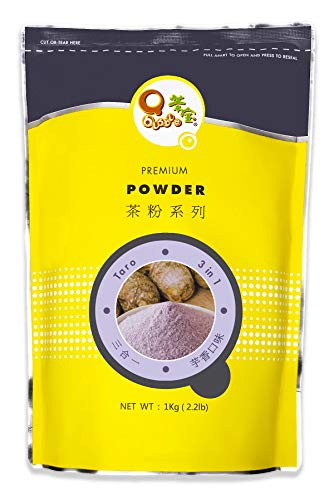
Qbubble Taro Powder 2.2 Lb
Taking A Closer Look At The Options
The 3:15pm Classic Series is built like a flight tray for bubble tea, bundling six different tea profiles into one sampler. Coffee Milk Tea, Earl Grey, Original, Roasted, Rose Fruity, and Traditional styles all sit in the same box, so you can taste across the category without buying six full tins. Each teabag is a quick powder-to-go sachet, and the brand leans on a soymilk-powder base for a non-dairy cup.
For someone who has only tried boba at cafés and now wants to find a house flavor, this format removes guesswork. Compared with the JWAY taro blend below, this is a non-taro, all-tea tasting set, which matters if you want to learn the difference between Earl Grey and Roasted before committing to a single 2.2-pound bag.
Where It Excels
- Six-flavor sampler helps you pick a house favorite without buying in bulk twice
- Powdered sachet format dissolves with water only, no milk frother or stovetop needed
- Non-dairy soymilk base keeps it friendly for lactose-free households
- Plant-based protein content per sachet turns it into a light snack swap for a coffee break
Worth Bearing In Mind
- Only ten teabags total, so the per-cup cost runs higher than the bulk powders
- Rose Fruity is the listed pack here; other flavors require separate purchases
- Owners commonly report the sachets clump if stored in a humid pantry
Who It Suits Best
The first-time home brewer who wants to test six tea styles before picking a daily driver.
Consider Something Else When
Prince of Peace 3 in 1 Matcha Latte suits the office commuter better, since its matcha-forward 24-sachet box is built for grab-and-go weekdays.
JWAY’s taro bag is the heavy lifter of the list, arriving as a 2.2-pound bag aimed at home kitchens, café counters, and smoothie bars that go through boba quickly. Taro root gives the cup a creamy purple body without needing actual taro on hand, and the same powder pulls double duty in hot, iced, and blender drinks.
You mix, pour, and serve in one move, and the powder format keeps storage simple on a dry shelf. The bag’s real strength is flexibility. The 3:15pm sampler above focuses on tasting variety, while this bag is for drinkers who already know they want taro on tap.
What Stands Out
- Generous 2.2-pound format lowers per-drink cost for daily boba drinkers
- Works in hot, iced, and blended formats, so one bag covers three menus
- Powder dissolves quickly with water or milk for faster prep during busy mornings
- Well suited to café or restaurant use where consistency matters cup after cup
Trade-Offs To Consider
- Taro-only flavor profile means you need a second bag for variety
- Bulk size takes up pantry space and benefits from a clip-seal or transfer jar
- Powdered drink mixes tend to absorb odors in humid storage, so a sealed container helps
Quick Technical Notes
Made For
Home boba fans and small café operators who want taro on tap without per-serving cost spikes.
Not Your Match When
Possmei Jasmine Green Tea Bag fits the tea-leaf purist more, since loose jasmine steeps into a lighter, floral cup than a creamy taro mix.
Kiyo’s Signature Grade sits one step above its entry-level Classic, with tea leaves sourced from Uji, the Kyoto region famous for shaded matcha cultivation. Ceremonial-grade matcha (the term for stone-ground tea from first-harvest leaves) drinks smooth and grassy rather than bitter, and this 40-gram tin targets drinkers who want to taste that difference. The 1.41-ounce size is built for daily usucha (thin-style whisked matcha) or a thicker latte.
This is the pick for the reader who has already tried grocery-store matcha and now wants a clean, umami-forward cup. Compared with the Prince of Peace sachet box below, the Kiyo tin is for slow brewing, not office speed.
Features That Help
- Uji-region leaves give a sweeter, more umami-driven cup than generic blends
- Small-batch sourcing helps keep flavor and color consistent tin to tin
- 40-gram size covers roughly 20 to 30 whisks at standard scoops
- Works in ceremonial usucha, lattes, and cold-brew formats without added sugar
Honest Caveats
- You need a fine sieve and bamboo whisk for the best texture, which adds starter cost
- Tin size runs small for households drinking matcha twice a day
- Matcha oxidizes once opened, so most owners finish the tin within a few weeks for peak flavor
Right Fit For
The matcha-curious drinker moving past beginner blends toward a more nuanced, traditional cup.
A Better Fit Elsewhere
Kiyo Matcha Classic Grade Hatsumukashi suits a true beginner, since it offers a friendlier price while still using Uji-region leaves.
This Earl Grey edition of the 3:15pm Classic Series reads like a bridge between coffee and boba. The brand uses real tea leaves from Taiwan, then blends the powder with soymilk and a natural sweetener, so the result is a single sachet you tear, shake, and drink. No sugar scale, no milk frother, no extra bag of leaves to dispose of afterward.
The bergamot lift in Earl Grey gives it more aromatic punch than a plain milk tea, which works for the reader who finds traditional milk tea a little flat. The sachet count is light compared with a Prince of Peace 24-pack, so this box is more of a “try-it” run.
A Favorable Mix
- Each sachet is individually sealed, so freshness holds for desk or gym bag storage
- Non-dairy soymilk base makes the cup lactose-free without a swap
- Plant-based protein per sachet turns a tea break into a light snack
- Earl Grey’s bergamot flavor covers the boba-shop gap for bergamot fans
Points To Keep In Mind
- Ten teabags per box means frequent drinkers cycle through it fast
- Earl Grey drinkers used to loose-leaf brews may want a stronger leaf bite
Feature Snapshot
Best Suited To
Office workers and commuters who want a boba-shop flavor in a single-serve sachet format.
Skip It When
Possmei Jasmine Green Tea Bag is the better match for someone who wants a loose-leaf brewing experience rather than powder.
Prince of Peace builds its 3-in-1 matcha latte around Japanese-sourced matcha powder, then sweetens and creams the blend inside each sachet. The “3-in-1” label means you get matcha, creamer, and sweetener in one packet, so a cup is just hot or cold water plus stirring. The 24-sachet box lands in the office-pantry comfort zone.
It trades nuance for convenience, since the pre-sweetened profile is different from the unsweetened Kiyo Signature tin above. For a desk drawer or weekend rental, that trade makes sense.
The Case For It
- Just-add-water format keeps prep time under a minute
- 24 sachets last through a typical month of weekday drinks
- Japanese-sourced matcha adds a regional anchor to the blend
- Works hot or cold, so a single box covers both seasonal routines
Less Ideal Details
- Pre-sweetened profile limits your control over the cup’s sugar level
- Creamer mix means the powder is not a clean-label pure tea
Who Will Love This
The mid-day matcha latte drinker who values a no-fuss cup over a whisked, traditional one.
Look Elsewhere When
Kiyo Matcha Signature Grade Uji Matcha is the better path for the reader who wants a pure-leaf ceremonial-grade cup without added creamer.
Possmei ships jasmine green tea as a 1.32-pound bag, and the brand is well known in Taiwan’s bubble tea supply world. The format is loose-leaf bagged tea, so you steep a pot, then either drink it light or stir in milk and sweetener for a homemade jasmine milk tea. That brewing step is exactly what sets it apart from the powder picks above.
If your group includes tea purists or you entertain often, a 1.32-pound bag covers many pitchers without running out. The bulk size and Taiwan-sourced leaf also make it a practical base for a side business or a pop-up bar.
Everyday Wins
- 1.32-pound bag covers multiple pitchers, parties, or café-style use
- Taiwan-sourced leaf connects the cup to the traditional bubble tea region
- Loose-leaf format steeps into both light and milk tea styles
- Stable dry storage keeps well in a sealed tin for months
Where It Is Less Suited
- Requires a kettle, strainer, and steeping time, so it’s slower than instant powders
- You still need to add milk, sweetener, or tapioca separately for a full boba cup
- Bulk bag benefits from a transfer jar to keep leaves from going stale
Feature Rundown
Perfect Match For
Entertainers and home baristas who want a traditional jasmine base for DIY milk tea sessions.
Reach For A Different Pick When
JWAY Taro Milk Tea Powder is the better fit for a busy household that wants an instant cup without steeping equipment.
Kiyo’s Classic Grade Hatsumukashi is the entry-level Uji matcha in the lineup, designed to give beginners a first taste of the region without the higher cost of the Signature tin. Hatsumukashi refers to the first harvest of the season, a leaf profile that balances sweetness and grassiness in roughly equal parts.
The 40-gram tin still goes a long way, and the powder works in both usucha and lattes. For someone starting their matcha journey, this lands in a useful middle ground between grocery blends and premium ceremonial tins.
The Value In It
- Uji-region sourcing at a beginner-friendly cost
- First-harvest leaves give a balanced sweet-grassy cup
- 40-gram tin covers a month of regular use at standard scoops
- Versatile enough for whisked tea, lattes, and cold brew
Small Caveats
- Less nuanced than Kiyo’s Signature Grade, so experienced drinkers may find it mild
- Like most matchas, the tin benefits from finishing within a few weeks of opening
Who Should Grab It
New matcha drinkers who want an authentic Uji leaf at a starter cost.
Swap It Out When
Kiyo Matcha Signature Grade Shuga is the right call for drinkers who want a more refined, umami-forward cup once they have their routine down.
Kiyo’s Organic Classic Chiba No Shiro carries the brand’s beginner-friendly profile over to a clean-label version. The Chiba No Shiro leaf name signals a single-cultivar source from Chiba, with a flavor profile that leans toward umami, light bitterness, and gentle astringency. The 40-gram tin works across latte, cold brew, and whisked usucha.
For households that prioritize organic sourcing, this is the more deliberate pick in the matcha section. Compared with the conventional Classic Grade above, the difference is mostly in the leaf’s certification rather than the brewing process.
Where It Delivers
- Single-cultivar Chiba leaf gives a traceable, balanced flavor
- Organic cultivation fits clean-label kitchen routines
- 40-gram size covers regular home use without waste
- Three brewing styles in one tin keeps the routine flexible
Some Limits To Know
- Higher cost than the non-organic Classic Grade sibling
- Beginner focus means it lacks the depth of the Signature tin
Essential Details
Built With In Mind
Clean-label drinkers who want an organic matcha base for daily lattes or whisked tea.
Another Choice May Suit
Prince of Peace 3 in 1 Matcha Latte fits the speed-focused drinker more, since its pre-sweetened sachets skip the whisk and the sieve.
Fusion Select ships a 2.2-pound taro bag with cream and sugar already built into the powder, so the “3-in-1” label refers to the blend of taro, creamer, and sweetener in one scoop. You add water or milk, blend, and the cup is ready hot, iced, or as a frappe. The bag’s real trick is removing the recipe step from your routine.
Compared with JWAY’s taro powder earlier in the list, Fusion Select adds the creamer and sweetener upfront, while JWAY leaves that to the brewer. The right pick depends on whether you want a single scoop or full control over the mix.
Real Benefits
- All-in-one blend removes the need to measure sweetener separately
- 2.2-pound bag covers dozens of single servings for daily drinkers
- Works in hot, iced, and frappe formats from one bag
- Powder dissolves quickly with water, milk, or in a blender base
Worth Noting
- Pre-sweetened profile locks in sugar level, so adjusting sweetness is harder
- Bulk size needs a sealed container to keep the powder from absorbing moisture
- Taro flavor leans sweet, which may not match a less-sugared palate
Whose Shelf It Belongs On
No-recipe daily drinkers who want one scoop, water, and a finished cup every time.
Where Another Pick Suits Better
JWAY Taro Milk Tea Powder suits the brewer who wants taro flavor without the cream and sugar already mixed in.
Qbubble’s Taro Powder lands as a pre-mixed taro bag aimed at party pitchers and event brewing. The 2.2-pound size is the same as the JWAY and Fusion Select bags, but the brand’s framing leans more toward batch serving than a daily single cup. You add the powder to milk or water, stir, and pour into a pitcher.
It is the workhorse option for hosts and small events, where the speed of a pre-mixed powder matters more than fine-tuning each cup. Compared with the 3:15pm sachets, the trade is flavor variety for batch volume.
The Helpful Details
- 2.2-pound bag covers pitcher-size batches for parties
- Pre-mixed powder removes the recipe step at gatherings
- Taro flavor pairs easily with tapioca pearls for a full boba setup
- Stable dry storage keeps well between events
Practical Considerations
- Single-flavor bag means you need a second product for variety
- Bulk size takes up pantry space and benefits from a transfer container
- Sweetness level is built in, so adjusting per cup takes extra steps
The Right Fit
Entertainers and small event hosts who need a quick, repeatable taro base for pitchers.
Reach For A Different Pick When
Possmei Jasmine Green Tea Bag is the better path for hosts who prefer a steeped, light-bodied tea over a creamy taro mix.
What To Weigh Before Choosing Your Boba Tea Powders
Powder versus leaf is the first fork in the road. Instant powders like the JWAY, Fusion Select, and Qbubble bags dissolve with water or milk and skip the brewing step, which fits busy mornings and café-style service. Loose-leaf options like Possmei jasmine demand a kettle and a strainer, but they reward you with a lighter, more aromatic cup that a powder can struggle to match.
Flavor profile matters as much as format. Taro drinks lean creamy and sweet, matcha ranges from grassy to umami depending on grade, and Earl Grey brings a bergamot lift that changes the whole cup. A sampler like the 3:15pm Classic Series is a useful tool for testing the spectrum before committing to a 2.2-pound bag, and it also doubles as a gift box.
Sweetener and creamer built into the powder change the recipe. A 3-in-1 blend such as Fusion Select or Prince of Peace already includes sugar and creamer, so adjusting sweetness requires a separate additive. Pure powders like the Kiyo tins and JWAY taro let you tune the cup to your taste, which matters for households that watch sugar or prefer plant-based milks.
Size and storage affect your shelf life. A 2.2-pound taro bag is a long-term investment that needs a sealed container in a cool, dry pantry, while single-serve sachets like the 3:15pm Earl Grey box stay fresh in a desk drawer. Match the format to your daily rhythm: sachet for grab-and-go, bulk for batch brewing, tin for whisked rituals.
What The Higher Tier Buys Across This List
A premium matcha tin like the Kiyo Signature buys you first-harvest Uji leaves and a more nuanced flavor profile. You trade convenience for the umami and aroma that an entry-level matcha cannot reach, and you gain a tin that rewards a slower, whisked routine. The honest read is that this upgrade pays off only after you have a daily matcha habit, since ceremonial-grade leaf loses freshness quickly once opened.
Pitfalls Shoppers Hit
Picking the largest bag first is the most common slip. A 2.2-pound taro powder is great for daily drinkers, but it goes stale faster in a half-used bag than a 10-sachet box. Newcomers to boba should test a smaller format or a flavor sampler before scaling up.
Ignoring sweetener levels is the second trap. A 3-in-1 blend tastes different from a pure powder, and a household that prefers less sugar will feel locked in by a pre-sweetened bag. Reading the ingredient list and matching it to your taste saves the disappointment.
Where Shoppers Go Wrong
Overbuying bulk tea before checking storage conditions leads to clumping, odor absorption, and flavor loss. A sealed container in a cool, dry pantry is non-negotiable for any bag over a pound, and skipping that step is the fastest way to ruin a taro powder.
Chasing the cheapest per-ounce number without checking origin also backfires. A bulk powder with vague sourcing rarely matches the cup quality of a tea from a named region, and the per-cup cost calculation only matters when the cup actually tastes good.
Frequently Asked Questions
How long does opened boba tea powder stay fresh?
Most instant powders stay at peak flavor for several weeks after opening when stored in a sealed container in a cool, dry pantry. Matcha oxidizes faster and is best finished within a few weeks, while larger taro bags last longer if kept sealed.
Can I use these powders with plant-based milks?
Yes, oat, almond, and soy milks all work with the taro and milk tea powders on this list. Pure matcha and jasmine green tea also blend into plant-based milks for a creamy latte, though the flavor shifts slightly depending on the milk’s sweetness.
Do I need tapioca pearls to enjoy these drinks?
No, the powders make a complete cup on their own. Tapioca pearls add the signature boba chew, but you can serve the drinks as lattes, frappes, or hot teas without them.
How does ceremonial-grade matcha differ from regular matcha?
Ceremonial-grade matcha comes from first-harvest leaves shaded before picking, which gives a sweeter, more umami-driven cup with less bitterness. Lower grades work fine in sweetened lattes but taste harsher when whisked plain.
Which powder is best for beginners?
Sachet samplers like the 3:15pm Classic Series and 3-in-1 blends like Prince of Peace are the most forgiving starting points. They control sweetness and remove the recipe step, so beginners can focus on flavor exploration before moving to pure powders or matcha tins.
The Takeaway
The right boba tea powder depends on your kitchen rhythm. Tasting samplers help you find a house flavor, bulk bags cover daily drinkers, ceremonial tins reward a slow routine, and sachets fit the busiest mornings. Start with the format that matches your week, and let the flavor choice follow once the routine clicks.
