

Bolivian coffee stays under the radar in most kitchens, which is a shame, because the high-altitude growing regions produce some of the most distinctively sweet and cocoa-toned beans you’ll find anywhere. Home roasters and curious everyday drinkers looking to step past the usual Colombian or Guatemalan rotation will find a lot to love here. This guide walks through eight options worth knowing, from a single-origin Bolivian peaberry anchor to several thoughtfully chosen comparisons that highlight why Andean coffee deserves a permanent spot in your pantry.
The Leading Options At A Glance
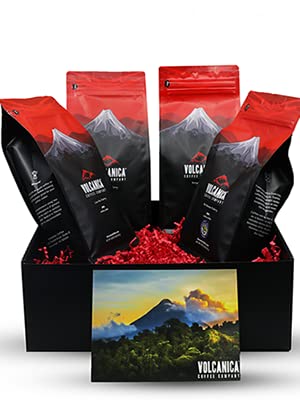
Volcanica Dark Roast Coffee Gift Box, 4 x 16oz Whole Bean

Iron Dome Jerusalem Sunrise Medium Roast, 12oz Whole Bean
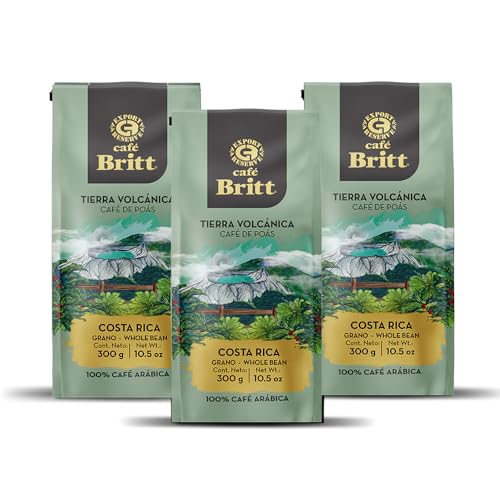
Café Britt Poás Tierra Volcánica Costa Rican, 10.5oz

Mt. Comfort Organic Peru Medium Roast, 12oz Whole Bean
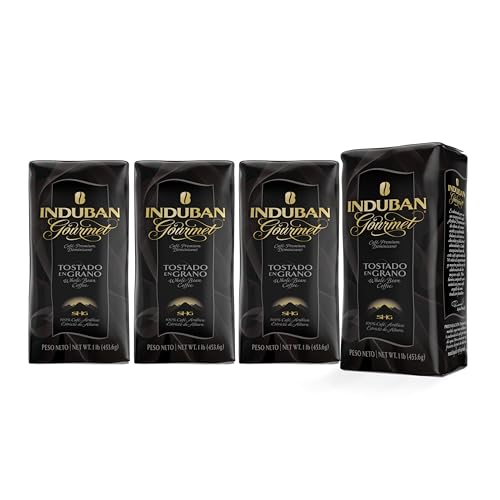
Induban Gourmet Medium Roast, 16oz x 4 Whole Bean

Volcanica Costa Rica Peaberry, 16oz Ground

Volcanica Bolivia Peaberry Carnavari, 16oz Whole Bean

Volcanica Dark Roast Ground Coffee, 16oz
More Details On Our Top Picks
This four-bag sampler pulls together Costa Rica Reserve, Sumatra Mandheling Reserve, Espresso Dark Roast, and French Roast into a single gift-ready box. The value here is exposure: rather than committing to a single 16-ounce bag, you get four different flavor profiles to compare side by side. Each bag holds whole beans, so anyone with a burr grinder can dial in the exact grind size for their morning setup.
Phytosanitary testing and arrival lab analysis are part of the brand’s safety routine, which matters if you’re gifting to a careful friend or relative. The packaging reads as a present, not a grocery haul, and the assortment covers everything from bright Central American to deep, syrupy espresso territory. For households still figuring out which roast direction they prefer, this box doubles as a tasting course.
Benefits That Matter
- Four distinct roasts in one box, useful for comparing origins without buying four separate bags.
- Whole-bean format preserves aroma longer, giving you more flexibility on grind size.
- Phytosanitary screening and lab analysis on arrival add a layer of safety assurance.
- Gift-ready packaging removes the need to wrap or repackage for a present.
- 16-ounce per bag means each style gets a fair trial before moving on.
Things To Consider
- You don’t get to choose which four roasts arrive, so if you only drink one style, the extras take up pantry space.
- Whole beans require a grinder you may not own yet.
Who It Suits Best
Curious drinkers and gift-givers who want a guided tour through dark roast territory without picking four bags themselves.
Where Another Pick Suits Better
If you already know you want a true Bolivian single origin, skip ahead to the Volcanica Bolivia Peaberry Carnavari for a focused Andean experience.
The Jerusalem Sunrise leans into a balanced, easy-drinking profile that fits comfortably between light and dark. Whole beans are sealed for freshness, and the brand encourages grinding right before brewing, which is the single biggest variable most people overlook when chasing better flavor at home. The 12-ounce bag is a sensible size for a single drinker or a couple who goes through coffee at a measured pace.
Where this stands out is approachability. Compared to the Volcanica gift box, which throws four roasts at you, this is a focused, single-style experience. If your kitchen runs on a pour-over, drip machine, or Aeropress, you’ll find the medium body holds its own without dominating the cup. The story behind the brand (cultural heritage tied to Jerusalem) adds a layer of meaning that resonates with gift-givers and collectors of regional roasts.
Practical Advantages
- Whole-bean format lets you match grind size to your brewer, which sharpens flavor noticeably.
- Sealed packaging locks in aroma until the bag opens.
- Medium roast is forgiving across drip, pour-over, and immersion methods.
- 12-ounce size suits one or two drinkers without a long storage commitment.
Worth Noting
- Smaller bag means more frequent reorders for heavy daily drinkers.
- Not a single-origin badge, so those chasing a specific regional terroir may want to look elsewhere.
Made For
Solo drinkers and small households who want a smooth, dependable medium roast that plays well with most home brewers.
Look Elsewhere When
If you want a true Andean origin, the Volcanica Bolivia Peaberry Carnavari is the obvious step up.
Café Britt sources these beans from high-altitude estates near Costa Rica’s Poás Volcano, where dramatic climate shifts and volcanic soils do a lot of the work in shaping the cup. The expected profile is bright and complex, with lemon undertones and a light floral lift on the nose. Single-origin, hand-harvested, and small-batch roasted at the source, this one is built for drinkers who care about provenance.
The brand has carried a carbon-neutral certification since 2013, and the Strictly Hard Bean selection (a grade defined by elevation and bean density) signals a higher-tier raw material. If you’ve been working through the Volcanica gift box and want to compare what a focused single origin tastes like against a blend, this is a useful pivot point. The 10.5-ounce bag is a smaller format, so heavy drinkers will need to plan for reorders.
Well-Handled Touches
- Single-origin transparency from a named volcanic region, useful for origin-focused drinkers.
- Source-roasted in Costa Rica, which shortens the time between roast date and your kitchen.
- Lemon-and-floral profile gives you a brighter counterpoint to heavier dark roasts.
- Carbon-neutral certification and high-altitude bean grade support the premium framing.
Trade Offs
- Smaller 10.5-ounce bag means quicker turnover and more frequent repurchasing.
- Bright, acidic profile won’t appeal to drinkers who prefer heavy, syrupy bodies.
Best Suited To
Pourover drinkers and single-origin fans who appreciate a bright, terroir-driven cup and don’t mind a smaller bag size.
Consider Something Else When
Dark roast loyalists will find a better match in the Volcanica Dark Roast Ground Coffee further down the list.
Key Product Details
Peru shares the Andes with Bolivia, and the Mt. Comfort roast leans into the smoother side of Andean coffee. The cup reads as nutty and chocolate-driven with a soft citrus edge, which makes it a friendly gateway for drinkers moving away from supermarket blends. Whole beans ship in a resealable bag, a small detail that pays off when you only brew on weekends.
Beans come from small Peruvian farms at high elevation, which generally means denser, more flavorful raw material. Compared to the Café Britt Costa Rican, this one is rounder and less acidic, so the choice between them is really a question of whether you want bright or mellow on your counter. The 12-ounce size lands in the same shelf-friendly zone as most single-origin bags.
A Favorable Mix
- Organic single origin from small Peruvian farms gives you a traceable cup.
- Nutty, chocolate, and citrus notes offer an easy, balanced drinking experience.
- Resealable bag helps lock in aroma between brewing sessions.
Points To Note
- Not Bolivian, so it complements rather than replaces a Bolivian rotation.
- Flavor profile sits firmly in the medium camp, which won’t satisfy dark-roast loyalists.
- Whole-bean format still requires a grinder at home.
Whose Shelf It Belongs On
Organic-focused drinkers and Andean-coffee explorers who want a smoother, mellower complement to sharper single origins.
Swap It Out When
If you want the actual Bolivian flagship rather than a regional cousin, the Volcanica Bolivia Peaberry Carnavari is the focused choice.
Feature Snapshot
Induban is a Dominican Republic import carrying certifications for Kosher and Gluten Free, which matters if dietary requirements shape your grocery list. The pack-of-four format gives you 64 ounces of medium-roast whole bean, which is the kind of volume that suits a household running through two or three cups a day. This is a pantry stock play, not a tasting experience.
The brand’s history runs back roughly 80 years through Industrias Banilejas, so there’s a production pedigree behind the bag. Compared to the Mt. Comfort Peru and the Café Britt Costa Rica, Induban trades origin-story detail for volume. If you want a daily driver you can lean on for weeks without reordering, this is the rotation-friendly option, even if it isn’t a Bolivian pick itself.
Good Reasons To Consider
- Four-bag pack means fewer reorders for daily drinkers.
- Kosher and Gluten Free certifications widen who can enjoy it in shared kitchens.
- Whole-bean format pairs with any burr grinder you already own.
Room For Improvement
- Large pack size means you need storage space and a way to keep opened bags fresh.
- Less origin transparency than the single-origin options on this list.
- Not Bolivian, so it works as a baseline rather than a regional exploration.
Right Fit For
High-volume households and shared kitchens that need a steady, certified medium roast without frequent restocking.
Reach For A Different Pick When
Anyone chasing a true Bolivian experience should pivot to the Volcanica Bolivia Peaberry Carnavari for a more origin-driven cup.
At A Glance
Peaberry beans form when a coffee cherry produces a single rounded seed instead of the usual two flat-sided halves. That single-bean structure concentrates flavor, which is why peaberry lots usually cup brighter and more intense than standard beans from the same farm. This Volcanica Costa Rica Peaberry leans into fruit and citrus notes with a mild, sweet finish, all delivered in a ground format ready for the brewer.
Ground coffee trades some peak aroma for convenience, and that’s the trade-off this bag makes. If you don’t own a grinder or simply want a no-fuss morning routine, this is a more practical pick than the whole-bean Bolivia peaberry covered later. Available in 16-ounce, 80-ounce, and multi-pack formats, so households can scale up without changing origin.
Strong Points
- Peaberry grade concentrates flavor into a sweeter, brighter cup.
- Ground format removes the grinder requirement for casual drinkers.
- Multiple pack sizes let you scale up to a 3-pack or 80-ounce option.
Small Caveats
- Ground coffee loses aroma faster than whole bean once opened.
- You’re locked into one grind size, so espresso and pour-over drinkers can’t fine-tune.
- Not a Bolivian origin, so it pairs with rather than replaces a Bolivian rotation.
Who Should Grab It
Convenience-focused drinkers who want peaberry character without buying a grinder or dialing in their own grind.
Not Your Match When
If you want a true Bolivian peaberry with whole-bean flexibility, the Volcanica Bolivia Peaberry Carnavari delivers the same idea with a more focused origin.
This is the heart of the list. The Bolivia Peaberry Carnavari comes from trees grown at very high volcanic mountain altitudes, and the peaberry mutation (one rounded seed per cherry) gives the cup a sweeter, more concentrated edge. Expect pronounced sweet cocoa tones, a long finish, and a soft aroma that lingers in the room after the pour. The medium roast level lets the origin character come through rather than burying it under char.
Fresh roasted and immediately sealed, this is a bag built around the moment-of-use ritual: grind, brew, drink. For most home roasters and curious drinkers, this is the single best entry point into Bolivian coffee specifically. Compared to the Costa Rica Peaberry in slot six, the flavor leans darker and more chocolatey, with less citrus and more depth. It’s the kind of bag that tends to convert casual drinkers into single-origin fans.
Useful Highlights
- True Bolivian single origin, the most direct path into the category.
- Peaberry grade delivers concentrated sweetness and a long finish.
- Phytosanitary and lab testing on arrival supports a clean cup.
- Medium roast preserves the cocoa and soft aroma rather than charring them away.
Honest Caveats
- Whole-bean format requires a grinder you trust.
- Single-origin flavor is more specific than a blend, so the cup may not suit every palate on first try.
Who Will Love This
Andean-coffee enthusiasts and home roasters who want a benchmark Bolivian peaberry to anchor their rotation.
Skip It When
If you want a broader tasting experience across origins, the Volcanica Dark Roast Coffee Gift Box from slot one is a better starting point.
Feature Card
Volcanica’s house dark roast lands in the bag with full-bodied richness and enough acidity to keep the cup from going flat. The brand runs the same phytosanitary and arrival-lab testing here that it does across its other offerings, so you’re working with screened green coffee before it ever reaches the roaster. The ground format skips the grinder step entirely, which makes this a friendly pick for offices, vacation rentals, or any kitchen without specialty equipment.
Available across several origins (Costa Rican Tarrazu, Cuban Espresso, Guatemala Antigua, Mexican), the bag delivers a consistent dark-roast profile regardless of which base bean you select. The 16-ounce size and ground format are a clean match for drip machines and French press. It pairs well as a daily driver alongside the more specialized Bolivia peaberry, giving you one focused single-origin bag and one dependable dark-roast workhorse.
Points In Its Favor
- Ground format is brewer-ready, no grinder required.
- Dark roast delivers the heavy, full-bodied cup many households default to.
- Phytosanitary and lab-tested for a cleaner cup.
- Multiple origin options let you stay within the brand while exploring.
Things To Consider
- Ground coffee loses aroma faster than whole bean once opened.
- Single grind size limits flexibility for espresso or pour-over setups.
- Dark roast profile may not suit drinkers chasing bright, acidic cups.
Perfect Match For
Drip-machine and French press households that want a reliable dark roast without buying a grinder or learning grind theory.
A Better Fit Elsewhere
If you want a Bolivian flagship rather than a generic dark roast, the Volcanica Bolivia Peaberry Carnavari in slot seven is the focused alternative.
Quick Facts
What Matters Most Before Choosing Bolivian Coffees
Roast level sets the tone before anything else. Medium roasts keep the origin’s character intact, which is where Bolivian coffee shines, because the cocoa and soft sweetness of high-altitude beans are easy to lose in a heavy dark roast. Dark roasts deliver comfort and consistency but flatten terroir, so a Bolivian bag in dark form behaves more like a generic dark cup than a regional showcase.
Bean form matters just as much. Whole beans preserve volatile aroma compounds that disappear within minutes of grinding, so anyone with a burr grinder will get noticeably more from a whole-bean bag. Ground coffee trades peak aroma for convenience and is the right call for offices, travelers, or anyone who hasn’t invested in grinder gear yet. Peaberry grade, where a single rounded seed forms inside the cherry, concentrates flavor and shows up frequently in Bolivian single-origin offerings, so it’s worth understanding as a category rather than a marketing flourish.
Origin and altitude shape what ends up in your cup. Bolivian lots typically come from high-elevation farms in volcanic regions, which produces denser beans with brighter acidity and more pronounced sweetness. Single-origin bags give you the cleanest read on those characteristics, while blends smooth them out. Packaging freshness (roast date, sealed valve bags) and screening standards (phytosanitary testing, mold checks) round out the practical side of a smart purchase, especially if you care about what was tested before the beans reached your kitchen.
Key Considerations Across These Picks
Mistakes Worth Dodging
Buying a single-origin bag for a household that mostly takes coffee with milk and sugar is a common overcorrection. The nuanced cocoa and citrus notes in a Bolivian peaberry get buried under cream, leaving you paying a premium for flavor you never actually taste. Match the bag to your drinking style: bright, complex single origins for black coffee drinkers, darker or blended options for milk-forward cups.
A subtler trap is assuming whole bean always means better. If you brew once a week from a blade grinder, the convenience of pre-ground is a real win, and the aroma loss is small relative to the grind inconsistency you’re already living with. Choose form based on your grinder, not on a generic “whole bean is better” rule.
When Paying More Pays Off
Premium Bolivian single origins cost more because of yield, altitude, and screening. The flavor difference is real in a black cup, where cocoa tones, soft aroma, and a long finish all come through. For a household drinking two or three cups a day, a quality single-origin bag is the most rewarding upgrade available. For a casual, milk-and-sugar routine, the extra spend shows up less clearly and a dependable dark roast serves you just as well.
Frequently Asked Questions
What makes Bolivian coffee different from other South American coffees? Bolivian coffee is grown at very high volcanic altitudes, which produces dense beans with pronounced cocoa sweetness and a soft, lingering aroma. The country produces far less coffee than Colombia or Brazil, so Bolivian lots tend to be smaller and more focused.
Is peaberry coffee worth the higher cost? Peaberry grade concentrates flavor because each cherry produces one rounded seed rather than two flat halves, often resulting in a sweeter, more intense cup. You may find the difference subtle in a milk-forward drink and more obvious in a black pour-over.
How should Bolivian whole-bean coffee be stored? Keep the bag sealed in a cool, dark place away from direct sunlight, and grind only what you plan to brew that day. Avoid the fridge, since moisture and odors migrate into the beans quickly.
What grind size works best for Bolivian coffee? A medium grind works for most drip and pour-over setups, while a coarser grind suits French press and a finer grind fits espresso. Single-origin Bolivian beans tend to reward grind adjustments based on your specific brewer.
Can you taste the difference between medium and dark roast Bolivian coffee? Yes, the difference is usually clear. Medium roasts keep the cocoa sweetness and soft aroma that define Bolivian origin character, while dark roasts deliver a heavier, more bitter cup that buries those notes under char.
Closing Remarks
Bolivian coffee earns more attention than it usually gets, and a good peaberry bag is the easiest way to find out why. Start with the Volcanica Bolivia Peaberry Carnavari if you want a focused single-origin experience, or work through the gift box if you’d rather taste a few profiles first. Either way, the Andes are worth a place in your kitchen.
