

Glass-bottled water sits in a category of its own. You reach for it when tap water tastes off, when you want minerals on the label, or when the bottle itself matters as much as what’s inside. Some of these picks are still water in true glass, others appear here because they round out a balanced shortlist across price, size, and use case. Parents mixing formula, hosts pouring at dinner, and everyday carriers will each find a fit below.
A Side-By-Side Look

Pure Life Baby Purified Water 8oz Mini Bottles

Acqua Panna Natural Spring Water 25.3oz Glass Bottle
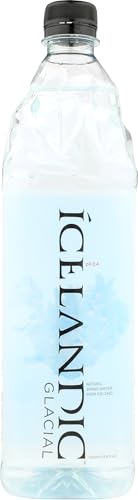
Icelandic Glacial Natural Spring Water 33.8oz

Pure Life Purified Water 24 Pack Mini 8oz Bottles

AQUA Carpatica Spring Water with Electrolytes 750ml Glass

Saratoga Sparkling Water 6-Pack 16oz

Saratoga Sparkling Water 12-Pack 28oz

Pure Life Purified Water 15 Pack 16.9oz
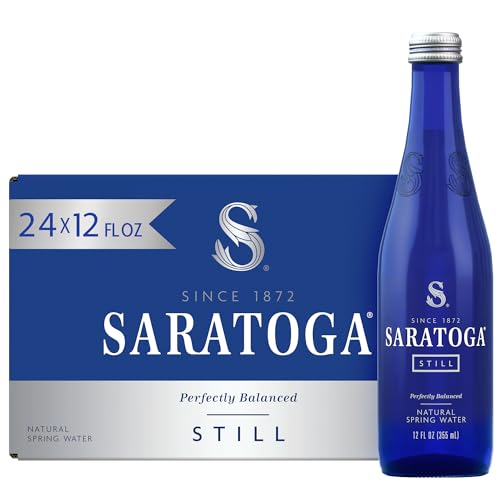
Saratoga Spring Water 24 Pack 12oz Glass Bottles
More Details On Our Top Picks
New parents quickly learn that not every water source is friendly to a newborn’s formula. Pure Life Baby Purified Water is built around that exact problem, with single-serve 8 fl oz bottles that fit a diaper bag, a cupholder, or a side table without ceremony. Each bottle goes through a triple-filter purification process, and the formula is finished with minerals for a clean, mild taste that won’t fight the cereal or formula it’s being mixed into.
Compared to the larger Pure Life formats reviewed further down, this version is purpose-built for feeding time rather than all-day adult hydration. You can pour, mix, and toss the empty without ever touching a tap or worrying about fluoride. It’s a small-format solution for a specific phase of life, and it doesn’t try to be anything else.
Where It Helps
- 8 fl oz single-serve size lands in diaper bags, stroller pockets, and small purses without taking up space.
- No fluoride added and triple-filtered, with minerals like potassium bicarbonate included for taste.
- Meets FDA bottled water standards, which matters when you’re mixing infant formula.
- Single-use format means no boiling, no measuring, and no guesswork for new parents.
A Few Worth Noting
- The mini format drives up per-ounce cost compared to Pure Life’s larger bottles later in this list.
- Single-use plastic creates more empties to sort; recycling access depends on your local program.
Who It Suits Best
Parents of infants who need a trusted, measured water source for formula or cereal prep at home or away from home.
Where Another Pick Suits Better
Adults chasing everyday desk hydration will find the larger Pure Life 15 Pack 16.9oz format a better value per ounce.
Acqua Panna is one of those bottles that shows up at tasting menus and quiet dinner parties for a reason. It’s drawn from a spring in Tuscany, Italy, and bottled at the source, which gives it a consistent mineral balance and a smooth, almost soft mouthfeel. The 25.3 oz glass format sits comfortably on a dining table without dominating it.
Unlike the still Saratoga 12oz glass bottles later in this list, Acqua Panna is built around a single, larger serving that anchors a meal. You’ll pay a premium for the pedigree and the heavier glass, but the trade-off is a bottle that feels intentional on the table, and water that plays well with wine and richer dishes.
A Few Strong Suits
- Single-origin Tuscan spring water bottled at the source for traceable provenance.
- 25.3 oz format offers a generous pour without leaning on multiple plastic bottles.
- Mineral profile is widely paired with food and wine in restaurant settings.
- Glass bottle is fully recyclable and keeps water tasting cleaner than plastic alternatives.
Practical Trade-Offs
- Heavier glass adds shipping weight and storage bulk compared with PET plastic picks.
- Per-bottle cost runs noticeably higher than the everyday Pure Life formats.
Key Details At A Glance
Best Match For
Hosts and home cooks who want a glass-bottled still water that complements plated meals and pours smoothly at the table.
Skip It When
Frequent travelers and gym-bag users will find Saratoga Sparkling Water 6-Pack 16oz far more portable for daily use.
Icelandic Glacial comes from the Ölfus Spring in Iceland, a source that the brand describes as one of the most pristine ecosystems on the planet. The water itself has a naturally low mineral content, which translates to a clean, almost weightless taste that doesn’t coat the palate. It’s also naturally alkaline, with a pH level of 8.4 that some drinkers actively look for.
Where the Pure Life options below focus on value and accessibility, Icelandic Glacial leans into purity and origin. The 33.8 oz format bridges the gap between the 25.3 oz Acqua Panna and the smaller lunchbox-size bottles. You’ll pay for the source and the certifications, but you get a water that takes up residence in the fridge without blending into the background.
What Stands Out
- Sourced from Iceland’s Ölfus Spring, with naturally low mineral content for a clean taste.
- Naturally alkaline at pH 8.4, with no additives or removals during processing.
- Certified CarbonNeutral for both the product and its operations, which matters to eco-minded shoppers.
- 33.8 oz size fits a fridge door and a workout bag without breaking a sweat.
Honest Caveats
- Per-bottle cost lands well above the everyday purified options in this roundup.
- Light taste may feel too neutral for drinkers used to heavily mineralized spring water.
Made For
Drinkers who prioritize source purity, neutral flavor, and sustainability credentials over absolute lowest cost.
Look Elsewhere When
Budget-focused shoppers stocking a weekly fridge should turn to the Pure Life 15 Pack 16.9oz for much lower per-bottle cost.
Pure Life’s 24-pack of 8 fl oz bottles solves a problem most families don’t realize they have until school starts: kid-sized water that’s already pre-portioned. Each bottle is small enough to slip into a lunchbox or a small backpack, and the cap reseals well enough to survive a morning on its side. The water itself is purified and finished with minerals for a light, clean taste.
Unlike the Pure Life Baby format reviewed first, this version doesn’t position itself as formula-ready. It’s a general-purpose family water in a small, controlled format. The mini size means parents can hand one to a child without worrying about waste, and the 24-bottle count keeps the fridge stocked for a week or more.
Key Advantages
- 24-bottle count gives you a steady supply of single-serve water for the week.
- 8 fl oz format suits kid-sized hands and standard lunchbox bottle pockets.
- Mineral-enhanced purification produces a clean, mild taste that goes down easy.
- Bottles are designed to be recyclable, keeping the household waste stream in mind.
Small Caveats
- Per-ounce cost is higher than Pure Life’s 16.9 oz bottles, so it’s not the most economical for adults.
- 24 single-use bottles create a steady recycling load through the week.
Quick Facts
Right Fit For
Parents and caregivers packing school lunches, sports bags, and short outings where smaller portions keep things tidy.
Swap It Out When
Adults wanting a single work-day bottle should reach for the Pure Life 15 Pack 16.9oz, which stretches further per bottle.
AQUA Carpatica is bottled in the Carpathian Mountains, and the brand leans hard into what that source does and doesn’t contain. The water is naturally nitrate-free, naturally sodium-free, and carries a pH around 8.2 thanks to the bicarbonate ions in the aquifer. It’s also described as artesian, which means the water rises to the surface under its own pressure rather than being pumped.
The glass 750ml format puts this in the same general range as the Acqua Panna reviewed earlier, but the audience skews different. Where Acqua Panna focuses on the dining experience, AQUA Carpatica targets households with specific dietary needs: low-sodium diets, parents looking for a no-boil option for newborns, and anyone watching nitrate intake. The natural electrolytes round out the profile without adding flavor.
Notable Gains
- Naturally nitrate-free, which can matter for infants and expecting parents.
- Naturally sodium-free, aligning with low-sodium or blood-pressure-conscious diets.
- Naturally alkaline at pH 8.2 with natural electrolytes for everyday hydration.
- Artesian source and 100% recyclable glass bottles support a clean supply story.
Some Limits To Know
- Glass bottles add weight to grocery runs and need careful storage in small kitchens.
- The 12-pack count may not stretch as far as larger plastic formats for big households.
Feature Snapshot
Whose Shelf It Belongs On
Households managing sodium, nitrate, or alkalinity needs, plus parents who want a no-boil water option for infants.
Another Choice May Suit
Drinkers who want still glass water at a lower entry price will find Saratoga Spring Water 24 Pack 12oz Glass Bottles more accessible.
Saratoga’s signature cobalt blue bottles are immediately recognizable on a grocery shelf. The sparkling version takes spring water and adds carbonation for a slightly sweet, palate-energizing fizz that pairs well with bold flavors. At 16 fl oz in a 6-pack, this format is built for solo drinkers who want a sparkling option to take on the road.
It pairs nicely with the still Saratoga glass bottles reviewed last, but it occupies a different lane entirely. These are PET plastic, not glass, and the carbonation sets them apart from the still formats in this list. The result is a grab-and-go sparkling water that travels without the weight or breakage risk of glass.
What Works In Its Favor
- Carbonated spring water with a slightly sweet profile that complements rich meals.
- 16 fl oz size fits standard cupholders and gym-bag pockets for solo hydration.
- Cobalt blue bottle design is easy to spot in a fridge or cooler.
- 100% recycled and recyclable PET plastic, though local recycling rules still apply.
Worth Bearing In Mind
- PET plastic won’t insulate temperature as well as the glass Saratoga bottles covered below.
- Sparkling fizz can lose intensity if a bottle sits open or in a hot car for hours.
Built With In Mind
Commuters, gym-goers, and solo hosts who want a portable sparkling water that holds up outside the kitchen.
Not Your Match When
Drinkers committed to glass-only bottled water should choose Saratoga Spring Water 24 Pack 12oz Glass Bottles instead.
The 28 fl oz Saratoga Sparkling bottle takes everything the 16 fl oz version does well and stretches it for sharing. The 12-pack size targets road trips, long workdays, and group meals where one person shouldn’t be doing all the bottle-opening. The cobalt blue packaging stays consistent, so the shelf recognition carries over from the smaller format reviewed just before.
For all-day drinkers, the larger format means fewer bottles to track and fewer caps to deal with during a gathering. The spring water source and carbonation profile match the 16 oz version, so the taste experience is the same. You’re paying for volume and convenience, not a different recipe.
Everyday Perks
- 28 fl oz bottles give each person a full serving without the constant refill of smaller formats.
- Carbonated spring water with a slightly sweet profile that holds up alongside bold foods.
- Cobalt blue branding matches the rest of the Saratoga line for a consistent look on the shelf.
- Made from 100% recycled PET plastic that is also recyclable where local programs allow.
Practical Considerations
- PET plastic can lose chill faster than glass, so cold storage matters in warm climates.
- Sparkling carbonation can go flat if a bottle is opened and not finished in one sitting.
Feature Card
Who Will Love This
Hosts, road-trippers, and households where sparkling water moves quickly and a single bottle needs to cover a meal.
Reach For A Different Pick When
Solo drinkers who finish bottles slowly will find the Saratoga Sparkling Water 6-Pack 16oz easier to keep carbonated.
Pure Life’s 15-pack of 16.9 fl oz bottles is the workhorse of this list. The format is the same single-serve bottle you see in vending machines, hotel rooms, and breakroom refrigerators, but the price-per-ounce on a 15-pack tends to be far more forgiving. It’s the bottle most people picture when they think of everyday bottled water.
Where the 8oz Pure Life format caters to kids and the 25.3oz Saratoga glass leans toward the table, this 16.9 oz sits in the middle. It fits a standard work bag, lives comfortably in a car’s cupholder, and pours enough to get through a workout or a long meeting. If you only stock one bottled water in your home, this is the format most shoppers default to.
What Helps Most
- 15-bottle count at a familiar 16.9 fl oz size gives a balanced week of hydration.
- Purified and mineral-enhanced for a clean, crisp taste that holds up cold or at room temp.
- Bottles are designed to be recyclable, supporting a routine recycling habit.
- Resealable cap keeps the bottle spill-safe inside a work bag or gym sack.
Honest Drawbacks
- Plastic format can pick up off-flavors if stored in a hot car for extended periods.
- Per-bottle cost is lower than mini formats but higher than the multi-liter jugs in some stores.
Spec Overview
Perfect Match For
Office workers, commuters, and families who want a no-fuss, widely available bottled water at a sensible per-bottle cost.
Consider Something Else When
Hosts who want a still water with table presence should consider Acqua Panna Natural Spring Water 25.3oz Glass Bottle instead.
Saratoga’s 12 fl oz glass bottle in a 24-pack is the entry point into still glass water for most households. The size is small enough to pour at lunch, the cobalt blue glass keeps it looking intentional on the table, and the price-per-bottle is more forgiving than the larger Acqua Panna or AQUA Carpatica formats. The spring water inside carries a slightly sweet, clean profile that works in any setting.
For shoppers who want glass without committing to a 25 oz bottle at every meal, this format threads a real needle. It also matches the still counterpart to the sparkling Saratoga bottles reviewed earlier, so a household that likes variety can stock both from the same brand.
Practical Advantages
- 24-pack of 12 fl oz glass bottles gives you ready-to-pour still water for events and lunches.
- Glass construction keeps water tasting neutral and supports a clean recycling stream.
- Cobalt blue bottle design is distinctive enough to dress up casual tables.
- Spring water source with a slightly sweet, refreshing finish that pairs with most meals.
Where It May Fall Short
- 24 glass bottles add real weight to a grocery haul and need careful storage.
- Small format means more bottles to chill and serve at a large gathering.
Best Suited To
Households and hosts who want a still glass water at a manageable per-bottle cost without the weight of 25 oz formats.
A Better Fit Elsewhere
Athletes and long-day drinkers will find the larger Pure Life 15 Pack 16.9oz more practical to carry and finish in one sitting.
Factors To Weigh When Choosing Bottled Waters In Glass
Container and Format
The vessel changes the experience as much as the water does. Glass keeps the taste neutral and stays fully recyclable, but it adds weight to a grocery run and demands careful storage in small kitchens. PET plastic is lighter and tougher on the move, though it can pick up warmth or off-flavors in a hot car. For everyday desk and lunch use, mid-size plastic bottles tend to win. For table service and entertaining, glass earns its place. Think about where the bottle lives between the store and the moment you actually drink it.
Source, Treatment, and Mineral Profile
Spring water is drawn from an underground formation and bottled at the source, so the mineral content reflects the local geology. Purified water is treated, often through reverse osmosis or distillation, and often finished with minerals for taste. Alkaline water carries a higher pH, which is naturally present in some springs (Icelandic Glacial at 8.4, AQUA Carpatica at 8.2) and added in others. Your choice depends on whether you want minerals left as-is, stripped and rebuilt, or boosted for taste and pH.
Size, Count, and Use Case
A 25 oz glass bottle looks great at dinner, but it’s a poor match for a kid’s lunchbox. A 24-pack of 8 oz mini bottles solves school-day logistics but raises per-ounce cost. Think in terms of how many people are drinking, where they’re drinking, and how long the open bottle needs to last. Sparkling water also adds a time pressure, since carbonation goes flat after the cap comes off. For sparkling, larger bottles and quicker drinkers tend to pair better.
Key Considerations Across These Picks
Common Slip-Ups To Avoid
The most frequent mistake is choosing a format before the use case. A 25 oz glass bottle is awkward to finish during a workout. A 16 oz plastic bottle feels small at a dinner party. The other pitfall is ignoring local recycling rules: PET and glass both rely on municipal programs, and a bottle marked recyclable may still end up in the trash if your area doesn’t accept it. Matching the format to the setting and confirming the recycling path keeps the choice honest.
Why Top-Tier Picks Cost More
The premium options in this list, like Acqua Panna, AQUA Carpatica, and Icelandic Glacial, charge more for traceable single-origin sources, naturally alkaline pH, and low nitrate or sodium content. Glass packaging adds weight and shipping cost as well. The upgrade is worth it for households that care about origin, mineral profile, or the dining experience, but it doesn’t add hydration. Everyday drinkers get everything they need from the Pure Life and Saratoga formats at a fraction of the per-bottle cost.
Frequently Asked Questions
Is glass-bottled water actually different in taste from plastic?
Most tasters can tell the difference in a side-by-side. Glass is less porous and doesn’t leach flavor compounds, so the water tends to taste more neutral, especially after a day in the bottle. Plastic can pick up subtle notes from the container, particularly if stored warm. That said, the source and mineral content still matter more than the vessel, so a high-quality spring water in plastic will usually out-taste a low-quality spring in glass.
Are sparkling and still waters from the same source really that different?
Sometimes yes, sometimes no. The carbonation process adds bubbles and a slight acidity that changes mouthfeel, but the underlying spring source stays the same. Saratoga, for example, draws its spring water for both still and sparkling versions, so the mineral profile is consistent. The experience changes more than the chemistry, which is why sparkling pairs differently with food and why it loses its edge once opened.
How should bottled water in glass be stored?
Store glass-bottled water upright in a cool, dark place, away from direct sunlight and heat sources. Heat can pressure the cap and, over time, encourage microbial growth in any opened bottle. For long-term storage, keep the original seal intact until you’re ready to drink. Once opened, refrigerate and finish within a few days to keep the taste clean and the bottle safe to reuse if you choose.
Is purified water less healthy than spring water?
Not necessarily. Purified water goes through treatment that removes impurities and often adds minerals back for taste. Spring water is filtered naturally through rock, which can leave a different mineral signature. Both meet FDA bottled water standards for safety. The choice comes down to taste preference and whether you value natural mineral content or consistent purification from batch to batch.
Does bottle size affect how much you actually drink?
For most people, yes. Smaller bottles tend to be finished in one sitting, which matches the recommended hydration rhythm of sipping through the day. Larger bottles, especially glass, often end up half-finished and refilled, which can affect taste and freshness. If you struggle to drink enough water, smaller formats with resealable caps tend to produce more consistent intake than a single oversized bottle that sits on a desk all day.
The Takeaway
The right bottled water in glass depends on where it lives in your day. Parents mixing formula, hosts pouring at dinner, gym-goers chasing hydration, and households watching their recycling bin will each find a fit in this list. Match the format to the moment, and the rest tends to take care of itself.
