

Brazilian coffee anchors more morning rituals worldwide than almost any other origin, so picking the right bag actually changes how your day starts. The wrong roast turns a smooth routine into something sharp and burnt, and a confusing origin label can leave you with muddy notes you can’t repeat. This roundup cuts through that by matching each bag to a real brewing style, budget, and taste profile, so you spend less time guessing and more time enjoying the cup.
The Leading Options At A Glance

Lavazza Espresso Whole Bean Coffee, 100% Arabica, 2.2 lb Bag (Pack of 2)
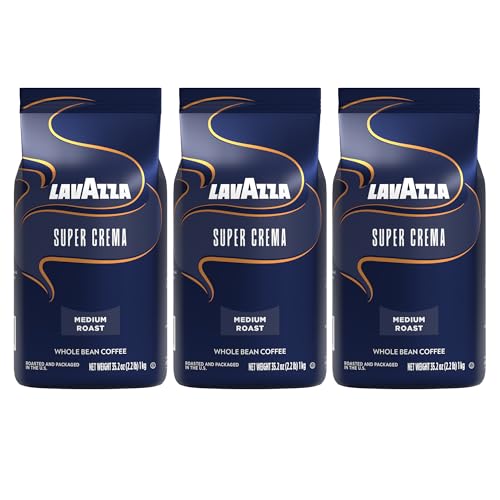
Lavazza Super Crema Whole Bean Coffee, 2.2 lb Bag (Pack of 3)

Tiny Footprint Nicaragua Segovia Dark Roast Whole Bean, 3 lb

Tiny Footprint Nicaragua Segovia Dark Roast Ground, 16 oz
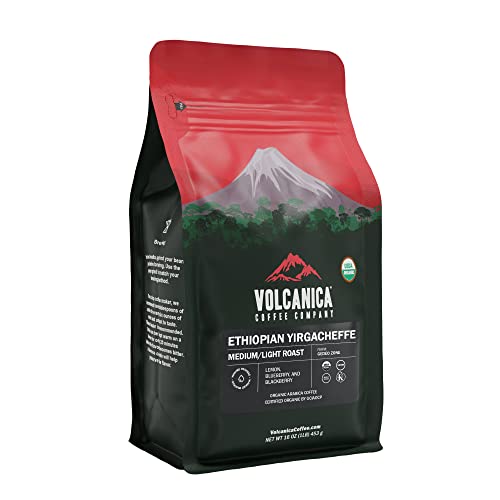
Volcanica Ethiopian Yirgacheffe Whole Bean, 16 oz
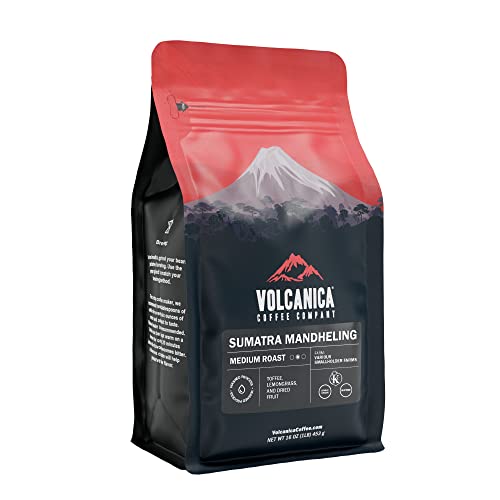
Volcanica Sumatra Mandheling Whole Bean, 16 oz
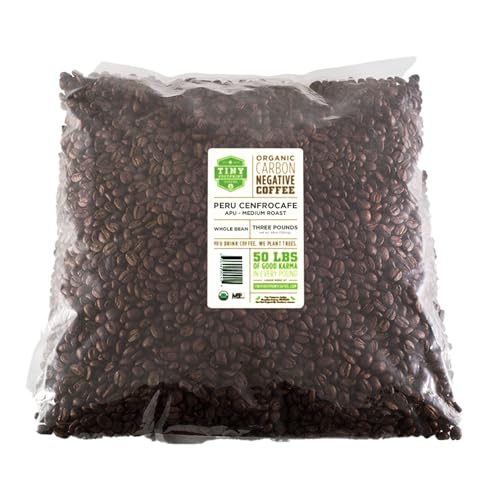
Tiny Footprint Peru APU Medium Roast Whole Bean, 3 lb

Volcanica Tanzania Peaberry Whole Bean, 16 oz

Lavazza Super Crema Espresso Whole Bean, 2.2 lb Bag 2-Pack

Tiny Footprint Signature Blend Light Roast Whole Bean, 3 lb
A Closer Look At Each Pick
Lavazza’s 100% Arabica Espresso medium roast lands in the comfort zone for anyone building a first espresso setup. The two-bag format means a single order stretches across weeks of weekday brewing, which matters when you fire up the machine every morning.
Roasted at a moderate intensity level of 5 out of 10, the cup leans aromatic and rich without tipping into bitter territory. Pour it as a lungo, drink it as a straight shot, or stretch it into a latte: the bean handles each method without losing the gentle cocoa note. Beginners who don’t yet know their palate will probably appreciate the forgiving character here.
A Few Highlights
- 100% Arabica composition keeps the cup clean and easy to drink
- Two-bag pack reduces reordering hassle for regular home brewers
- Intensity 5 roast profile suits drip, moka pot, and entry-level espresso machines
- Aromatic character holds up when milk is added
Things To Consider
- Lacks the heavier crema that pure Robusta or Arabica-Robusta blends deliver
- Whole bean format means you’ll need a grinder to unlock full flavor
Who It Suits Best
First-time home espresso brewers who want a forgiving, aromatic cup without committing to a single-origin bottle.
Look Elsewhere When
Step up to the Lavazza Super Crema blend if you want thicker crema and a touch more body in every shot.
Super Crema earned its reputation by combining Arabica smoothness with Robusta body, giving espresso machines the dense crema and rounded finish that defines a classic Italian pull. The pack-of-three format targets households that burn through beans fast.
You’ll taste a fuller mouthfeel compared with the pure-Arabica Lavazza reviewed above, with a creamy, almost honeyed finish that lingers. It pulls well on a prosumer machine, yet stays forgiving on a $200 starter setup. Anyone chasing that café-style visual of thick crema layered over espresso should put this near the top of the list.
A Favorable Mix
- Arabica and Robusta blend produces noticeably thicker crema
- Three-bag pack suits heavy-use households and shared kitchens
- Medium espresso roast works across manual and automatic machines
- Forgiving on lower-end machines that struggle with high-pressure shots
Worth Noting
- Robusta content means slightly higher caffeine than pure Arabica
- Whole bean format requires a grinder for full aroma release
- Bold body may overpower delicate single-origin pour-overs
Made For
Daily espresso drinkers who value crema and body over delicate origin character.
Consider Something Else When
Pick the Lavazza Espresso 100% Arabica bag above if you prefer a lighter, more aromatic cup without the Robusta kick.
Where the Lavazza blends keep things neutral, this Tiny Footprint Nicaragua Segovia pulls you toward origin-specific flavor. Sourced through the PRODECOOP cooperative, the beans carry the chocolate and dried-fruit notes Segovia is known for, then roasted dark to amplify the body.
The carbon-negative positioning (the brand plants trees in tandem with sales) speaks directly to eco-conscious shoppers, and the 3-pound bag suits a household of two or three daily drinkers. Brew it as a pour-over to catch the brighter apricot edge, or push it through a French press for a thicker, more resonant cup.
What Makes Sense
- Single-origin Nicaraguan beans give traceability and consistent cup character
- Dark roast amplifies chocolate and dried-fruit notes for a fuller body
- Large 3-pound format lowers per-cup cost for regular drinkers
- Fair Trade and shade-grown sourcing supports cooperative farming
Points To Note
- Dark roast can mute the brighter origin notes for some palates
- Whole beans need grinding just before brewing for best results
Right Fit For
Conscious drinkers who want a traceable single origin and don’t mind a darker, fuller cup.
Skip It When
Choose the Volcanica Ethiopian Yirgacheffe if you’d rather chase bright, citrus-led acidity than chocolate body.
This is the same Nicaragua Segovia coffee as the bag above, but pre-ground for anyone who hasn’t invested in a burr grinder yet. Apartment dwellers with basic drip machines or travel brewers benefit most from skipping the extra equipment.
The dark roast brings out chocolate, dried apricot, and a touch of fig, similar to its whole-bean sibling. The smaller 16-ounce pouch is easier to finish in a few weeks, which matters once ground coffee is exposed to oxygen and starts losing aroma.
Noteworthy Benefits
- No grinder required, ideal for basic drip machines and travel brewers
- Same single-origin Nicaraguan sourcing as the whole-bean sibling
- Dark roast profile delivers full body even in simple brew methods
Small Caveats
- Pre-ground coffee loses aroma faster than whole bean over time
- Smaller 16-ounce bag requires more frequent reorders
- Ground size is fixed; not adjustable for espresso or Turkish brewing
Best Suited To
Pour-over and drip brewers who want a single-origin cup without buying a grinder.
A Better Fit Elsewhere
Grab the Tiny Footprint whole-bean bag above if you own a burr grinder and want longer-lasting freshness.
Yirgacheffe is the region coffee geeks name when they want floral, citrus-driven character, and Volcanica’s take lands that profile cleanly. The cup throws bright lemon and blueberry notes against a medium body, the kind of cup that wakes up a slow Sunday morning.
Where the Nicaraguan dark roast above is about depth, this Ethiopian is about lift. Pour-over, Chemex, and AeroPress brewing all showcase the acidity, while espresso machines can struggle to tame the brightness without dialing in. It’s also Kosher-certified, which matters for shoppers who prioritize that seal.
The Upside
- Distinctive floral and citrus notes from a renowned Ethiopian region
- Medium-bodied cup pairs well with pour-over and AeroPress
- Kosher certification suits shoppers who prioritize that designation
- Whole bean format locks in aroma until grinding
Honest Caveats
- Bright acidity may feel sharp to drinkers used to dark, low-acid cups
- Whole beans need a grinder for best results
- Single-origin character can vary between batches
Who Will Love This
Slow-brew enthusiasts who chase floral, citrus-forward cups over chocolate-heavy body.
Swap It Out When
Pick the Volcanica Sumatra Mandheling if a deep, earthy profile sounds closer to your daily preference.
Sum coffees occupy the opposite pole from Yirgacheffe: where Ethiopia is bright, Sumatra is heavy, earthy, and grounded. This Mandheling leans on smooth chocolate notes and low acidity, which makes it a strong fit for French press or cold brew drinkers.
Volcanica roasts the beans above 400°F and screens for mold through phytosanitary (plant-health-screening) testing before export. You won’t find bright citrus here; the payoff is a thick, almost syrupy cup that holds up well to milk and sugar without disappearing under them.
Useful Highlights
- Earthy, chocolate-forward profile suits low-acid preferences
- Medium roast still preserves origin character from the Sumatra region
- Performs well in French press, cold brew, and milk-based drinks
Less-Strong Areas
- Heavy body can feel muddy in pour-over or light drip brews
- Whole bean format means grinding equipment is required
Perfect Match For
French press and cold brew drinkers who want depth and a low-acid cup on weekday mornings.
Reach For A Different Pick When
Choose the Volcanica Ethiopian Yirgacheffe above if you want bright acidity rather than earthy weight.
The Peru APU sits in a comfortable middle ground that works for both first and second cups of the day. Sourced through Cenfrocafe, the cooperative invests grower premiums back into education and infrastructure, which matters for shoppers tracking the supply chain.
Flavor-wise, expect a soft caramel mouthfeel backed by gentle citrus acidity and a clean finish. The medium roast makes this bag flexible: it works for drip, pour-over, and AeroPress with minimal fuss, which is helpful if you rotate brew methods through the week.
Features That Help
- Soft caramel sweetness suits all-day drinking without palate fatigue
- Single-origin Peru APU beans offer clear regional character
- Large 3-pound format reduces per-cup cost for daily drinkers
- Fair Trade premiums fund cooperative programs in growing communities
Some Limits To Know
- Medium roast can taste thin in milk-heavy lattes if not dialed in
- Whole beans require grinding just before brewing for best aroma
Who Should Grab It
Everyday drinkers who want a flexible medium roast that performs across multiple brew methods.
Where A Sibling Pick Shines
Step up to the Tiny Footprint Signature Blend below if you want a brighter, lighter roast profile for the morning cup.
A peaberry is a natural mutation where a single rounded seed develops inside the coffee cherry instead of the usual two flat halves, which concentrates flavor into one bean. Volcanica’s Tanzania version pulls beans from the slopes of Mount Kilimanjaro, where elevation and volcanic soil shape the cup.
Expect intense acidity, a rich body, and a fragrant aroma. This is a special-occasion pick for many home brewers: 16 ounces goes a long way, and the peaberry format rewards the curious drinker. Brew it as a single-cup pour-over to taste the full character before committing to a bigger format.
Where It Delivers
- Peaberry mutation concentrates flavor into each individual bean
- High-elevation Tanzanian sourcing shapes a rich, intense cup
- Whole bean format preserves aroma until brewing
A Few Limitations
- Intense acidity can feel sharp to drinkers used to mellow Latin American beans
- Single-origin character can vary between harvests
Built With In Mind
Adventurous home brewers who want to explore peaberry beans from a high-elevation origin.
Not Your Match When
Choose the Tiny Footprint Peru APU above if you prefer a softer, caramel-leaning medium roast instead.
This is the same Super Crema blend reviewed earlier, but in a two-bag format aimed at households that want fewer reorders. Pair it with a sealed canister and you’ll keep beans fresh for months.
The Arabica-Robusta mix pulls thick crema on entry-level machines, and the medium roast holds up across milk-based drinks. If you already trust the Super Crema profile and just want more of it, this format is the path of least resistance.
Points In Its Favor
- Larger two-bag format reduces reordering for heavy users
- Same Arabica-Robusta blend produces consistent crema
- Forgiving roast profile suits a range of home espresso machines
Possible Compromises
- Two-bag bulk may not finish in time without airtight storage
- Same Robusta content as the smaller pack, slightly higher caffeine
The Right Fit
Multi-drinker households that already like the Super Crema profile and want to stock up without switching beans.
Where Another Pick Suits Better
Pick the Lavazza Espresso 100% Arabica above if Robusta content is a deal-breaker for you.
Where most of this list leans medium or dark, Tiny Footprint’s Signature Blend goes the other direction. The light roast showcases lemon, orange, and a touch of cocoa, giving the cup a clean, almost tea-like lift that pairs well with slow morning brewing.
Beans are craft-roasted in small batches and the brand plants trees for every purchase, which gives the bag a story beyond the cup. This one’s for the person who already knows they want a bright morning coffee and prefers the bean to do the talking without a darker roast masking it.
What Works In Its Favor
- Light roast preserves bright citrus and cocoa notes for a clean cup
- Seasonal sourcing from multiple regions keeps the blend dynamic
- Large 3-pound bag lowers per-cup cost for daily drinkers
Details To Watch
- Light roast can taste thin next to milk-heavy drinks
- Whole bean format requires a grinder for full aroma
- Single-origin clarity is limited because this is a blend
Whose Shelf It Belongs On
Light-roast loyalists who want a clean, citrus-forward morning cup over darker body.
Another Choice May Suit
Pick the Volcanica Ethiopian Yirgacheffe above if you want single-origin character with similar bright acidity.
What To Weigh Before Buying Your Next Bag
Roast level sets the entire tone of a cup, so start there. Light roasts lean bright and acidic, medium roasts balance body and aroma, and dark roasts emphasize chocolate, smoke, and earth. Most people default to medium because it flatters most brew methods, but the adventurous cup sits at one of the poles.
Origin matters more than most shoppers realize. Brazilian beans tend toward chocolate, nuts, and low acidity, while Ethiopian and Kenyan origins bring citrus and florals. Sumatra pushes deep, earthy, and almost savory. Mixing in single-origin bags alongside your usual blend keeps your palate honest.
Brew method compatibility is a quiet decision-maker. Espresso machines need fine grinds, and crema-rich blends like the Lavazza Super Crema are designed for that pressure. Pour-over and Chemex reward origin clarity, so a bright Ethiopian or clean Nicaragua shines. French press leans toward heavier, low-acid profiles where a Sumatra or dark Nicaragua feels right.
Whole bean versus ground is a storage question. Whole beans keep their aroma longer once opened, while ground coffee loses volatile compounds (the aromatic oils that carry flavor) within days. Buying a burr grinder (a grinder that crushes beans between two textured plates, producing uniform particle size) is the single biggest upgrade for most home setups, and the upfront cost pays off in cup quality almost immediately.
What To Know Before You Commit
Pitfalls Shoppers Hit
The most common misstep is buying a bag of espresso beans and pulling it through a drip brewer. Espresso roasts are blended for high-pressure extraction, and the same bean can taste thin or unbalanced in a regular drip. Match the roast to your machine rather than chasing the bag’s marketing.
A second trap is ignoring roast date. Coffee is freshest in the first 4-6 weeks after roasting, and many warehouse-stored bags have been sitting far longer. If the listing doesn’t show a roast date, assume the worst and finish the bag within a few weeks of arrival.
Where The Extra Money Goes
Higher-tier bags tend to invest in two things: single-origin sourcing and tighter roast-to-ship windows. Specialty bags often roast in small batches and ship within days, which preserves volatile aromatic compounds that warehouse coffee loses over months. Carbon-negative and Fair Trade programs also tend to live in the higher tier, because traceable supply chains cost more to maintain.
For daily drinkers, the upgrade pays off in cup consistency rather than dramatic flavor shifts. You may not notice the difference on the first cup, but the third or fourth bag of a single-origin will reward you with a clearer regional character than a generic blend can deliver.
Frequently Asked Questions
What roast level suits a beginner?
Medium roasts tend to be the most forgiving, because they balance body and acidity without leaning too bright or too smoky. The Lavazza Espresso medium roast or the Tiny Footprint Peru APU are solid starting points for someone still building their palate.
How long does whole bean coffee stay fresh?
Whole beans hold their best flavor for about 4-6 weeks after roasting, once the bag is opened. Store them in an airtight container away from sunlight, and avoid the fridge: moisture is coffee’s enemy, and a sealed canister at room temperature works better.
Is dark roast stronger than light roast?
The roast level affects flavor more than caffeine content, which often surprises people. Light roasts actually retain slightly more caffeine, while dark roasts taste bolder because longer roasting breaks down the organic acids and produces smoky, bitter notes.
Do I really need a burr grinder?
A burr grinder produces uniform particle size, which leads to even extraction (the process of pulling flavor from grounds using water). Blade grinders chop unevenly, and the result is a cup where some grounds over-extract (turning bitter) while others under-extract (turning sour). The upgrade is worth it for anyone drinking coffee daily.
Are single-origin beans better than blends?
Single-origin bags offer clearer regional character, while blends balance multiple beans for consistency. Neither is inherently better: single-origins reward curious drinkers, while blends offer reliable cup-to-cup performance for daily routines.
Wrap Up
The best Brazilian coffee bean is the one that fits your machine, your schedule, and your palate, not the one with the loudest story. Start with a versatile medium roast, then branch into single-origins once you know whether you lean bright or deep. From there, your morning routine does the rest.
