

Brewing your own beer, kombucha, or mead at home starts with the right setup, and the wrong starter gear can quietly stall a hobby before it takes off. The gap between a kit that walks you through your first batch and one that leaves you guessing is wider than most people expect, especially when you’re investing in glassware, airlocks, and fermenters you’ll reuse for years. This roundup focuses on the brewing kits and fermentation gear that hold up to real kitchen use, from compact flip-top bottles to full gallon carboys, so you can spend more time brewing and less time troubleshooting.
An Overview Of The Picks

KITGLASCUP Amber 12oz Swing Top Bottles 10 Pack

KITGLASCUP Clear 16oz Swing Top Bottles 10 Pack
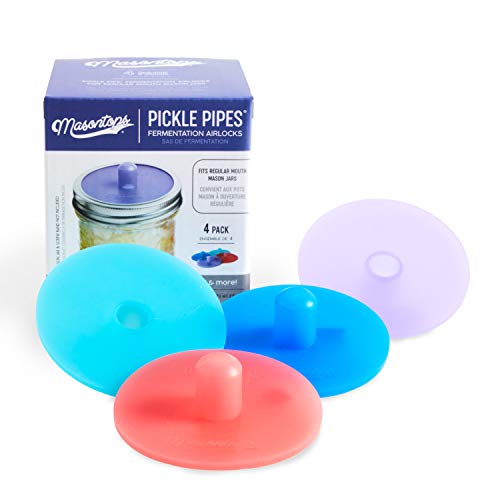
Masontops Pickle Pipes Airlock Fermentation Lids

KITGLASCUP 16.5oz Amber Swing Top Bottles 10 Pack
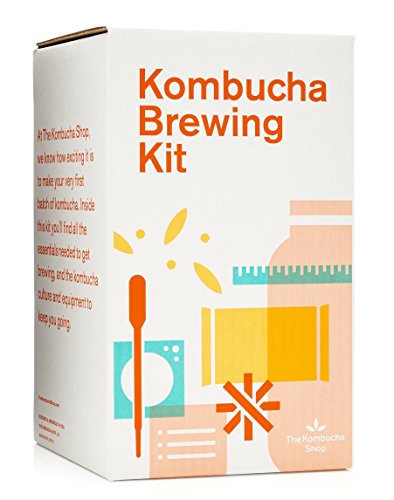
The Kombucha Shop Organic Kombucha Starter Kit (1 Gallon)

North Mountain Supply 1 Gallon Glass Fermenting Jug Set

Craft A Brew Mead Making Kit (1 Gallon)
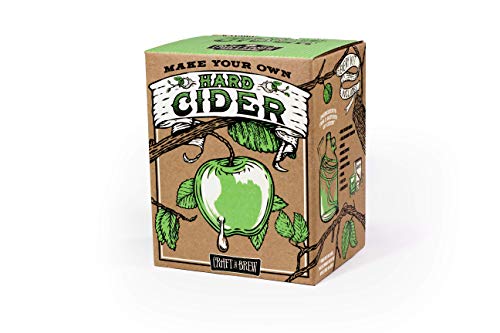
Craft A Brew Hard Cider Kit (1 Gallon)

Craft A Brew American Pale Ale Kit (1 Gallon)

Qianfenie 1 Gallon Fermentation Jar with Airlocks (2 Pack)
The Details Behind The Selections
Twelve ounces is the classic single-serving size for bottle-conditioned homebrew, and amber glass blocks the UV light that can slowly spoil hoppy beers and kombucha. The swing-top cap, a wire bail that presses a rubber gasket against the bottle mouth, is also one of the easiest closures to seal and reopen without a bench capper. For most beginners bottling their first fermented batch, that combination removes two common headaches at once.
You get ten bottles in the pack, which lines up neatly with a one-gallon batch that typically yields eight to ten servings. Owners commonly report that the thick glass feels substantial in hand and the gasket holds carbonation reliably once primed. Compared to the larger 16oz option below, these are easier to chill fast and stack in a standard fridge door.
Where It Delivers
- Amber tint helps shield beer and kombucha from light damage
- 12oz portion matches standard commercial serving sizes
- Swing-top mechanism needs no separate bottle capper
- Reusable for many batches with simple gasket replacement
Things To Consider
- Smaller volume means more bottles to wash and fill per gallon
- Gaskets can wear over time and may need periodic replacement
Who It Suits Best
Homebrewers bottling a single gallon of beer or kombucha who want a classic amber presentation and no extra capping tool.
Look Elsewhere When
You’d rather bottle in larger 16oz servings, in which case the KITGLASCUP Clear 16oz Swing Top Bottles 10 Pack is the closer match.
The clear glass on these 16oz bottles puts the contents front and center, which matters when you’re bottling a second-fermentation kombucha with floating fruit or a clear cider. The extra four ounces per bottle, compared to the amber 12oz set above, also means fewer bottles to wash, sanitize, and label per batch. For many kitchen brewers, that saved time is the real reason to step up in size.
The thick glass build feels closer to a small commercial bottle than a fragile decorative vessel, and the wire bail and silicone gasket are simple to operate one-handed. Owners often reach for these when brewing kefir, infused water, or homemade vanilla extract, since the airtight seal handles temperature swings in the fridge without leaking. Where the amber set leans traditional, this one leans practical and display-friendly.
The Case For It
- Larger 16oz capacity reduces the total bottle count per batch
- Clear glass showcases layered kombucha and infused drinks
- Dishwasher-safe construction simplifies cleaning
- Versatile across kombucha, kefir, oils, and extracts
Worth Noting
- Clear glass offers no UV protection for light-sensitive beer styles
- Bulkier size may not fit standard refrigerator door shelves in tight kitchens
- Silicone gaskets can occasionally stick on first use
Key Product Details
Made For
Kombucha brewers and home cooks who want larger, display-ready bottles for fermented drinks, kefir, and homemade extracts.
Consider Something Else When
You’re storing a hop-forward pale ale where light skunking is a real risk, in which case the KITGLASCUP 16.5oz Amber Swing Top Bottles 10 Pack offers the same size with better UV protection.
Pickle Pipes are a smart retrofit for anyone who already owns a stack of wide-mouth or regular-mouth Mason jars. Instead of using a traditional water-filled airlock, a small device that lets CO2 escape while blocking oxygen, these lids use a one-way silicone valve that vents gas automatically. You drop the lid on, screw the ring down, and the jar handles its own pressure release without daily burping.
That design cuts a meaningful slice of maintenance off small ferment projects like sauerkraut, garlic dill pickles, and hot sauce. Compared to the larger one-gallon carboys coming later in this list, the Mason jar format keeps everything in single-quart or half-gallon batches, which is helpful for experimenting with different recipes side by side. For apartment dwellers short on counter space, the jars also store in the back of a cabinet between batches.
Everyday Advantages
- No water to top off, so spills and refills are off the table
- Self-burping design suits short-attention-span brewers
- Reuses Mason jars you may already own
- Compact size fits standard kitchen cabinets
Minor Gripes
- Mason jars are not included with the lid set
- Smaller batch volume than a one-gallon carboy
Best Suited To
Apartment fermenters and first-timers who want a low-maintenance way to try sauerkraut, pickles, and small vegetable ferments at home.
Not Your Match When
You’re brewing full gallons of kombucha or wine that need a larger vessel, where the Qianfenie 1 Gallon Fermentation Jar with Airlocks 2 Pack handles the same airlock concept at a bigger scale.
This set merges the two upgrades most homebrewers want: amber glass for UV protection and a slightly larger 16.5oz serving size. The result is a bottle that handles hoppy IPAs, bottle-conditioned stouts, and longer-aged kombucha without the flavor drift that clear bottles can cause under kitchen lighting. It feels like the most balanced bottle in the KITGLASCUP lineup.
The wire bail is steel, the gasket is thick rubber, and the glass walls are noticeably heavy in hand. Owners commonly report that the seal holds carbonation through a second-fermentation kombucha or a primed beer without any seepage from the cap. Compared to the 12oz amber set earlier, the trade is a half-ounce more per bottle against a slightly taller profile that may not fit every fridge shelf.
Useful Strengths
- Amber glass shields contents from light damage
- 16.5oz size splits the difference between standard and large formats
- Heavy-duty bail and rubber gasket hold strong carbonation
- Compatible with kombucha, beer, kefir, and homemade extracts
Honest Caveats
- Taller profile can crowd lower refrigerator shelves
- Thicker glass adds a bit of weight to a full ten-bottle case
Who Should Grab It
Long-term homebrewers who want one bottle type that handles beer, kombucha, and infused spirits without swapping gear between projects.
Skip It When
You prefer the classic 12oz format for sharing or gifting single bottles, where the KITGLASCUP Amber 12oz Swing Top Bottles 10 Pack is the better fit.
Kombucha brewing has a steeper learning curve than it looks, and the most common reason first batches fail is missing a single piece of basic equipment. This kit from The Kombucha Shop bundles the essentials together: a thick American glass one-gallon brew jar, an organic SCOBY (a symbiotic culture of bacteria and yeast that ferments sweet tea into kombucha), starter tea, pH strips, and a temperature gauge. For first-timers, that removes the research phase entirely.
Compared to the bottle-focused picks earlier, this one centers the primary fermentation vessel, the jar where sweet tea becomes kombucha over seven to ten days. You can then bottle the finished kombucha in any of the swing-top sets already covered. For people in a small apartment, the one-gallon footprint fits in a pantry corner and the included pH strips take the guesswork out of knowing when a batch is ready.
What Makes Sense
- All-in-one package removes the need to source items separately
- Includes organic SCOBY and starter tea for a true first brew
- Comes with pH strips and a temperature gauge for monitoring
- Thick glass brew jar built for repeated ferment cycles
Points To Keep In Mind
- Does not include bottles for the second fermentation step
- Larger SCOBY shipments can be sensitive to shipping temperature
Feature Snapshot
The Right Fit
First-time kombucha brewers who want a single purchase that includes the culture, vessel, and basic monitoring tools to get a first batch going.
Reach For A Different Pick When
You’re already set up with a glass vessel and SCOBY, and only need a sturdy primary fermenter, where the North Mountain Supply 1 Gallon Glass Fermenting Jug Set is the more focused upgrade.
One-gallon glass carboys, or jugs designed to hold fermenting liquid under airlock pressure, are the workhorse vessel for small-batch wine, mead, cider, and beer. North Mountain Supply’s version arrives as a complete setup: the glass jug, a black plastic lid, a 6.5 rubber stopper, and a twin-bubble airlock. You unpack it, sanitize, and it’s ready to receive your first must or wort.
The included handle is more than a comfort feature. Moving a full gallon of fermenting liquid from counter to storage is awkward, and a side handle makes it safer to tip and pour off sediment when racking. Compared to the Kombucha Shop kit above, this set skips the SCOBY and extras and focuses on a long-life primary vessel for brewers who already know what they’re fermenting.
Real Benefits
- US-made thick glass built for repeated fermentation cycles
- Side handle aids in moving and pouring
- Includes stopper, airlock, and lid in the box
- Versatile across beer, wine, mead, and cider
Small Caveats
- Glass carboys are heavy when full and need careful handling
- Single jug only, so running parallel batches requires a second unit
Who Will Love This
Home winemakers, mead makers, and beer brewers who want a durable one-gallon primary fermenter and already have their recipes sorted.
A Better Fit Elsewhere
You’re focused on vegetable ferments like sauerkraut and want a two-jar starter set, in which case the Qianfenie 1 Gallon Fermentation Jar with Airlocks 2 Pack offers better value out of the box.
Mead is the original fermented beverage, predating both wine and beer, and it is also one of the simplest at its core: honey, water, and yeast. The Craft A Brew kit leans into that simplicity by providing every reusable piece of equipment a first mead maker needs, from the glass carboy to the racking cane and airlock. You supply the honey, water, and any flavoring like fruit or spices.
The reusable angle matters because mead is a long-term hobby. A bottle conditioned mead can sit in secondary fermentation for months, and the same carboy, tubing, and airlock carry over to your second and third batches. Compared to the Hard Cider kit below, the mead recipe is more flexible, since honey, fruit, and spices leave room to experiment without buying new ingredients each round.
The Helpful Details
- Reusable equipment supports many future mead batches
- Recipe and instructions tailored to first-time mead makers
- Complete glass carboy and airlock setup included
- Works with any quality honey, giving you flavor control
Trade Offs
- Honey and any flavorings must be sourced separately
- Mead requires longer aging than beer or cider
Whose Shelf It Belongs On
Curious brewers who want to step beyond beer into a more flexible, long-aging fermented project and are comfortable sourcing honey on their own.
Swap It Out When
You’d rather ferment something faster and fruit-based, where the Craft A Brew Hard Cider Kit is a quicker turnaround for similar reusable gear.
Hard cider sits in a sweet spot for new brewers: it ferments fast, the raw ingredient is just apple juice or cider, and finished cider is ready to drink in a few weeks rather than months. This kit from Craft A Brew sets you up with a one-gallon glass carboy, funnel, racking cane, stopper, transfer tubing, airlock, sanitizer, and a guide that walks through three recipes. The only thing you add is juice.
Different apple juices will give you noticeably different ciders, which is half the fun. A sharp, tart juice ferments into a dry cider, while a sweet juice lands closer to a dessert pour. Compared to the mead kit earlier, this one rewards experimentation with shorter waits between batches, and the reusable equipment transitions cleanly into a wine or beer setup if you branch out later.
Points In Its Favor
- Fast turnaround from juice to finished hard cider
- Reusable equipment carries over to other one-gallon projects
- Includes three recipes for batch variety
- Simple ingredient list keeps startup costs focused on the kit
Possible Compromises
- Requires you to supply the apple juice or cider
- Glass carboy is heavy when full, so storage placement matters
- Recipe flavors hinge on the quality of juice you buy
Built With In Mind
Home cider fans who want a hands-on hobby with a quick turnaround and a clear path to expand into wine or mead later.
Where A Sibling Pick Shines
You’re drawn to the all-grain side of brewing and want to try an ale recipe instead, where the Craft A Brew American Pale Ale Kit is the closer fit.
An American Pale Ale is one of the most approachable styles for first-time all-grain brewers: balanced hop bitterness, a clean malt backbone, and a finished beer that drinks well fresh. This Craft A Brew kit delivers the reusable one-gallon gear plus a pale ale recipe packet so the same equipment that brews cider or mead can also turn out a sessionable ale. You get a thermometer in the box too, which takes the guesswork out of yeast pitching temperature.
The reusable design is the bigger story. After your first pale ale, you can swap in different recipe kits, like a Hefeweizen, brown ale, or seasonal seasonal ale, and the carboy, tubing, and airlock carry over with no extra purchase. Compared to the Hard Cider kit, this one leans more into traditional brewing steps like steeping grains and managing hop additions, so a willingness to follow timing matters.
Useful Highlights
- Complete reusable setup for multiple future ale styles
- Pale ale recipe offers an approachable introduction to brewing
- Included thermometer supports accurate yeast pitching
- One-gallon size fits apartment counters without dominating the space
A Few Limitations
- Pale ale style may not satisfy brewers chasing darker or experimental beers
- Grain steeping adds an extra step beyond extract-only recipes
Perfect Match For
New brewers ready to try their first all-grain ale and who want gear that doubles as a foundation for later recipes.
Another Choice May Suit
You’d rather skip the grain step and ferment something fruit-based, in which case the Craft A Brew Hard Cider Kit is a more relaxed first project.
The Qianfenie set addresses one of the most common complaints about single-jar kits: there’s no room to run two ferments at once. You get two one-gallon glass jars, each with its own airtight lid, automatic airlock, stainless steel handle, and a non-slip silicone base. That makes it easy to run a sauerkraut ferment on one side of the counter and a sourdough starter or hot sauce on the other, with no cross-contamination.
Where the Masontops Pickle Pipes earlier scale up Mason jar batches, this set moves you into a more dedicated one-gallon format. The non-slip silicone base is a small but appreciated touch for kitchen counters, and the handles reduce the awkwardness of moving a full jar. For fermenters juggling multiple seasonal projects, the two-jar value is hard to beat.
Features That Help
- Two-jars-in-one package supports parallel ferments
- Non-slip silicone base keeps jars steady on counters
- Stainless steel handles simplify moving full vessels
- Suited for sauerkraut, kimchi, sourdough, vinegar, and hot sauce
Things To Weigh
- Glass jars are heavy when full and need stable storage spots
- Larger footprint than Mason jar fermenters, so counter space matters
Feature Card
Who Should Grab It
Fermenters running seasonal projects like sauerkraut, kimchi, and hot sauce who want two dedicated vessels in one purchase.
Skip It When
You’re only making small single-jar batches, where the Masontops Pickle Pipes work with Mason jars you may already own.
What To Weigh Before Choosing Your Brewing Gear
Brewing kits live on a wide spectrum, from single-use bottling sets to all-in-one fermentation starter packs, and the right match depends on what you actually want to make. Beer brewers and mead makers usually need a primary fermenter, an airlock, and a way to bottle the finished product, while kombucha brewers may only need a SCOBY and bottles for the second fermentation. Vegetable fermenters, on the other hand, care most about a reliable airlock and a vessel that fits their fridge.
Vessel Material And Capacity
Glass is the most common fermenter material because it doesn’t scratch, stain, or react with acidic ferments. A one-gallon jug is a standard entry point that fits a small kitchen and yields roughly ten 12oz bottles. Carboys, the tall narrow glass jugs, leave less headspace for oxygen, which is useful for wine and mead, but they are heavier and harder to clean than wide-mouth jars.
Airlock Style And Maintenance
A traditional water-filled airlock is reliable and cheap, but it needs topping off and can leak if the jar is jostled. Waterless one-way valves, like the kind on the Masontops lids, eliminate that daily step. Pick based on how hands-on you want to be: a daily burp takes seconds, but for many beginners, “set and forget” valves are the difference between a habit and a forgotten jar.
Bottle Format And Light Protection
Swing-top bottles, also called flip-top or Grolsch-style, skip the need for a separate capping tool and reopen cleanly for each batch. Amber glass is worth choosing for hop-forward beers and long-aged kombucha, since UV light can degrade hop compounds and spoil flavor. Clear glass shows off fruit infusions but offers no light protection, so keep those bottles in a closed cabinet or dark fridge.
Key Considerations Across These Picks
Pitfalls Shoppers Hit
A common mistake is buying a brewing kit that includes a fermenter but no bottles, then realizing a finished batch still needs somewhere to go. The opposite happens too: a beautiful ten-pack of swing-tops sits unused because the airlock on the primary vessel was never sealed correctly. Map out the full path from raw ingredients to finished, bottled product before adding anything to the cart. Beginners also tend to under-order glassware, so a single one-gallon batch needs at least eight bottles on hand for safe overflow room.
Where The Extra Money Goes
Higher-tier kits earn their keep with reusable equipment, better-grade glass, and a recipe guide written by someone who has brewed hundreds of batches. That gear is what you reuse across ten future batches, while the one-time recipe packet is a small slice of the total value. Spending up front on a US-made carboy, a thicker glass jar, or a sturdier gasket typically pays back the moment you start your second or third brew.
Frequently Asked Questions
What is a SCOBY in kombucha brewing?
A SCOBY is a symbiotic culture of bacteria and yeast that ferments sweet tea into kombucha. It looks like a rubbery disc and is reusable across many batches, as long as a portion of the previous brew is reserved as starter liquid.
Do I need a separate airlock for each fermenter?
Yes, every active ferment needs its own airlock to release CO2 and keep oxygen out. Most starter kits include one, but additional airlocks are inexpensive and worth keeping on hand for parallel batches.
Can swing-top bottles handle carbonated beer?
Swing-top bottles with a thick rubber gasket can handle carbonation from bottle-conditioned beer and second-fermentation kombucha, as long as the seal is clean and the gasket is in good shape. For highly carbonated styles, a thicker glass wall offers more headroom.
How do I clean fermentation glass without scratching it?
A long-handled brush and unscented brewing sanitizer work well, and brushes reach the curved bottoms of carboys without abrasive scrubbing. Avoid metal scrubbers that can scratch glass and create hiding spots for bacteria.
Is a one-gallon kit enough for two people?
A one-gallon batch yields roughly ten 12oz bottles, which is enough for two regular drinkers to share over a week. Larger households or frequent entertainers often step up to five-gallon setups once the hobby sticks.
Wrap Up
A good brewing kit earns its keep by being reused, so the right choice is the one that fits the recipes you actually want to make and the space you have to store it. Start with a single clear project, like a one-gallon kombucha or cider, and let the gear teach you what to upgrade next. The best setup is the one you keep using, and any of the picks above will get you to a first finished batch with the right balance of gear and guidance.
