

Running a serious home bakery or stocking a small kitchen business means flour leaves the cabinet fast. A 5-pound bag disappears in a weekend of focaccia, sandwich loaves, and a tray of dinner rolls. Buying in bulk protects your routine from running out mid-proof, and it usually lands a better cost-per-pound than grocery-shelf sizes. The right bulk flour also locks in consistent results across batch after batch.
This list covers the workhorse wheat options for traditional bread, a heritage-wheat trio for digestibility-focused bakers, and three nut-based flours for gluten-free, grain-free, or keto baking. Each pick is sized for repeated use, sealed well enough for long pantry storage, and built around a real use case. You’ll find options for Neapolitan-style pizza, rustic sourdough, sandwich loaves, and low-carb baking, plus guidance on what actually separates one bulk flour from the next.
A Side-By-Side Look

Antimo Caputo Chef’s Flour 2.2 LB (Case of 10) – Italian Double Zero 00
Antimo Caputo Chefs Flour 2.2 Pound (Pack of 10)

Sunrise Flour Mill Heritage Organic Bread Flour Blend 5 lbs

Sunrise Flour Mill Heritage Organic White Flour 5 lb

Sunrise Flour Mill Heritage Organic Whole Wheat Flour 5 lbs

Bob’s Red Mill Spelt Flour 22oz (4 Pack)

Nature’s Eats Blanched Almond Flour 64 Ounce

Bob’s Red Mill Organic All-Purpose Flour 5 lb (Pack of 4)
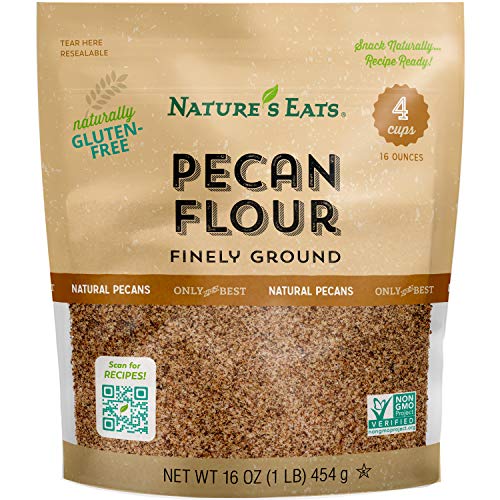
Nature’s Eats Pecan Flour 16 oz

Nature’s Eats Cashew Flour Finely Ground 32 Ounce
Taking A Closer Look At The Options
The Antimo Caputo Chef’s Flour 2.2 LB (Case of 10) is the classic Italian 00 that has anchored Neapolitan home ovens for decades. Soft wheat milled to an ultra-fine texture (00 refers to that grind, finer than standard all-purpose) gives the dough a silky, elastic hand that stretches thin without tearing. The 22-pound case format suits anyone running a weekly pizza ritual or a small pizzeria-style setup, since each 2.2-pound bag reseals and stores flat.
You benefit most when high-hydration doughs and long cold ferments are your routine, because the protein content holds structure over a 24 to 72-hour proof. The trade-off shows up if you bake rustic hearth loaves expecting an open, chewy crumb with big alveoli: this flour is built for tenderness, not loft. Italian double zero also runs softer than American bread flour, so expect a more tender crust out of the same oven.
Strengths Worth Knowing
- Ten individually packed 2.2-pound bags keep the rest of your stock sealed against pantry humidity.
- The fine grind is built specifically for high-heat pizza ovens, producing a leopard-spotted cornicione (the puffy outer crust) in 60 to 90 seconds at 800°F.
- Soft wheat formulation gives a tender bite that commercial all-purpose can’t match.
- Per-bag size is easy to handle, no awkward 25-lb sack wrestling in a small kitchen.
- Long-ferment friendly, so cold-retarded dough stays workable for days.
Worth Noting
- Storage needs decent space: 22 lb takes up a small cabinet’s worth of real estate.
- Not a one-to-one swap for bread flour in standard sandwich loaf recipes.
- Some users report a milder flavor than stone-milled whole grain flours.
Who It Suits Best
Home pizza enthusiasts and pizzaiolos running a deck oven, gas outdoor setup, or home-steel routine who want Italian-style 00 without rationing two-pound bags.
Consider Something Else When
Sandwich-loaf bakers should reach for Sunrise Flour Mill Heritage Organic Bread Flour Blend instead, since its higher protein better supports tall pan loaves.
The Antimo Caputo Chefs Flour 2.2 Pound (Pack of 10) is essentially a sibling listing of the previous Caputo case, with the same 22-lb total broken into ten 2.2-lb soft-wheat bags. For shoppers who see both ASINs side by side, the practical difference comes down to current availability and packaging on a given day rather than flour specifications. Either case delivers the finely milled 00 that makes Neapolitan dough stretch like taffy.
This format works well in a teaching environment, since you can hand each student or class a pre-measured bag and avoid the constant opening of a large sack that introduces moisture. The flour absorbs water cleanly and tolerates long, cool fermentation without breaking down, which suits Sunday-prep, Tuesday-bake schedules. On the flip side, the soft-wheat profile trades loaf height for crust tenderness, so don’t expect tall pan-bread geometry.
Positive Takeaways
- Same 22-lb Italian 00 you already know, sourced and sealed in Naples for consistent results.
- Pre-portioning helps control cross-contamination in busy kitchens.
- Excellent for fresh pasta, calzone, and focaccia beyond just pizza.
- Plays nicely with both sourdough starter and commercial yeast.
Trade Offs
- Ten bags of plastic packaging may bother zero-waste households.
- Lower protein than domestic bread flours means less structural rise in enriched doughs.
Made For
Anyone who already trusts Caputo 00 and wants to lock in a multi-month supply without rationing two-pound bags across pizza nights.
Look Elsewhere When
You bake mostly pan loaves and need an all-purpose swap, so Bob’s Red Mill Organic Unbleached White All-Purpose Flour is the better aisle.
The Sunrise Flour Mill Heritage Organic Bread Flour Blend 5 lbs is built around heritage wheat (older varieties grown before the high-yield, modern hybrid grains took over), which is a different beast from commodity bread flour. The blend is unbleached and high in protein, producing loaves with a smooth, nutty flavor and a creamy-gold crumb color. Five pounds is a sensible bulk step up from a standard two-pound bag without overwhelming small pantries.
Bakers who notice that conventional flour leaves them feeling heavy or bloated often turn to heritage wheat for its reportedly easier digestibility. You can expect a soft, airy interior with a golden crust when this blend is paired with a slow ferment and a Dutch oven. The catch is that heritage wheat behaves differently in the mixer: it absorbs water more slowly and benefits from a 20-minute autolyse (a rest period where flour and water sit before adding salt and yeast) before kneading.
What Makes Sense
- Heritage wheat base supports a smoother feel in the gut for sensitive bakers.
- High protein gives real structural rise in pan loaves and boules.
- Distinct nutty flavor profile enriches sourdough crumb.
- Organic and unbleached, with no bromate or chemical whiteners.
- Five-pound size works for a week of serious home baking.
Soft Spots
- Hydration needs differ from commodity flour, so expect a recipe adjustment window.
- Per-pound cost runs higher than mass-market bread flour.
Best Suited To
Bakers focused on digestibility and flavor depth who want a 5-lb working bag for sourdough, rolls, and slow-rise loaves.
A Better Fit Elsewhere
Strict budget shoppers should consider Bob’s Red Mill Organic Unbleached White All-Purpose Flour, which offers larger volume at a lower per-pound cost.
The Sunrise Flour Mill Heritage Organic White Flour 5 lb is the everyday-baking sibling to the heritage bread blend reviewed above. It’s an organic, unbleached all-purpose flour milled from pre-1950s heritage wheat, which gives it a softer, less assertive flavor than modern commodity white flour. The 5-lb pack format fits households that bake a few times a week without rushing through a 25-lb sack.
This flour adapts to cookies, biscuits, quick breads, and lighter yeast loaves, giving you a single pantry workhorse. The heritage-wheat base means a gentler digestion profile for many users, and the unbromated, organic milling approach skips the chemical whiteners common in industrial flour. The honest read is that the flavor is slightly more complex than mass-market all-purpose, but it won’t deliver tall sandwich-loaf structure on its own.
Good Reasons To Consider
- Versatile across sweet and savory baking, so it covers most pantry needs.
- Heritage wheat base and unbleached processing for cleaner ingredient list.
- Non-GMO and grown without glyphosate, a different sourcing story than commodity flour.
- Kosher certification broadens household usability.
Points To Keep In Mind
- All-purpose grind, so don’t expect the rise you’d get from a dedicated bread flour in dense doughs.
- Premium per-pound cost compared to generic all-purpose.
Who Will Love This
Home bakers who split time between cookies, pancakes, and lighter loaves and want a heritage-wheat all-purpose that handles all three.
Skip It When
High-rising pan loaves are the priority, since Sunrise Flour Mill Heritage Organic Bread Flour Blend is the better call for that job.
The Sunrise Flour Mill Heritage Organic Whole Wheat Flour 5 lbs is milled from red hard wheat within roughly ten days of shipping, which is a meaningful freshness commitment compared to bagged commodity whole wheat. Heritage whole wheat has a finer bran integration than mass-market whole wheat, so the dough feels less gritty and the finished crumb is smoother. This 5-lb size works for a household that bakes a few whole-grain loaves a week.
Sandwich loaves, dinner rolls, and whole-wheat pizza all benefit from the higher protein of red hard wheat. The trade-off is that whole wheat still drinks more water than white flour, so a 75% hydration baseline isn’t unusual. Fresh milling also means a shorter pantry life: plan to use this bag within a couple of months for peak flavor and aroma.
Useful Highlights
- Recent milling date keeps the wheat oils from going stale in the bag.
- Heritage red wheat gives stronger gluten development than soft whole wheat.
- Organic, unbleached, and no chemical additives in the milling process.
- Smoother bran feel than typical grocery-store whole wheat.
Honest Caveats
- Whole wheat needs recipe adjustments; a 1:1 swap from white flour usually disappoints.
- 5-lb size is on the smaller end of “bulk” if you bake daily.
- Short shelf life once opened, so plan usage accordingly.
Perfect Match For
Whole-grain enthusiasts baking sandwich loaves, hearty rolls, and whole-wheat pizzas who want fresh heritage wheat in a manageable bulk size.
Reach For A Different Pick When
Larger volume is the priority, since Bob’s Red Mill Organic Unbleached White All-Purpose Flour ships in a 20-lb four-pack at a lower cost per pound.
The Bob’s Red Mill Spelt Flour 22oz (4 Pack) is an ancient-grain option (spelt is one of the older cultivated wheats, predating modern hybrid bread wheat) that brings a distinctive nutty flavor to hearth loaves and quick breads. The 4-pack format delivers 88 ounces of flour, a sensible bulk step for anyone who already bakes with spelt and wants to skip the small bag. Spelt contains a softer gluten matrix than bread wheat, so dough handles more gently and bakes into a tender, chewy crumb.
Bakers using this flour in pasta, cookies, and sandwich loaves report a more delicate texture and a slightly sweet, buttery finish. Spelt also brings iron, fiber, and manganese to the table, which makes it a meaningful step up from a basic white all-purpose. The honest read is that spelt’s weaker gluten means you should expect less rise and a denser crumb in enriched doughs.
Everyday Advantages
- Distinct nutty flavor that stands out in flatbreads and rustic loaves.
- Iron, fiber, and manganese add nutritional value beyond standard flour.
- Multi-purpose across bread, pasta, cookies, and quick breads.
- Four-pack format keeps pantry stock fresh through smaller sealed bags.
Practical Considerations
- Spelt’s gluten is more fragile, so over-mixing turns dough gummy fast.
- Not suitable for gluten-free or celiac baking, despite being an ancient grain.
Whose Shelf It Belongs On
Artisan bakers and home cooks who want a flavorful alternative to standard whole wheat and bake often enough to use 88 ounces before staleness.
Where Another Pick Suits Better
Strict gluten-free households need Nature’s Eats Blanched Almond Flour, since spelt still contains gluten and is off-limits for celiac baking.
The Nature’s Eats Blanched Almond Flour 64 Ounce is a 4-pound bag of finely ground, skinless almonds (blanched means the brown skin is removed for a smoother texture and lighter color). It’s the gluten-free and grain-free workhorse behind most keto and paleo baking projects, from almond flour bread to macarons and pizza crusts. The 64-ounce size is one of the larger almond flour bags widely available, so it’s a true bulk option for repeat bakers.
You benefit most when cookies, cakes, and quick breads are the routine, since almond flour adds moisture and a mild sweetness that pairs with chocolate and fruit particularly well. The trade-off shows up in the binder: almond flour lacks gluten, so a 1:1 swap in standard bread recipes typically fails without added psyllium, xanthan gum, or eggs. Storage also matters more than with wheat flour, since almond flour’s oils can go rancid in warm pantries.
Points In Its Favor
- Skinless blanched grind gives a smooth, light crumb in baked goods.
- Large 4-pound size reduces repackaging for active bakers.
- Gluten-free, grain-free, and keto-friendly profile.
- Works across sweet and savory recipes, from cookies to breaded coatings.
Smaller Limitations
- Cannot replace wheat flour cup-for-cup in standard bread recipes without binders.
- Higher fat content means a shorter shelf life and fridge or freezer storage is wise.
Right Fit For
Keto, paleo, and gluten-free bakers who run through almond flour in cookies, macarons, and low-carb breads and want a 4-pound bag on hand.
Not Your Match When
Standard sandwich loaf structure matters most, since Bob’s Red Mill Organic Unbleached White All-Purpose Flour is purpose-built for that job.
The Bob’s Red Mill Organic Unbleached White All-Purpose Flour, 5 lb (Pack of 4) is a 20-pound haul of organic all-purpose, the most versatile flour in the lineup. It carries no special heritage-wheat claim, but it mills organic wheat to a clean, consistent spec that handles cookies, muffins, pancakes, and quick breads with the reliability of a familiar all-purpose. The four-bag format keeps each 5-lb sack sealed until you need it, which helps control moisture and pests in a busy pantry.
You benefit most when baking covers the full spectrum: a loaf of bread in the morning, a pan of biscuits at lunch, and a cake by the weekend. The trade-off is that all-purpose runs around 10 to 11% protein (lower than dedicated bread flour, which usually sits between 12 and 14%), so very high-hydration sourdoughs or rustic hearth loaves won’t reach their ceiling. It’s the right volume for a family kitchen that just wants one dependable bulk bag of white flour.
Practical Advantages
- 20 pounds of organic all-purpose covers a household for a couple of months.
- Unbleached and unbromated, with no chemical whiteners in the milling.
- Trusted brand with consistent results across batches.
- Pre-portioning into four 5-lb bags keeps each one fresh.
Where It May Fall Short
- Lower protein than bread flour, so don’t expect high-rising pan loaves without blending.
- Per-pound savings shrink compared to a true 25-lb single bag.
Built With In Mind
Busy households baking a wide variety of sweet and savory recipes who want one organic all-purpose in generous quantity and don’t need specialty heritage wheat.
Another Choice May Suit
Heritage-wheat seekers should grab Sunrise Flour Mill Heritage Organic White Flour, which has a different grain story and a cleaner ingredient lineage.
The Nature’s Eats Pecan Flour 16 oz is a finely ground pecan meal, all-natural and gluten-free, that doubles as a specialty flour for low-carb baking. Pecan flour carries a richer, slightly sweeter nuttiness than almond flour, and it blends smoothly into pancake batter, muffin mixes, and pie crusts. The 16-ounce pack is on the smaller side of “bulk,” but pecan flour is potent, so a little goes a long way.
You benefit most when you want a deeper, more buttery flavor in low-carb baking, particularly for shortbread-style cookies and pie crusts where almond flour can read a bit neutral. The trade-off is the same as with almond flour: there’s no gluten here, so a straight substitution for wheat flour in standard bread recipes won’t work without binders. Per-ounce cost also runs higher than wheat flour, so most bakers use pecan flour selectively rather than as a primary flour.
What Helps Most
- Finely ground for smooth batter and even mixing.
- Gluten-free, grain-free, and vegan ingredient profile.
- Rich, buttery flavor that complements chocolate and fruit.
- Keto-friendly macronutrient profile for low-carb bakers.
Less Ideal Details
- Smaller 16-ounce size limits true bulk savings.
- Pecan allergy is a hard stop; not safe for tree-nut-free households.
Who Should Grab It
Keto bakers and pie-crust specialists who want a specialty nut flour for shortbread, pancakes, and rich baked treats where flavor matters more than volume.
Swap It Out When
You’re baking gluten-free at higher volume, since Nature’s Eats Blanched Almond Flour comes in a 64-ounce bag and offers a more versatile base.
The Nature’s Eats Cashew Flour Finely Ground 32 Ounce is a 2-pound bag of finely milled cashew meal that’s all-natural, gluten-free, and Non-GMO Project Verified. Cashew flour sits in a sweet spot between almond and pecan: it brings a mild sweetness, a creamy mouthfeel, and a neutral color that plays nicely in both savory and sweet recipes. The 32-ounce size is a sensible bulk step for a household already using cashew flour regularly.
You benefit most when making dairy-free sauces, creamy soups, or baked treats where the buttery texture of cashews can replace cheese or cream. Pancakes, waffles, and quick breads also work well, since the fine grind blends into batter without grittiness. The honest read is that cashew flour costs more per ounce than almond flour and is best used as a specialty base rather than a daily flour.
Noteworthy Benefits
- Finely ground for smooth, lump-free batters and sauces.
- Gluten-free and keto-friendly profile.
- Non-GMO Project Verified ingredient sourcing.
- Neutral flavor suits both sweet and savory applications.
Potential Sticking Points
- Tree-nut allergen, so unsuitable for nut-free households.
- Per-ounce cost higher than almond flour, limiting its role as a primary flour.
The Right Fit
Dairy-free and gluten-free bakers making creamy sauces, pancakes, and baked treats who want a 2-pound bulk bag of cashew flour for repeated use.
Not Your Match When
You’re baking large volumes of nut-free treats, since Nature’s Eats Blanched Almond Flour offers a 4-pound bag at better per-ounce value.
What Matters Most When Buying Bulk Bread Flours
Protein content is the single most important number to read. Bread flour runs 12 to 14% protein and gives stronger gluten development (gluten is the protein network that traps gas and gives bread its rise and chew), while all-purpose sits closer to 10 to 11%. High-hydration sourdough and rustic loaves need that extra protein, while cookies and cakes do fine with less.
Grain type changes everything about flavor and digestion. Modern commodity wheat is consistent and affordable, but heritage wheat (older varieties grown before industrial hybridization) is often easier on sensitive stomachs and carries a more complex, nutty profile. Ancient grains like spelt bring a different flavor and a more delicate gluten matrix that over-mixes easily.
Storage and packaging decide how long bulk flour actually stays fresh. Smaller pre-portioned bags reseal better in a busy kitchen, while a single 25-lb sack is cheaper per pound but invites moisture and pests once opened. Whole grain and nut flours have a shorter shelf life than white flour and benefit from cool, airtight storage.
Use case should drive the format. Pizza bakers gravitate toward Italian 00, sandwich loaf bakers want high-protein bread flour, and gluten-free kitchens need a nut or seed flour with a binder strategy. A 22-lb case of flour is great value only if you’ll genuinely use it within three to four months.
Smart Choices Across The Lineup
Common Shopping Slip Ups
Buying a 25-lb sack of flour for a household that bakes once a month is the most common mistake. Bulk only pays off when the flour gets used before it stales. A 5-lb bag is the better bulk step for casual bakers, while daily bakers can justify larger cases.
Where The Extra Money Goes
Heritage and organic flours cost more per pound because the wheat is grown on smaller farms, the yields are lower, and the milling runs in smaller batches. That premium buys traceable sourcing, fresher milling dates, and a different flavor profile, which matters most if you’re baking a single weekly loaf where flavor is the point. For a busy weeknight pizza rotation, commodity 00 gives better value.
Frequently Asked Questions
How long does bulk flour stay fresh in the pantry? White all-purpose and bread flour stay usable for about 6 to 12 months sealed in a cool, dry pantry. Whole wheat flour has a shorter window of roughly 3 to 6 months because the wheat germ oils can turn rancid. Nut flours keep for 6 months in the fridge and closer to a year in the freezer.
Can I substitute bread flour for all-purpose in any recipe? Yes, but expect a chewier crumb and slightly more rise. Bread flour’s higher protein absorbs more water, so bakers often add an extra tablespoon or two of liquid when swapping it in. For delicate cakes and cookies, sticking with all-purpose usually gives a more tender result.
Is 00 flour the same as cake flour? No, they sit at opposite ends. 00 is a very fine grind of soft wheat, ideal for pizza and pasta where tenderness matters. Cake flour is also soft wheat but milled even finer and lower in protein, designed for tender, fine-crumbed cakes.
Do I need to sift bulk flour before baking? Most modern pre-sifted flours don’t require sifting, but a quick whisk before measuring breaks up any clumps and gives a more accurate cup measure. Whole grain and heritage flours benefit most from a whisk since their bran particles can pack down in the bag.
Should I refrigerate bulk flour to extend its life? Refrigeration helps whole grain and nut flours because their oils oxidize faster. For white all-purpose and bread flour, a cool, dry pantry in a sealed container is usually enough. Refrigerating white flour can introduce condensation when you bring it back to room temperature, which encourages mold.
Wrap Up
The right bulk flour depends on what you actually bake, how often you bake it, and how your kitchen handles storage. A 22-lb case of Italian 00 rewards weekly pizza night, while a 5-lb bag of heritage whole wheat suits a household leaning into slow-rise loaves. Pick the size that matches your pace, the grain that fits your recipes, and the format that keeps the bag sealed until the next bake.
