

Stocking the pantry with whole beans that actually taste fresh six weeks after the bag arrives is a different game than picking a one-pound bag off the shelf. A 3- or 5-pound format gives you serious value per ounce, but only if the roast profile, bean origin, and packaging hold up at that scale. The picks below cover specialty Honduran lots, classic American blends, organic fair-trade Nicaraguan harvests, and a few single-serve options for offices that prefer pre-portioned brewing. Each one is judged on the same core question: does the cup still hold its character when the bag is half-empty?
How The Shortlist Stacks Up

Canopy Point Coffee Dark Roast 5lb Whole Bean

Maxwell House French Roast K-Cup Pods 10 ct

Eight O’Clock Coffee Original Whole Bean 45 oz

Maxwell House Special Delivery Ground Coffee 42 Pkts

Maxwell House Special Delivery Single Serve 42 Pouches

San Francisco Bay French Roast Whole Bean 2x48oz

Tiny Footprint Nicaragua Segovia Dark Roast 3 lb

Tiny Footprint Nicaragua Segovia Dark Roast Ground 16 oz
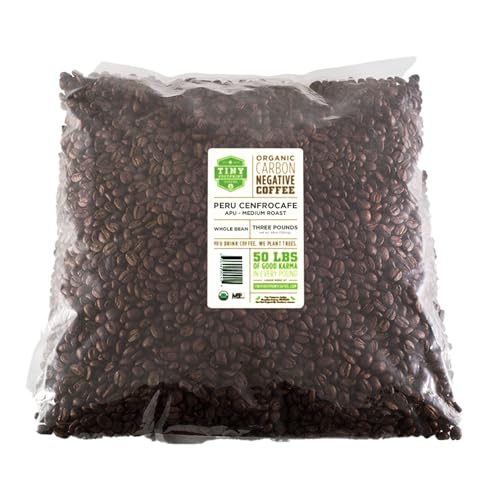
Tiny Footprint Peru APU Medium Roast 3 lb

Tiny Footprint Signature Blend Light Roast 3 lb
The Details Behind The Selections
Five pounds of single-origin Honduran arabica, grown around Siguatepeque at roughly 4,500 feet and processed the traditional washed-sundried way. Canopy Point leans on an air-roasting method, which circulates heated air rather than drum contact. The result is a darker bean with notably less surface char than typical drum roasts, so the cup leans toward dark chocolate and brown spice instead of burnt toast. The 5-pound format suits people who brew daily and want one bag that lasts roughly a month without losing character.
For most pour-over drinkers, the flavor stays clean enough to show origin. The bean itself is a blend of Catuai, Bourbon, and Catimor varietals, with a target cupping score near 86. That sits comfortably in specialty territory without veering into competition-grade territory. If you’ve been tempted by bigger bags from Maxwell House but want something with more terroir-driven flavor, this is a clear step up.
A Strong Showing
- Single-origin arabica from a named Honduran region with a verifiable cupping score around 86.
- Air-roasted process keeps bitterness low and lets chocolate and spice notes come forward.
- 5-pound format covers roughly a month of daily brewing for one or two drinkers.
- Versatile grind range works for espresso, French press, Moka pot, pour-over, and cold brew.
- Naturally low acidity makes it a comfortable morning cup on an empty stomach.
Things To Consider
- At 5 pounds, owners commonly report needing a sealed canister or vacuum container to keep week-five beans tasting fresh.
- Dark roast character dominates, so drinkers chasing bright fruit notes will want to look at the lighter entries further down the list.
At A Glance
Who It Suits Best
Home brewers with a reliable grinder who want one large bag of traceable single-origin coffee instead of weekly small-batch orders.
Where Another Pick Suits Better
Espresso-only setups on a tight budget will find the Eight O’Clock Original 45 oz a more practical size for daily shots without the premium cost.
This is a different kind of bulk, designed for households running a Keurig or similar single-serve brewer. Each pod is pre-portioned and sealed, so there’s no measuring, no grinder, and no leftover pot going cold on the counter. Maxwell House’s French Roast leans fully into dark-roast territory with a heavy body, a low-key smoke, and the kind of straightforward, full-flavored profile the brand has leaned on for over a century.
The 10-count box format makes sense for a single-serve household or an office with two or three coffee drinkers. Each pod brews an 8-ounce cup in under a minute. Compared to whole-bean bulk picks like the Canopy Point above, you trade freshness and origin story for speed and zero cleanup. The honest read is that this is a no-fuss pantry item, not a flavor journey.
Good Reasons To Consider
- Pre-measured pods remove the guesswork from every brew.
- Compatible with any Keurig-style brewer, which most homes already have on the counter.
- Bold dark roast flavor holds up well with milk and sugar.
- Individually sealed pods stay fresh in the box for months.
Worth Noting
- Pods are not the most eco-friendly format and are harder to recycle than loose grounds or whole beans.
- Per-cup cost runs higher than the bulk bag options on this list, so dedicated bulk-shoppers may feel they’re paying for convenience they don’t need.
Right Fit For
Single-serve households and small offices that already own a Keurig and want a low-maintenance dark roast on hand.
Look Elsewhere When
Dedicated whole-bean brewers with a grinder will get more value per ounce from the Eight O’Clock Original 45 oz further down.
Eight O’Clock’s Original is the kind of medium-roast workhorse that quietly anchors countless American pantries. The 45-ounce bag is roughly 2.8 pounds, big enough to keep a daily drip drinker going for a month without a reorder. Beans are 100 percent arabica, and the roast profile lands in that comfortable middle ground between breakfast citrus and dinner-party caramel.
It’s the most accessible pick on this list in terms of flavor expectations. You know what you’re getting before you open the bag. The sweet, slightly fruity notes make it a strong match for drip machines and pour-over, though it grinds cleanly for espresso if you dial in a slightly finer setting. Compared to the Canopy Point’s air-roasted Honduran single origin, this is a blend, designed for consistency rather than terroir expression.
Well-Handled Touches
- 100% arabica beans at a price-per-ounce most specialty coffee can’t touch.
- Whole-bean format means you grind on demand for noticeably fresher cups.
- Medium roast hits the sweet spot for drip, pour-over, and French press.
- Kosher certified, which matters for households that track certifications.
Trade Offs
- Flavor profile is balanced rather than distinctive, so adventurous palates may want to step up to a single-origin bag.
- Like any 2.8-pound bag, you’ll want to split it into smaller airtight containers to keep the last quarter of the bag from going stale.
Made For
Daily drip drinkers who want a steady, affordable medium roast that doesn’t demand special storage or a fancy grinder.
Not Your Match When
Drinkers chasing a darker, more chocolate-forward cup will find the Canopy Point Dark Roast 5lb a more focused pick.
Special Delivery is Maxwell House’s pre-measured filter pack line, and the 42-count case is built for high-traffic kitchens. Each 1.2-ounce packet is sized for a 10 to 12-cup brewer, so a single pouch handles a full pot without anyone reaching for a scoop. The grind inside is medium, and the roast profile skews smooth with mild acidity, the kind of cup that disappears fast in a meeting room.
Offices, churches, and shared houses will get the most out of this format. There’s no grinder to clean, no open bag going stale on the counter, and no measuring. The trade-off, of course, is the same one that comes with any single-serve format: per-cup cost is higher than the loose 5-pound whole-bean picks above, and the empty pouches create more waste. For one household of two, a regular bag of grounds is usually the smarter play.
A Few Strong Suits
- Pre-portioned filter packs eliminate measuring and reduce grounds waste.
- Each packet brews a full 10 to 12-cup pot, ideal for group kitchens.
- Smooth medium roast with mild acidity is broadly appealing across different taste preferences.
- Kosher certified for kitchens that track dietary labels.
Honest Caveats
- Per-serving cost is higher than loose ground or whole-bean formats, so budget-focused single households should look elsewhere.
- Filter packs are pre-ground, so the flavor ceiling is lower than any whole-bean entry on this list.
Best Suited To
Office breakrooms, church kitchens, and shared houses that brew full pots several times a day and need a tidy, no-mess format.
Swap It Out When
One or two-person households will find the Maxwell House Special Delivery single-serve 42 pouches a more efficient match.
The single-serve version of Maxwell House’s Special Delivery breaks the 42-count case into smaller 1.4-ounce pouches, each one sized for a single full mug or a small two-cup pour-over. It’s the same smooth medium-roast profile, just repackaged for solo drinkers, dorm rooms, and travel bags. The packaging keeps each pouch sealed until you tear it open, so the coffee inside stays closer to fresh than an open tin.
For road warriors, hotel-room brewers, and anyone with limited kitchen space, the format earns its keep. The catch is the same one you see with most portioned coffee: you pay a premium for the convenience. Compared to the bulk 5-pound whole-bean options earlier in this list, the per-ounce cost is meaningfully higher, and the empty pouches add up. None of that is a deal-breaker; it’s just the price of having coffee anywhere with hot water and a mug.
Real-World Strengths
- Each 1.4-ounce pouch brews a single full cup without any measuring or grinder.
- Individually sealed pouches travel well in luggage, duffel bags, and desk drawers.
- Same reliable medium-roast profile Maxwell House has built its name on.
Points To Note
- Single-serve packaging is the priciest way to buy Maxwell House on this list.
- Pre-ground format means flavor complexity is limited compared to whole-bean picks.
- Empty pouches generate more packaging waste than a simple bag of grounds.
Perfect Match For
Frequent travelers, dorm students, and small-space dwellers who want reliable cup-by-portion coffee without any equipment.
Another Choice May Suit
Home baristas with a grinder will find the San Francisco Bay French Roast 48 oz two-pack a more satisfying everyday option at home.
San Francisco Bay’s two-pack delivers 6 pounds of French roast whole bean, split into two 48-ounce bags. Splitting bulk coffee into two smaller bags is a quietly smart move: once you crack open a large bag, the clock starts ticking on freshness, so two open bags across six weeks tend to keep better than one 6-pound bag across the same window. The roast itself is a deep, smoky French profile, the kind of cup that takes milk and sugar in stride and stands up to a buttery croissant.
This is a pantry-stocking pick for households that burn through coffee fast. The grind is left to you, so pairing this with any entry-level burr grinder elevates the cup. If you’ve been bouncing between the Canopy Point’s premium single-origin Honduran and Maxwell House’s blends, this sits in the middle: darker than Eight O’Clock Original, less terroir-driven than Canopy Point, more accessible than the organic Nicaragua lots below.
Notable Upsides
- 6 pounds of whole bean split into two 48-ounce bags helps maintain freshness during use.
- Deep French roast profile holds up well with cream, sugar, and strong morning bites.
- Whole-bean format lets your grinder do the work at whatever setting your brewer needs.
Some Limits To Know
- Source data for this listing is light, so the brand story and bean origin are less transparent than the Canopy Point above.
- French roast character dominates the cup, which means subtle origin flavors are largely absent.
Whose Shelf It Belongs On
Multi-drinker households or home espresso setups that need a deep, dark, dependable cup every morning without reordering every few weeks.
Reach For A Different Pick When
Light-roast drinkers should jump ahead to the Tiny Footprint Signature Blend Light Roast 3 lb, which has the opposite flavor profile.
Tiny Footprint sources this 3-pound bag from the Segovia region of Nicaragua through the PRODECOOP cooperative, a group that channels fair-trade premiums into medical care, education, and environmental programs. The beans are USDA Organic, fair-trade certified, and shade-grown under the brand’s carbon-negative program. For shoppers who weigh ethics alongside flavor, this lot checks several boxes at once.
On the cup, the dark roast carries chocolate tones with brighter apricot and fig notes from the Nicaraguan terroir. That balance is the reason this one shows up on more than a few pour-over benches. Compared to the Canopy Point above, the cupping profile is similar in weight but offers more fruit character. The 3-pound format is also a manageable size for one or two drinkers, easier to finish before staling than the 5-pound options earlier in this list.
Key Advantages
- USDA Organic, fair-trade, and shade-grown certifications cover the ethical priorities of most conscious shoppers.
- Sourced through PRODECOOP, a co-op known for funding community programs in Nicaragua.
- Flavor profile pairs dark-roast chocolate with apricot and fig for a more complex cup.
- 3-pound format is easier to finish fresh than the 5-pound options earlier in this list.
Possible Compromises
- Per-ounce cost is meaningfully higher than the Maxwell House or Eight O’Clock picks, given the certifications and cooperative sourcing.
- Like any 3-pound whole-bean bag, owners commonly report needing an airtight container to keep the last few weeks of beans tasting their best.
Feature Snapshot
Who Will Love This
Conscious shoppers and home pour-over drinkers who want traceable organic arabica with real flavor depth, not just an ethical label.
Skip It When
Budget-focused shoppers stocking a busy office will get more mileage from the Maxwell House Special Delivery 42-pack filter format.
Same Nicaraguan Segovia lot from Tiny Footprint, just landed as pre-ground 16-ounce bags for households without a grinder. The grind sits in a versatile medium-fine range that suits drip machines, pour-over cones, and Aeropress setups reasonably well. The flavor profile mirrors the whole-bean version: dark chocolate base with apricot, fig, and a touch of spice from the Nicaraguan terroir.
The 16-ounce format is on the smaller side for a bulk-coffee list, so the value proposition here is more about accessibility than scale. If you live in a small apartment, share a coffee maker with a roommate who doesn’t own a grinder, or just want a single bag to test the roast before committing to a 3-pounder, this is the entry point. The trade-off is the same one every pre-ground bag carries: once sealed, the clock is ticking, so the bag is best finished within a few weeks of opening.
The Good Stuff
- No grinder required, so it works straight out of the bag for drip and pour-over.
- Same organic, fair-trade, shade-grown certifications as the larger whole-bean version.
- Chocolate-forward dark roast with subtle apricot and fig from Nicaraguan terroir.
- Smaller 16-ounce size is a low-commitment way to test the roast before buying bulk.
What To Weigh
- Per-ounce cost runs higher than the 3-pound whole-bean format of the same lot.
- Pre-ground coffee loses aromatic complexity faster than whole bean once the bag is opened, so it’s best finished within a few weeks.
Built With In Mind
Small-space dwellers and grinder-free households who still want a traceable organic dark roast on hand.
A Better Fit Elsewhere
Daily multi-cup drinkers will save more by jumping to the Tiny Footprint Nicaragua Segovia whole-bean 3 lb format.
The Peru APU medium roast comes from Cenfrocafe, a Peruvian cooperative that uses fair-trade premiums for grower education and processing infrastructure. The cup leans toward caramel softness with a clean citrus acidity and a sweet finish, more delicate than the Nicaraguan dark roast above. The 3-pound bag is the same manageable size, and the bean is USDA Organic and shade-grown under Tiny Footprint’s carbon-negative program.
For pour-over and Chemex setups, this roast is particularly rewarding. The medium profile lets the Peruvians show their hand without the heavy char of a dark roast. Compared to the Eight O’Clock Original, the cup is similar in body but has a more traceable origin story. If you find the dark Nicaragua lot too smoky for your morning palate, this is the gentler companion pick in the Tiny Footprint lineup.
What Stands Out
- Cenfrocafe cooperative sourcing channels premiums into grower education and infrastructure.
- Medium roast reveals caramel, citrus, and a clean sweet finish.
- USDA Organic, fair-trade, and shade-grown certifications for the ethically minded.
- 3-pound size is approachable for one or two daily drinkers.
Smaller Caveats
- Per-ounce price sits above the mainstream grocery picks like Eight O’Clock or Maxwell House.
- Medium-roast brightness is delicate, so you’ll want to finish the bag within a month of opening for peak flavor.
Who Should Grab It
Pour-over and Chemex brewers who want a traceable organic medium roast with a clean finish, not a heavy dark cup.
Where A Sibling Pick Shines
Drinkers craving a darker, more chocolate-forward cup will prefer the Tiny Footprint Nicaragua Segovia Dark Roast 3 lb instead.
Light roast coffee tends to get overlooked on bulk-coffee shortlists, but Tiny Footprint’s Signature Blend deserves a spot. The 3-pound bag is small-batch roasted and uses seasonally sourced organic arabica, blended to highlight bright lemon and orange notes with a light cocoa finish. The roast is gentle enough that you can taste the bean’s origin character without the heavy char of a French or dark profile.
Compared to the Peru APU medium roast earlier, this is a noticeably brighter cup. The trade-off shows up in brewing: light roasts tend to reward slower methods like pour-over and Chemex, and they can read as thin in a drip machine if the grind and dose are off. For a household that already has a decent grinder and prefers morning cups on the brighter side, this is the bulk option that respects that palate. It also rounds out the Tiny Footprint trio nicely: dark, medium, and light, all in matching 3-pound formats.
The Practical Payoff
- Light roast reveals citrus and cocoa notes you simply don’t taste in darker profiles.
- USDA Organic, fair-trade, and carbon-negative sourcing covers ethical priorities.
- Seasonal sourcing means the blend changes over time, keeping the cup interesting.
- 3-pound size is approachable for one or two daily drinkers.
Where It Is Less Suited
- Light roast is more sensitive to grind and dose, so it rewards a decent burr grinder and a bit of dialing in.
- Per-ounce cost is higher than mainstream grocery roasts, and the bright profile won’t appeal to drinkers who like their cup heavy and smoky.
Quick Facts
The Right Fit
Light-roast devotees and pour-over enthusiasts who want a traceable organic 3-pounder that rewards a careful brew.
Consider Something Else When
Drinkers who take their cup with milk and want a heavier body will find the Canopy Point Dark Roast 5lb a more satisfying match.
What Matters When Stocking Up On Bulk Coffee Beans
A few variables carry more weight than the rest once the bag gets above 2 pounds.
Roast Profile Sets The Cup
Roast level is the single biggest flavor lever, and it sets the personality of every cup you brew. Light roasts highlight origin character, bright citrus, fruit, and a thinner body. Medium roasts balance sweetness and acidity, the comfortable middle for most American palates. Dark roasts push toward chocolate, smoke, and body, with origin notes largely traded for roast character. Match the roast to the brewer as well as the drinker: dark roasts forgive coarser grinds in French press, while light roasts reward the slower extraction of pour-over and Chemex.
Freshness Is A Storage Problem
Once a bulk bag is opened, oxygen and moisture start degrading the cup. Three small moves help. First, decant the bag into an airtight container with a one-way valve if you have one. Second, keep the container in a cool, dark cabinet rather than on a sunny counter. Third, buy the largest bag you can finish within four to six weeks. The 3-pound options on this list sit comfortably inside that window for most households; the 5-pound Canopy Point works for a multi-drinker home.
Certifications And Sourcing Are Not All Equal
USDA Organic, Fair Trade, and shade-grown certifications each cover a different part of the supply chain, and shoppers with strong preferences will want to check which combination fits. Single-origin bags, like the Canopy Point Honduran or Tiny Footprint’s Nicaraguan and Peruvian lots, also give you traceable flavor tied to a specific region, which is rare in the bulk space.
Format Drives Daily Convenience
Whole bean is the freshest format but requires a grinder. Pre-ground is convenient but ages faster once opened. Single-serve pods and filter packs trade per-cup cost for zero measuring and no grinder. The Maxwell House filter-pack and K-Cup entries on this list serve households where convenience outweighs flavor ceiling, while the whole-bean picks reward anyone with even a basic burr grinder.
Where Shoppers Go Wrong With Bulk Coffee
A couple of recurring slip-ups catch people out when they size up their coffee supply.
Pitfalls Shoppers Hit
The most common mistake is buying the largest bag without thinking through how fast you’ll use it. A 5-pound bag that takes three months to finish will taste noticeably duller in week nine than in week one. Another trap is choosing a roast level by the bag color, since dark-roast visual intensity does not always track with flavor depth. A final one is overlooking the grinder, since pre-ground coffee can quietly cap how much nuance a premium bulk bag actually delivers in the cup.
The Upgrade Payoff
Premium bulk coffee earns its higher per-ounce cost through three real upgrades. Sourcing becomes traceable, so you can find the region and the cooperative. Roasting becomes more careful, often in smaller batches with better temperature control, which translates to clearer cup character. And the bean quality climbs, with specialty-grade arabica carrying cupping scores that mainstream grocery roasts simply don’t reach. None of that matters if you leave the bag open on the counter, but for a household that takes care of its beans, the upgrade shows up in every cup.
Frequently Asked Questions
How long does a 5-pound bag of bulk coffee beans stay fresh?
Once opened, expect the best flavor window to last about four to six weeks with proper storage in an airtight container kept in a cool, dark spot. Unopened bags sealed with a one-way valve can hold quality for several months past the roast date printed on the bag.
Is whole bean or pre-ground better for bulk storage?
Whole bean is the better storage format because grinding exposes more surface area to oxygen, which speeds up staling. The Tiny Footprint Nicaragua Segovia pre-ground 16 oz entry on this list is a fine option, but you’ll want to finish it within two to three weeks of opening for the best cup.
What’s the difference between air-roasted and drum-roasted coffee beans?
Air roasting circulates heated air through the bean chamber, which tends to produce a more even roast and lower surface temperatures. Drum roasting tumbles beans against a heated metal drum, the traditional method that often develops slightly more body and char. The Canopy Point on this list uses air roasting, which is part of why the dark roast tastes smoother than a typical drum-roasted dark.
How do organic and fair-trade certifications affect coffee bean quality?
The certifications focus on farming and labor practices rather than cup score, so an organic bag isn’t automatically better in the cup than a non-organic one. What the certifications do signal is a traceable supply chain, restricted pesticide use, and a fair-trade premium paid back to the cooperative that grew the beans.
Can I freeze bulk coffee beans to extend their shelf life?
Freezing works for storage periods longer than a month, but you should portion the beans into weekly servings first. Repeatedly thawing and refreezing the same batch causes condensation, which degrades flavor. Take out only what you’ll use in the next week and return the rest to the freezer promptly.
Bottom Line
The right bulk coffee bean bag comes down to your brewer, your household size, and how much flavor nuance you want from each cup. Canopy Point and Tiny Footprint carry the specialty single-origin weight, Eight O’Clock and Maxwell House anchor the practical everyday side, and the San Francisco Bay two-pack bridges both ends of the list. Pick the format that fits your grinder and your kitchen, and let the roast profile do the rest.
