

A tender, lofty cake begins with the right flour, yet the average pantry bag often produces dense or tough layers. Anyone chasing soft bakery-style results needs a low-protein option engineered for fine crumbs, whether they bake with wheat or follow a gluten-free routine. The shortlist below covers both traditional soft wheat choices and a wide range of gluten-free blends that handle cupcakes, layer cakes, and beyond.
The Choices Worth Comparing

Bob’s Red Mill Gluten Free 1 to 1 Baking Flour (4 Pack)
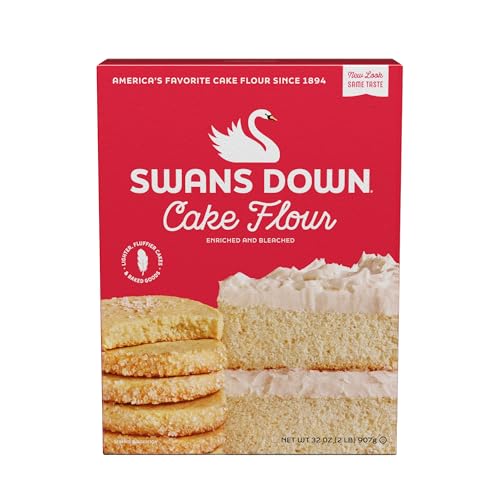
Swans Down Regular Cake Flour 32oz

King Arthur Gluten Free Pizza Flour 32 Oz

King Arthur Measure for Measure Gluten-Free Flour 3 lbs

King Arthur Gluten-Free Bread Flour 2 lb

King Arthur Gluten-Free Fudge Brownie Mix 17 Oz
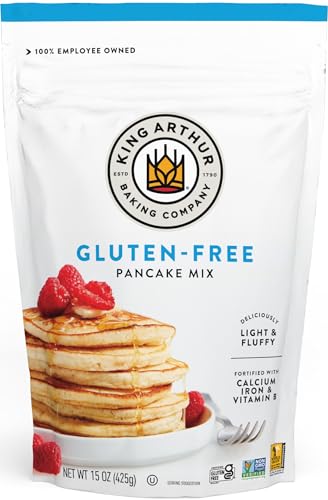
King Arthur Gluten-Free Pancake Mix 15 Oz

King Arthur Gluten-Free All-Purpose Flour 24 oz

King Arthur Gluten-Free Doughnut Mix 15 oz

King Arthur Gluten-Free Bread and Pizza Mix 18.25 oz
More Details On Our Top Picks
Baking without wheat used to mean juggling a shelf of specialty starches, but a 1:1 blend like this one collapses that routine into a single scoop. The mix already includes xanthan gum, a plant-derived thickener that mimics the binding role gluten normally plays, so most standard recipes translate without math.
Because the blend is milled and packaged in a dedicated gluten-free facility, cross-contamination worry drops for celiac households. You can pull it out for pancakes on a Tuesday and the same bag handles Saturday cupcakes, which matters when cabinet space is tight and you want one dependable sack on hand.
Well-Handled Touches
- Replaces wheat flour cup-for-cup in most recipes, so you can adapt family favorites without rebuilding ingredient lists
- Built-in xanthan gum removes a separate purchase and a measuring step on busy baking days
- The 22-ounce pack of four keeps a steady supply on the shelf, useful for households that bake weekly
- Processed in a gluten-only facility, which matters for anyone with celiac disease or serious wheat sensitivity
Things To Consider
- Baked goods can come out slightly denser than a recipe written for true cake flour, so you may need to test your favorite cupcake formula first
- Storage in a sealed container extends freshness once opened, since blends with rice flour tend to stale faster than wheat
Feature Snapshot
Who It Suits Best
Home bakers managing celiac disease or gluten sensitivity who want one bag that covers cookies, cakes, and pancakes.
Consider Something Else When
Traditional bakers chasing the softest possible layer cake crumb will find the Swans Down Regular Cake Flour a more focused choice.
Swans Down is the bag many American bakers reach for when they want a soft, tender crumb without extra fuss. It’s milled from soft winter wheat, a lower-protein grain that produces less gluten development, which is exactly what gives layer cakes their featherweight feel.
Unlike the Bob’s Red Mill blend above, this is a pure wheat product with nothing else added. No leavening, no salt, no xanthan gum, so the recipe stays in full control of those variables. A 32-ounce box covers a birthday cake and a batch of cupcakes with room to spare.
Notable Gains
- Low-protein soft wheat produces a delicate crumb that high-protein all-purpose flour cannot match in cakes
- No added baking powder or salt, so the baker’s leavening and seasoning pass through unchanged
- The 32-ounce box handles a tiered cake project or several small batches before needing replacement
- Finely milled texture blends smoothly into butter and sugar for lump-free batters
Worth Noting
- Not suitable for gluten-free households, since it contains wheat
- Airtight storage matters because soft wheat absorbs pantry moisture faster than bread flour does
Right Fit For
Traditional bakers working on wedding cakes, birthday layers, or any dessert where a fine, even crumb is the point.
Look Elsewhere When
Anyone baking for celiac guests will need the Bob’s Red Mill Gluten Free 1 to 1 Baking Flour instead, since this bag cannot serve that table.
Gluten-free pizza is its own puzzle, and this King Arthur blend is engineered for a specific outcome: a crispy, airy Neapolitan-style crust. The mix leans on sorghum flour paired with gluten-free wheat starch and xanthan gum, a combination that gives the dough real chew and structural snap.
It is a narrow specialist rather than an all-purpose option like the Bob’s Red Mill blend, so its role on the shelf looks different. Anyone running a gluten-free kitchen who treats Friday night pizza as a ritual will find this bag earns its space.
The Upside
- Engineered for high-heat pizza ovens, which means a crisp bottom that does not turn gummy once cooled
- Contains xanthan gum, so the dough holds together without a long knead
- The 32-ounce box covers multiple pizza nights for a family of four
- Safe for celiac bakers who still want a real Italian-style slice at home
Trade Offs
- Not designed for cake-style batters, so it cannot replace the Bob’s Red Mill blend for a birthday project
- Owners commonly recommend a stand mixer since the dough is stickier than a traditional wheat version
Quick Facts
Made For
Gluten-free home cooks building a dedicated pizza night around a hot oven and a craving for Neapolitan-style crust.
Skip It When
Cake and cookie bakers should reach for the King Arthur Measure for Measure Gluten-Free Flour, which handles sweeter batters more reliably.
When a recipe calls for a cup of wheat flour, Measure for Measure aims to take its place without changing anything else on the page. It is enriched with iron, calcium, and vitamin B, which addresses one quiet complaint about gluten-free baking: that the swap can leave nutritional gaps in everyday cooking.
Compare it to the Bob’s Red Mill 1:1 blend and the difference is mostly in fortification and baker reputation. Both swap cup-for-cup; this one leans on King Arthur’s long bakery history and a 3-pound bag that anchors a serious GF pantry.
What It Does Well
- Substitutes 1:1 for wheat flour in non-yeasted recipes like cookies, cakes, and muffins
- Enriched with iron, calcium, and vitamin B, so the swap does not quietly strip nutrition from daily baking
- The 3-pound bag suits a household that bakes several times a week
- Non-GMO and kosher certified for shoppers who track those attributes at the grocery shelf
Some Limits To Know
- Not engineered for yeasted doughs, so the King Arthur Gluten-Free Bread Flour is a smarter pick for bread machines
- Storage in a sealed bin helps preserve freshness because gluten-free blends can stale faster once opened
Feature Snapshot
Best Suited To
Gluten-free home cooks running a varied dessert rotation, from birthday cakes to weekday muffins, who value a single dependable bag.
Where Another Pick Suits Better
Bakers focused on yeasted loaves and rolls will get better rise and chew from the King Arthur Gluten-Free Bread Flour.
Yeasted gluten-free baking is a different animal, and King Arthur’s Bread Flour is built for that exact challenge. The blend pairs sorghum flour with gluten-free wheat starch and xanthan gum, a trio designed to give doughs the structure they lose without real gluten.
It stands apart from the Measure for Measure blend above, which is reserved for non-yeasted recipes. This bag is for bagels, burger buns, and cinnamon rolls, where the dough has to rise and hold shape through a bake.
Noteworthy Benefits
- 1:1 replacement for wheat flour in yeasted recipes, simplifying recipe math
- Stands up to long rises, so bagels and artisan boules develop real oven spring
- The 2-pound bag fits small-batch home bakers who rotate between breads and rolls
Honest Caveats
- Not the right pick for tender cakes, since it is engineered for chew rather than softness
- Owners commonly recommend a stand mixer, as the dough is heavier than a wheat equivalent and tires out hand-kneading
Feature Card
Who Will Love This
Gluten-free bakers committed to a real bread routine, from weekend boules to weekday bagels.
Reach For A Different Pick When
Anyone focused on tender, soft desserts should stay with the Bob’s Red Mill Gluten Free 1 to 1 Baking Flour for easier, sweeter batters.
When the goal is a pan of fudgy squares on a weeknight, a complete mix strips away the measuring cups. Add eggs, melted butter or oil, and water, and the box yields roughly sixteen 2-inch brownies, enough for a family dessert or a small gathering.
Unlike the broader flour options earlier on this list, this is a finished baking mix. The trade-off is convenience over flexibility, but for celiac households that want a guaranteed result, that is often the better bargain.
Positive Takeaways
- Single-box format means no flour measuring and no guesswork on starch ratios
- Certified gluten-free, non-GMO, and kosher, so it covers several dietary needs in one pan
- Produces dense, fudgy squares that hold together well for lunchbox treats
Points To Note
- Not a flour, so it cannot be swapped into cake or cookie recipes the way the Measure for Measure blend can
- One 17 oz box is a single bake, so frequent brownie households may want to stock the 2-pack or 6-pack format
Perfect Match For
Busy households that want a reliable weeknight dessert without pulling out a full baking pantry.
A Better Fit Elsewhere
Bakers who want to customize ratios and add-ins will get more mileage from the King Arthur Gluten-Free All-Purpose Flour as a base.
Pancake breakfast is a weekend ritual for many families, and gluten-free versions can fall flat in the pan. King Arthur’s pancake mix is engineered to produce fluffy, diner-style rounds that hold up under syrup, even on a griddle that runs hot.
It also leans on non-GMO ingredients, which is a small but real consideration for shoppers who read every label. A 15-ounce box covers several breakfasts before running out, which keeps family mornings simple.
Good Reasons To Consider
- Certified gluten-free and non-GMO, covering both common dietary needs in one box
- Designed to produce tall, fluffy pancakes rather than the flat, gummy results that plague some GF batters
- Quick prep that suits school-morning schedules or relaxed brunches alike
Small Caveats
- A breakfast mix, not a general flour, so it cannot stand in for the Bob’s Red Mill blend in dessert projects
- Once opened, the box benefits from a sealed clip or transfer to an airtight container to keep batter results consistent
Built With In Mind
Families with mixed dietary needs who want one safe, reliable breakfast mix everyone can share.
Swap It Out When
Anyone aiming for cake, cookie, or pizza projects should keep the Measure for Measure blend or the Gluten-Free Pizza Flour on the shelf instead.
For scratch bakers who like to control every variable, this King Arthur All-Purpose Flour stands apart from the Measure for Measure blend in one key way. It contains no xanthan gum, so the baker decides when and how much binder to add, a real advantage when recipes need a softer or firmer crumb.
The blend combines white rice flour, whole grain brown rice, tapioca starch, and potato starch, a quartet designed to minimize grittiness and aftertaste. It is the bag many experienced GF bakers reach for first.
A Few Strong Suits
- No xanthan gum, so scratch bakers can fine-tune texture based on the recipe
- Built from a blend of rice flours and starches aimed at reducing the grainy mouthfeel common in GF baking
- The 24-ounce bag is approachable for newcomers who want to test a smaller commitment
- Non-GMO and kosher certified for label-conscious shoppers
Points To Note
- Without xanthan gum, recipes that assume a built-in binder will not behave the same way, so a basic understanding of GF baking helps
- Loose flour settles during shipping, so the box may arrive slightly compacted and need stirring
Feature Rundown
Whose Shelf It Belongs On
Intermediate gluten-free bakers who already understand the role of binders and want a versatile base flour to build around.
Where Another Pick Suits Better
True beginners who just want a 1:1 swap should pick the Bob’s Red Mill Gluten Free 1 to 1 Baking Flour for a simpler learning curve.
Fresh doughnuts at home usually mean a deep fryer, a messy stovetop, and a stack of paper towels. King Arthur sidesteps the oil by baking the batter in the oven, turning out roughly a dozen doughnuts that deliver the cinnamon-sugar experience without the cleanup.
Like the brownie mix earlier, this is a finished product rather than a flexible flour. That makes it a strong fit for brunches and celebrations where the point is the result, not the experimentation.
Useful Touches
- Each 15 oz box produces around 12 doughnuts, enough for a small gathering
- Baked, not fried, which keeps the kitchen cooler and the post-cook cleanup shorter
- Non-GMO ingredients for shoppers tracking that detail in the pantry
What To Weigh
- Not interchangeable with a general flour, so it cannot substitute for the Measure for Measure blend in cake recipes
- Baked doughnuts will never fully mimic the texture of a fried original, so expectations matter
Best Suited To
Gluten-free hosts planning a brunch spread who want a centerpiece bake without a deep fryer on the counter.
Another Choice May Suit
Bakers who want one base flour to handle multiple batters will be happier with the King Arthur Gluten-Free All-Purpose Flour as a foundation.
Most gluten-free mixes specialize, but this one pulls double duty as a bread base and a pizza dough. The 18.25-ounce box is fortified with iron, calcium, and vitamin B, addressing the nutritional gap that a wheat-based pantry normally fills.
It shares shelf space with the Gluten-Free Bread Flour on this list, but that product is sold as a flour to swap cup-for-cup into existing recipes. This box is a finished mix with simpler prep, so the choice comes down to how much control you want over the dough.
Everyday Wins
- Covers two common bakes from one box, reducing the number of specialty items in a small pantry
- Loaves slice like traditional wheat bread without the grittiness common to GF loaves
- Fortified with iron, calcium, and vitamin B for nutritional parity with wheat-based baking
- Non-GMO and kosher certified for label-driven shoppers
A Few Considerations
- A pre-mixed formula, so it is less flexible than the King Arthur Gluten-Free Bread Flour for custom recipes
- Pizza dough results can vary by oven, and a pizza stone or steel tends to produce a crisper base than a standard sheet pan
Right Fit For
Gluten-free households that want a single, versatile mix to handle both weekly sandwiches and casual pizza nights.
Not Your Match When
Anyone chasing a true Neapolitan-style crust will be better served by the King Arthur Gluten Free Pizza Flour engineered for that specific goal.
What Matters Most Before Choosing Cake Flours
Protein Level Sets The Crumb
Cake flour earns its name because it is milled from soft wheat with a lower protein content than all-purpose flour. Less protein means less gluten development when liquid and agitation enter the batter, which translates directly into a finer, more tender crumb. Bakers chasing soft layers should look at protein percentage first, since the difference between 8% and 11% changes the final texture noticeably. For gluten-free alternatives, the same principle applies in reverse: blends with finer starches and added binders like xanthan gum fill the role gluten usually plays.
Recipe Compatibility Saves Time
A 1:1 swap flour, which is engineered to replace wheat flour cup-for-cup, removes the need to recalculate hydration or add a separate binder. That matters for anyone adapting family recipes or working from older cookbooks. Specialty mixes built for one outcome, like pizza or doughnuts, trade flexibility for convenience, so the right choice depends on whether variety or simplicity matters more.
Storage And Freshness Habits
Soft wheat flours and rice-based GF blends both absorb moisture faster than bread flour, so airtight storage extends shelf life. Buying in bulk only makes sense when the bag can be used within a few months of opening. Households that bake weekly will chew through a 3-pound bag well before staleness becomes a worry, while occasional bakers may prefer a smaller 22- to 24-ounce size.
Key Considerations Across These Picks
Pitfalls Shoppers Hit
Treating gluten-free blends as universal substitutes is a common mistake, since a pizza flour and a cake flour behave nothing alike in the pan. Reading the recipe and matching the blend to the bake prevents wasted ingredients and disappointing results. Forgetting to check whether a bag already contains xanthan gum leads to either a gummy texture from double-binding or a crumbly mess from too little.
Where The Extra Money Goes
Premium blends cost more because they are milled from carefully selected grains, fortified with vitamins, and packaged in dedicated gluten-free facilities to prevent cross-contamination. That extra investment is meaningful for celiac households where trace exposure is a real concern, and for serious bakers who want predictable results. Casual bakers making an occasional birthday cake may find a mid-range option handles their needs without the higher cost.
Frequently Asked Questions
What makes cake flour different from all-purpose flour?
Cake flour is milled from soft wheat with a lower protein percentage, which produces less gluten during mixing. The result is a finer, softer crumb ideal for delicate cakes and cupcakes.
Can gluten-free flour deliver the same tender crumb as wheat cake flour?
Gluten-free blends can produce a tender crumb, though the texture and flavor will differ from traditional wheat cake flour. A 1:1 blend with xanthan gum is the closest substitute for most recipes.
How should cake flour be stored to stay fresh?
Store cake flour in an airtight container in a cool, dry pantry, and use it within a few months of opening. Both soft wheat flours and gluten-free blends lose freshness faster than bread flour once exposed to moisture.
Do I need to add xanthan gum when using a gluten-free flour blend?
It depends on the blend. A 1:1 baking flour often already includes xanthan gum, while an all-purpose gluten-free flour may not. Check the label before adding more, since too much can make batters gummy.
Is a cake flour mix the same as a baking mix?
No, a cake flour is a base ingredient meant to be combined with sugar, eggs, and fat in a recipe, while a baking mix is a complete formula that only needs wet ingredients added.
Closing Remarks
The right flour turns a flat, dry cake into a soft, memorable slice, and the wrong one quietly undermines an otherwise solid recipe. Match the flour to your baking style, your dietary needs, and the recipes you reach for most, and the rest of the bake tends to fall into place. Pick the bag that fits your routine, and enjoy the better crumb that follows.
