

A good ceremonial matcha turns a slow morning into a small ritual. A bad one tastes grassy, stirs up poorly, and quietly sits in the back of the pantry until next month. The gap between those two experiences usually comes down to harvest timing, region, and how the powder was handled after grinding.
This list gathers ten ceremonial grade matcha powders worth your attention for 2026, with notes on origin, format, and the kind of drink each one suits best. Beginners, latte lovers, and traditionalists should all find a starting point below.
The Lineup, Simplified

SOKYO Ceremonial Matcha Series, Shizuoka 1.05oz

Akira Matcha 25 x 1.5g Sticks

Kiyo Matcha Signature Grade Shuga, 40g

Aiya Sweetened Matcha To Go Sticks, 8 Count

DoMatcha Summer Harvest Matcha, 2.82oz Tin

Kirkland Ito En Matcha Blend, 100 ct

Encha Ceremonial Grade Matcha, 60g
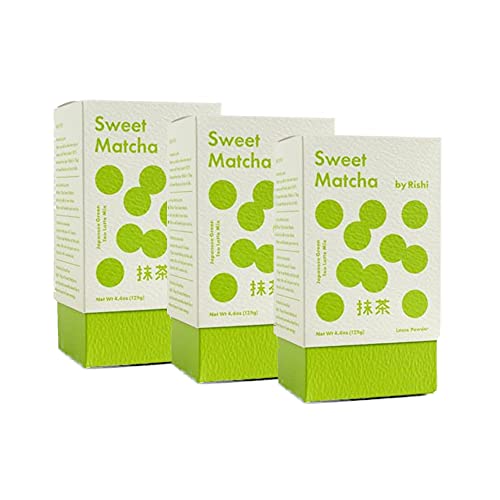
Rishi Tea Sweet Matcha, 4.4oz 3-Pack

Kiyo Matcha Classic Grade Hatsumukashi, 40g

Kiyo Matcha Organic Classic Grade, 40g
Why These Options Stand Out
SOKYO’s ceremonial line draws from Mie and Shizuoka, two Japanese regions with deep tea-growing roots. The Shizuoka version in particular emphasizes shaded cultivation, which pushes the leaf to develop stronger umami (the savory, brothy fifth taste) and a rounder sweetness than sun-grown leaf typically offers. Steaming and brick-oven drying give the powder a floral roasted edge that reads as complex rather than bitter.
For traditional usucha (thin tea, whisked with more water), the fine grind whisks into a smooth, almost foamy surface. Drinkers who prefer fuller-bodied flavor over delicate floral notes will find this profile satisfying. The 30g tin is small enough to finish in a few weeks, which helps preserve freshness once opened.
Where It Helps
- Shaded leaf from Mie Prefecture offers layered umami that holds up against milk in lattes.
- Brick-furnace drying leaves a distinctive roasted floral note in the aroma.
- Stone-ground texture reduces grit and helps the powder dissolve cleanly with a bamboo whisk.
- Compact tin protects the leaf from light and air, which slows oxidation.
Worth Noting
- The 30g tin is small for anyone drinking matcha daily, so larger drinkers may run through it quickly.
- Roasted character may feel stronger than expected for drinkers used to lighter, grassier profiles.
Key Specs
Who Should Grab It
Drinkers who want a regional, traditionally processed Japanese matcha and enjoy deeper umami over grassy brightness.
Where A Sibling Pick Shines
For a lighter first-harvest profile with a softer entry point, Encha’s ceremonial grade is a friendlier starting place.
Akira’s stick format turns ceremonial matcha into a single-serve product. Each 1.5g packet is pre-measured, so you skip the scoop-and-level step and the scale. That’s a meaningful convenience for office mornings, hotel rooms, and short trips when a tin and bamboo whisk aren’t exactly practical. The sticks also lock out light and air individually, which keeps unused portions from going stale.
The leaf is shade-grown first harvest from Japan, ground in small batches before shipping. Drinkers chasing a deep traditional ceremony will still want a tin and chasen (bamboo whisk), but anyone who wants consistent, mess-free cups should appreciate how portable this format is.
The Value In It
- Twenty-five individually sealed sticks keep unused portions fresh until you’re ready.
- Pre-measured 1.5g servings remove guesswork and protect against over-scooping.
- Light, slim packets slip into a laptop bag or carry-on with no spillage risk.
- Single-serve format is ideal for sampling matcha without committing to a full tin.
Points To Note
- Per-gram cost runs higher than buying a comparable tin, so heavy drinkers spend more over time.
- Single-use packaging creates more waste than a refillable tin over a long horizon.
Best Match For
Commuters, frequent travelers, and anyone new to ceremonial matcha who wants consistent portions without buying a full tin.
Swap It Out When
Daily home drinkers who want better value per gram should reach for Kirkland Ito En Matcha Blend in 100-count format instead.
Kiyo’s Signature Grade Shuga is built for drinkers who already know what they like in a matcha. The Uji sourcing (Uji is the historic tea-growing region southwest of Kyoto, long associated with ceremonial-grade leaf) and small-batch handling create a layered profile with more sweetness and less of the sharp green bite that entry-level powders can carry. For drinkers stepping up from a basic tin, the difference is noticeable in the first sip.
The 40g tin is enough to last a daily drinker several weeks, which makes the cost-per-cup reasonable. Compared to Akira’s stick format, this is a more traditional option for slow mornings at home rather than quick office breaks.
Good Reasons To Consider
- Uji origin connects the powder to Japan’s most established ceremonial tea region.
- Small-batch production helps preserve flavor nuances that bulk processing can flatten.
- 40g tin offers a longer drinking window without going stale for moderate users.
- Signature tier delivers a more polished sweetness than Kiyo’s Classic line, useful for progressing drinkers.
Trade Offs
- Refined sweetness may feel subtle for drinkers who want bolder, more roasted flavor in their cup.
- Higher tier within the Kiyo range means a higher per-gram cost than the Classic or Organic Classic options.
Right Fit For
Drinkers who have tried entry-level ceremonial matcha and want a noticeable step up in sweetness and complexity.
Reach For A Different Pick When
Brand-new ceremonial drinkers may find Kiyo Matcha Classic Grade Hatsumukashi more approachable at a friendlier price point.
Aiya’s sweetened sticks skip the bitter-powder-meets-honey workaround that defines most homemade matcha lattes. The sweetener is already in the stick, so you tear, pour, and stir. That sounds small, but it changes the morning routine, especially if you’re reheating milk on the stove while half-watching email.
Each stick is individually sealed, which protects freshness across the full eight-count pack. The vegan and gluten-free framing makes this a workable option for households with shared dietary preferences, and Aiya’s long history in Japanese tea adds some comfort for anyone cautious about lesser-known brands.
Positive Takeaways
- Pre-sweetened format cuts prep time for busy mornings.
- Eight individual sticks keep the rest of the pack sealed and fresh.
- Vegan-friendly and gluten-free formulation fits common dietary preferences.
- Single-serve size works well in a travel mug without measuring spoons.
Honest Caveats
- Built-in sweetness locks in the flavor profile, so you can’t dial it down for unsweetened drinkers.
- Smaller pack size means reordering more often than with a bulk tin.
Made For
Anyone who regularly makes sweet lattes and wants to skip the syrup or honey step entirely.
Look Elsewhere When
If you drink matcha unsweetened or want full control over how sweet your cup gets, Rishi Tea Sweet Matcha offers a similar format with a different cane-sugar balance, or you could pick Akira Matcha and add your own sweetener.
DoMatcha’s Summer Harvest line uses leaf from later cuttings rather than the prized first flush. The result is a more robust, slightly astringent profile (astringency is the drying, puckering sensation on the tongue) that holds up well in lattes and smoothies, where spring-picked ceremonial powders can disappear under milk. The 2.82oz tin also covers about 75 servings at standard strength, so it outlasts most 30g options for daily drinkers.
Kosher certification, naturally occurring caffeine, and the L-theanine content (an amino acid in tea that pairs with caffeine to support a calm, focused feeling) make this a fit for shoppers who care about dietary framing. The trade-off is straightforward: a more savory, bolder cup rather than the delicate sweetness of a first-harvest Uji blend.
The Good Stuff
- Larger tin size covers weeks of daily drinking without reordering.
- Summer harvest profile stands up to milk, oat milk, and fruit in blended drinks.
- Kosher certification supports households with specific dietary requirements.
- Bold flavor means a little powder goes further in recipes like matcha cookies or overnight oats.
Soft Spots
- Astringency reads as stronger than first-harvest ceremonial options, which may not suit traditional drinkers.
- Summer leaf lacks the delicate sweetness some shoppers specifically look for in ceremonial grade.
Whose Shelf It Belongs On
Home baristas and smoothie drinkers who want a robust, everyday matcha that survives milk and ice without disappearing.
Skip It When
If you’re after a delicate traditional cup, Encha’s Uji-sourced first harvest is closer to a classic ceremonial profile.
Kirkland’s matcha blend is a bulk option built for households that drink it every day. The 100-count packaging handles a couple of months of regular use without reordering, and the sachet format (single-serve sealed packets) keeps each cup consistent. Ito En’s blending experience shows up in the smoothness, which is more even than a beginner tin tends to deliver.
Note that “matcha blend” in the title typically means it’s mixed with other green tea, so the flavor profile leans milder and less intensely vegetal than a pure ceremonial powder. That’s actually a plus for mixed households where some drinkers want a softer cup.
Practical Pluses
- 100-count bulk format covers weeks of daily use in one purchase.
- Sachet packaging keeps each serving sealed until use, slowing oxidation.
- Blended profile reads as smoother and less grassy than pure ceremonial options.
- Easy to share across a household or office kitchen without measuring.
Things To Weigh
- Blended with other green tea, so it’s not a pure ceremonial-grade powder in the strictest sense.
- Milder flavor won’t satisfy shoppers specifically seeking a bold, single-origin ceremonial experience.
Quick Facts
Built With In Mind
High-volume daily drinkers and households who want a smoother, blended matcha in a fuss-free sachet format.
Not Your Match When
Shoppers committed to single-origin ceremonial leaf should pick DoMatcha or Encha instead.
Encha sources first-harvest leaf from certified organic farms in Uji, the same region Kiyo draws from, and the difference shows in the cup. The aroma opens with fresh grass and a touch of stone fruit, then settles into a smooth, slightly sweet finish that doesn’t need milk or sweetener to taste balanced. For traditionalists who want matcha prepared with water only, this is the closest experience on the list to a Japanese tea ceremony at home.
The 60g tin is generous for a ceremonial grade and lasts a moderate daily drinker through the month without losing vibrancy, as long as the lid goes back on promptly. The stone-ground, shade-grown processing keeps the powder fine, so it whisks into a glossy top with minimal effort.
The Case For It
- First-harvest Uji leaf from certified organic farms delivers a refined, traditional flavor.
- 60g tin offers a longer drinking window than most ceremonial tins in this price tier.
- Shade-grown and stone-ground processing preserves color, aroma, and texture.
- Flavor holds up well prepared traditionally with water, no milk required.
Where It May Fall Short
- Refined profile can taste subtle next to bolder commercial blends for new drinkers.
- Larger tin means finishing it within a few weeks once opened to keep the powder vibrant.
Perfect Match For
Traditional drinkers who want to prepare matcha with water and appreciate a delicate, slightly sweet Uji profile.
A Better Fit Elsewhere
Drinkers who prefer their matcha with milk and ice will get more value from DoMatcha’s bolder Summer Harvest tin.
Rishi’s Sweet Matcha blends Japanese matcha with pure cane sugar, which positions it less as a traditional tea and more as a ready-to-mix latte base. The 4.4oz tins come three to a pack, which adds up to roughly 30 lattes, useful when you’re hosting brunch or keeping a stocked office kitchen. The powder dissolves easily into hot or cold milk, including plant-based options, without leaving clumps.
Certified Kosher and free from genetically modified ingredients, the formulation covers common dietary preferences. The honest read is that this is more of a flavored drink mix than a straight matcha, so traditionalists will want to look elsewhere.
Key Advantages
- Built-in cane sugar eliminates the need for syrup, honey, or extra sweetener.
- Three-tin pack covers gatherings and multi-drinker households.
- Dissolves smoothly in hot, iced, and plant-based milk options.
- Kosher certification supports a wider range of dietary needs.
Possible Compromises
- Pre-sweetened format removes the option to enjoy matcha unsweetened, which limits flexibility.
Best Suited To
Hosts and iced-drink regulars who want a sweetened matcha base that mixes without extra ingredients.
Where Another Pick Suits Better
Drinkers who want full control over sweetness should try Akira Matcha and add their own sweetener, or pick SOKYO’s pure ceremonial tin.
Kiyo’s Classic Grade is the brand’s entry point, and it’s tuned for drinkers who want a recognizable first-harvest taste without the higher price of the Signature tier. The Hatsumukashi name refers to the first picking of the season (literally “first harvest”), which carries the gentler sweetness most beginners respond well to.
For shoppers stepping into ceremonial matcha for the first time, this is a low-risk way to figure out whether you prefer traditional preparation or sweetened lattes. Compared to Encha’s Uji-sourced tin, this is more approachable and less refined at the same time.
Useful Touches
- Entry-level pricing makes ceremonial-grade matcha accessible for new drinkers.
- First-harvest leaf offers the characteristic sweetness newcomers tend to enjoy.
- 40g tin lasts a casual daily drinker about three to four weeks.
- Uji sourcing gives a more authentic regional profile than generic supermarket options.
What To Weigh
- Classic tier is less nuanced than the same brand’s Signature Grade for experienced drinkers.
Who Will Love This
First-time ceremonial drinkers who want an authentic first-harvest experience without committing to a premium price.
Consider Something Else When
Drinkers ready to move past the entry tier should compare Kiyo Matcha Signature Grade Shuga for a noticeable step up.
The Organic Classic is Kiyo’s middle path between the entry-level Classic and the Signature tier. It’s still first-harvest leaf, but the organic certification adds a layer of appeal for shoppers who want to know the leaf was grown without synthetic pesticides. The flavor profile sits between bright and earthy, which makes it a versatile pick across preparation styles.
Cold brew, latte, and usucha all work with this powder, so it’s a practical option for households where different people want different drinks. The 40g tin also keeps longer than smaller 30g options, and resealing promptly after each scoop helps preserve the color and aroma.
The Helpful Details
- Organic certification supports shoppers who prioritize pesticide-free cultivation.
- Balanced flavor profile works across lattes, cold brew, and traditional usucha.
- 40g tin size gives moderate daily drinkers a reasonable supply per order.
- Small-batch handling from Japan’s domestic market helps protect freshness.
Small Caveats
- Mid-tier profile won’t deliver the same nuance as the brand’s Signature Grade option.
- Once opened, drink within a few weeks to keep the color and aroma lively.
Feature Snapshot
Right Fit For
Drinkers who want organic ceremonial matcha that adapts easily to both traditional and milk-based preparations.
Look Elsewhere When
If pure single-origin ceremony is the priority, Encha’s Uji-sourced tin has a more traditional edge.
What Matters Most When Buying Ceremonial Matcha
The first decision is whether you want to drink matcha with water, the traditional way, or blended into lattes and smoothies. That answer shapes almost every other choice, because ceremonial powders that shine with water can disappear under milk, and bolder blends meant for lattes can taste sharp in a plain usucha cup.
Origin and Harvest Timing
Single-origin matcha from Uji tends to be the most consistent for traditional preparation. First-harvest leaf (ichibancha, the spring picking) carries more L-theanine and natural sweetness than later cuttings, which is why it commands a higher tier. Summer and autumn harvests deliver a more robust, slightly astringent profile that holds up better in milk-based drinks, as seen in DoMatcha’s Summer Harvest line.
Grade, Region, and Format
Ceremonial grade traditionally means the youngest, most tender leaf, intended for whisked tea. Culinary grade sits below and is meant for cooking. Within ceremonial, sub-tiers like Signature, Premium, and Classic describe the same grade with different quality cuts. Region matters: Uji, Shizuoka, and Mie each carry distinct flavor signatures. Format, whether tin, sachet, or stick, changes how the powder stays fresh and how convenient each cup feels.
Sweetened vs. Pure Powder
Pre-sweetened sticks like Aiya and Rishi cut prep time but lock in the flavor. Pure tins like Encha, SOKYO, and Kiyo give you control but require a whisk and a small amount of technique. For beginners still learning what they like, the stick format is a low-commitment way to test the drink before investing in tools.
Key Considerations Across These Picks
Common Shopping Slip Ups
Many first-timers grab a “matcha” tin without checking whether it’s pure ceremonial leaf or a blend diluted with other green tea, which leads to a flat, grassy cup. Others buy the smallest tin to “try it,” then run out before forming a real opinion on flavor. Buying a slightly larger tin and finishing it within three to four weeks gives a more accurate read on quality.
What The Higher Tier Buys
Stepping from Classic to Signature within a brand like Kiyo, or from a blended bulk option to a single-origin Uji tin, generally buys you younger leaf, more pronounced sweetness, and finer grind. That translates to smoother whisking, more complex aroma, and a more traditional drinking experience. The upgrade is worth it once you know you actually enjoy matcha plain, because the differences in aroma and mouthfeel become easier to notice.
Frequently Asked Questions
What does “ceremonial grade” actually mean?
It generally refers to the youngest, most tender tea leaves, stone-ground into a fine powder and intended for traditional whisked preparation. The label is industry-defined rather than regulated, so origin and freshness matter as much as the word itself.
How long does a tin of ceremonial matcha stay fresh?
Once opened, most ceremonial tins hold their best color and aroma for about three to four weeks. Unopened and sealed, a tin stored away from light and heat can keep for several months, though the vibrancy will gradually fade.
Can I use ceremonial matcha in lattes?
You can, though purer ceremonial leaf is optimized for water-based preparation. For daily lattes, a more robust option like DoMatcha Summer Harvest or a pre-sweetened blend may give you better flavor balance with less powder per cup.
Is ceremonial matcha the same as culinary grade?
No. Culinary grade uses older, more astringent leaves intended for baking and cooking, where the flavor will be masked by other ingredients. Ceremonial grade is meant to be tasted on its own, which is why it costs more and drinks smoother.
Do I need special tools to prepare it properly?
A bamboo whisk (chasen) and a small sifter help, but a regular kitchen whisk and a fine mesh strainer can get you close. The goal is to break up clumps and create a thin, even foam on top of the cup.
The Takeaway
The right matcha comes down to how you actually plan to drink it. Traditionalists will find the most ceremony in a pure Uji tin like Encha or SOKYO, latte regulars will appreciate the body of DoMatcha, and travelers may prefer Akira’s stick format. Start with the format that fits your routine, then trade up in grade once you know what flavors you actually enjoy.
