

A daily matcha habit can drain a grocery budget fast, especially once you start chasing single-origin tins and stone-ground labels. The good news: plenty of affordable matcha powders hold their own in a morning latte or a weekend baking session, and the category has quietly grown to include sticks, sachets, and resealable pouches in small, low-commitment sizes. This roundup gathers ten budget-friendly options from the marketplace, comparing flavor, format, and how each one actually fits into a real kitchen routine.
An Overview Of The Picks

SOKYO Ceremonial Matcha Series (Shizuoka S)

Kagoshima Ceremonial Matcha by KAZAEMON

Chaism Organic Ceremonial Matcha Packets

Akira Matcha Sticks by Matcha Konomi

Republic of Tea Double Green Matcha Refill

Republic of Tea SuperGreen Detox Blend

Aiya Sweetened Matcha To Go Sticks

DoMatcha Summer Harvest Matcha

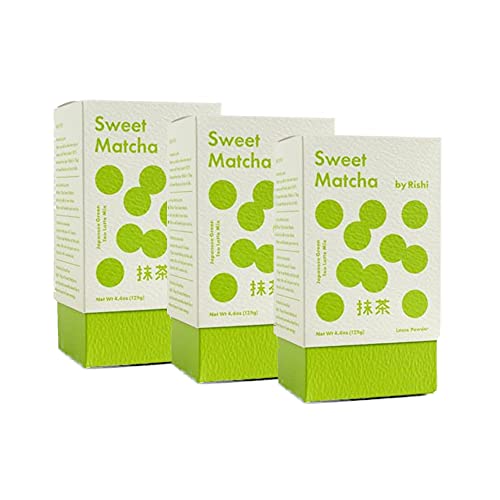
Rishi Tea Sweet Matcha 3-Pack
What Each Pick Brings To The Table
Opening the SOKYO tin, the first thing to notice is the fine grind, almost talc-soft, which matters because coarser matcha tends to clump and leave grit at the bottom of the bowl. The Shizuoka-region leaf gives this a slightly grassy, savory character that pairs well with both plain hot water and a splash of oat milk.
For tea drinkers who already own a bamboo whisk and chasen bowl, this is the kind of ceremonial-grade powder that rewards a little ceremony. Compared to the smoother KAZAEMON pick further down, SOKYO leans a touch more umami-forward, which seasoned drinkers tend to appreciate but newcomers may find assertive on the first sip.
Strengths Worth Knowing
- Single-origin Shizuoka leaf with documented shaded cultivation, which concentrates the natural umami and amino acid content.
- Fine stone-ground texture dissolves quickly under a bamboo whisk, so the resulting cup stays smooth instead of sandy.
- Compact 1.05 oz tin fits easily in a small cabinet or on a kitchen counter without dominating the shelf.
- Sourced from a recognized Japanese tea region, lending a sense of provenance often missing in budget tins.
Things To Consider
- The umami-forward profile can taste slightly bitter to anyone used to sweetened latte blends, so adjusting water temperature helps.
- Once opened, the tin benefits from being kept sealed and away from light, otherwise the vibrant color fades within a few weeks.
Right Fit For
Drinking matcha the traditional way matters to you, and you want a Shizuoka-sourced leaf without stepping into premium-tier pricing.
Reach For A Different Pick When
You are brand new to matcha and want the gentlest entry point, in which case the smoother, lower-bitterness KAZAEMON Kagoshima tin is a better starting place.
KAZAEMON’s Kagoshima-sourced powder is built for the “just curious” stage of matcha drinking, where the goal is a pleasant cup rather than a deep umami meditation. The leaf comes from Kagoshima, a region with rich volcanic soil and a warm climate that tends to produce smoother, sweeter profiles.
The 30g tin matches the size of the SOKYO pick, so portioning and storage habits carry over cleanly. In practice, this powder holds up well whisked into warm water and forgives the occasional lazy stir, which makes it a smart choice for anyone still figuring out the right ratio.
Useful Highlights
- Smooth, mild flavor with low bitterness, ideal for first-time drinkers who may find traditional matcha too intense.
- Vibrant green color in the cup, which signals a well-handled, shade-grown leaf.
- Kagoshima is one of Japan’s leading tencha-producing regions, and the volcanic soil profile gives this a clean finish.
- Versatile enough to drink straight, mix into a latte, or fold into baking recipes without dominating the dish.
Points To Keep In Mind
- The mild profile can read as slightly flat to drinkers who prefer a punchier, more savory matcha.
- The 30g tin is small for heavy daily drinkers and may need replacing within a few weeks of regular use.
Built With In Mind
Newcomers who want a forgiving first matcha that still uses leaf from a respected Japanese growing region.
Swap It Out When
You want a more assertive, umami-forward cup, in which case SOKYO’s Shizuoka-sourced ceremonial tin is a more characterful pick.
Sticks solve the small but persistent problem of measuring matcha on a busy morning, and Chaism leans hard into that convenience. Each packet holds a pre-measured 2g serving, which removes the guesswork and keeps the bag or desk drawer from collecting loose powder.
The leaf is grown in Hangzhou with a longer-than-typical shading period, intended to concentrate the natural compounds. In a travel mug or at a hotel kettle, the powder whisks into hot water with minimal effort, which is the whole point of the format.
Standout Benefits
- Pre-portioned sticks mean no scale, no spoons, and no wasted powder at the bottom of a tin.
- USDA-certified organic, vegan, gluten-free, and free from added sugar, which simplifies ingredient tracking.
- Ground from first-harvest leaves, so the color and flavor stay on the more vibrant end of the spectrum.
- Individually sealed sticks travel well in a work bag or carry-on without risk of spillage.
Honest Caveats
- Per-serving cost runs higher than a bulk tin, so daily drinkers may pay a premium for the convenience.
- With only 20 sticks per box, frequent users will cycle through a pack quickly and need a steady reorder.
Feature Snapshot
Who Will Love This
Office workers, frequent travelers, and anyone who wants a clean ingredient list without the mess of loose powder on the counter.
Look Elsewhere When
You drink matcha every morning in larger volumes and want a better per-gram value, in which case the larger DoMatcha tin is a smarter fit.
Akira Matcha leans into the “freshly ground, then sealed” story, with leaf processed in Japan and packed into airtight sticks just before shipping. The pack of 25 offers a sensible middle ground between a small starter tin and a bulk option, which works for a household of two or a single heavy drinker.
Each stick holds 1.5g, slightly smaller than the Chaism serving, so users who like a stronger cup may want to use two sticks at once. The shade-grown, first-harvest leaf gives the cup a clean, vegetal character that holds its own against a splash of milk.
The Case For It
- Air-tight individual sticks protect against the flavor fade that hits loose powder after a few weeks of opening.
- Organic first-harvest leaf from Japan gives the cup an authentic, less-blended flavor profile.
- Stick format is genuinely portable and survives a commute in a laptop bag without any mess.
- Pack of 25 strikes a useful balance between a sampler and a full tin.
Softer Spots
- The 1.5g serving is on the modest side, so users used to a 2g scoop will need to adjust or double up.
- Per-gram cost lands higher than a loose-leaf tin, so daily drinkers may end up spending more over a month.
Best Suited To
Anyone who values freshness above all else and prefers a sealed stick over a spoon-into-tin routine.
Skip It When
You want more flexibility in how much powder you use per cup, in which case the loose-leaf DoMatcha tin lets you dial in the exact amount.
The Republic of Tea takes a different approach: instead of pure matcha powder, this refill marries Japanese matcha with whole green tea leaves, packed into standard teabags. The result is a cup that drinks like green tea with a little extra body, rather than a true ceremonial matcha.
For someone who finds whisking a hassle or doesn’t own the gear, a teabag removes the entire learning curve. Steep one in hot water just below boiling for a couple of minutes and you have a clean, grassy cup with no whisk, no bowl, and no cleanup beyond tossing the bag.
Positive Points
- Teabag format is the most beginner-friendly option on this list, requiring no special equipment.
- Refill pouch steeps around 100 cups, which works out to a low per-cup cost over time.
- Organic Japanese matcha blended with whole green tea leaves gives a layered, smooth cup.
- Steep time is forgiving, so over-steeping produces a stronger cup rather than a harsh one.
A Few Limitations
- The flavor is greener and lighter than a true whisked matcha, so traditionalists may find it thin.
- It cannot be whisked into a foamy latte the way pure powder can, which limits culinary uses.
Feature Snapshot
Who Should Grab It
Casual green tea drinkers who want a touch of matcha without investing in a whisk or learning ceremony technique.
Not Your Match When
You want a foamy whisked latte or a real ceremonial cup, in which case the SOKYO tin is a more authentic experience.
SuperGreen is a flavored departure from the rest of the list, blending matcha and green tea leaves with spearmint, chlorella, and natural apple flavor. The mint-and-apple finish takes the edge off the grassiness, which makes it an easy sell for anyone who has bounced off plain matcha in the past.
The 36-teabag count slots neatly between the bulk Kirkland option and the smaller Republic of Tea refill, so it suits a household of one or two without committing to a giant supply. The spearmint note is the dominant flavor, with the green tea sitting in the background rather than leading.
Real Benefits
- Mint and apple finish broadens the appeal for drinkers who find pure matcha too grassy.
- Combines matcha, whole green tea, and chlorella, so each cup carries several plant-based ingredients.
- Steeped like a standard teabag, so it slots into an existing mug-and-kettle routine.
- Organic ingredient list and no added sweeteners, which suits clean-label shoppers.
Practical Considerations
- Chlorella gives the cup a slight oceanic note that some drinkers enjoy and others find unfamiliar.
- The mint dominates the profile, so anyone wanting a true matcha-forward cup should look elsewhere.
Perfect Match For
Fans of flavored green tea who want matcha as part of a broader blend rather than the headline ingredient.
A Better Fit Elsewhere
You want pure matcha flavor with no competing botanicals, in which case KAZAEMON’s smooth Kagoshima tin is a cleaner pick.
Aiya’s sweetened sticks are essentially a barista shortcut: pre-sweetened matcha in a single-serve stick that pours straight into milk or hot water. The pack of 8 is small by design, so it functions as a desk-drawer stash or a weeklong trial rather than a long-term supply.
The brand carries a long Japanese pedigree, which gives the ceremonial-grade leaf inside some credibility. Drinkers who skip sweetener entirely may find these too sugary, but for anyone who usually adds a spoon of sugar to their latte, the sweetness lands in a comfortable middle ground.
What Pays Off
- Pre-sweetened, so no sugar, honey, or syrup is needed to round out the flavor.
- Single-serve sticks are the fastest way to make a matcha latte when time is short.
- Vegan, non-GMO, and gluten-free formulation fits most common dietary preferences.
- Ceremonial-grade leaf from a Japanese producer with a long track record in the category.
Points To Note
- Pre-sweetened means no control over sugar levels, which is a deal-breaker for low-sugar drinkers.
- Only 8 sticks per pack, so the cost per cup runs higher than most options on this list.
Feature Snapshot
Whose Shelf It Belongs On
Busy home drinkers who skip measuring and want a sweetened latte in under a minute, with no cleanup.
Where Another Pick Suits Better
You want unsweetened matcha with full control over how sweet the cup gets, in which case the Akira Matcha sticks or SOKYO tin are better building blocks.
DoMatcha’s Summer Harvest is the bulk option on this list, with a 2.82 oz tin designed to cover roughly 75 servings at a 1g scoop. Summer-harvest leaf tends toward a slightly more astringent, robust profile, which holds up well in lattes and smoothies where pure-ceremonial flavor can get lost.
For households where matcha is part of the daily routine rather than an occasional treat, the larger tin and lower per-serving cost make the economics work. The grinder-grade consistency and resealable lid help preserve the color and flavor across weeks of regular use, assuming the tin is kept sealed between sessions.
What Stands Out
- 2.82 oz tin provides around 75 servings, the highest yield on this list for daily drinkers.
- Summer-harvest leaf brings a slightly bolder, more astringent flavor that stands up to milk and sweeteners.
- Resealable tin helps protect the powder from the air and light exposure that fade color over time.
- Kosher certification and naturally sourced antioxidants widen the appeal for ingredient-conscious shoppers.
Less Ideal Details
- Summer-harvest leaf carries more astringency, so it tastes stronger than ceremonial-grade spring picks in plain water.
- Smaller tin footprint than a 16 oz bag, but storage still requires a cool, dark cabinet to keep the powder fresh.
Feature Snapshot
Made For
Daily matcha drinkers who want a tin that lasts more than a few weeks and a flavor that holds up in milky drinks.
Consider Something Else When
You prefer a smooth, low-bitterness cup served plain, in which case the KAZAEMON Kagoshima tin is a more delicate alternative.
Kirkland’s 100-count teabag box is the bulk option for households that want a steady, low-effort supply of matcha-flavored green tea. The blend pairs Ito En’s Japanese sourcing with a teabag format, so the routine is exactly the same as steeping a regular green tea bag.
For families or shared kitchens where pure ceremonial powder would sit unused, the teabag format lowers the bar to entry. The per-cup cost is also one of the lowest in this roundup, which matters when multiple people are filling mugs through the day.
The Practical Payoff
- 100 teabags per box offer the largest supply on this list, ideal for heavy or shared use.
- Per-cup cost is among the lowest in the category, which adds up over weeks of daily drinking.
- Steep-and-toss simplicity removes the need for any whisking gear or cleanup beyond the bag.
- Ito En’s Japanese sourcing lends credibility to the matcha component inside each bag.
Worth Bearing In Mind
- This is a matcha blend, not pure ceremonial matcha, so the cup reads lighter than whisked powder.
- Teabag format cannot produce the froth or foam of a whisked ceremonial cup, which limits barista-style drinks.
Who It Suits Best
Families or shared households that want a simple, low-cost matcha-flavored green tea for everyday mugs.
Another Choice May Suit
You want true ceremonial-grade matcha with the option to whisk and foam, in which case the SOKYO tin offers a more authentic experience.
Rishi’s Sweet Matcha is designed for barista-style drinks, with pure cane sugar already blended into the powder. The 3-pack of 4.4 oz tins is generous by matcha standards, making it well suited to hosting, recipe testing, or anyone who wants to keep a backup tin in the pantry.
Beyond lattes, the blend dissolves easily into cold milk, lemonade, or iced drinks, which broadens its usefulness across seasons. The kosher certification and non-GMO sourcing round out the ingredient list for shoppers who track those details.
Practical Pluses
- Pre-sweetened with pure cane sugar, so a single scoop turns into a finished latte with no extra syrup.
- Three-pack of 4.4 oz tins offers strong value for frequent entertainers or home baristas.
- Dissolves easily in both hot and cold drinks, which opens up iced matcha and lemonade recipes.
- Certified kosher and non-GMO, with matcha grown without synthetic chemicals.
Small Caveats
- Pre-sweetened formula leaves no room to adjust the sugar level cup by cup.
- Three tins take up more shelf space than a single pouch, so smaller kitchens may find storage tight.
Right Fit For
Home entertainers and recipe tinkerers who want a ready-to-mix matcha base for lattes, iced drinks, and weekend baking projects.
Not Your Match When
You prefer unsweetened matcha with full control over how you sweeten the cup, in which case the Akira Matcha sticks give you a clean base to build on.
What Matters Most Before Choosing Cheap Matcha Powders
Format And Daily Routine
The single biggest decision is format, because it shapes how the rest of your routine looks. Pure powder in a tin suits drinkers who already own a bamboo whisk and enjoy the ceremony, while pre-portioned sticks remove measuring and cleanup for busy mornings. Teabag formats are the lowest-effort option and the easiest to share, but they trade the foam and body of whisked matcha for pure convenience.
Flavor Profile And Origin
Matcha flavor varies noticeably by region and harvest season. Shaded, spring-picked leaf from regions like Shizuoka and Kagoshima tends to be sweeter and more umami-forward, while summer-harvest leaf skews bolder and slightly more astringent. Sweetened blends with sugar or flavorings sit on a different axis entirely, designed for latte-style drinks rather than straight sipping.
Sweetener And Ingredient Control
Pre-sweetened options like the Aiya and Rishi blends handle sweetness for you, which is fast but inflexible. Unsweetened powders give full control over the final cup, but they require you to add sugar, honey, or syrup on your own. Ingredient lists also matter here: organic certification, single-origin sourcing, and clean labels vary widely across the category, and a longer list of additives usually signals a lower-grade leaf.
Yield And Per-Serving Cost
Yield is often the deciding factor for daily drinkers. A 30g tin lasts about two weeks at one cup a day, while the 2.82 oz DoMatcha tin stretches to around 75 servings. Stick packs sit in the middle on convenience but tend to carry the highest per-gram cost, while bulk teabag formats like the Kirkland box bring the per-cup cost down to its lowest point.
Key Considerations Across These Picks
Pitfalls Shoppers Hit
One of the easiest mistakes is assuming all green powders labeled “matcha” behave the same. Blended teabag products drink like green tea with a hint of matcha, not the other way around, and they cannot be whisked into a foamy latte. Another common slip is ignoring storage: once a tin is open, exposure to air and light fades both the color and the flavor within weeks, so resealable lids and cool, dark cabinets matter more than the label suggests.
Where The Extra Money Goes
Higher-priced matcha on this list tends to earn its position through single-region sourcing, longer shading periods, and finer stone-ground texture. The umami-forward ceremonial-grade powders carry the cost of careful cultivation and processing, while flavored or sweetened blends pay for added ingredients and convenience packaging. The upgrade is worth it when you actually drink matcha plain and notice the difference, and less relevant when every cup is buried under milk, sugar, and syrup anyway.
Frequently Asked Questions
Is cheaper matcha still good for lattes?
Yes, especially bolder summer-harvest blends and pre-sweetened options designed for milk drinks. Lattes mask the subtleties of premium ceremonial matcha, so a mid-priced powder often does the job without the extra cost.
How long does an opened tin of matcha stay fresh?
Most tins stay vibrant for about four to six weeks after opening, assuming they are resealed tightly and stored away from heat, light, and humidity. Stick formats extend that window because each serving is sealed until use.
Do I need a bamboo whisk to make matcha?
No, but a whisk helps. A small kitchen whisk or even a milk frother can break up clumps and add some foam, while teabag and stick formats skip the whisking step entirely by design.
What is the difference between ceremonial and culinary grade?
Ceremonial grade refers to leaf from the first harvest, shaded longer and ground finer for drinking straight. Culinary grade is usually a later harvest or a more robust cut, intended for baking and cooking where the flavor gets diluted.
Can matcha be used in baking and recipes?
Absolutely, and culinary-grade or summer-harvest powders are often the better choice since their bolder flavor survives the oven. Pure ceremonial powder works too, but at a higher per-batch cost that may not be worth it for everyday baking.
Closing Remarks
Affordable matcha is no longer a compromise, especially once the format matches the routine. Pure-powder tins reward drinkers who want a proper cup, sticks and sweetened blends fit the rushed-morning crowd, and bulk teabags keep shared kitchens covered. The right pick comes down to how the cup will actually be made, not just how it looks on a shelf.
