

Civet coffee, often called kopi luwak, remains one of the most talked-about beans in specialty coffee. The legend centers on the Asian palm civet, a small mammal that eats ripe coffee cherries and digests the fruit while the inner beans pass through largely intact. What comes out the other side is collected, washed, and roasted into a cup with a famously smooth, low-bitter profile. The market now offers everything from wild-harvested, single-origin lots to more accessible blends that borrow the spirit of the style without the wild element. The picks below cover the full range, so you can match your budget, taste preferences, and ethics to a bag that fits.
The Main Contenders

BUSHIDO Black Katana Premium Whole Bean Coffee 2.2 lb

Monkey Business Coffee Wild Kopi Luwak Ground Beans 1 kg

Coctive Kopi Luwak Civet Coffee Beans 8.8 oz Gift Set

Gate to Nature Kopi Luwak Arabica Beans 10oz Dark Roast

Volcanica Coffee Kopi Luwak Whole Bean 16 Ounces

Caffè Borbone Espresso Intenso Whole Bean Coffee 2.2 lb Pack of 2

Ksu Pom Humbang Cooperative Wild Kopi Luwak 100g
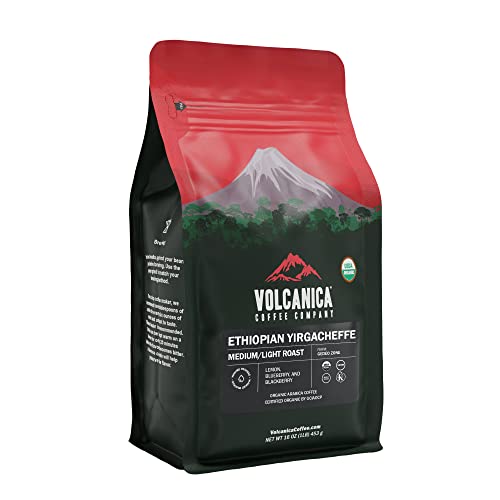
Volcanica Coffee Ethiopian Yirgacheffe 16-ounce
Inside Each Recommended Option
BUSHIDO Black Katana is a 2.2-pound whole-bean bag built for people who want civet-style flavor storytelling without buying the wild-sourced stuff. The beans are 100% Arabica from South and Central American high-altitude farms, washed, hand-picked, and sun-dried before roasting in the Netherlands.
The roaster uses a “City Roast” (a level between medium and dark, named for the color of the roasted bean) technique that lands right at the edge of medium-dark, so you get body without crossing into burnt territory. Daily office drinkers and weekend pour-over fans both tend to find the cup accessible, with dark chocolate and hazelnut as the front notes and a faint blueberry sweetness at the finish.
Strong Points
- The 2.2 lb format means roughly 70+ cups of coffee, which works out well for offices or households grinding daily
- Washed Arabica processing (beans stripped of fruit mucilage before drying) gives a clean, bright taste that holds up to sugar and milk without going dull
- City Roast level keeps bitterness in check while preserving the heavier body that fans of the style expect
- Bulk packaging lowers the per-cup cost compared to single-origin civet lots, so it suits a routine rather than a one-off splurge
Things To Consider
- This is a conventional Arabica blend, not a wild-collected product, so it carries the spirit of the style without the wild element
- Whole-bean format requires a grinder, which adds a small upfront cost for households currently buying pre-ground
Who It Suits Best
Daily drinkers who want civet-style flavor cues in a routine, budget-friendly bag without the wild-sourcing premium.
Where Another Pick Suits Better
Shoppers committed to authentic wild-collected beans should look at Volcanica Coffee Kopi Luwak Whole Bean 16 Ounces instead, since it carries full wild-sourcing credentials.
Monkey Business Coffee ships a 1-kilogram bag of wild-collected Indonesian Kopi Luwak in a pre-ground format, which is uncommon in this category. Most wild lots arrive as whole beans, so the grind-ready nature here makes sense for offices, drip-cooler setups, or anyone without a burr grinder (a grinder that crushes beans between two textured rings for consistent particle size) on the counter.
The brand emphasizes ethical sourcing from Indonesian farms, and the bag carries a tasting profile aimed at the smooth, low-bitter end of the spectrum with caramel and chocolate hints. For households that want wild-luwak volume in one purchase, this is one of the few 1-kg options on the market.
What Makes Sense
- The 1 kg size suits shared kitchens, small offices, or households brewing multiple cups a day over weeks
- Pre-ground format skips the grinder requirement, helpful for drip-cooler users and travel setups
- Wild-collected Indonesian origin, which keeps the cup closer to traditional luwak profiles than conventional blends
Trade Offs
- Pre-ground beans lose aroma faster than whole-bean formats, so drinkers chasing peak freshness may want to portion and freeze
- 1 kg is a serious commitment for a first-time taster, since civet-style coffee flavor preferences are personal and a full kilogram is awkward to repurpose
Feature Snapshot
Made For
Long-term enthusiasts, small offices, and shared kitchens that want one bag to last a season of brewing.
Skip It When
First-time tasters who want a smaller commitment should consider Gate to Nature Kopi Luwak Arabica Beans 10oz Dark Roast, which offers a similar wild profile in a more modest size.
Coctive markets this 8.8-ounce bag as a presentation piece, with packaging aimed at gifting rather than pantry storage. The beans inside are wild-harvested from the Gayo highlands of Sumatra, where small farms collect beans from free-roaming civets, a practice the brand highlights as cage-free.
Compared to Monkey Business Coffee’s bulk 1 kg option above, this is a smaller, more deliberate format, and the cup leans into a naturally low-acid, chocolate-toned profile that suits drinkers who find regular coffee harsh on the stomach. The brand pairs the wild sourcing with an elegant box, so it tends to work for milestone gifts, holiday hampers, and thank-you gestures.
Where It Delivers
- Wild-collected, free-roaming sourcing addresses the ethical questions shoppers often raise about civet coffee
- Naturally low-acid profile suits drinkers with sensitive stomachs who still want a full-bodied morning cup
- Gift-ready packaging removes the need to repackage for special occasions
Points To Keep In Mind
- Smaller 8.8 oz bag offers fewer brewing sessions than 1 kg options, so it works as an event rather than a routine
- Gift presentation adds a small cost layer over plain-bag wild luwak, which is worth weighing for self-consumption
Right Fit For
People buying coffee as a memorable gift for a foodie, host, or someone who has been curious about wild-luwak but never tried it.
Not Your Match When
Daily drinkers wanting a routine-sized bag should reach for Volcanica Coffee Kopi Luwak Whole Bean 16 Ounces, which lands closer to a household portion.
Gate to Nature ships wild civet coffee in a 10-ounce clear bag, with a Black Label dark-roast profile that lands darker than most of the wild lots on this list. The clear packaging is unusual for the category, and it lets you see the whole beans before grinding, which helps shoppers judge freshness at a glance.
The brand leans into small-batch production, which limits how much coffee they release at any given time. That makes this a frequent pick for first-timers who want to test the waters before committing to a larger wild-luwak bag, since the 10-ounce size runs through a couple of weeks of daily brewing without forcing a long-term commitment.
Positive Points
- Dark roast profile suits drinkers who prefer a heavier body and toasted finish over bright acidity
- Clear-bag packaging makes freshness easier to assess visually before purchase
- 10-ounce size fits a sampler mindset, so you can evaluate the style before scaling up
Small Caveats
- Small-batch production means stock can be inconsistent, and reordering may not always be possible at the same time
- Dark roast mutes some of the brighter aromatic notes that lighter wild-luwak profiles are known for
Quick Facts
Best Suited To
First-time wild-luwak drinkers who already know they like dark-roast coffee and want a modest portion to evaluate.
Look Elsewhere When
Drinkers chasing a lighter, more aromatic wild profile should pick Coctive Kopi Luwak Civet Coffee Beans 8.8 oz Gift Set, which leans into a brighter, lower-acid cup.
Volcanica Coffee sources this lot from small farms in North Sumatra, where the beans are gathered from wild, cage-free civets, then subjected to phytosanitary testing (official inspection for plant pests and diseases) before export, plus lab analysis for mold and mycotoxins (toxic compounds produced by certain molds) on arrival. The roasting takes place above 400°F, which the brand highlights as part of the safety chain.
The flavor profile reads as complex and aromatic: sandalwood, apricot, dark chocolate, plum blossom, and a faint chanterelle-like note, so this is a cup for slow sipping rather than rushed mornings. Compared to Gate to Nature’s dark-roast approach above, Volcanica leans into a more layered, traditional wild-luwak experience.
Reasons It Performs
- Multi-stage lab testing addresses the food-safety questions that often come up with wild-collected beans
- Wild and cage-free sourcing keeps the cup closer to traditional wild-luwak flavor expectations
- Complex aromatic profile suits slow-brew methods like pour-over and French press
Points To Note
- Strong, layered flavor can feel too intense for drinkers used to light supermarket blends
- Whole-bean format means a grinder is required, which adds a small upfront step for new specialty drinkers
Feature Rundown
Who Will Love This
Quality-focused traditional drinkers who want a wild-luwak cup with documented safety testing and a complex aromatic profile.
A Better Fit Elsewhere
Shoppers who prefer espresso-style crema and Robusta-driven body should consider Caffè Borbone Espresso Intenso Whole Bean Coffee 2.2 lb Pack of 2, which is a non-civet option built for espresso machines.
Caffè Borbone’s Espresso Intenso is a 100% Robusta blend (a hardier coffee species known for higher caffeine, more crema, and a fuller body than Arabica) sold as a 2.2-pound bag in a pack of two, totaling 4.4 pounds. The medium roast is designed to produce a thick, dark crema and the toasty, dark-chocolate notes that Italian-style espresso drinkers tend to look for.
Robusta beans (a different coffee species prized for crema and intensity rather than the aromatic finesse of Arabica) sourced from Africa and Asia form the entire blend, so this is not a civet-sourced product but a parallel pick for anyone whose morning ritual is shot-pulling rather than slow brewing. Compared to BUSHIDO’s Arabica-heavy City Roast earlier on this list, the body here runs heavier and the caffeine lands harder.
What Helps Most
- 100% Robusta blend produces a thick, persistent crema that suits traditional espresso machine users
- Two-bag pack (4.4 lb total) covers months of regular espresso use without frequent reordering
- Works in espresso machines, moka pots, and drip makers, so it fits flexible kitchen setups
Honest Caveats
- Robusta’s stronger, more bitter character is a poor match for drinkers who prefer Arabica’s sweetness and aromatics
- Bulk 4.4 lb total means you need a sealed canister or split storage to keep the second bag fresh after opening
Core Details
Built With In Mind
Home espresso owners who want Robusta-driven crema and dark-chocolate character without chasing wild-sourced civet beans.
Another Choice May Suit
Drinkers wanting a more aromatic single-origin cup should pick Volcanica Coffee Ethiopian Yirgacheffe 16-ounce, which trades crema for bright, fruity complexity.
The Ksu Pom Humbang Cooperative is a generational farming group in Sumatra that supplies this 100-gram (3.5-ounce) wild-collected lot. The beans come from civets roaming wild Indonesian forests, then go through washing, sun-drying, and roasting before they reach a kitchen. That cooperative origin sets this apart from anonymous wild-luwak resellers, since you can trace the lot to a specific producer group.
The 100-gram format is the smallest wild-luwak bag on this list, so it reads as an introductory tin rather than a routine supply. Versus Gate to Nature’s 10-ounce dark roast earlier, this one is a different flavor angle entirely: earthy, smooth, and almost velvety on the palate, with the low-bitter finish that draws newcomers to the style.
Good Reasons To Consider
- Cooperative-sourced wild beans offer clearer provenance than generic wild-luwak resellers
- Small 100 g tin lowers the barrier to trying wild-collected luwak for the first time
- Washed, sun-dried processing (a traditional method where beans are rinsed and dried naturally in the sun) keeps the cup clean and slightly earthy, which is often what newcomers expect from the style
Worth Noting
- The 3.5-ounce tin runs out fast, so daily drinkers will burn through it within a week or two of brewing
- Cooperative lots vary by harvest, and flavor consistency can shift slightly between batches
Perfect Match For
Curious first-time tasters who want a small, traceable wild-luwak portion before committing to a larger 16-ounce bag.
Swap It Out When
Once you’ve decided you enjoy wild-luwak, Volcanica Coffee Kopi Luwak Whole Bean 16 Ounces is the natural step up, with documented lab testing and a household-friendly size.
Volcanica’s Ethiopian Yirgacheffe is the only non-civet pick on this list, included as a counterpoint for readers curious about high-end single-origin coffee that doesn’t involve animal digestion. The beans come from the Yirgacheffe region, a legendary Ethiopian growing zone known for floral, citrus-toned cups with thick body and an earthy edge.
Like its sibling lot above, this coffee also goes through phytosanitary testing and lab analysis, so the same safety chain applies. The flavor profile runs to lemon, blueberry, and blackberry notes with a medium body, which is a different experience from the smooth, low-acid wild-luwak cup but a useful reference point for any shopper weighing the two styles.
Notable Upsides
- Yirgacheffe origin offers the bright, fruity, floral profile that Ethiopian coffee is famous for
- Same lab testing chain as Volcanica’s wild-luwak lot, useful for shoppers who value documented safety
- No animal-involvement sourcing, so it sidesteps the ethical questions that often come up around civet coffee
Practical Considerations
- Bright, winy acidity is not the profile that draws people to civet coffee in the first place, so it functions as a contrast rather than a substitute
- Whole-bean format and 16-ounce size means a grinder is required and freshness matters, so storage in an airtight container helps
Whose Shelf It Belongs On
Coffee drinkers who love bright, fruit-forward single-origin cups and want a non-civet option to compare against the wild-luwak picks above.
Reach For A Different Pick When
If you want the smooth, low-bitter character that defines wild-luwak, Ksu Pom Humbang Cooperative Wild Kopi Luwak 100g is the more direct match.
What Matters Most Before Choosing Civet Coffees
Sourcing And Ethics
Wild-collected, cage-free sourcing is the standard to look for in this category. Civets in commercial cage operations have drawn repeated criticism, and brands that source from free-roaming animals and small farms tend to make that distinction clear on the listing. Look for explicit language about wild collection, regional farm partnerships, or cooperative sourcing rather than vague origin claims.
For shoppers who want civet-style flavor without animal involvement at all, conventional Arabica blends like BUSHIDO’s Black Katana offer a thematic match without the wild-sourcing question.
Roast Level And Flavor Direction
Roast level changes the cup more than almost any other variable. City Roast sits in the middle, dark roasts push body and toastiness, and lighter profiles preserve more of the bean’s origin character. Wild-luwak beans are typically roasted medium to medium-dark, since the post-digestion bean already carries a softer, low-acid character that darker roasts can overwhelm.
Drinkers who prefer bright, fruity single-origins should sample a non-civet Ethiopian lot for comparison before committing to a full wild-luwak bag.
Format, Freshness, And Storage
Whole-bean format preserves aroma longer than pre-ground, but it requires a grinder. Pre-ground options like Monkey Business Coffee’s 1 kg bag suit drip-cooler users and offices. Wild-luwak is produced in small lots, so freshness claims are worth scrutinizing, and airtight storage away from light helps extend the cup’s aromatic window.
For safety-focused shoppers, look for brands that publish phytosanitary testing and mycotoxin lab analysis, which document that the lot has been checked beyond the farm gate.
Bag Size And Use Frequency
Wild-luwak is a low-volume product by nature, so bag sizes are smaller than conventional coffee. A 3.5-ounce tin suits a tasting, a 10-ounce bag covers a few weeks, and 16 ounces is a household-sized lot. Match the bag to your brewing frequency, and consider that smaller lots may be more expensive per ounce but easier to finish while still fresh.
Key Considerations Across These Picks
Mistakes Worth Dodging
One common slip is treating civet coffee as a single flavor profile. Wild-collected lots range from bright and fruity to dark and earthy depending on roast, and the cup you remember from a single sample may not represent the category as a whole. Reading the listed tasting notes before purchase goes a long way.
Another trap is overlooking grinder compatibility. Whole-bean wild-luwak is the freshest format, but only if you can grind just before brewing. Without a burr grinder, a pre-ground bag or a separate grinder purchase becomes part of the real cost.
Why Top Tier Costs More
Wild-luwak prices reflect the labor of small-scale collection, low bean yields per civet, and the additional safety testing some brands run. Higher-tier options in this list, like Volcanica’s lab-tested wild lot, document phytosanitary and mycotoxin screening, which adds cost but addresses quality concerns.
Where the extra spend pays off is in traceability and safety documentation. For a gifting moment or a one-time tasting, that premium often feels justified. For a daily routine, a conventional Arabica blend inspired by the style, like BUSHIDO Black Katana, delivers the flavor cues at a fraction of the cost.
Frequently Asked Questions
What is civet coffee?
Civet coffee, also called kopi luwak, comes from coffee cherries eaten and excreted by the Asian palm civet. The beans are collected from the droppings, washed, and roasted.
Many wild-collected lots are produced in Sumatra, Java, and other parts of Indonesia, where free-roaming civets feed on ripe coffee cherries.
Is civet coffee ethical?
Wild-collected, cage-free sourcing is the ethical benchmark, and most brands on this list advertise free-roaming supply chains.
Cage-farmed civet coffee is widely criticized, so checking for explicit wild or free-roaming language on the listing is worth the extra minute.
How does it taste compared to regular coffee?
Wild-luwak is often described as smooth, low-bitter, and earthy, with chocolate and caramel notes rather than bright acidity.
Conventional coffee ranges widely by origin and roast, so the contrast is more about lower bitterness and softer acidity than any single flavor.
How should I store civet coffee?
Store beans in an airtight container away from direct sunlight, and keep them at room temperature rather than in the refrigerator.
For pre-ground bags, plan to use them within a few weeks of opening, since ground coffee loses aroma faster than whole beans.
Is civet coffee high in caffeine?
Civet coffee is not a low-caffeine product. Robusta-based options, like Caffè Borbone Espresso Intenso, deliver more caffeine per cup than typical Arabica blends.
Wild-luwak Arabica sits closer to standard specialty coffee levels, so total intake depends on the bean type and roast, not the civet process itself.
The Takeaway
Wild-luwak works best as a deliberate cup rather than a daily default. A small tin for a tasting, a 10 to 16-ounce bag for occasional sips, or a conventional Arabica blend for the routine tends to suit most kitchens better than a single all-purpose purchase. Match the format, the roast, and the sourcing story to how you actually brew, and the cup will feel right at home.
