

Cocoa powder is the kind of pantry staple that quietly shapes everything it touches, from a quick weeknight batch of brownies to a slow Sunday birthday cake. The catch is that not every canister behaves the same way in the bowl. Dutch-process, natural, raw cacao, black cocoa, and ceremonial-grade powders all bring a different color, pH, and flavor personality to your bake.
This list pulls together nine options worth knowing about, ranging from the grocery-store classic most bakers grew up with to single-origin, high-flavanol powders aimed at more deliberate projects. Each pick is sized for a different kind of kitchen routine, so you can match the canister to how you actually bake, not to marketing copy.
A Fast Comparison Of The Options

Nestle Toll House Baking Cocoa 8 oz (2 Pack)

BetterBody Foods Refined Avocado Oil 33.8 Fl Oz
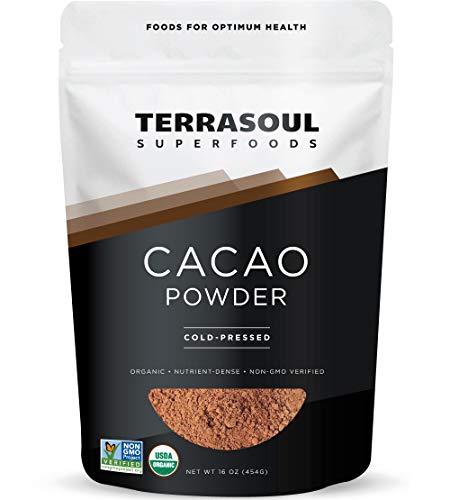
Terrasoul Superfoods Raw Organic Cacao Powder 2 Lbs (2 Pack)

Blommer Black Cocoa Powder

BBF Organic Chia Seeds 32 Oz

BetterBody Foods Organic Cacao Powder 16 oz

OHM Organic Cacao Powder Raw Unsweetened 33 Servings
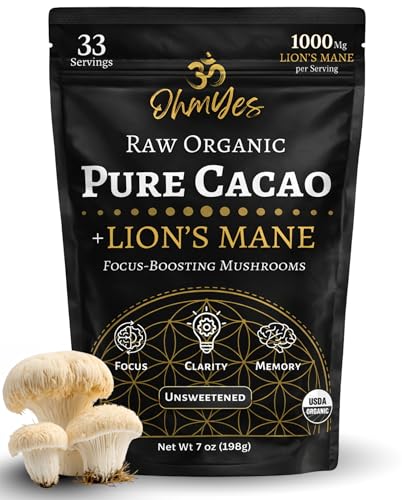
OhmYes Lion’s Mane Mushroom Cacao 33 Servings

OhmCacao Pure Cacao and Javaberry Honey Bundle
What Each Pick Brings To The Table
For many home bakers, this is the canister that taught them what cocoa powder does in the first place. The two-pack format means you keep a backup on the shelf, which matters during holiday baking stretches when one tin always seems to run out mid-recipe.
It is a straightforward natural cocoa, which means it is acidic and pairs naturally with baking soda for lift in cakes and quick breads. The flavor lands squarely in the middle of the road, familiar enough that family recipes written decades ago will still taste the way you remember them. If you tend to bake from old cookbooks or recipe cards, this kind of classic profile is exactly what those formulas expect.
Everyday Wins
- Two-pack format keeps a spare tin on hand during heavy baking seasons.
- Neutral, balanced cocoa flavor that works in everything from brownies to hot cocoa.
- Natural acidity (pH around 5) reacts with baking soda, so older leavened recipes rise as written.
- Kosher certification and a familiar grocery-store footprint make it easy to swap in mid-recipe.
Things To Consider
- The flavor is mild, so bakers chasing deep, dark chocolate intensity may find themselves doubling the amount.
- Packaging can vary in how well it seals, so storing it in an airtight container helps preserve aroma.
Feature Snapshot
Right Fit For
Home bakers who lean on traditional American recipes and want a reliable, easy-to-find cocoa that mirrors what older formulas were developed around.
Skip It When
You want the bold, almost-black color of Dutch-process work, in which case the Blommer Black Cocoa Powder covered later will be a stronger match.
This pick breaks the pattern on purpose, because cocoa powder is rarely the only fat-soluble decision in a chocolate bake. A neutral, high-heat oil like this refined avocado oil lets the cocoa flavor stay center stage rather than getting muddied by a strongly flavored butter or olive oil.
For bakers working on gluten-free or dairy-free cakes, where cocoa often has to carry more of the richness, the absence of a strong background flavor is a genuine asset. The 33.8 fl oz size suits a household that also sautés, roasts, and dresses salads, so the bottle earns its place beyond the baking shelf.
A Few Highlights
- Refining strips the green color and grassy notes, leaving a clean, neutral oil for baking.
- High smoke point makes it forgiving for recipes that briefly heat the fat with cocoa.
- Large bottle format works for kitchens where one oil pulls duty across baking, frying, and dressings.
- Non-GMO positioning fits well with cleaner-label baking routines.
Points To Note
- It is not a cocoa product itself, so it complements rather than replaces the powders on this list.
- The light flavor is an asset in chocolate baking but can feel flat in savory dishes that benefit from a peppery olive oil.
Who It Suits Best
Bakers building dairy-free or plant-forward chocolate recipes who want a neutral fat that will not fight the cocoa for attention.
Consider Something Else When
You bake primarily with butter and want a cocoa that brings strong, single-note flavor on its own, in which case the BetterBody Foods Organic Cacao Powder is a tighter fit.
Where the Nestle tin favors a single weekend project, this Terrasoul two-pack is built for bakers who go through cocoa at a steady clip. Two pounds per pouch means smoothie bowls, hot chocolate, and energy bites can all draw from the same stockpile without anxiety about running low.
Because the powder is raw and cold-milled, you are getting a more vivid, slightly fruity cacao character than you would from a heavily roasted cocoa. That makes it a strong match for recipes where chocolate is the lead flavor, like no-bake bars, raw desserts, and grain-free treats that do not get masked by long bake times.
Useful Strengths
- Two-pound pouches keep active bakers supplied through several months of regular use.
- Raw, cold-milled processing preserves more of the bean character than heavily roasted options.
- Organic and vegan certifications line up with common dietary preferences.
- Versatile across drinks, smoothies, and no-bake recipes, not just oven work.
Honest Caveats
- Raw cacao is more acidic, so swapping it one-for-one into a recipe that uses baking powder can throw off leavening.
- The flavor is bolder and more bitter, which may need extra sweetener in kid-friendly bakes.
- Large pouches benefit from decanting into a sealed container to keep moisture out.
Quick Facts
Made For
Bakers who split time between the oven and the blender, and want a single pantry staple that serves raw treats, drinks, and baking alike.
Look Elsewhere When
You want a deeply roasted, smooth cocoa for traditional butter-based cakes, where the OHM Organic Cacao Powder covered below brings a mellower, more dessert-leaning profile.
Black cocoa is the powder that gives sandwich cookies their inky color and almost charcoal appearance. The Blommer offering is the kind of ingredient you reach for when a project hinges on visual drama as much as flavor, think ice cream sandwich wafers, Halloween cakes, and dark mirror glazes.
The fat content sits in the 10 to 12 percent range, which is meaningful because it shapes both mouthfeel and how the powder blends into batters. In a one-pound container, it is sized for a few small but high-impact projects rather than daily baking, and that is the right way to use it.
Reasons It Performs
- Produces the deep, near-black color that defines Oreo-style sandwich cookies.
- Strong visual impact for themed cakes, Halloween bakes, and dessert plating.
- 10 to 12 percent fat supports smoother incorporation into batters and doughs.
- One-pound size suits hobby bakers who use it occasionally rather than weekly.
Where It May Fall Short
- Flavor is intentionally mild, so combining it with a stronger cocoa often delivers better taste.
- Heavy visual effect can overwhelm lighter frostings and delicate desserts if used at full strength.
Best Suited To
Bakers focused on presentation-led projects where color contrast and dramatic dark tones matter more than a complex chocolate flavor.
Not Your Match When
You mostly want everyday chocolate flavor, in which case the Nestle Toll House Baking Cocoa delivers a more familiar taste at a lighter color.
Chia seeds are not a cocoa powder, but they show up in chocolate baking often enough to deserve a place in this conversation. In egg-free and vegan bakes, a chia gel stands in for eggs, and the seeds themselves add a quiet nutritional lift without competing with the chocolate flavor.
The 32-ounce pouch is sized for households that bake, blend, and prep overnight oats on a regular cadence. Because chia is flavor-neutral, you can fold it into cocoa-heavy recipes without worrying that it will turn the dessert grassy or seedy.
Notable Upsides
- Flavor-neutral profile blends cleanly into cocoa-heavy batters and drinks.
- Works as an egg replacer in vegan chocolate cakes and brownies when mixed into a gel.
- Large pouch format suits pantries that use chia across multiple recipes each week.
- Organic certification pairs well with cleaner-label baking routines.
Less-Strong Areas
- Adding too much can change the texture of baked goods, so recipes call for measured amounts.
- Once opened, the bag benefits from a clip or transfer to a sealed jar to keep the seeds fresh.
Perfect Match For
Vegan and egg-free bakers building out a chocolate dessert that needs structure without dairy or traditional binders.
Another Choice May Suit
You bake classic, egg-based recipes most of the time, in which case the BetterBody Foods Organic Cacao Powder is the more central pick on this list.
BetterBody Foods’ organic cacao sits in a comfortable middle ground between the raw, high-flavanol powders and the more processed grocery-store staples. The 16-ounce bag is friendly to a small household that bakes a few times a month without committing to bulk storage.
It markets itself as a lower-fat, fewer-calorie alternative to traditional cocoa, and that positioning tracks with how it behaves in baking. The flavor is rich without being harsh, and the powder disperses smoothly into batters when sifted first, which is a small habit that pays off in texture.
The Upside
- Rich chocolate flavor that works in both sweet bakes and hot drinks.
- Organic, non-GMO, and gluten-free labels cover several common dietary preferences.
- 16-ounce size is approachable for households without bulk storage space.
- Less processed than Dutch cocoa, so it retains more of the bean’s natural character.
Small Caveats
- Like most organic cacaos, it can clump if scooped straight from the bag, so sifting helps.
- The flavor is bolder than grocery-store cocoa, so older family recipes may need sugar adjustments.
Key Product Details
Who Should Grab It
Bakers who want a noticeable flavor upgrade from grocery-store cocoa without moving all the way to a raw, single-origin powder.
Reach For A Different Pick When
You specifically need alkalized cocoa for European-style pastries, in which case the Blommer Black Cocoa Powder on this list offers a more processed, low-acidity option.
OHM’s cacao leans into the sourcing side of the category, with Peruvian single-origin beans and a non-alkalized, low-temperature milling process. Non-alkalized means the powder is not Dutch-processed, so it keeps a brighter acidity and a fuller range of naturally occurring cocoa flavanols, the plant compounds credited with much of chocolate’s reputation.
The 33-serving size is more about drinks and small bakes than it is about feeding a stand mixer full of batter. That focus shows up in how fine the grind is, which helps it dissolve quickly in milk or hot water for a quick mug of cocoa without grittiness.
Practical Advantages
- Heavy-metal testing on every batch addresses a concern many bakers have about cacao sourcing.
- Non-alkalized processing preserves the cocoa’s natural acidity and flavanol content.
- Peruvian single-origin sourcing gives a consistent flavor profile you can plan recipes around.
- Fine grind mixes smoothly into hot drinks and smoothies with minimal residue.
Some Limits To Know
- The price per ounce sits above grocery-store options, which matters if you bake in volume.
- Acidic profile means it does not substitute one-for-one in recipes that assume Dutch-process behavior.
Whose Shelf It Belongs On
Home bakers who care about ingredient sourcing and want a transparent, tested cacao for smaller, more deliberate recipes.
A Better Fit Elsewhere
You primarily bake traditional American-style cookies and cakes in volume, where the Nestle Toll House Baking Cocoa is a more cost-effective base.
This pick crosses from the baking shelf into the morning-routine shelf. The blend combines raw organic cacao with lion’s mane mushroom powder, which is a fungus often used in coffee and tea blends for its earthy, non-beany flavor. There are only two ingredients, which keeps the flavor cleaner than a lot of flavored cocoa mixes.
For bakers, it works best as an accent ingredient, sprinkled into a smoothie, stirred into a mug of warm milk, or folded into no-bake energy bites. It is less practical as a primary baking cocoa because the lion’s mane flavor becomes more noticeable when you use tablespoons at a time in a cake or brownie batter.
What Makes Sense
- Two-ingredient list keeps the flavor profile clean and additive-light.
- Unsweetened, sugar-free format lets you control sweetness in drinks and recipes.
- 33-serving canister supports a daily mug-of-cocoa routine without constant repurchasing.
- Raw cacao base preserves more of the bean’s natural character than Dutch-processed options.
Points To Keep In Mind
- Lion’s mane adds an earthy note that may not appeal in traditional chocolate desserts.
- Better suited to drinks and small portions than as a primary baking cocoa.
Built With In Mind
Home kitchens that want a single canister to cover morning drinks, smoothie boosters, and small no-bake treats without multiple specialty ingredients.
Swap It Out When
You need a cocoa that disappears into standard cake and brownie recipes, where the BetterBody Foods Organic Cacao Powder behaves more like a classic baking staple.
The bundle pairs a 7-ounce pouch of the same OHM cacao covered earlier with a 250-gram jar of Javaberry raw coffee blossom honey. Coffee blossom honey has a darker, more caramel-leaning sweetness than clover honey, which is why it shows up so often alongside chocolate in dessert pairings.
Used together, they lean toward ceremonial-style hot cocoa and drizzling applications rather than oven baking. You can still fold the honey into brownie batter, but the price-per-ounce of a flavored honey means most shoppers will want to use it sparingly where its floral notes can land clearly.
The Value In It
- Two complementary ingredients in one shipment, which simplifies a small ritual routine.
- Raw cacao base and minimally processed honey keep the ingredient list short.
- Coffee blossom honey adds a darker, more complex sweetness than standard clover honey.
- Pairs naturally with the OHM cacao covered earlier for drinkers who want a matched set.
Trade-Offs To Consider
- The honey’s distinctive flavor can clash with recipes that expect a neutral sweetener.
- Both components are premium-priced, so the bundle costs more than a single canister of cocoa.
Who Will Love This
Drink-focused cocoa drinkers and small-batch bakers who want a ready-made pairing for slow weekend mugs and dessert plates.
Where Another Pick Suits Better
You mostly need volume for everyday baking, where the Terrasoul Superfoods Raw Organic Cacao Powder gives you more cacao for the same shelf footprint.
What Matters Most Before Choosing Cocoa Powders For Baking
Natural Versus Dutch-Process
Natural cocoa is acidic, with a pH around 5, which is why it reacts with baking soda in older leavened recipes. Dutch-process cocoa has been treated with an alkaline solution to neutralize acidity, smooth out flavor, and deepen the color. The two are not always interchangeable, and a quick check of your recipe’s leavener tells you which type to reach for.
Flavor And Color Intensity
Lightly processed, single-origin powders tend to bring brighter, fruitier notes and a more reddish-brown color, which shows up in raw cacao options like the Terrasoul and OHM picks. Heavily Dutched powders sit at the other end of the spectrum, with a darker color and a more rounded, less bitter profile. Black cocoa goes further still, producing the near-black color of sandwich cookies.
Sourcing And Testing Practices
Cacao is a crop that can accumulate heavy metals from the soil, which is why some brands publish heavy-metal testing on every batch. Single-origin sourcing narrows the flavor profile and makes recipes more repeatable, while organic certification covers pesticide and processing concerns. These details matter more if you bake with cacao daily rather than occasionally.
Practical Format And Storage
Baking cocoa comes in everything from 8-ounce tins to 2-pound pouches, and the right size depends on how often you bake and how much storage space you have. Pouches and large bags benefit from decanting into airtight containers, since cocoa loses its aromatic top notes quickly once exposed to air and moisture.
What The Higher Tier Buys In This Category
Pitfalls Shoppers Hit
The most common mistake is swapping natural and Dutch-process cocoa one-for-one without thinking about the leavening. A cake built around baking soda can collapse if the cocoa’s acidity has been neutralized, and a baking powder recipe can taste flat if the cocoa is more acidic than expected. Reading the recipe’s leavener before you swap saves a lot of trouble.
A second pitfall is chasing darker color without checking the fat content. Black cocoa is bold visually but mild in flavor, so a recipe that needs deep chocolate taste often pairs it with a fuller-flavored powder rather than using it solo.
Where The Extra Money Goes
Premium cacao powders tend to spend their budget on single-origin sourcing, lower-temperature milling, and batch-level heavy-metal testing. That matters most when cacao is a daily ingredient rather than a once-a-month addition, since the cumulative exposure to whatever is in the powder becomes a bigger factor. The upgrade also tends to bring more repeatable flavor, which helps when you are refining a recipe you want to bake the same way every time.
Frequently Asked Questions
What Is The Difference Between Cocoa And Cacao Powder?
The terms are often used interchangeably, but cacao generally refers to powder made from raw, unroasted beans, while cocoa is the roasted version. Flavor, color, and nutrient content can shift depending on which path the beans took.
Can I Use Dutch-Process Cocoa Instead Of Natural In Any Recipe?
Not always. Dutch-process cocoa is less acidic, so recipes that rely on baking soda for leavening may not rise properly. Match the cocoa type to the leavener your recipe calls for.
Does Black Cocoa Taste The Same As Regular Cocoa?
Black cocoa is milder and slightly smoky, with a more roasted profile. Many bakers blend it with a stronger cocoa to balance flavor while keeping the dramatic dark color.
How Should I Store Cocoa Powder To Keep It Fresh?
Keep it in a cool, dry place sealed tightly, and consider decanting large pouches into an airtight jar. Properly stored cocoa can stay fresh for a year or more, though flavor fades gradually.
Is Cacao Powder Better For You Than Cocoa Powder?
Cacao is often marketed as more nutrient-dense because it is less processed, but both contain antioxidants and minerals. The bigger health difference usually comes from added sugar and fat in the final recipe, not the powder itself.
Closing Remarks
The right cocoa powder depends less on which brand is most beloved online and more on what you actually bake. A weekday brownie baker has different needs than a weekend ceremonial cocoa drinker, and the picks above are built to serve both. Start with how you use cocoa today, then match the canister to that habit, and the rest of the recipe falls into place.
