

A great brownie lives and dies by its cocoa. The right powder pulls double duty, lending deep color, that bittersweet backbone, and enough fat to keep crumb tender rather than chalky. Walk down the baking aisle and the choices multiply fast: Dutch-processed, natural, raw cacao, black cocoa, single-origin, alkalized, and the occasional superfood blend with lion’s mane thrown in for good measure.
This roundup is for home bakers chasing better brownies. Whether you bake a tray once a month or run a small cookie business out of your kitchen, the picks below cover the spectrum from everyday grocery-store staples to single-estate cacao. Each one earns its spot for a specific reason, and each one comes with an honest note about where it might not be the right fit.
The Choices Worth Comparing

Nestle Toll House Baking Cocoa 8 oz 2-Pack

Blommer Black Cocoa Powder

Droste Dutch Style Cocoa 8.8 oz 3-Pack

One Farm by WAAYB Organic Cacao 2.6 oz Jar

One Farm by WAAYB Organic Cacao 1 lb Bag

Rodelle Gourmet Baking Cocoa 25 oz

OHM Cacao Organic Raw Cacao Powder

One Farm by WAAYB Organic Cacao Nibs 7 oz
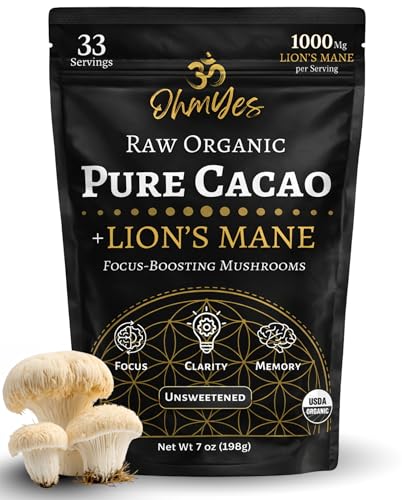
OhmYes Lion’s Mane Mushroom Cacao

OHM Cacao + Javaberry Raw Honey Bundle
What Each Pick Brings To The Table
The Nestle Toll House cocoa is the kind of canister that quietly lives in half the pantries in America, and there’s a reason. Marketed as 100% pure cocoa and built for baking, it slots into a basic brownie recipe without any recalibration, which matters when you’re baking for kids or feeding a crowd that expects a familiar chocolate flavor rather than a craft chocolate bar.
It’s natural cocoa, so it leans acidic and fruity rather than mellow. That profile pairs well with baking soda, which is the leavener most brownie recipes already call for. In a standard box-mix-style brownie or a simple scratch recipe, the result is the deep, slightly sharp chocolate taste most people picture when they imagine a homemade brownie.
The Helpful Details
- Widely available at grocery retailers, so restocking is easy
- Two-pack format stretches further than a single canister for regular bakers
- Pairs naturally with baking soda-based brownie recipes
- Cost per ounce tends to land lower than specialty single-origin options
Things To Consider
- Flavor sits closer to mass-market cocoa than to craft chocolate, so it lacks complex top notes
- Natural acidity means it doesn’t behave the same as Dutch-process in alkalized recipes
Made For
Home bakers making classic scratch brownies who want predictable, familiar results at an approachable cost.
Consider Something Else When
Shoppers chasing single-origin complexity or darker color should look at Blommer Black Cocoa Powder instead.
Blommer’s black cocoa is the powder that gives Oreo cookies their signature look, and that visual punch translates straight into brownies. Sold by WinCrest Bulk Foods in 1 lb, 2.5 lb, and 5 lb sizes, it’s a heavily Dutched cocoa with a fat content sitting around 10 to 12 percent, which keeps the crumb moist even at high ratios.
Reach for this one when you want a brownie that reads as nearly black on the plate, with a flavor that leans toward roasted cocoa rather than bright fruit. Most bakers blend it 50/50 with a regular Dutch cocoa, since going full-strength can mute the chocolate flavor into something more charcoal-like. Used judiciously, it’s a dramatic upgrade over a standard cocoa.
Useful Touches
- Delivers the deep, almost black color you see in bakery-style brownies
- Fat content around 10 to 12 percent helps keep the crumb fudgy
- Available in 1, 2.5, and 5 pound sizes for high-volume kitchens
- Works in both cookies and brownies for dramatic visual contrast
Trade Offs
- Pure black cocoa on its own tastes more roasted than chocolatey, so most recipes need a partner powder
- Bulk sizes can clump in humid kitchens if not sealed tightly after opening
Feature Snapshot
Right Fit For
Bakers chasing dramatic dark color and a roasted-cocoa flavor who don’t mind blending it with a second powder.
Look Elsewhere When
Beginners who want a one-bag, no-blending solution will find Droste Dutch Style Cocoa easier to use straight from the canister.
Droste is the cocoa that turned up in Dutch grandmothers’ kitchens long before American bakers caught on, and the 3-pack of 8.8 ounce boxes is a familiar format on American retail shelves. Marketed as a gourmet Dutch dark cocoa, it carries that signature smooth, mellow profile that comes from alkalization, the process that washes out the sharp acids natural cocoa contains.
For brownie bakers, that translates to a softer, rounder chocolate flavor without the bright fruity top notes of a natural cocoa. It dissolves easily into batters and pairs well with baking powder rather than baking soda. The three-box format also keeps the powder fresh, since opened cocoa loses aroma faster than most pantry staples.
Points In Its Favor
- Smooth, low-acidity flavor works well in baking-powder-leavened brownie recipes
- Three-box pack keeps each canister fresh until you need it
- Trusted European brand with a long baking heritage
- Also dissolves smoothly into milk for a rich hot cocoa
Points To Note
- Alkalized profile means it’s not a drop-in for recipes specifically calling for natural cocoa
- Smaller box size may run out quickly for weekly bakers
Best Suited To
Bakers who want a European-style, mellow chocolate flavor and are willing to follow Dutch-process recipes rather than swapping in any random brownie.
Skip It When
Someone needing a bulk, single-canister option for high-volume baking should look at Rodelle Gourmet Baking Cocoa 25 oz.
One Farm by WAAYB’s smaller 2.6 ounce jar is the entry point into their single-estate Rizek cacao, sourced from a vertically integrated farm in the Dominican Republic. The brand markets it as raw, organic, and non-GMO, with a fair-trade supply chain that traces back to the farm itself rather than a generic cooperative.
Raw cacao behaves differently from Dutch-process in brownies. Because it isn’t alkalized, it keeps more of its natural fruit and floral notes, and it carries a slightly more bitter edge that some bakers love and others find too sharp. The small jar format works well for testing the flavor before committing to a bigger bag.
Practical Advantages
- Single-estate traceability from a Dominican Republic farm
- Small jar size suits recipe testing or occasional bakers
- Raw, non-alkalized profile preserves more natural cacao character
- Resealable packaging helps preserve aroma between uses
Worth Noting
- 2.6 oz is small for anything beyond a few batches of brownies
- Raw, unalkalized profile can read as bitter in a sugar-light brownie
Key Product Details
Who It Suits Best
Bakers experimenting with single-origin flavor profiles who want a small jar to test before buying in bulk.
Another Choice May Suit
High-volume bakers wanting the same farm-direct supply should consider One Farm by WAAYB Organic Cacao 1 lb Bag.
The 1 pound version of the same single-estate Rizek cacao is built for bakers who have already run the experiment and want the same farm-direct supply in a larger format. It comes in a resealable bag, which matters because raw cacao loses its aromatic edge faster than alkalized versions once exposed to air.
Compared to the smaller 2.6 oz jar, this bag carries the same flavor profile and the same farm credentials, just at a friendlier cost per ounce. For a serious brownie baker, that ratio starts to matter fast. A typical 9×13 pan of brownies pulls 3/4 cup of cocoa, so a 1 lb bag covers roughly eight to ten full batches.
What It Does Well
- 1 lb size lowers cost per ounce for frequent bakers
- Same single-estate traceability as the smaller jar
- Resealable bag keeps aroma locked in between uses
- Raw profile complements recipes that lean on baking soda for leavening
Soft Spots
- Raw, unalkalized flavor needs careful sugar balance to avoid bitterness
- 1 lb is a lot of powder to use before the bag’s aroma fades
Perfect Match For
Frequent home bakers committed to single-origin, raw cacao who bake through a bag in a reasonable window.
Reach For A Different Pick When
Bakers who prefer a smoother, less bitter chocolate profile may prefer the alkalized Rodelle Gourmet Baking Cocoa instead.
Rodelle’s 25 ounce canister is built for the baker who runs through cocoa faster than a small jar can keep up with. Marketed as a gourmet cocoa processed with alkali to reduce acidity, it carries the smooth, low-acid profile of a Dutch-process cocoa without sliding into the heavy roast territory of a black cocoa.
The big canister size is the headline here, since most home baking cocoas ship in 8 ounce tins. A 25 ounce container covers roughly thirty to thirty-five batches of standard brownies, depending on recipe. Rodelle is also a name that has become familiar in American kitchens, so the recipe support is solid.
What Earns Its Place
- 25 ounce size covers heavy bakers for months at a stretch
- Dutch-process profile pairs with baking powder in most brownie recipes
- Made from 100 percent cacao, with no added sugar or fillers
- Recognizable baking brand with broad recipe support
Honest Caveats
- Bulk canister can sit long enough for aroma to fade in casual kitchens
- Alkalized profile won’t behave like natural cocoa in soda-leavened recipes
Spec Overview
Whose Shelf It Belongs On
Serious home bakers who pull a tray of brownies every week or two and want a single canister that lasts.
Where A Sibling Pick Shines
Bakers who want traceable single-estate cacao instead of a mainstream brand should look at One Farm by WAAYB Organic Cacao 1 lb Bag.
OHM Cacao markets this powder as a Peruvian-sourced, organic, raw, and non-alkalized cacao with batch-level heavy-metal testing for cadmium and lead. That’s a specific set of priorities, and for bakers with strong opinions about clean-label ingredients, it answers a real concern about contamination in commodity cocoa.
The brand also highlights that the powder is milled at low temperatures to preserve naturally occurring flavanols, the antioxidant compounds that get degraded by high-heat Dutch processing. For a brownie recipe, that means a more astringent, fruit-forward chocolate flavor that needs confident sweetening to land. In a well-balanced brownie, it produces something closer to a European dark-chocolate cake than an American bakery brownie.
What Helps Most
- Batch-level testing for heavy metals like lead and cadmium
- Non-alkalized, low-temperature milling preserves flavanol content
- Organic, single-ingredient powder with no fillers or sweeteners
- Sourced from named Peruvian farms for traceable origin
Possible Compromises
- Flavor leans bitter and astringent compared to Dutch-process cocoa
- Powder drinks mix category placement hints at a finer, drink-oriented grind
Who Will Love This
Clean-label bakers and parents who care about heavy-metal testing and want full traceability on a single-ingredient product.
Not Your Match When
Bakers wanting a smoother, mellower chocolate flavor should choose Droste Dutch Style Cocoa instead.
Cacao nibs are the cracked, roasted fragments of crushed cacao beans, and One Farm by WAAYB’s 7 ounce bag carries the same single-estate Dominican Republic sourcing as their cacao powder. Sourced directly from the same vertically integrated farm, the nibs are unsweetened, raw, and vegan, with an earthy, mildly bitter profile.
Strictly speaking, nibs aren’t a cocoa powder, but they belong in the brownie conversation. Stir a generous handful into your batter before baking and you get crunchy, chocolate-forward bites scattered through the fudgy crumb. They also work as a topping sprinkled on top before the pan goes in the oven, where they toast lightly under the heat.
Everyday Perks
- Adds texture and crunch to otherwise smooth brownie batters
- Same single-estate Dominican Republic sourcing as the WAAYB powder line
- Vegan, gluten free, and non-GMO with no added sugar
- Works as both a mix-in and a topping depending on the recipe
Where It Is Less Suited
- Not a direct replacement for cocoa powder in a standard recipe
- Crunchy texture can feel out of place in a classic smooth-crumb brownie
Built With In Mind
Bakers loading up their brownies with mix-ins who want a farm-traceable crunch on top of the chocolate base.
Swap It Out When
Anyone looking for the actual cocoa powder should pick up One Farm by WAAYB Organic Cacao 1 lb Bag instead.
OhmYes blends raw organic cacao with lion’s mane mushroom powder, two USDA Organic ingredients and nothing else. Marketed as a sugar-free, high-flavanol drink mix, it leans into the “functional food” side of the cacao category rather than the pure-baking side.
For brownies, that means the lion’s mane is a quiet addition. You’ll taste the cacao more than the mushroom, but the powder absorbs liquid differently than straight cocoa, so a recipe may need a small bump in flour or fat to keep the crumb from drying out. As a baking experiment, it’s more interesting than a swap-in, and it shines in anything that doubles as a snack and a focus aid.
Real Benefits
- Two-ingredient list with USDA Organic cacao and lion’s mane
- Raw cacao retains more naturally occurring flavanols than Dutch-process
- Sugar free, sweetener free, and filler free
- 33 servings per bag stretches well for repeated use
Things That May Matter
- Lion’s mane is a culinary experiment, not a traditional brownie ingredient
- Absorption differs from plain cocoa, so recipes may need adjustment
Who Should Grab It
Experimental bakers curious about functional ingredients who don’t mind tweaking a recipe to fit an unusual powder.
A Better Fit Elsewhere
Bakers wanting a classic brownie should reach for Nestle Toll House Baking Cocoa 8 oz 2-Pack for predictable results.
This bundle pairs a 7 ounce bag of OHM Cacao’s Pure Cacao Powder with a 250 gram jar of Javaberry Raw Coffee Blossom Honey, which is honey infused with coffee fruit extract. The pairing is built around the “cacao ritual” framing rather than straight baking, but the two ingredients work nicely together in a brownie context.
Substitute the floral coffee-blossom honey for the sugar in a recipe, and the brownies pick up a darker, slightly bitter sweetness that complements the raw cacao. The cacao itself carries the same non-alkalized, low-temperature milling as OHM’s standalone powder, with naturally occurring flavanols, magnesium, and iron from the unprocessed beans.
Features That Help
- Pairs raw cacao with a coffee-blossom honey designed to complement it
- Honey substitute gives brownies a deeper, more complex sweetness
- Cacao milled at low temperatures to preserve naturally occurring nutrients
- Bundle format covers both sweetening and chocolate in one purchase
Less-Strong Areas
- Honey format means measuring by weight or liquid volume rather than dry sugar
- Raw cacao flavor reads more bitter than Dutch-process in a standard recipe
The Right Fit
Bakers experimenting with honey-sweetened and raw-cacao brownies who want a curated pair rather than a standalone bag.
Where Another Pick Suits Better
Anyone wanting a straightforward bag of cocoa for a traditional recipe will find Nestle Toll House Baking Cocoa easier to measure and bake with.
Picking The Right Cocoa For Your Baking Style
A cocoa powder is more than the chocolate flavor in your brownie. It drives the leavening reaction, the crumb texture, the color, and how sweet the finished product reads. Picking the right one starts with matching the powder to the recipe, not the other way around.
Natural versus Dutch-process cocoa. Natural cocoa carries more acidity, which reacts with baking soda to lift the batter. Dutch-process cocoa is washed with alkali, which neutralizes that acid and shifts the color to a darker brown. If your brownie recipe calls for baking soda, a natural cocoa is the safer swap. If it calls for baking powder or a mix of the two, a Dutch-process cocoa will land closer to the recipe’s intent.
Fat content and mouthfeel. Cocoa powders sit anywhere from about 10 percent fat up to roughly 22 percent fat. Higher fat generally means a more chocolatey, fudgy crumb and easier dissolution into butter or oil. Lower fat powders feel drier and benefit from extra butter in the recipe. Black cocoa like Blommer sits in the lower-fat zone, which is why most bakers pair it with a higher-fat cocoa for brownies.
Flavor intensity and color. Black cocoa brings a near-black color and a roasted, almost coffee-like note. Regular Dutch cocoa gives a deep brown color and a smooth, mellow chocolate. Natural cocoa gives a lighter brown and a brighter, more acidic edge. Each one suits a different style of brownie, from the dramatic dark-tray look to the classic back-of-the-box family dessert.
Single-origin versus blended. Single-estate and single-origin cocoas tend to carry more distinctive flavor notes, sometimes floral, fruity, or nutty. Blended grocery-store cocoas aim for a neutral, broadly appealing chocolate flavor. Specialty cocoas reward bakers willing to taste and adjust; mainstream cocoas reward bakers who want a recipe to behave exactly as written.
Key Considerations Across These Picks
Common Shopping Slip Ups
The most frequent mistake is swapping natural and Dutch-process cocoa in a recipe that depends on acid-alkali balance. The brownies still bake, but they turn out denser, flatter, or off-flavor. Read the recipe’s leavener first, then pick the powder that matches.
What The Higher Tier Buys
Premium single-estate and organic cacao powders cost more because the supply chain is shorter, the farm is traceable, and the processing is gentler. For a baker who values flavor nuance, clean-label sourcing, or both, that upgrade pays off in the finished brownie. For a baker baking through a pan a week for school lunches, a mainstream Dutch-process powder delivers more value per ounce.
Frequently Asked Questions
Should I use natural or Dutch-process cocoa for brownies?
It depends on the recipe. Natural cocoa pairs with baking soda, while Dutch-process cocoa pairs with baking powder. Match the powder to the leavener the recipe calls for, and your brownies will rise and taste the way the recipe intended.
Can I mix two different cocoa powders together?
Yes. Many bakers blend a Dutch-process cocoa with a black cocoa to get deep color without losing all the chocolate flavor. A 50/50 mix of Blommer and a standard Dutch cocoa is a common starting point.
What is raw cacao powder, and is it different from cocoa?
Raw cacao powder is made from unroasted or lightly processed cacao beans, while cocoa powder is typically roasted. Raw cacao keeps more of the natural fruit notes and flavanols, but it also reads more bitter in a sugar-light recipe.
How long does cocoa powder stay fresh in the pantry?
Most cocoa powders keep their flavor well for about two to three years when stored in a cool, dry place away from light. Once opened, a tightly sealed bag or canister preserves the aroma longer than a loosely folded one.
Why do some brownie recipes taste better with a specific cocoa?
Cocoa powders vary in fat content, acidity, and processing, all of which change how a brownie rises, sets, and tastes. A recipe is usually developed around a specific cocoa style, so swapping in something very different shifts the balance of the whole pan.
Closing Remarks
Better brownies usually start with a cocoa that matches the recipe, the leavener, and the baker’s flavor priorities. Natural cocoa delivers bright and classic, Dutch-process delivers smooth and mellow, and black cocoa delivers drama. Specialty single-estate cacao adds traceable flavor for bakers who care where their beans come from. Match the powder to the bake, taste as you go, and the rest falls into place.
