

There’s a moment on a cold evening when a cup of hot chocolate stops being a beverage and becomes a small ritual. You want rich flavor, real cocoa depth, and a format that fits your routine, whether that’s a quick packet stirred into milk or a slow-brewed pot that fills the kitchen with the smell of dark chocolate. The picks below cover both ends of that spectrum, from sweetened cocoa mixes to raw cacao powders and even ground cacao that brews like coffee.
A Side-By-Side Look

Nestle Toll House Baking Cocoa 8 oz 2 pk

Swiss Miss Milk Chocolate Hot Cocoa Mix 50-ct
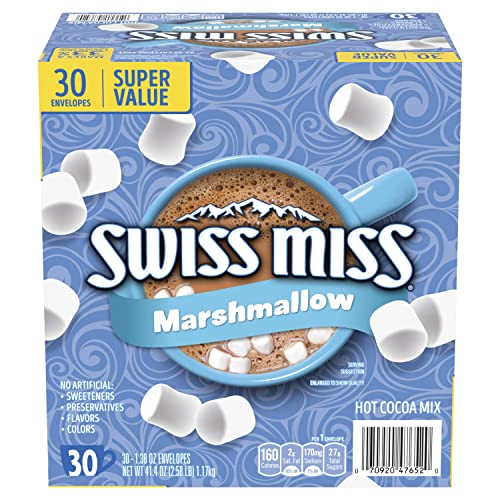
Swiss Miss Hot Cocoa Mix With Marshmallows 30-ct

Blommer Black Cocoa Powder

Droste Dutch Style Cocoa Powder 8.8 oz 3-Pack

Terrasoul Superfoods Organic Cacao Powder 3-Pack

Rodelle Gourmet Baking Cocoa 25 oz

Crio Bru Ghana French Roast 10 oz Bag

Crio Bru Double Chocolate Light Roast 10 oz
A Deeper Look At The Lineup
You probably already have a box of this tucked behind the flour. Nestle Toll House baking cocoa is one of those quiet pantry workhorses that shows up in brownie recipes, chocolate cakes, and the occasional after-dinner mug.
The two-pack format keeps a backup on hand, which matters if you bake often. Stir a tablespoon into warm milk with sugar and you get a no-fuss hot cocoa that leans more toward classic baking chocolate than barista-grade dark drinking chocolate.
Why It Works Well
- 100% pure cocoa with no added sugar, so you control the sweetness in your mug
- Two-pack value means you won’t run out mid-recipe
- Doubles as both a baking ingredient and a base for homemade hot cocoa
- Kosher certified, which matters for households with dietary preferences
Things To Consider
- Unsweetened, so it needs sugar or sweetener added for a traditional cocoa taste
- Flavor skews baking-friendly rather than drinking-optimized, which a few drinkers may find flat
Who It Suits Best
Home bakers who also want a simple base for an occasional mug will get the most mileage from this familiar pantry pick.
Consider Something Else When
Swiss Miss Milk Chocolate Hot Cocoa Mix suits you better if you want a pre-sweetened, no-stirring packet ready in seconds.
Fifty packets in a single box is the kind of supply that quietly lasts a full winter. You can stash them in the office drawer, the kids’ lunch area, or a ski-house cabinet without worrying about restocking.
Swiss Miss has a name most households trust, and the milk chocolate flavor delivers the warm, creamy, sweet profile that many people picture when they think of cocoa for drinking. Compared to the Nestle Toll House powder above, this is the grab-and-mix option rather than a baking ingredient.
Positive Points
- Bulk 50-count format keeps your pantry covered for months
- Individual packets mean no measuring and consistent flavor every time
- Quick prep works for tired weeknights, dorm rooms, or office break rooms
- Widely available and easy to find in many pack configurations
Worth Noting
- Pre-sweetened, so adjusting the sugar level means adding cocoa on your own
- Lightweight packets can crush inside the box during shipping, which owners commonly report
Made For
Large households, shared offices, and anyone who wants warm mugs on standby without any prep work.
Look Elsewhere When
Terrasoul Superfoods Organic Cacao Powder is the better shelf if you want an unsweetened, additive-free base for smoothies and clean-label drinks.
Mini marshmallows already tucked into each packet is a small touch that makes a cold night feel handled. The 30-count box is a more modest size than the 50-count above, which suits smaller households or a single season of use.
You get the same Swiss Miss base as the milk chocolate version, with the bonus that you don’t need a separate bag of marshmallows. For kids, sleepovers, and snowy weekend mornings, that built-in sweetness is the main draw.
Where It Delivers
- Built-in marshmallows save a cabinet step
- 30 packets is a manageable size for one- or two-person households
- Same consistent cocoa flavor as the classic Swiss Miss line
- Available in larger count options if you want to scale up later
Trade Offs
- Marshmallows can melt and clump inside the packet over time, which owners commonly mention
- Sugar content runs higher than the plain milk chocolate version
Best Suited To
Parents of marshmallow-loving kids and anyone who treats hot cocoa as a weekend comfort ritual will appreciate the all-in-one packet.
Reach For A Different Pick When
Rodelle Gourmet Baking Cocoa is the right shelf if you want a large bulk canister to spoon from rather than tear-open packets.
Black cocoa is the deepest, darkest style of cocoa you can buy without crossing into specialty chocolate territory. Blommer’s version comes in a 1-pound container, with 2.5- and 5-pound options if you really go through it.
The flavor is intense and almost smoky, which is why it’s famous in dark chocolate cookies. In a mug, that intensity becomes a small batch of drinking chocolate that wakes up milk and cuts cleanly through sugar. Compared to the milder Droste Dutch cocoa further down the list, this one is the loudest cup in the room.
Positive Takeaways
- Highly alkalized for an unmistakable deep color and bold cocoa flavor
- 10 to 12 percent fat content gives a rounder mouthfeel in drinks
- Multi-size options from 1 to 5 pounds for casual or heavy use
- Doubles as a specialty baking cocoa for dramatic-looking desserts
Points To Keep In Mind
- Very low acidity can leave baked goods dry, so recipes sometimes need adjustment
- Strong flavor can overpower a simple mug of cocoa if you overspoon
- Deep color may stain light countertops or clothing if spilled
Who Will Love This
Dark-chocolate devotees who want their drinking cocoa to taste closer to a chocolate bar than a sweet mix will find this a satisfying shelf staple.
Skip It When
Crio Bru Ghana French Roast is a better match for drinkers who want their cocoa brewed like coffee, slow and aromatic, rather than stirred into milk.
Droste is a name that carries weight in European baking, and its Dutch-process cocoa is a step up from the supermarket staples. The triple-box format adds up to a generous supply without taking up much shelf space.
Because it’s Dutch-processed, meaning treated with alkali to mellow acidity, the flavor lands smooth and rounded rather than sharp. A spoonful whisked into warm milk with a bit of sugar is the kind of homemade drinking chocolate that quietly outclasses most packets.
Everyday Wins
- Dutch-process profile creates a smoother, less bitter cup
- Triple-box pack stretches supply for frequent drinkers and bakers
- Versatile for hot cocoa, ganache, and dessert recipes
- Trusted European brand known for consistent quality
Honest Caveats
- Dutch-process alkalization means it won’t always substitute one-for-one in recipes calling for natural cocoa
- Unsweetened, so you dial in sugar, milk, or cream yourself for the right taste
Key Specs
Perfect Match For
Drinkers who want a smoother, more refined homemade cocoa and are happy to stir their own sweetener will appreciate the upgrade from basic baking powders.
Not Your Match When
Nestle Toll House Baking Cocoa is the right call for you if you want a familiar, widely available cocoa that handles all-purpose kitchen tasks without a learning curve.
Three pounds of raw cacao across three pouches is serious supply. If you blend cacao into smoothies, overnight oats, or homemade nut milk on a near-daily basis, you go through a canister fast, and this format solves that.
Raw cacao is the least processed style, which preserves more of the bean’s natural character. The flavor is fruitier and more bitter than Dutch cocoa, so a pinch of salt and a splash of sweetener tend to round it out. For a “morning cocoa” routine, it pairs naturally with milk, oat milk, or warm water and honey.
What Works In Its Favor
- Certified organic, non-GMO, gluten-free, vegan, and keto-friendly label
- Three-pound total supply covers months of daily use
- Raw, unalkalized form suits clean-label and specialty drink recipes
- Works in both hot drinks and cold smoothies without clumping easily
A Few Limitations
- Natural acidity gives a sharper, more bitter taste that some drinkers find challenging
- Bulk pouches need a sealed container to prevent moisture absorption once opened
The Right Fit
Clean-label shoppers, smoothie drinkers, and anyone exploring raw cacao as a daily ritual will get a long shelf life out of this 3-pack.
A Better Fit Elsewhere
Droste Dutch Style Cocoa is the better option if you prefer a mellower, less bitter drinking cocoa without the raw-cacao edge.
A 25-ounce canister is a generous middle ground between the smaller baking tins and the multi-pound bulk options. Rodelle’s gourmet cocoa is processed with alkali, which tames the acidity for a smoother finished drink.
You can scoop it for hot cocoa, dust it on cappuccinos, or use it in any number of baking projects. The 100% cacao label and dark finish point to a richer cup than a packet mix, without the raw-cacao sharpness of something like Terrasoul.
Everyday Advantages
- Large 25-ounce canister supports heavy household use
- Alkali-processed for a smoother, less acidic taste
- 100% cacao with no added fillers or starches
- Works across baking, hot drinks, and dessert recipes
Less Ideal Details
- Bulk size may be more than occasional drinkers realistically use before staleness sets in
- Alkalization means it’s not a drop-in for every recipe that calls for natural cocoa
Quick Facts
Whose Shelf It Belongs On
Frequent bakers and large households who want one canister to cover cocoa, hot drinks, and dessert dusting will see the value in the size.
Swap It Out When
Blommer Black Cocoa Powder is the right swap if you want a much bolder, darker cup that goes in a different flavor direction.
Crio Bru does something different from the rest of this list. Instead of mixing cocoa into milk, you brew ground cacao like coffee in a French press, drip machine, or pour-over setup. The result is a deep, unsweetened drink that smells like a chocolate shop on a winter morning.
The Ghana French Roast is the bolder end of the range, with a richer roast character that holds up against cream or a splash of milk. For drinkers who want a slower, more aromatic cup in the morning, this is a real alternative to coffee with a fraction of the caffeine.
Real-World Strengths
- Brews in any standard coffee maker or French press you already own
- 100% pure ground cacao, no coffee beans involved
- Naturally lower caffeine than a regular cup of coffee
- Range of bag sizes from 10 ounces up to 5 pounds for regular drinkers
Practical Considerations
- No added sweetness, so most drinkers add cream, milk, or a sweetener after brewing
- Needs brewing equipment, which rules out quick single-mug packet convenience
Built With In Mind
Morning drinkers cutting back on coffee and chocolate lovers who enjoy the slow ritual of brewing will find this format a refreshing change.
Another Choice May Suit
Swiss Miss Milk Chocolate Hot Cocoa Mix is the easier swap for you if you just want a fast, sweet mug with no equipment.
The Double Chocolate Light Roast is Crio Bru’s gentlest offering, designed for drinkers who want the brewed-cacao experience without the deep roast intensity of the Ghana blend above. It pours into a softer, sweeter cup, even before you add anything to it.
If you’re new to brewed cacao, this is a comfortable entry point. It also comes in a 3-pack of 10-ounce bags, plus 24- and 48-ounce sizes, so the format scales whether you want to test the waters or commit long-term.
A Favorable Mix
- Lighter roast profile produces a milder, smoother cup than darker blends
- Same brew-it-like-coffee convenience as the rest of the Crio Bru line
- Available in single bags or multi-pack sets for different commitment levels
- Naturally lower caffeine, suitable as an evening wind-down drink
Soft Spots
- Lighter roast won’t satisfy drinkers who want the bold, dark-cocoa punch of the Ghana French Roast
- Ground format means you still need a brewing setup to enjoy it
Who Should Grab It
First-time brewed-cacao drinkers and anyone who finds dark roast cacao too intense will land comfortably in this blend’s range.
Where Another Pick Suits Better
Crio Bru Ghana French Roast is the better pick if you want a stronger roast character and don’t mind a more pronounced cocoa bite.
How To Pick The Right Cocoa For Your Cup
Form Factor Matters More Than Flavor Names
Cocoa for drinking comes in three broad shapes: sweetened packets, unsweetened powders, and ground cacao for brewing. Packets are the fastest path to a warm mug with zero measuring. Unsweetened powders give you control over sugar, milk, and richness. Ground cacao, like the Crio Bru options, opens up a coffee-like ritual for mornings or evenings when you want something aromatic and slow.
For weeknight mugs, packets like the Swiss Miss line barely need a thought. For weekend baking and custom drinking chocolate, an unsweetened powder is the more useful shelf item.
Sweetened vs Unsweetened Changes Everything
A pre-sweetened mix means consistent flavor every time, which is a real plus for kids and shared households. Unsweetened cocoa is the better base if you watch added sugar, use plant milks with their own sweetness, or want to dial in your own cream-to-cocoa ratio.
If you’re splitting time between baking and drinking, an unsweetened cocoa like Nestle Toll House or Rodelle’s canister gives you one product that handles both jobs. For drinking only, a sweetened mix removes a step.
Process Style: Natural, Dutch, or Raw
Natural cocoa is sharp, fruity, and a bit acidic. Dutch-processed cocoa is treated with alkali, which tames the acidity for a smoother, rounder cup. Raw cacao is the least processed and often the most bitter, but it’s the option clean-label and superfood shoppers tend to reach for. The right style depends on whether you want brightness, smoothness, or a minimally processed label.
Format And Storage
Single tins are easy to open but go stale faster once opened. Multi-pack pouches and canisters stretch supply and let you reseal portions. Brewed-cacao grounds need the same airtight care as coffee beans. In humid kitchens, even a good cocoa can absorb moisture and clump, so a sealed container or clip-bag is a useful accessory no matter which format you pick.
Key Considerations Across These Picks
Pitfalls Shoppers Hit
The most common mistake is treating all cocoa as interchangeable. A Dutch-process cocoa won’t behave the same way as a natural one in every recipe, and a raw cacao will taste sharper than a roasted, alkalized powder. Another misstep is under-buying supply once you discover a favorite, only to find it back-ordered during peak winter demand. Buying one extra tin or pouch while the current one is still half-full avoids that gap.
When Paying More Pays Off
A premium cocoa like Droste or Rodelle earns its place through smoother alkalization, denser roast character, and more consistent grind. That shows up in the cup: a smaller spoonful goes further, the flavor feels more like real chocolate, and the result blends more cleanly into hot milk. For drinkers who have cocoa most days, the per-cup cost difference is small, and the taste difference is hard to go back from. For occasional use, the upgrade is nice but less essential.
Frequently Asked Questions
Is drinking cocoa the same as baking cocoa?
Drinking cocoa is typically sweetened, flavored, and portioned for quick hot-milk preparation. Baking cocoa is usually unsweetened and ground finer, with a stronger, more concentrated flavor. The unsweetened powders on this list work for both, while the Swiss Miss packets are tuned specifically for drinking.
Can I use baking cocoa for hot chocolate?
Yes. Unsweetened baking cocoa blends into warm milk with sugar, vanilla, or cream to make a richer drinking chocolate than most pre-sweetened mixes. The result is closer to a European-style drinking chocolate and is easily adjusted to your preferred sweetness.
What’s the difference between cocoa and cacao?
Cocoa generally refers to roasted, processed cocoa powder used in baking and drinks. Cacao is the same bean, often left raw or minimally processed, and tends to be marketed as a more natural, nutrient-dense option. Both come from the same plant, but the processing changes the flavor and the label claims.
Is brewed cacao a good coffee substitute?
Brewed ground cacao has noticeably less caffeine than coffee, with a deep chocolate aroma and a smoother mouthfeel. It works as a morning or evening drink for people cutting back on coffee, though the caffeine lift is much gentler. For full coffee replacement, a few drinkers blend it half-and-half with regular grounds during the transition.
How should I store opened cocoa?
Keep opened cocoa in a cool, dry place with the container tightly sealed. A sealed tin, clip-bag, or glass jar works well. Moisture and heat are the main enemies, so the inside of a cabinet near the stove is the worst spot. Properly stored, most cocoa powders stay fresh for a year or longer.
Bottom Line
The right cocoa for drinking depends on the kind of moment you’re building around it. A packet mix is unbeatable for speed. A canister of Dutch-process cocoa is the most flexible all-rounder. Raw cacao opens up clean-label smoothies and morning drinks. And brewed ground cacao earns a real spot for anyone who wants a slower, aromatic ritual. Pick the format that matches your routine, and the perfect mug tends to follow.
