

Going decaf used to mean settling for something that tasted like regret. Today’s decaffeinated beans run the gamut from cozy supermarket staples to specialty single-origin lots, and the gap between a flat, watery cup and a rich, balanced one comes down to processing method, roast level, and grind.
You’re shopping for a cup that holds its own at 8 p.m., whether that’s a simple drip brew, a French press ritual, or a pod you pop in before bed. This list covers ground coffee, whole beans, and Keurig-compatible pods across price points, so you can find one that fits your routine without the late-night jitters.
The Essentials At A Glance

Yaucono Ground Coffee Medium Roast 14 oz

Folgers 1/2 Caff Medium Roast Ground Coffee (Pack of 3)

Folgers Classic Decaf Ground Coffee 25.9-Ounce Canister

Danger Coffee Whole Bean by Dave Asprey 10.9 oz

Flavored Decaf Coffee Pods Variety Pack 40 Count

Decaf Coffee Pods Variety Pack Sampler 30 Count

Crazy Cups Flavored Decaf Pods Variety Pack 40 Count

Danger Coffee Decaf Ground by Dave Asprey 10.9 oz
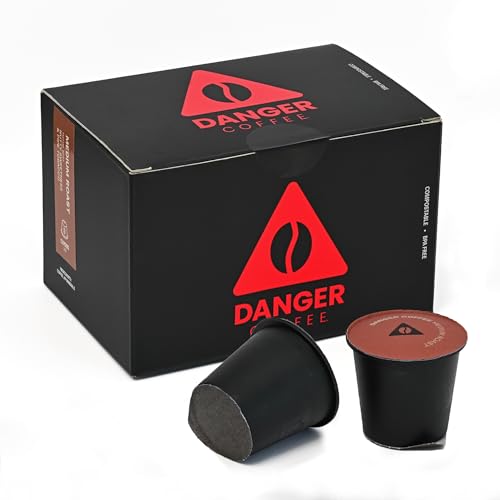
Danger Coffee Compostable Pods by Dave Asprey 12 Pods
What Each Pick Brings To The Table
Yaucono has anchored Puerto Rican kitchens for decades, and that cultural weight shows up in the bag. The medium-roast ground coffee delivers a smooth, well-balanced cup with the kind of mellow body that works just as well in a stovetop espresso maker as it does in a basic drip machine.
Hand-picked beans run through an extra-fine grind, which means the texture leans toward silty in a French press but pulls rich and concentrated in a moka pot. The 14 oz bag suits casual drinkers who go through a pot every few days rather than daily heavy users.
Reasons It Performs
- Smooth, balanced medium-roast profile that holds up with or without milk
- Fine grind pulls concentrated flavor in stovetop espresso makers
- Trusted regional staple with a long track record in Puerto Rican households
- Affordable entry point for casual decaf drinkers exploring the category
Trade-Offs
- Fine grind can clog a standard drip filter and leave sediment in French press
- Flavor skews mild, so dark-roast loyalists may find it underwhelming
Feature Snapshot
Made For
Casual drinkers who want a mellow, culturally rooted cup without paying specialty prices.
Swap It Out When
You prefer a cleaner, large-format canister for daily drip brewing, in which case the Folgers Classic Decaf canister handles that routine better.
Half-caf drinkers occupy a weird middle ground: too much caffeine keeps them up, but full decaf tastes flat. Folgers solves that with a blend that splits the difference, offering roughly half the caffeine of its classic roast while keeping the recognizable flavor most American kitchens grew up with.
The pack of three 21.6 oz AromaSeal canisters adds up to nearly five pounds, which suits households that burn through a pot a day. The medium roast plays well with drip machines, French press, and cold brew methods alike.
A Few Highlights
- Middle-ground caffeine level suits people cutting back rather than quitting entirely
- Bulk three-canister format keeps a busy kitchen stocked for weeks
- AromaSeal lid design helps preserve flavor between openings
- Versatile grind works across drip, French press, and cold brew setups
Minor Gripes
- Still contains caffeine, so strict decaf drinkers should look elsewhere
- Bulk packaging takes up significant pantry or cabinet space
Best Suited To
People easing off caffeine gradually who still want a recognizable, easy-drinking roast.
Look Elsewhere When
You need a fully caffeine-free cup for evening drinking, where the Folgers Classic Decaf canister is the better match.
This is the decaf most Americans recognize, and there’s comfort in that. The 25.9 oz AromaSeal canister holds a generous supply, and the medium roast is roasted to extract maximum flavor from beans that have already been stripped of 99.7% of their caffeine.
You won’t find fancy tasting notes here, and that’s the appeal. It performs predictably in a standard drip machine, fills the kitchen with the morning aroma people associate with breakfast, and costs less per ounce than most specialty options.
Practical Pluses
- Large canister format suits daily drip drinkers and shared households
- Classic flavor profile is familiar and easy to pair with cream or sugar
- AromaSeal lid helps ground coffee stay fresh over weeks of use
- Widely available with consistent quality between batches
Honest Caveats
- Flavor profile skews simple compared to single-origin decaf options
- Canister size demands dedicated pantry or shelf space
Right Fit For
Daily drip drinkers and families who want a familiar, no-surprise decaf on auto-pilot.
A Better Fit Elsewhere
You want a cleaner process or more nuanced flavor notes, in which case the Danger Coffee Decaf Ground delivers a chemical-free approach with fruity undertones.
Danger Coffee plays in a different league than the canister brands. The whole beans are sourced farm-direct from Central America, carry Specialty Coffee Association (SCA) grade certification, and are lab-tested to screen out mold and impurities that lower-tier beans sometimes carry.
The medium roast hits a nutty-sweet spot with caramel warmth, and the beans are remineralized with fulvic and humic compounds during processing. You need a grinder, and the price per ounce is steeper, but the cup clarity is the trade you make for it.
Well-Handled Touches
- Lab-tested for mold and impurities, a concern in low-grade coffee
- SCA grade certification signals above-average cup quality standards
- Whole-bean format preserves volatile aromatics until you grind
- Designed to pair with high-fat additions like butter or MCT oil
Room For Improvement
- Requires a burr grinder, which is an extra cost for casual drinkers
- Premium pricing puts it out of reach for budget-focused shoppers
- 10.9 oz bag runs out quickly for daily multi-cup drinkers
Whose Shelf It Belongs On
Ritual brewers with a grinder who want a clean, specialty-grade cup and don’t mind paying for it.
Reach For A Different Pick When
You want a fully decaf version of the same approach, which is exactly what the Danger Coffee Decaf Ground delivers without the grinding step.
Keurig owners who want dessert-style flavor without the caffeine get a generous playground here. The 40-count bulk pack pulls flavored decaf pods from brands like Crazy Cups, Cake Boss, Double Donut, and others, mixing French Vanilla, Hazelnut, Peppermint, and Dulce de Leche into a single rotation.
Pods work with Keurig K-Cup brewers, so setup is zero effort. The trade-off is flavoring that reads clearly sweet on the front end, and a base coffee character that takes a back seat to the syrupy notes.
Notable Gains
- Wide flavor variety keeps a Keurig routine interesting across weeks
- Bulk 40-count format lowers cost per pod versus smaller boxes
- Compatible with virtually all Keurig K-Cup brewers without adapters
- Easy way to sample new dessert flavors before committing to a full box
Worth Noting
- Flavored pods can leave residue in your brewer that needs periodic cleaning
- Strong flavoring may overpower drinkers who prefer traditional coffee taste
Who It Suits Best
Keurig owners with a sweet tooth who want flavor variety without the bedtime caffeine.
Consider Something Else When
You’d rather sample unflavored classics alongside flavored options, where the Crazy Cups Decaf Sampler delivers a no-duplicate lineup.
This sampler solves the most annoying thing about variety packs: repeats. You get 30 unique pods with no duplicates, pulled from names like Wolfgang Puck, Folgers, Guy Fieri, Martinson, and more, so every morning feels like a different cup.
The mix balances unflavored classics with chocolate, caramel, pecan, and blackberry options, which makes the box a smart gift for someone new to decaf. The trade-off is a smaller count than the 40-packs and a price-per-pod that runs slightly higher.
Strengths Worth Knowing
- No duplicate pods means every slot is a new flavor to try
- Mix of flavored and unflavored options covers a wider taste range
- Pulls from recognizable brand names shoppers already trust
- Makes a solid gift for decaf-curious friends or family
Some Limits To Know
- Smaller count than bulk 40-packs means more frequent reordering
- Wide variety means you’re locked into flavors you may not enjoy
Perfect Match For
Curious drinkers who want to explore the decaf pod landscape without committing to one flavor profile.
Skip It When
You already know you only want flavored pods, in which case the Crazy Cups 40-count flavored pack offers better value per pod.
Crazy Cups leans hard into the dessert side of decaf, and this 40-count pack delivers French Vanilla, Hazelnut, Peppermint Chocolate Mocha, and similar indulgent flavors in a Keurig-compatible format. You trade coffee-forward character for sweetness, which works beautifully for after-dinner cups or guests who prefer flavored options.
Compared to the 30-count sampler, this pack skips unflavored options entirely, so every pod leans sweet. The bulk format keeps the per-pod cost down, and Keurig compatibility means zero setup beyond loading the brewer.
Noteworthy Benefits
- Bulk 40-count format offers strong value for daily pod drinkers
- All-flavored lineup keeps the rotation interesting and dessert-leaning
- Compatible across Keurig K-Cup brewers without special adapters
- Works well as an after-dinner alternative to dessert
Points To Keep In Mind
- No unflavored options, so traditional coffee drinkers may want to split a box
- Sweet flavoring requires more frequent brewer cleaning to prevent buildup
Who Should Grab It
Flavor-first Keurig owners who want maximum variety and a reliably sweet cup every time.
Where Another Pick Suits Better
You want a mix of flavored and classic options, where the Crazy Cups 30-count sampler offers more balance in a single box.
This is the decaffeinated sibling of the Danger Coffee whole bean, and it tackles the biggest complaint about decaf: chemical residue. The Swiss Water Process uses only pure water to strip 99.9% of caffeine, leaving the flavor profile intact without solvent traces that bother sensitive drinkers.
The medium roast carries warm, sweet-tart notes of dried fruit and pastry, with a low-acid finish that’s gentle on digestion. Beans come from family-owned farms in Colombia and meet Specialty Coffee Association standards, which is the level of transparency most supermarket decaf skips.
Where It Excels
- Swiss Water Process avoids chemical solvents common in cheaper decaf
- Low-acid profile is easier on sensitive stomachs
- Third-party lab testing confirms mold-free, impurity-free beans
- Remineralized with trace minerals via a patent-pending process
A Few Limitations
- Premium price point compared to supermarket canister decaf
- 10.9 oz bag runs out quickly for households brewing multiple cups daily
Technical Highlights
Built With In Mind
Clean-label drinkers with sensitive stomachs who want transparency in how their decaf is processed.
Not Your Match When
You want the same Danger approach in single-serve form, where the Danger Coffee Compostable Pods deliver the brand experience in a Keurig-ready format.
Single-serve coffee carries a waste problem, and these pods are designed to address it. The 100% compostable material means you can toss the entire pod into compost without separating plastic or aluminum, which is the messy reality of standard K-Cups.
Each pod holds 16 grams of coffee, roughly double what most single-serve options use, and the optimized grind compresses into a dense brew bed that pulls richer flavor than typical pod output. The medium roast delivers nutty sweetness with a smooth finish that holds up black or with cream.
Why It Works Well
- Fully compostable pods eliminate plastic waste from your Keurig routine
- 16-gram fill weight is roughly double most single-serve pods
- Lab-tested mold-free beans carry the same quality standards as bagged Danger Coffee
- Dense brew bed design reduces the watery character common to pods
Points To Note
- Only 12 pods per box, so heavy drinkers will reorder often
- Compostable material means you need access to a composting setup
- Premium price per pod compared to standard plastic K-Cups
The Right Fit
Sustainability-minded Keurig owners who want single-serve convenience without the plastic guilt.
Where A Sibling Pick Shines
You want a wider flavor rotation in pod form, where the Crazy Cups flavored 40-count pack offers variety at a lower per-pod cost.
Choosing Coffee Decafs That Fit Your Routine
The decaf category splits into three real decisions: format, processing method, and flavor profile. Each one changes the cup you end up with, and the right answer depends on your brewer, your schedule, and how much storage space you can spare.
Format dictates equipment. Ground coffee works in any standard brewer, while whole beans need a burr grinder to unlock their potential. Keurig-compatible pods trade some cup quality for speed and zero cleanup, and the gap between regular and compostable pods matters if you care about waste. Bulk canisters suit daily drinkers, while smaller bags work for casual routines.
Processing method shapes flavor. Most mainstream decaf uses chemical solvents to strip caffeine, which is efficient and inexpensive. The Swiss Water Process, used in picks like the Danger Coffee Decaf Ground, uses only water and removes 99.9% of caffeine while preserving more of the original flavor compounds. You pay more for the cleaner process, but the cup usually shows the difference.
Flavor profile is the personal call. Caffeinated and decaffeinated coffees share the same roast spectrum, from light and bright to dark and smoky. Medium roasts tend to dominate the decaf shelf because they balance body and acidity, but dark-roast drinkers can find solid options if they look past the standard medium offerings.
For most people, the honest read is that format matters more than brand loyalty. A good decaf pod beats a bad ground coffee, and a great ground coffee beats a mediocre pod, regardless of what the label promises.
Factors To Weigh Before Picking Your Coffee Decaf
Roast Level And Acidity
Medium roasts dominate the decaf shelf, and for good reason: they balance body and acidity in a way that works with or without milk. Low-acid options like the Danger Coffee Decaf Ground suit sensitive stomachs, while darker roasts tend to mask the flatter character that some decaf carries.
Caffeine Removal Method
The Swiss Water Process is the cleanest mainstream option, using only water to strip caffeine. Most supermarket decaf uses chemical solvents, which are safe but leave traces that some drinkers prefer to avoid. The difference shows up most clearly in lighter roasts, where flavor compounds are more delicate.
Key Considerations Across These Picks
Common Shopping Slip Ups
Buying decaf by price alone usually backfires. The cheapest options often use lower-grade beans and aggressive chemical processing, which produces the flat, cardboard-flavored cup that gives decaf a bad reputation. Mid-range picks from established names, plus the occasional Swiss Water option, tend to outperform budget choices in the cup.
Another trap: assuming all pods taste the same. The Crazy Cups flavored packs and the Danger Coffee Compostable Pods prove the category is wider than people expect, with pod quality now approaching drip-brewed results when the grind and dose are designed for single-serve extraction.
Where The Extra Money Goes
Premium decaf pricing reflects three things: bean quality, processing method, and lab testing. Specialty-grade beans from the Danger Coffee line meet Specialty Coffee Association standards, which screen for defects and certify cup quality. The Swiss Water Process costs more than chemical methods, and third-party mold testing adds another layer of expense. You pay for transparency and flavor preservation, and the cup usually shows where the money went.
Frequently Asked Questions
How is decaffeinated coffee different from regular coffee?
Decaf goes through an extra step that removes most of the caffeine, typically 97% to 99.9%, before roasting. The flavor profile stays similar to a regular bean of the same origin and roast, though some methods strip more aromatic compounds than others.
Can you drink decaf coffee late at night?
Most people tolerate decaf in the evening without sleep disruption, but fully caffeine-free options like the Folgers Classic Decaf are safer bets for strict caffeine sensitivity. Half-caf picks still contain caffeine and may affect lighter sleepers.
Is Swiss Water decaf better than chemically processed decaf?
The Swiss Water Process avoids chemical solvents and is widely considered a cleaner approach, which appeals to drinkers with chemical sensitivities. Flavor-wise, the difference is subtle in medium and dark roasts and more noticeable in lighter roasts where the original bean character shines through.
Do coffee pods work in all Keurig machines?
Keurig K-Cup compatible pods work in most Keurig brewers made in the past decade. Some newer machines require specific pod authentication, which can lock out third-party options, so check your brewer model before buying in bulk.
How long does ground decaf stay fresh?
Ground decaf stays at peak flavor for about two to four weeks after opening, depending on storage. Airtight canisters like the AromaSeal lids on Folgers products help extend that window, while bagged coffee in thin foil loses aroma faster once opened.
Bottom Line
Your perfect decaf depends less on the brand and more on the format and processing method that match your routine. Drip drinkers and families get the most value from bulk canister picks, Keurig owners should weigh pod variety against sustainability, and drinkers chasing clean processing will find the Swiss Water options worth the premium. Start with the format your brewer demands, then narrow down by flavor and processing, and you’ll land on a cup that makes evening coffee feel like a treat rather than a compromise.
