

A good cup of coffee sets the tone for your whole morning, and choosing the right beans matters more than the gear you brew with. Organic coffee in particular draws shoppers who want clean sourcing, fewer synthetic residues, and roast profiles that lean into natural origin flavor. This roundup looks at ten options across pre-ground, whole bean, and single-serve formats, mixing everyday blends with single-origin lots. You’ll find a fit for the drip machine at home, the Keurig in the break room, and the stovetop espresso pot.
A Quick View Of The Lineup

Dunkin’ Original Blend Medium Roast Ground Coffee, 30 Oz Canister

Café Bustelo Espresso Style Dark Roast Ground Coffee, 10 Oz Can
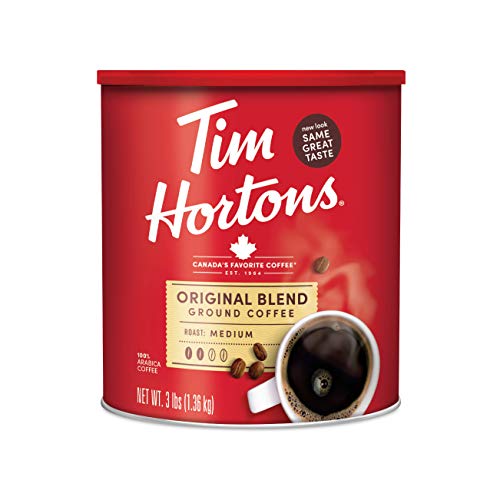
Tim Hortons Original Blend Medium Roast Ground Coffee, 48 Ounce Canister

Tiny Footprint Coffee Fair Trade Organic Nicaragua Segovia Dark Roast, Whole Bean, 3 lb

Tiny Footprint Coffee Nicaragua Segovia Dark Roast Ground Coffee, 16 oz

beaniac Organic Full On French Roast K Cup Coffee Pods, 30 Count

beaniac Organic Downtime Decaf K Cup Coffee Pods, 30 Count

beaniac Organic Kickstarter Colombian K Cup Coffee Pods, 30 Count
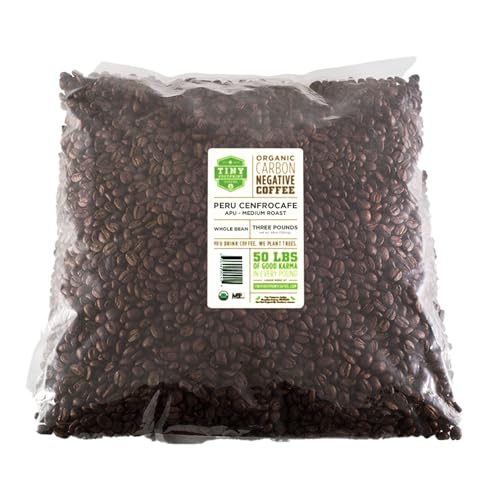
Tiny Footprint Coffee Fair Trade Organic Peru APU Medium Roast, Whole Bean, 3 lb

Tiny Footprint Coffee Organic Signature Blend Light Roast, Whole Bean, 3 lb
Meet The Standout Selections
The Dunkin’ canister plays the role of the dependable kitchen staple, the one that lives next to the filter basket and gets used without much thought. A 30-ounce canister holds enough ground coffee to cover a household of two through several weeks of standard drip brewing, and the stay-fresh lid helps if you don’t open it every single morning.
Crafted with Arabica beans (a species prized for smoother, sweeter cups than its Robusta cousin), this medium roast is designed to play nicely in automatic drip machines. It’s the kind of coffee that works for both a quick weekday pour and a lazy Sunday refill, hot or over ice. The flavor sits right in the middle of the spectrum, which makes it forgiving for guests who take it black or with cream.
Well-Handled Touches
- 30-ounce canister with a stay-fresh seal that keeps grounds from going stale between brews
- Medium roast profile that handles both hot cups and iced pours without losing balance
- Made with 100% Arabica beans, which generally deliver a smoother, less bitter cup
- Plugs into most automatic drip machines with no special technique required
- Familiar, accessible flavor that works for households with mixed preferences
Trade-Offs To Consider
- Lacks the single-origin transparency that organic-focused shoppers often look for
- Ground format means flavor starts fading weeks after opening, so smaller canisters may suit low-volume drinkers
Feature Snapshot
Who It Suits Best
You run a standard drip machine, want a smooth no-fuss cup, and care more about reliability than origin storytelling.
Consider Something Else When
The Tiny Footprint Nicaragua Segovia Dark Roast suits you better if you want a single-origin, USDA Organic profile with darker, fruitier notes.
Café Bustelo’s 10-ounce can is a compact punch of dark roast that punches well above its size on the stovetop. Espresso-style grinds are cut finer and darker than typical drip grinds, which makes this can a natural fit for moka pots, where heat and pressure work together to extract a thick, syrupy shot.
While this listing sits in the roundup as a non-organic staple, it’s the dark-roast reference point to compare against. The included limited-edition Game Face can design and a temporary tattoo kit give the package a collectible feel, useful if you’re buying for a coffee lover who treats their kitchen gear as décor. The grind consistency is what you’d expect from a brand built around stovetop tradition, and it doubles as a strong drip option if you like your morning cup on the bolder side.
The Case For It
- Dark espresso-style roast delivers the bold, slightly smoky profile moka-pot drinkers want
- Compact 10 oz can fits in tight cabinets or small countertops
- Limited-edition can design with a tattoo kit appeals to fans of the brand’s visual identity
- Works equally well in drip machines if you prefer strong, dark cups
Small Caveats
- Not labeled organic, so it won’t match the priorities of shoppers filtering for organic-only options
- Smaller can means frequent restocking for households that drink multiple cups a day
- Roast depth is intense; drip-machine drinkers used to medium roasts may find it too aggressive
Made For
You brew on a stovetop moka pot and want a strong, traditional dark-roast profile without overthinking the choice.
Look Elsewhere When
The Dunkin’ Original Blend Medium Roast is the right swap if you want a lighter, smoother everyday cup for an automatic drip machine.
The Tim Hortons 48-ounce canister is built for the household where coffee never sits untouched for long. That’s a lot of ground coffee, and the bigger format lowers the per-cup cost while keeping the familiar Tim Hortons cup-shop profile on standby for drip, pour-over, or cold brew applications.
Like the Dunkin’ option above, this is a 100% Arabica medium roast (a category that uses beans grown at higher elevations, prized for their cleaner flavor), but with a noticeably larger footprint. The recipe has reportedly stayed unchanged for decades, and the smooth, balanced roast works for the full brewing range from drip to french press. For households that refill the carafe daily, the value-per-ounce is hard to match.
Real Benefits
- 48 oz canister is generous enough for heavy daily drinkers and shared kitchens
- Made with 100% Arabica beans for a smooth, balanced cup
- Versatile across drip, french press, pour-over, and cold brew methods
- Long-standing original blend recipe provides consistency batch after batch
Points To Note
- Large canister needs cool, dry storage to keep grounds fresh once opened
- Not labeled organic, so it sits outside the strictly organic shopper’s filter
Quick Facts
Right Fit For
You run a busy household that goes through coffee quickly and wants a familiar, smooth medium roast without constant reordering.
Another Choice May Suit
Switch to the beaniac Organic Full On French Roast K-Cups if you want a single-serve format that suits a Keurig and a darker roast profile.
Tiny Footprint’s Nicaragua Segovia is the roundup’s anchor for the ethically-sourced single-origin camp. A 3-pound bag of whole bean coffee gives the grinder plenty to work with, and the dark roast brings traditional Nicaraguan flavor notes into the cup, things like chocolate roastiness, dried fruit, and gentle spice that come through cleanly when you dial in your grind size.
The coffee is USDA Organic, Fair Trade Certified, shade-grown, and carbon negative, which means the company funds reforestation that offsets more emissions than the operation produces. For shoppers who care about the chain behind the bag, those credentials carry real weight. The PRODECOOP cooperative (a grower-owned union that helps small farms share resources) channels premiums into healthcare, education, and environmental programs, so each bag connects to a wider impact story.
Key Advantages
- USDA Organic, Fair Trade, and shade-grown certifications cover both environmental and social priorities
- Carbon negative production model funds reforestation beyond the brand’s own footprint
- 3 lb bag suits daily drinkers who go through a bag every few weeks
- Single-origin transparency lets you taste character tied to a specific region and cooperative
Honest Caveats
- Whole bean format requires a home grinder, which adds a step for casual drip-machine users
- Dark roast intensity is not for shoppers looking for a light, citrus-forward cup
Feature Card
Best Suited To
You own a burr grinder (a grinder that crushes beans between two abrasive surfaces for a more even particle size than blade grinders), want single-origin transparency, and care about the full sourcing story.
Where Another Pick Suits Better
The Tiny Footprint Signature Blend Light Roast is a better match if you want the same brand’s ethical profile with a lighter, brighter roast character.
This is the ground version of the Nicaragua Segovia dark roast, same origin, same ethical profile, but pre-ground for anyone without a burr grinder. The 16-ounce bag is a sensible size for one or two drinkers, and the flavor carries the same chocolate, dried-fruit, and gentle spice notes that define the whole-bean sibling.
Compared to the Tim Hortons canister above, the trade-off is smaller volume for a richer single-origin story. The PRODECOOP cooperative connection still applies, and the carbon negative model remains part of the brand identity. For drip-machine households that want organic credentials without the grinder step, this lands in a useful middle ground.
What Helps Most
- Pre-ground format means no grinder required for standard drip use
- USDA Organic, Fair Trade, and shade-grown certifications for clean sourcing
- Single-origin Nicaraguan profile with chocolate and dried-fruit notes
- Smaller 16 oz bag suits moderate-volume drinkers
Practical Considerations
- Smaller package means more frequent reordering than the 3 lb whole-bean option
- Ground format loses aromatic intensity faster once the bag is opened
Whose Shelf It Belongs On
You brew on a standard drip machine and want a single-origin organic coffee without investing in a grinder.
Reach For A Different Pick When
The Tiny Footprint Peru APU Medium Roast suits you better if you want a lighter, more citrus-forward organic cup in whole-bean form.
The beaniac Full On French Roast is the roundup’s first single-serve entry, and it tackles the usual K-Cup problem in a useful way. The pods are BPI-certified commercially compostable (the Biodegradable Products Institute verifies that a product can break down in commercial composting facilities), which sidesteps the plastic-pile guilt that comes with traditional K-Cups. The mesh filter design also lets the grounds behave more like a pour-over than a pressurized shot, which keeps the cup from tasting muddy.
Compatibility spans Keurig 2.0 and most other K-Cup brewers, so switching to organic single-serve rarely requires a new machine. Compared to the Tim Hortons canister, this option trades bulk value for portion control: each pod delivers a single, consistent cup without measuring or cleanup. The 30-count box lands at roughly a month’s worth of daily brews for a single drinker.
A Strong Showing
- BPI-certified compostable pods reduce the landfill footprint of single-serve brewing
- French roast dark profile gives a deep, full-bodied cup with bittersweet chocolate notes
- Works with Keurig 2.0 and most K-Cup compatible brewers
- Organic and Rainforest Alliance Certified Arabica beans for dual-sourcing credibility
Where It Is Less Suited
- Single-serve pods cost more per cup than bagged grounds, which adds up for multi-cup households
- Compostable pods need access to a commercial composting facility to break down properly; curbside bins won’t always accept them
Key Product Details
Who Should Grab It
You run a Keurig in a small office or shared kitchen and want a compostable, single-serve organic option that doesn’t feel wasteful.
Skip It When
The Dunkin’ Original Blend Ground Coffee is the better pick if you brew larger volumes in a standard drip machine and want lower per-cup cost.
The Downtime Decaf fills a real gap in the single-serve category. Most decaf pods rely on chemical solvents to strip the caffeine, but this one uses the Swiss Water Process, a method that removes caffeine using only water and activated charcoal filters, leaving the flavor compounds more intact. For sensitive drinkers and evening cup enjoyers, that distinction is worth paying attention to.
The medium roast body lands lighter than the Full On French Roast above, and the tangy, crisp finish gives the cup a cleaner aftertaste. Like the rest of the beaniac line, the pods are BPI-certified compostable and compatible with Keurig 2.0 systems. For anyone who wants the convenience of a pod without the chemical-decaf trade-off, this is a thoughtful solution.
Useful Highlights
- Swiss Water Process decaffeination avoids chemical solvents for cleaner flavor
- Organic and Rainforest Alliance Certified Arabica beans support ethical sourcing
- Compostable BPI-certified pod construction reduces environmental impact
- Medium roast body with a tangy, crisp finish suits evening and late-day drinking
What To Weigh
- Decaf pricing tends to run higher per pod than standard caffeinated options
- Medium roast profile won’t satisfy drinkers who want a bolder, more traditional decaf cup
Perfect Match For
You’re cutting back on caffeine, want a single-serve format, and care about the chemical-decaf alternative.
Not Your Match When
The beaniac Organic Kickstarter Colombian K-Cups suit you better if you want a brighter, lighter cup with full caffeine content.
The Kickstarter Colombian is the lighter, brighter end of the beaniac line, and it works as the morning counterpart to the Downtime Decaf. A medium-light roast brings out the citrus and floral notes that Colombian Arabica is known for, with a clean finish that doesn’t linger heavily on the palate.
For Keurig users who find French roast too smoky and standard medium too flat, this pod sits in a sweet spot. The compostable construction and dual certification (Organic plus Rainforest Alliance) carry through from the other beaniac entries. The 30-count box makes it easy to keep a rotation going between the darker and lighter options without changing the machine.
Points In Its Favor
- Medium-light roast profile highlights citrus and floral Colombian origin notes
- Compostable BPI-certified pod format keeps single-serve waste in check
- Organic and Rainforest Alliance Certified Arabica for transparent sourcing
- Compatible with Keurig 2.0 and most K-Cup brewing systems
Some Limits To Know
- Lighter roast may taste thin to drinkers used to dark, heavy cups
- 30-count box runs out fast in multi-drinker households
Who Will Love This
You want a clean, bright, single-serve cup in your Keurig and prefer citrus-forward Colombian character over smoky dark roasts.
A Better Fit Elsewhere
The beaniac Organic Full On French Roast is the right swap if you want the same pod format with a deeper, more traditional dark-roast profile.
The Peru APU sits at the easier-drinking end of Tiny Footprint’s lineup. A medium roast pulls caramel sweetness and gentle citrus acidity into the cup, finishing clean rather than smoky. For all-day sipping or sharing with guests who find dark roasts too heavy, this is the bag that keeps the peace.
The Cenfrocafe cooperative (a Peruvian grower association that invests premiums into education and processing infrastructure) channels fair-trade premiums into grower programs, and the carbon negative model continues to fund reforestation. Whole bean format means you’ll want a burr grinder, but the payoff is a fresher cup that holds its character longer than pre-ground alternatives.
Strengths Worth Knowing
- Medium roast profile with caramel sweetness and bright citrus acidity
- USDA Organic, Fair Trade, and carbon negative certifications
- 3 lb bag suits daily drinkers who go through coffee regularly
- Cenfrocafe cooperative connection ties purchases to grower education programs
A Few Limitations
- Whole bean format requires a home grinder for the freshest cup
- Citrus-leaning profile won’t satisfy drinkers looking for a heavy, chocolate-forward cup
Built With In Mind
You want a balanced, all-day organic coffee with single-origin transparency and access to a home grinder.
Swap It Out When
The Tiny Footprint Nicaragua Segovia Dark Roast is the better pick if you want a bolder, more chocolate-driven organic cup.
The Signature Blend closes the roundup on the lighter end of the spectrum, and it’s the bag for pour-over mornings when you want clarity more than body. Light roast tones carry bright lemon and orange notes with a touch of cocoa at the finish, a profile that rewards the right grind size and a slower pour.
Because the brand sources coffee seasonally (changing origins to capture peak harvest quality), each batch brings its own character. Craft roasting in small batches adds another layer of attention that mass-produced cans typically skip. The carbon negative model and Fair Trade premiums stay intact, so the lighter roast doesn’t come with ethical trade-offs.
Notable Upsides
- Light roast profile brings out bright citrus and gentle cocoa notes
- Seasonal sourcing keeps each batch at peak harvest quality
- Small-batch craft roasting supports more controlled flavor development
- USDA Organic, Fair Trade, and carbon negative certifications
Worth Bearing In Mind
- Light roast demands more attention to grind size and water temperature for best results
- Whole bean format means you need a burr grinder at home
Right Fit
You own a pour-over setup, prefer bright citrus-forward cups, and want the same ethical sourcing story as the rest of the Tiny Footprint line.
Where A Sibling Pick Shines
The Tiny Footprint Peru APU Medium Roast is the smarter pick if you want a similar ethical profile with a slightly heavier, more caramel-leaning medium roast.
What To Weigh Before Picking Your Organic Coffee
Roast level drives more of the cup experience than most shoppers expect, and matching it to your brewing method keeps disappointment in check. Light roasts like the Tiny Footprint Signature Blend tend to shine in pour-over setups where the slower extraction pulls out citrus and floral origin notes. Dark roasts like Café Bustelo’s espresso-style cut work best in moka pots and stovetop brewers where the bolder profile stands up to heat intensity. Medium roasts sit comfortably in the middle and behave well across drip, french press, and cold brew formats.
Format is the other major decision. Whole bean coffees protect aromatic compounds longer, but only if you actually grind them fresh before brewing. Pre-ground options like Tim Hortons Original Blend trade peak freshness for convenience, which fits busy households that don’t want to add a grinder to the counter. Single-serve pods solve the portion-control and cleanup problem entirely, though the per-cup cost runs higher and compostable pods need proper disposal infrastructure to deliver on their environmental promise.
Origin and certifications matter most if you want your purchase to support specific farming practices. Single-origin bags like the Tiny Footprint Nicaragua Segovia offer transparency about where the coffee came from and who grew it, while blends pull from multiple regions for a more rounded cup. USDA Organic, Fair Trade, Rainforest Alliance, and carbon negative labels each cover different parts of the supply chain, and stacking them in one bag like the Tiny Footprint and beaniac lines do signals a more complete commitment to ethical sourcing.
Key Considerations Across These Picks
Common Shopping Slip Ups
The most common mistake is grabbing a roast level that doesn’t match the brewing method at home. A light roast dropped into a stovetop moka pot will taste weak and watery, while a French roast in a pour-over often comes across as muddy and over-extracted. The second common slip is choosing whole bean without a grinder, which leads to opening the bag weeks early and losing the freshness benefit before the first cup. Finally, ignoring the pod disposal story can turn a compostable K-Cup into a landfill item when local facilities don’t accept them.
What The Higher Tier Buys
Premium-tier organic coffees generally invest more into sourcing transparency, farmer premiums, and small-batch roasting. Tiny Footprint’s 3-pound whole-bean options cost more per ounce than the mass-market ground canisters like Dunkin’ or Tim Hortons, and that gap reflects the Fair Trade premiums, carbon negative model, and seasonal sourcing work behind each bag. The upgrade is worth it for shoppers who drink coffee daily and want origin character to come through in the cup. For occasional drinkers or large households where cost-per-cup dominates the decision, the conventional organic blends in the roundup deliver a cleaner profile than non-organic options without the premium price tag.
Frequently Asked Questions
What makes coffee organic in the first place?
Organic coffee is grown without synthetic pesticides, herbicides, or fertilizers, and the USDA Organic label verifies that the farm followed those practices for at least three years before certification. The cup doesn’t necessarily taste different, but the environmental and labor impact of growing and harvesting it tends to be lower.
Is dark roast stronger than light roast in caffeine?
The relationship runs the other way than most people assume. Light roasts actually contain slightly more caffeine by weight because the longer roasting process of dark roasts breaks down some of the caffeine molecules. The difference is small enough that brew method and serving size matter more than roast level for most drinkers.
Do I need a grinder to use whole bean coffee?
A grinder is the only way to get the freshness benefit whole bean offers, and a burr grinder is the standard recommendation because it produces a more consistent particle size than blade models. That consistency helps extraction stay even, which means a cleaner-tasting cup.
How long does opened coffee stay fresh?
Pre-ground coffee typically holds peak flavor for one to two weeks after opening if stored in a cool, dry, airtight container. Whole bean coffee keeps longer, around three to four weeks, because the unground surface area stays protected. Beyond those windows, the cup won’t go bad, but the aromatics fade quickly.
Are compostable K-Cups actually compostable at home?
Most BPI-certified compostable pods need commercial composting facilities that reach the right temperature and humidity to break the pod material down. Backyard compost bins and curbside recycling streams generally don’t meet those conditions, so the pods need to go to a facility that accepts them for the environmental benefit to land.
The Takeaway
The right organic coffee comes down to matching roast level, format, and certifications to the way you actually brew and drink. Keurig owners who want convenience and ethical sourcing will find their fit in the beaniac pod lineup, while whole-bean drinkers with a grinder can dig into the Tiny Footprint single-origin options for more origin character. Drip-machine households that prioritize value and smooth everyday drinking will be well served by the Dunkin’ or Tim Hortons canisters, even though those don’t carry organic labels. Pick the option that fits your morning rhythm, and the rest of the cup tends to take care of itself.
