

You want a cup that actually tastes like where it came from, not a generic brown liquid. Mexican coffees run a wide spectrum, from bright high-altitude Arabicas with citrus and berry notes to earthy, chocolate-leaning classics in the classic café tradition. The picks below cover single-origin bags, regional staples, Southwestern flavored profiles, and a few international cousins worth considering for comparison. Each one is sized for different households, brew methods, and caffeine habits, so you can match the bag to your kitchen, not the other way around.
A Side-By-Side Look

Black Rifle Coffee Company CAF Ground Coffee 5 lb Bag Medium Roast

gila cafe Mexican Arabica Medium Roast Ground Coffee 32 oz

New Mexico Piñon Coffee Traditional Piñon Ground 2 lb

Café Santo Domingo Ground Coffee Medium Roast 10 oz

Yaucono Ground Coffee Medium Roast 10 oz Can

Black Rifle Coffee Loyal Spirit Light Roast 18 oz

Cafe Blason Mexican Gourmet Coffee High Grown Arabica 35.3 oz

New Mexico Piñon Coffee Biscochito Ground 2 lb
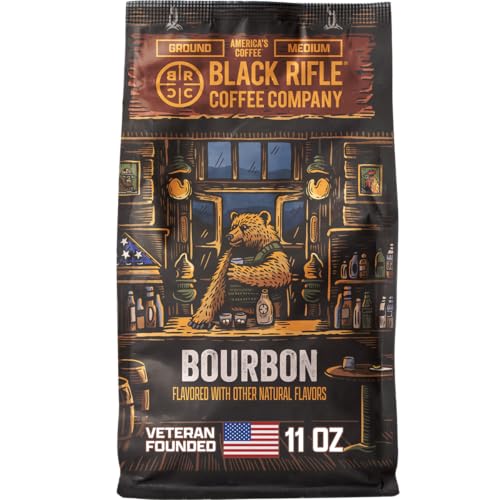
Black Rifle Coffee Bourbon Medium Roast 11 oz
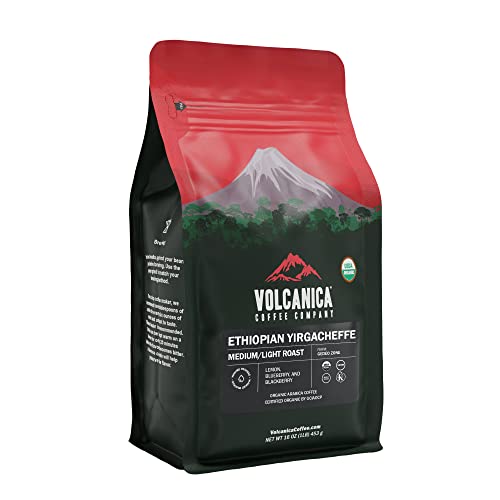
Volcanica Ethiopian Yirgacheffe Whole Bean 16 oz
The Picks, Examined More Closely
The five-pound bag solves a problem most home grinders ignore: running out midweek. BRCC builds CAF around a turbo-caffeinated medium roast sourced from Colombia and Brazil, which makes it the closest thing on this list to a worksite fuel rather than a morning ritual. You trade some of the delicate, origin-driven clarity you’d get from gila cafe for sheer staying power.
For households burning through two or three cups a day, that math works. The 5 lb format means fewer reorders and a lower per-cup cost over time, assuming the bold profile suits your palate. If you mainly drink one small mug in the morning, the size will outpace your pace and the grounds will stale before you finish the bag.
What Helps Most
- Double-caffeine medium roast delivers sustained energy across long workdays.
- Five-pound format reduces reorders and lowers the per-cup cost for heavy drinkers.
- Colombian and Brazilian Arabica blend aims for balance over sharp, single-origin bite.
- Ground format works in drip, French press, and pour-over without extra equipment.
Things To Consider
- Bag size outpaces light drinkers; expect the last quarter to lose aroma if you brew slowly.
- Higher caffeine can push sleep-sensitive drinkers past their cutoff in the afternoon.
- Pre-ground texture locks in flavor quickly once opened, so an airtight canister helps.
Key Specs
Who It Suits Best
Multi-cup households, shared workspaces, and anyone who wants a bold everyday brew without reordering every few weeks.
Consider Something Else When
Single-origin drinkers chasing delicate, terroir-driven cups will find gila cafe Ground Coffee a closer match for their palate.
gila cafe sets itself apart by folding Coffeeberry, the fruit that surrounds the bean, back into the grounds. Most roasters discard that fruit during processing, so the cup picks up extra cherry sweetness you won’t get from a standard Mexican Arabica. The 100% Mexican Arabica is grown at high altitude in Chiapas, Veracruz, and Oaxaca, which generally means denser beans and a cleaner cup.
That brewing angle matters if you tend to drink coffee black or with just a splash of milk. The 32 oz bag hits a middle ground, large enough for daily use but small enough to finish before the grounds go flat. Compared with Café Santo Domingo’s classic Latin profile, this one leans fruitier and a touch more modern.
A Strong Showing
- Coffeeberry inclusion adds natural sweetness and fruit character without flavorings.
- 100% Mexican Arabica from Chiapas, Veracruz, and Oaxaca supports a traceable origin story.
- Medium roast keeps acidity lively enough for pour-over and drip alike.
Points To Note
- Fruit-forward profile can read unusual to drinkers used to chocolate-heavy Latin cups.
- Pre-ground format loses aromatic nuance faster than whole bean over a long open bag.
At A Glance
Made For
Drinkers exploring single-origin Mexican cups and anyone curious about the fruit-forward, modern end of the spectrum.
Look Elsewhere When
You want a classic, chocolate-leaning Latin profile instead, in which case Café Santo Domingo Ground Coffee is a better fit.
New Mexico Piñon has been blending regional flavor into its Arabica base since 1994, and the Traditional Piñon roast is the line that built the reputation. Nutty, smooth, and softly sweet, it’s the bag you reach for when you want morning coffee that feels like it came from the Southwest rather than a generic roaster. The medium roast keeps the nuttiness in front of any bitter edge.
The 2 lb format fits a couple of mid-range drinkers, or a single heavy drinker over a few weeks. Where Black Rifle Coffee CAF pushes caffeine, this one focuses on comfort. It’s also one of the few naturally flavored options on the list, which matters if you avoid artificial flavorings.
The Good Stuff
- Natural piñon nut flavoring gives a distinctive regional cup without artificial additives.
- Medium-roast Arabica base keeps the profile balanced and easy to drink daily.
- 2 lb bag size is a practical middle ground for one or two drinkers.
A Few Limitations
- Flavored profile can feel one-note to drinkers who prefer bright or fruity single origins.
- Pre-ground format limits the freshness window once the bag is opened.
Feature Snapshot
Best Suited To
Drinkers who enjoy flavored coffee and want a Southwestern character without crossing into dessert-style territory.
A Better Fit Elsewhere
Coffee drinkers who want the sugar, cinnamon, and anise dessert route will be happier with New Mexico Piñon Coffee Biscochito Ground.
Café Santo Domingo has the kind of soft, balanced profile that works in a colada, a moka pot, or a basic drip machine without ever showing off. The medium roast stays in the middle, so the cup leans smooth and chocolate-adjacent rather than bright or smoky. For a small household or a single daily drinker, the 10 oz pack is a reasonable commitment.
This is the bag to hand someone who says they “just want regular coffee.” It doesn’t ask you to learn anything new. The catch is that very drinkable, very middle-of-the-road character can feel flat if you’ve been drinking sharp, high-altitude African or experimental lots.
Useful Strengths
- Smooth, balanced medium roast suits drip, moka, and traditional brewing methods.
- Compact 10 oz size fits solo drinkers or slow-brew households.
- Classic Latin profile pairs well with milk, sugar, and breakfast foods.
Honest Caveats
- Character can read as flat next to bright or experimental single origins.
- 10 oz size means frequent reorders for multi-cup households.
Quick Facts
Perfect Match For
Solo drinkers and small households who want a smooth, no-fuss daily cup with a traditional Latin profile.
Not Your Match When
You need a larger bag for shared brewing, in which case Cafe Blason Mexican Gourmet Coffee High Grown Arabica 35.3 oz is the better pick.
Yaucono’s canister format is the small detail that makes it work for tight kitchens and single drinkers. The metal can seals better than a paper bag, which helps the grounds hold aroma once you crack it open. Inside, hand-picked beans are roasted to a medium profile, ground fine, and balanced for a smooth everyday cup. The 10 oz size is a clean match for a once-a-day routine.
It’s a Puerto Rican classic that has held a place in household kitchens for decades, and that longevity shows up in the consistency. Compared with Café Santo Domingo’s softer Latin profile, Yaucono reads a touch more straightforward, which is the point.
A Favorable Mix
- Sealed metal can helps preserve aroma after opening.
- Fine grind suits drip and traditional brewing methods.
- Compact 10 oz size is ideal for single drinkers or travel kitchens.
Points To Keep In Mind
- Small can format means more frequent reorders for multi-drinker households.
- Pre-ground fine texture limits experimentation with coarser brews.
Spec Overview
Whose Shelf It Belongs On
Solo drinkers, dorm rooms, and small kitchens where a sealed can beats a half-finished paper bag every time.
Skip It When
You brew for a crowd or want to dial in grind size yourself, in which case Volcanica Ethiopian Yirgacheffe Whole Bean is the more flexible choice.
Where the BRCC CAF leans on caffeine and smoky sweetness, the Loyal Spirit blend turns toward citrus, caramel, and a soft berry top. The light roast keeps acidity forward, which is what you want from a pour-over or AeroPress. Pre-ground convenience means you skip the grinder step entirely, which matters for busy morning routines.
The 18 oz bag is sized for a few weeks of regular use, depending on your habit. It bridges the gap between the heavyweight 5 lb CAF and the smaller specialty bags on the list, and it pairs well with a basic drip machine if you don’t want to fuss.
Reasons It Performs
- Light roast preserves citrus, caramel, and berry notes for a brighter cup.
- Pre-ground format works across drip, pour-over, AeroPress, and French press.
- 18 oz size is manageable for solo and couple drinkers.
Less Ideal Details
- Light roast profile can taste thin to drinkers used to medium or dark cups.
- Pre-ground texture sacrifices some aromatic lift compared to whole bean.
Feature Card
Who Should Grab It
Pour-over and AeroPress drinkers who want a bright, citrus-forward daily cup without grinding beans themselves.
Another Choice May Suit
Drinkers chasing the deepest, smoothest Latin profile will find Café Santo Domingo Ground Coffee easier on the palate.
Blason’s Americano blend comes in a family-size 1 kg bag, which immediately solves the multi-drinker problem. The 100% high-grown Arabica is roasted in Mexico and ground fine, so it pulls nicely in espresso machines and stovetop moka pots. The flavor sits in the classic, easy-drinking zone, with an aroma that fills the kitchen while the brew runs.
This is the bag that earns its place on a big household shelf, especially if you have guests who expect a familiar, well-rounded cup. Compared with the smaller Café Santo Domingo and Yaucono cans, the trade is portion control: the bigger bag can stale faster once opened, so a sealed canister is worth keeping nearby.
What Stands Out
- 1 kg (35.3 oz) bag suits multi-drinker households and small offices.
- High-grown 100% Arabica supports a clean, classic profile.
- Fine grind works well in espresso, moka, and drip setups.
Trade-Offs
- Large bag can lose aroma late in the bag without airtight storage.
- Classic profile can feel predictable to drinkers who rotate single-origin lots.
Right Fit For
Large households, small offices, and anyone who pulls multiple espresso or moka shots a day.
Swap It Out When
You want a smaller portion or a single-origin story; gila cafe Ground Coffee is the more curated alternative.
Biscochito is the state cookie of New Mexico, and this bag translates that sugar, cinnamon, and anise flavor into a medium-roast cup. It’s the dessert direction of the New Mexico Piñon line, so it pairs naturally with holiday mornings, brunch, or an after-dinner swap. The 2 lb bag matches the size of the Traditional Piñon roast, so the choice is really about flavor direction.
The natural flavoring approach matters if you avoid artificial coffee flavorings, which most of the supermarket shelf leans on. Compared with BRCC Bourbon, this one reads sweeter and more pastry-like, less smoky and barrel-driven.
Real-World Strengths
- Sugar, cinnamon, and anise notes pair well with pastries and holiday spreads.
- Natural flavoring avoids the artificial-tasting cup common in flavored coffees.
- 2 lb size is flexible for a single drinker or shared weekend brewing.
Where It May Fall Short
- Sweet, spiced profile wears thin as an everyday cup for some palates.
- Flavoring can fade faster than unflavored roasts once the bag is opened.
Who Will Love This
Holiday hosts, brunch regulars, and anyone who wants a dessert-style cup without reaching for syrups.
Where A Sibling Pick Shines
Drinkers who want a flavored cup that leans smoky and barrel-aged will find Black Rifle Coffee Bourbon Medium Roast more in their lane.
The Bourbon blend sits in the flavored corner of the BRCC lineup, leaning smoky and barrel-driven rather than sweet. The medium roast keeps the body round enough to stand up to milk, and the 11 oz bag is a manageable size for sampling without committing to a full pound. Pre-ground format means you can brew right out of the bag.
It’s a flavor-adventurer bag, the kind you hand to a friend who has tried every supermarket offering and wants something different. Compared with New Mexico Piñon Biscochito, this one reads warmer and more adult, less pastry-sweet.
Well-Handled Touches
- Bourbon-inspired flavoring adds warmth without sugar-sweet notes.
- Pre-ground texture works across drip, pour-over, and French press.
- Compact 11 oz bag fits sample-size exploration.
Minor Gripes
- Flavored profile can feel polarizing to drinkers who prefer unflavored coffee.
- Smaller bag size means quicker turnover and more frequent reorders.
Quick Technical Notes
Built With In Mind
Flavor explorers and gift-givers who want something distinct from the standard chocolate-and-nut Latin profile.
Reach For A Different Pick When
You want a naturally flavored Southwestern cup instead; New Mexico Piñon Coffee Traditional Piñon Ground is the better match.
The Yirgacheffe is the international reference point on the list, included because it shows what a high-altitude, fruit-forward single origin looks like next to the Mexican profiles. The cup leans bright, with lemon, berry, and an earthy body that rewards pour-over and Chemex brewing. The 16 oz whole-bean format means you control the grind, which preserves the aromatics longer.
This is a different lane from Café Santo Domingo or Yaucono. Those cups are built to be soothing and familiar, while Yirgacheffe is built to be interesting. It fits drinkers who already have a grinder and want a coffee that pushes flavor in a new direction.
The Upside
- Whole-bean format preserves aromatic oils until you grind fresh.
- Bright, fruit-forward profile rewards careful pour-over brewing.
- 16 oz size suits a single or couple drinker with a grinder on hand.
Softer Spots
- Requires a grinder to unlock the full flavor potential.
- Bright profile can read too acidic to drinkers used to chocolate-heavy Latin cups.
Right Fit For
Home baristas with a grinder who want a contrast to the smoother, classic profiles earlier in the list.
Where Another Pick Suits Better
Drinkers who want a soft, balanced Latin cup with no grinder required will be happier with Yaucono Ground Coffee 10 oz Can.
What To Weigh Before Choosing Coffees From Mexico
Roast level sets the personality of the cup before origin even enters the conversation. A light roast keeps acidity bright and origin-driven, which is where you taste the high-altitude character of Chiapas, Veracruz, or Oaxaca. A medium roast rounds the cup, adds body, and lets chocolate and nut notes come forward. Dark roasts push into smoky and bittersweet territory, but they also tend to bury the Mexican character under roast flavor, so single-origin drinkers usually steer toward medium or lighter.
Origin and altitude matter more than most shoppers expect. Mexican Arabica grown above 1,200 meters tends to develop denser beans and cleaner acidity. Blends that fold in Brazilian or Colombian beans, like the BRCC CAF, smooth the cup but trade away some of that origin clarity. Single-origin 100% Mexican Arabica, like gila cafe’s Coffeeberry-infused bag, gives you a more specific cup with a story behind it.
Format changes the daily experience. Whole bean keeps the grounds fresh until the moment of brewing, which is why the Yirgacheffe entry rewards a grinder-owning household. Pre-ground is more convenient but loses aromatic lift faster after opening, especially in paper bags. Canister formats like Yaucono’s help slow that staling, and large family-size bags like Blason’s 1 kg need an airtight container to stay consistent over weeks.
Flavoring is a separate axis from origin. Naturally flavored Southwestern profiles (piñon, biscochito) lean regional and dessert-leaning, while barrel-inspired and bourbon-style options lean smoky and warm. Unflavored single origins stay the most versatile, since they let the bean do the work in any brew method.
Common Shopping Slip Ups And What The Higher Tier Buys
Where Shoppers Go Wrong
Many shoppers reach for the largest bag to save on per-cup cost, but oversized bags stale faster after opening. A 5 lb bag is great for an office or a multi-cup household, and a rough match for a single daily drinker only if you have a sealed canister ready. Another common slip is buying flavored coffee to “try something different” and discovering the flavoring overwhelms the bean quality underneath. Flavored bags work best when the base coffee is decent, not as a substitute for it.
Where The Extra Money Goes
Spending up typically buys you three things: whole-bean format, traceable single-origin sourcing, and higher-altitude Arabica. The Volcanica Yirgacheffe, for example, costs more per ounce than most Latin supermarket bags because the beans come from a specific region and arrive whole. The honest read is that the upgrade pays off when you already have a grinder and care about the bright, origin-driven end of the spectrum. For everyday drip drinkers who add milk and sugar, the premium layer often gets buried.
Frequently Asked Questions
What makes Mexican coffee different from other Latin American coffees?
Mexican Arabica tends to grow at high altitude in regions like Chiapas, Veracruz, and Oaxaca, which gives it a cleaner acidity and a balanced body. Compared with Brazilian beans, Mexican cups often show more fruit and less chocolate, and compared with Colombian beans, they tend toward a softer, more delicate profile.
Is whole bean coffee worth the extra step?
Whole bean preserves aromatic oils that fade quickly once the bean is broken open. Pre-ground is more convenient, but the cup loses some lift within a couple of weeks of opening. If you already own a grinder and brew method like pour-over or French press, whole bean is the better long-term choice.
How should flavored coffee be stored?
Keep flavored bags sealed tightly and stored away from heat, light, and moisture. Natural flavorings like piñon and biscochito tend to hold up better than artificial ones, but they still fade faster than unflavored roasts. A sealed canister or a clip with the bag rolled tight helps the flavor last longer.
Can pre-ground coffee be used in an espresso machine?
Fine-ground pre-ground can work in some moka pots and home espresso machines, but grind size is the main lever for extraction. If your bag is too coarse, the shot runs fast and weak; too fine and it chokes the machine. A grinder gives you that control, which is the main reason espresso drinkers eventually move to whole bean.
How much coffee should a household buy at once?
A general rule is one week of use for pre-ground paper bags, two to three weeks for sealed canisters, and up to a month for whole bean in an airtight container. Households brewing three or more cups a day can comfortably handle a 2 lb bag before freshness fades, and a 5 lb bag works for shared offices that cycle through it quickly.
Wrap Up
The best cup is the one that matches your kitchen, your brewing method, and how much variety you actually want in a week. Start with size and format, then narrow by roast level and origin. Whether you land on a classic Latin blend, a single-origin Mexican Arabica, or a Southwestern flavored profile, there’s a bag on this list that fits the routine you already have.
