

You want a coffee that earns a spot in your morning routine, not one that sits half-finished behind the toaster. The problem with ordering coffee online is that every bag promises the world, and you can’t smell them through the screen. This list cuts through that noise with ten genuinely different coffees, from canister classics for the daily pot to single-origin beans for the slow weekend brew. Whether you need a no-fuss ground for the office or compostable pods for a Keurig, there’s something here that matches the way you actually drink it.
The Leading Options At A Glance

Dunkin’ Original Blend Medium Roast Ground Coffee 30 Oz Canister

Folgers Black Silk Dark Roast Ground Coffee 22.6 Oz Canister (Pack of 6)

Café Bustelo Espresso Style Dark Roast Ground Coffee 10 Oz Can

Tiny Footprint Coffee Nicaragua Segovia Dark Roast Whole Bean 3 lb

Tiny Footprint Coffee Nicaragua Segovia Dark Roast Ground 16 Oz

beaniac Flavor Freak Madagascar Vanilla K Cup Pods 30 Count

beaniac Organic Downtime Decaf K Cup Pods 30 Count

beaniac Organic Full On French Roast K Cup Pods 72 Count
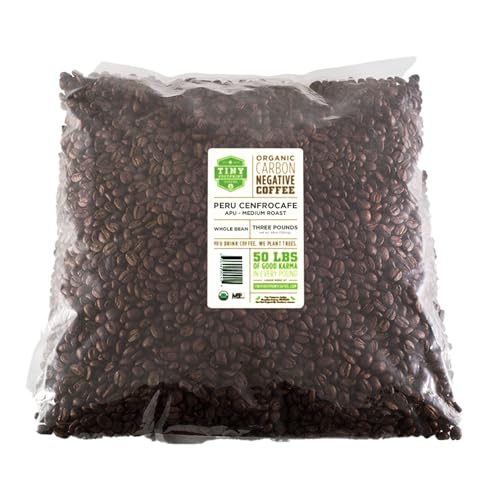
Tiny Footprint Coffee Peru APU Medium Roast Whole Bean 3 lb

Tiny Footprint Coffee Organic Signature Blend Light Roast Whole Bean 3 lb
Why These Options Stand Out
For the household running a drip brewer on autopilot, this 30-ounce canister of Dunkin’s flagship medium roast hits a familiar middle ground. Arabica (a coffee species prized for smoother flavor and lower bitterness than its robusta cousin) forms the base, and the grind lands fine enough for standard basket filters without clogging. The flavor sits squarely in the easy-drinking zone, so it works black with breakfast or buried under cream after a long shift.
It’s the kind of coffee you buy for the office pot because nobody complains about it, yet it’s friendly enough for weekend pancakes too. The stay-fresh canister keeps the grounds from going flat over a few weeks of regular use, which matters more than people think once the seal gets broken.
The Upside
- Balanced medium roast that plays well with milk, sugar, or neither.
- 30-ounce canister outlasts most single-week household routines.
- Stays consistent across drip, pour-over, and basic single-serve brewers.
- Familiar flavor lowers the risk for new shoppers testing online ordering for the first time.
Things To Consider
- Flavor is approachable rather than distinctive, so coffee enthusiasts may want more complexity.
- Once opened, transferring to an airtight container helps the grounds hold their character past week three.
Who It Suits Best
Everyday drinkers who want a crowd-pleasing medium roast for a standard drip brewer, with no surprises and no fuss.
Where Another Pick Suits Better
Shoppers chasing deeper roast intensity and a fuller body will find Café Bustelo Espresso Style Dark Roast Ground Coffee a bolder match.
The six-canister pack of Folgers Black Silk is built for the household that treats coffee as a working supply, not a curated ingredient. Each 22.6-ounce can gives you roughly forty standard cups, so the pack stretches for weeks of commute mornings and weekend brunches without reordering. Dark roast lovers get the smoky, heavier body the line is known for, and the grind is calibrated for everyday drip machines.
Where the Dunkin’ canister is the friendly neutral, Black Silk leans into the bitter-chocolate side of the spectrum, which pairs well with cream or a splash of oat milk. The bulk format also makes sense for small offices, vacation homes, or anyone tired of running out before the next grocery run.
Notable Upsides
- Six-canister format cuts down on reordering for heavy-brew households.
- Deep, full-bodied flavor that holds its own next to cream and flavored syrups.
- Pre-ground for drip, so there’s no grinder setup on busy mornings.
Worth Noting
- Roasted in New Orleans, but the flavor skews mainstream dark roast, not regional artisan.
- The bulk stack takes up real pantry space, so smaller kitchens may feel the footprint.
- Black silk intensity can overpower lighter pastries and delicate breakfasts.
Key Specs
Made For
Multi-cup households, small offices, and dark-roast loyalists who brew several pots a week and value volume over variety.
Skip It When
You prefer a lighter, fruitier cup, in which case Tiny Footprint Coffee Organic Signature Blend Light Roast fits the bill.
Café Bustelo’s bright yellow vacuum-sealed can is a fixture in Latin kitchens for good reason: it delivers espresso-style intensity without the espresso machine. The dark roast has that signature bittersweet edge that punches through steamed milk in a cortadito or a Cuban colada, and the grind is fine enough for stovetop moka pots (small stovetop brewers that push steam through grounds, producing a strong, concentrated cup). It’s equally at home in a French press if you let it settle a bit longer.
Unlike the Folgers pack, this 10-ounce can rewards slower rituals. The 22-ounce size, when stocked, supports households that drink café-style coffee daily, but the 10-ounce format keeps things fresh and manageable for occasional weekend use.
Everyday Wins
- Strong, dark-roast character that mimics espresso-shop intensity.
- Compact 10 oz can keeps the grounds fresh through short brewing windows.
- Works across moka pot, drip, and French press methods.
Points To Keep In Mind
- Strong intensity can feel harsh if you typically drink medium or light roasts.
- 10 oz size runs out quickly for daily drinkers, so frequent shoppers may need backup.
Right Fit For
Home baristas pulling cortaditos, café con leche fans, and anyone who wants espresso-style punch without owning a real espresso machine.
Look Elsewhere When
You want a gentler cup to share with guests who prefer breakfast-blend coffee, in which case Dunkin’ Original Blend Medium Roast fits better.
This is the bag for the morning person who treats coffee as a craft, not a chore. Tiny Footprint sources from the Segovia region of Nicaragua, where the PRODECOOP co-op uses its fair-trade premiums to fund community programs in healthcare and education. The beans arrive as whole Arabica, USDA Organic and Fair Trade Certified, with a “carbon negative” claim tied to the brand’s tree-planting initiative.
The roast profile is dark but layered, with cocoa notes up front and the bright apricot-fig character peeking through after the cup cools. Since these are whole beans, you’ll need a burr grinder (a grinder that crushes beans between two rough surfaces for a more even grind than blade models) to get the most from them, and freshness fades within a few weeks of opening.
Features That Help
- Single-origin Nicaraguan beans give each cup a traceable story.
- USDA Organic, Fair Trade, and shade-grown credentials cover most ethical-shopping checklists.
- Three-pound bulk bag suits multi-drinker households and small offices.
- Carbon-negative program plants trees to offset roasting emissions.
A Few Limitations
- Whole-bean format means you need a grinder on hand for daily use.
- Premium positioning can feel like overkill for someone who adds five sugars to every cup.
- Once opened, beans lose peak flavor over three to four weeks, depending on storage.
Feature Snapshot
Best Suited To
Slow-brew enthusiasts with a grinder who care about single-origin flavor and want their coffee dollars to support farming communities.
Consider Something Else When
You want a pre-ground dark roast for a basic drip machine, in which case Tiny Footprint Coffee Nicaragua Segovia Dark Roast Ground 16 Oz saves the prep step.
Same Nicaraguan Segovia beans as the whole-bean pick, but ground for the household that doesn’t own a burr grinder. The 16-ounce bag fits comfortably in a kitchen drawer, and the grind is dialed for drip machines and pour-over drippers. USDA Organic and Fair Trade certifications carry over, and the brand’s tree-planting program still applies, so the bag comes with an environmental footnote most supermarket coffee doesn’t offer.
For someone moving from a generic canister toward their first “intentional” coffee purchase, this is a friendly entry point. The 16-ounce size encourages faster turnover, which keeps grounds tasting fresher than a bulk bag sitting open for a month.
Benefits That Matter
- Pre-ground convenience for drip, French press, or pour-over without extra equipment.
- Smaller 16 oz bag helps grounds stay fresh across two to three weeks of use.
- Ethical sourcing and carbon-negative brand mission match conscious-shopper priorities.
Softer Spots
- Once opened, the smaller bag loses aroma faster than vacuum-sealed alternatives.
- Roast intensity still skews dark, so lighter-roast drinkers may find it heavy.
Who Should Grab It
Conscious shoppers without a grinder who want single-origin flavor and an ethical supply chain in a manageable size.
Reach For A Different Pick When
You brew several cups a day and want a bigger bag to stretch further, in which case the Tiny Footprint Coffee Nicaragua Segovia Dark Roast Whole Bean 3 lb is the same beans in bulk form.
The Flavor Freak line is for Keurig owners who want dessert in a cup without the chemical aftertaste of mainstream flavored pods. Madagascar vanilla is the anchor note, built on naturally flavored premium roasted Arabica, and the light roast base keeps the cup from tasting syrupy. The pods are BPI-certified compostable (certified by the Biodegradable Products Institute to break down in commercial composting facilities), which is a quiet perk for anyone tired of the plastic-pile guilt that comes with K-Cups.
For households that run a Keurig at the breakfast counter, this delivers flavored variety without committing to a bag of beans or a syrup station. The 30-count box is a good test run before committing to a larger 72-count order.
Useful Strengths
- Natural vanilla flavor reads closer to real extract than artificial syrup notes.
- Compostable pods reduce plastic waste from daily Keurig use.
- Light roast base keeps the cup from cloying, even with milk added.
Honest Caveats
- Flavor strength is moderate, so true vanilla diehards may want an extra splash of syrup.
- “Compostable” only works in commercial composting facilities, which not every area has, so check locally.
Perfect Match For
Keurig owners who want flavored coffee without artificial aftertaste, plus a smaller environmental footprint per cup.
Swap It Out When
You drink coffee after dinner and need a caffeine-free option, in which case beaniac Organic Downtime Decaf K Cup Pods makes more sense.
Decaf that doesn’t taste like regret is harder to find than it should be, and the Downtime blend tries to fix that with a Swiss Water Process (a chemical-free decaffeination method that uses only water to gently remove caffeine, preserving more of the bean’s original flavor than solvent-based methods). The medium roast has a clean body, a tangy finish, and enough complexity to drink black at 8 p.m. without missing the caffeine hit. Organic and Rainforest Alliance Certified round out the credentials.
Like the Flavor Freak pods, these are BPI-certified compostable and work in Keurig 2.0 brewers along with most other K-Cup machines. The 30-count box is a reasonable size for a household that splits its intake between regular and decaf across the day.
Why It Works Well
- Swiss Water decaffeination preserves more bean character than chemical-solvent methods.
- Organic and Rainforest Alliance certifications support ethical supply.
- Compostable pods cut down on the plastic waste of standard K-Cups.
Small Caveats
- The tangy aftertaste may surprise drinkers used to mellow supermarket decaf.
- Decaf flavor still differs from caffeinated coffees, so expectations matter.
Whose Shelf It Belongs On
Late-evening coffee drinkers, anyone cutting back on caffeine, and households that want a real decaf option rather than a compromise.
Where A Sibling Pick Shines
For a bolder, morning-style decaf with darker roast character, beaniac Organic Full On French Roast K Cup Pods takes over after lunch.
The Full On French Roast is the workhorse of the beaniac pod line, a dark roast that delivers the smoky intensity French roast drinkers want, with the brand’s organic Arabica base and Rainforest Alliance sourcing. The 72-count box is the bulk format for households that run a Keurig like a coffee shop, replacing those mini-boxes every two weeks with one substantial case. The pods also come wrapped in compostable freshness packaging now, a small upgrade from earlier batches.
For Keurig households that don’t want to think about coffee for a couple of months, the volume here is the real story. The dark roast profile pairs well with breakfast or post-dinner, and it holds up to cream and sweetener without disappearing.
Reasons It Performs
- 72-count box minimizes reordering for daily Keurig households.
- French roast intensity satisfies dark-roast loyalists.
- Organic and Rainforest Alliance credentials match ethical-shopping priorities.
- Compostable pod material and freshness wrappers reduce plastic footprint.
Less Ideal Details
- Heavy dark-roast profile overwhelms delicate pastries and lighter breakfast spreads.
- Bulk size means longer storage windows, so an airtight container helps maintain freshness.
Quick Facts
Built With In Mind
Busy Keurig households, dark-roast fans, and anyone who wants to set up a pod supply and not think about it for a while.
A Better Fit Elsewhere
For a lighter, more aromatic alternative, the beaniac Flavor Freak Madagascar Vanilla K Cup Pods is a softer daily option.
The Peru APU blend is the gentler counterweight to Tiny Footprint’s Nicaragua dark roast. Sourced from the Cenfrocafe co-op, which invests in grower education and processing infrastructure, the coffee has soft caramel-like body, citrus acidity, and a clean finish. The medium roast lands at the sweet spot for drinkers who find dark roasts too heavy but want more character than a light breakfast blend.
The three-pound bag is built for daily use, and since these are whole beans, freshness depends on how quickly you work through them. A burr grinder and an airtight canister are the bare minimum for getting the most from the bag, which makes this a more involved pick than the Folgers or Dunkin’ canisters.
Useful Highlights
- Balanced medium roast with caramel sweetness and citrus brightness.
- Fair Trade single-origin sourcing from Peruvian smallholders.
- Three-pound bag supports weeks of brewing in active households.
Practical Considerations
- Whole beans require a grinder and a bit of pre-brew routine.
- Flavor nuance can be lost in cheaper blade grinders, so the cup quality depends on the equipment.
Who Will Love This
Slow-brew enthusiasts who want single-origin flavor with a balanced roast, and who already have a grinder on the counter.
Not Your Match When
You need pre-ground convenience for a basic drip machine, in which case Tiny Footprint Coffee Nicaragua Segovia Dark Roast Ground 16 Oz fits better.
Closing the list is a light roast that goes against the dark-roast grain of most pantry staples. The Signature Blend leans into citrus brightness, with lemon and orange notes pulled forward by the lighter roast, and a touch of cocoa on the finish to keep the cup from feeling thin. The brand crafts the roast in small batches, sourcing beans seasonally to keep the blend fresh, and the carbon-negative tree-planting mission still applies to every bag.
Light roasts are a specific taste, and this one is a strong ambassador for the category. It shines in pour-over and Chemex (a glass pour-over brewer that produces a clean, light-bodied cup), where the bright notes can speak up. In a basic drip machine, the difference between this and a medium roast narrows considerably.
A Favorable Mix
- Bright, citrus-forward profile gives light-roast fans something to reach for.
- Organic, Fair Trade, and carbon-negative sourcing across the bag.
- Small-batch roasting supports seasonal flavor consistency.
Where It May Fall Short
- Light-roast character is subtle, so adding cream can mute the citrus notes.
- Less forgiving in cheap blade grinders, which can produce an uneven cup.
The Right Fit
Early risers and pour-over hobbyists who want a brighter, fruitier cup to start the day, with a brand that reinvests in environmental programs.
Another Choice May Suit
If bright citrus isn’t your style, the Tiny Footprint Coffee Peru APU Medium Roast Whole Bean 3 lb gives a softer, caramel-led cup instead.
What Matters Most Before Choosing Coffees To Order Online
Roast Level Sets the Whole Tone
The single biggest decision is how dark you like the bean, and that choice ripples through every other feature. Light roasts taste brighter, more acidic, and closer to the original bean character, which is why they shine in pour-over and Chemex. Medium roasts balance sweetness and acidity, working across drip, pour-over, and most pod brewers without picking fights. Dark roasts push toward bittersweet and smoky, pairing naturally with milk and standing up to sugar. A household that splits its preference should consider keeping one bag of each on hand.
Format Should Match Your Equipment
Grinding fresh right before brewing gives the best flavor, but only if you actually have a grinder. Whole-bean coffees from Tiny Footprint reward the time investment, while pre-ground options from Folgers and Dunkin’ work fine for a basic drip brewer. Keurig owners will find the beaniac pod line more convenient than bagged coffee and a reusable filter. Choosing a format your equipment can actually handle saves frustration down the road.
Ethical Sourcing Is Now a Real Filter
USDA Organic, Fair Trade, Rainforest Alliance, and carbon-negative programs are no longer niche extras. They signal how the coffee was grown, how workers were paid, and what the brand does to offset environmental impact. For shoppers who care about those signals, Tiny Footprint and beaniac deliver across multiple certifications, while mainstream canisters from Dunkin’ and Folgers stay focused on flavor and value.
Size and Freshness Work Together
A three-pound whole-bean bag only stays peak for three to four weeks once opened, so bulk buying is wasted if you drink slowly. Smaller bags and single-serve pods turn over faster, which keeps each cup tasting closer to the roaster’s intent. The right size depends on how many cups you brew a day and how much storage you have to spare.
Key Considerations Across These Picks
Mistakes Worth Dodging
A common trap is buying the largest bag available to save on per-ounce cost, then opening it once and watching the rest go stale. Whole-bean coffee in particular loses aromatic compounds fast once the seal breaks, so a smaller, more frequently replaced bag often delivers better flavor than a giant canister sitting on the counter for months. Another pitfall is choosing a roast level based on what sounds impressive rather than what you actually enjoy; “dark roast” sounds robust, but if your usual cup is medium, the jump can feel like a punch to the palate. Finally, don’t assume pod format means weak coffee. The beaniac line shows that K-Cups can carry organic, single-origin, and even decaf options with real character.
When Paying More Pays Off
The premium tier in coffee, like the Tiny Footprint single-origin bags and the beaniac pod range, costs more per ounce for a reason. The beans are traceable, the supply chain is certified, and the roast is often small-batch rather than mass-produced. For daily drinkers, that translates to more interesting cups and a clearer conscience, and for occasional drinkers, it means a bag you actually finish before the flavor fades. The upgrade makes the most sense when you already have a grinder, drink slowly enough to finish a bag while it’s fresh, and care about where the coffee comes from. If those boxes aren’t checked, the everyday canisters from Dunkin’ or Folgers deliver honest coffee without the premium markup.
Frequently Asked Questions
What’s the difference between light, medium, and dark roast?
Roast level refers to how long and how hot the beans are roasted, not to the amount of caffeine. Light roasts preserve more of the bean’s original acidity and bright notes. Medium roasts balance acidity with sweetness. Dark roasts push longer, developing smoky, bittersweet flavors and losing some of the original bean character in the process.
How long does coffee stay fresh after opening?
Whole beans stay at peak for about three to four weeks in an airtight container, away from light and heat. Pre-ground coffee fades faster, often within two to three weeks. Single-serve pods, sealed in individual wrappers, hold their freshness for months until the pod is actually used.
Are compostable K-Cups really compostable?
BPI-certified compostable pods break down in commercial composting facilities, the kind that handle food waste for municipalities or businesses. They don’t typically break down in backyard compost bins, so check whether your area has commercial composting pickup before counting on that disposal path.
Is decaf coffee actually caffeine-free?
Decaf coffee isn’t fully caffeine-free. The Swiss Water Process used by beaniac’s Downtime blend removes most caffeine, but trace amounts remain, usually a few milligrams per cup. People highly sensitive to caffeine should still keep an eye on timing, though most drinkers find decaf comfortable in the evening.
Do organic and Fair Trade certifications matter for taste?
Certifications don’t directly change the flavor of the cup, but they do change how the coffee is grown and traded. Organic farming avoids synthetic pesticides and fertilizers, and Fair Trade premiums fund community projects in coffee-growing regions. For some shoppers, those factors are part of the overall value of the bag, even if the cup itself tastes similar to a conventional counterpart.
The Takeaway
The right coffee is the one that fits your brewer, your taste, and your routine without adding friction to your morning. Start with the format that matches the equipment on your counter, then narrow down by roast level and ethical priorities. From there, the ten picks above cover nearly every common coffee-drinking scenario, so trust your own palate to make the final call.
