

Lamination is the make-or-break moment in any croissant project, and the flour underneath sets the stage. Protein content, milling fineness, and gluten behavior decide whether doughs hold butter, spring tall, or collapse into dense crescents. The ten picks below cover both true lamination-grade flours and accessible workarounds, from soft-wheat 00s to all-purpose pantry standbys. Home bakers chasing bakery-case layers and anyone exploring shortcut doughs will find a match here.
The Leading Options At A Glance
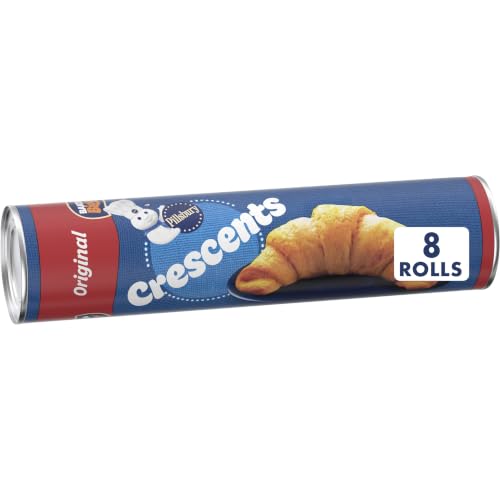
Pillsbury Original Crescent Rolls Pastry Dough, 8 oz

Pillsbury Grands! Original Flaky Layers Biscuits, 16.3 oz
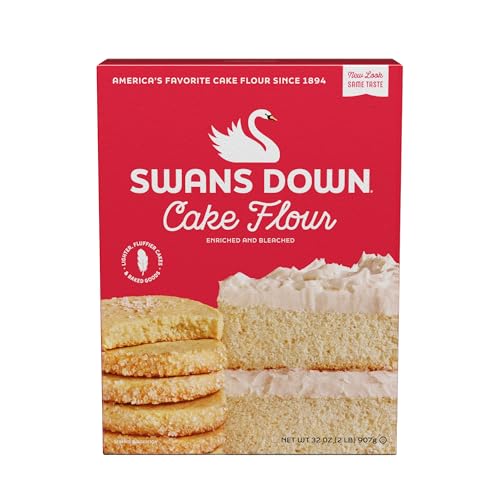
Swans Down Regular Cake Flour 32oz
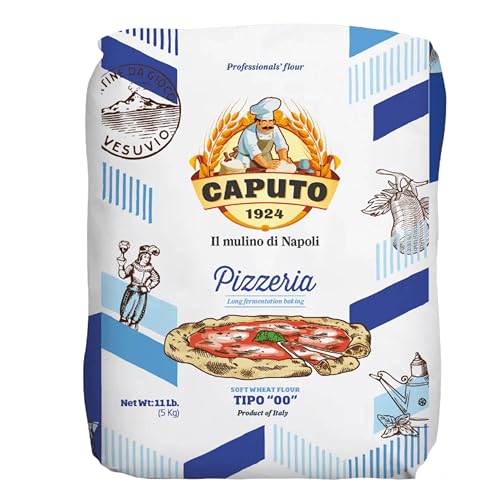
Antimo Caputo Pizzeria Flour Blue, 11 lb (00)

King Arthur Bread Flour, Unbleached, 5 lb

Pillsbury Grands! Butter Tastin’ Flaky Layers Biscuits

Pillsbury Grands! Buttermilk Flaky Biscuit, 16.3 oz

Gold Medal All Purpose Flour, 4.25 lb Resealable Bag

King Arthur Cake Flour, Unbleached, 2 lb (Pack of 2)

Antimo Caputo Chefs Flour 00, 2.2 lb (Pack of 10)
Skip the lamination entirely with this 8-oz refrigerated tube that lands eight pre-scored crescents on a baking sheet within minutes. Pop, unroll, shape, and bake; the dough does the folding work for you. You lose control over hydration, butter ratio, and final shape, but you gain speed and consistency on a Tuesday night.
The tube fits in any fridge door and forgives first-time bakers completely. For a casual brunch or quick bread basket, it covers the spread without ceremony.
A Strong Showing
- Ready in minutes from a cold tube, no lamination needed
- Pre-scored triangles roll out cleanly and uniformly
- Versatile base for sweet or savory fillings
- Compact 8-oz size prevents dough waste
Things To Consider
- Texture leans bready rather than paper-thin layered
- Contains preservatives not found in scratch doughs
- Limited to eight crescents per can for gatherings
Who It Suits Best
Weeknight cooks who want a buttery crescent without the eight-hour lamination schedule.
Where Another Pick Suits Better
Bake-from-scratch enthusiasts should reach for the Antimo Caputo Pizzeria Flour Blue instead, which rewards real lamination work.
Where the original crescent tube makes snack-size rolls, this 16.3-oz can delivers eight oversized biscuits that puff into tall, layered rounds on a cookie sheet. The bigger format turns a quick bake into something closer to a brunch plate. You trade the crescent shape for round, golden domes with visible flake rings on the side.
For households that treat biscuits as a weekend breakfast staple, the larger count and forgiving pop-open can simplify prep considerably.
A Few Highlights
- Big biscuits provide a sturdier base for gravy or egg sandwiches
- Pull-apart layers create visual drama on a serving plate
- Generous 16.3-oz can feeds a small family in one bake
Worth Noting
- Not a true croissant in shape, layers, or butter content
- Bake times vary by oven, and overbaking dries out the crumb fast
Made For
Families running big Saturday breakfasts who want a flaky side without any lamination work.
Consider Something Else When
Anyone chasing crescent shape specifically should pick the Pillsbury Original Crescent Rolls Pastry Dough, 8 oz over this biscuit-style option.
Swans Down’s regular cake flour is milled from soft winter wheat and contains no baking powder or salt, giving you a blank canvas. The 32-oz bag suits occasional bakers who want a smaller investment than five-pound sacks. For croissants specifically, this flour trades structure for tenderness, producing a more delicate, almost shortbread-like bite.
You may find the lower gluten strength tricky during lamination; the dough is forgiving in your hands but can tear if overworked. Compared to the higher-protein King Arthur Bread Flour, the two are playing entirely different games.
A Favorable Mix
- Soft wheat base produces a tender, melt-in-mouth crumb
- No added salt or leavening keeps recipes fully customizable
- 32-oz size fits modest batch bakers
Trade Offs
- Lower protein can struggle to hold laminated layers under heavy butter blocks
- Smaller bag means repurchasing more often for high-volume bakers
Best Suited To
Bakers chasing a softer, more cake-like interior who accept that the layers will be less dramatic.
Not Your Match When
Anyone wanting tall, bakery-window rise should swap in the King Arthur Bread Flour, Unbleached, 5 lb, which brings the structure this flour lacks.
Imported from Naples, this 11-lb bag of Italian 00 flour is a Tipo “00” low-extraction soft wheat flour, meaning it’s milled extra-fine and sifted to a powdery consistency. Designed for wood-fired pizza, the protein sits around 4%, which produces an elastic, chewy dough that stretches thin without tearing. For croissants, that fine grind gives you smooth lamination and a tender final crumb that holds visible layers.
The 00 grind behaves differently from the all-purpose Gold Medal option, requiring more attention to hydration during mixing. Serious lamination bakers will appreciate how cleanly the dough rolls out without springing back hard.
What Helps Most
- Fine 00 grind supports ultra-thin dough sheets for lamination
- Soft wheat base gives the interior a tender bite
- Generous 11-lb bag serves repeat bakers for months
Honest Caveats
- Lower protein than bread flour means less lofty vertical rise
- Italian 00 grind absorbs water differently from standard recipes
Key Specs
Perfect Match For
Home bakers who want true lamination structure and an Italian-style tender interior, willing to dial in hydration carefully.
Look Elsewhere When
Beginners seeking simple all-purpose behavior should pick the Gold Medal All Purpose Flour, 4.25 lb Resealable Bag instead.
Unbleached bread flour from King Arthur, a brand trusted by American home bakers, brings a higher protein content than national alternatives. The extra gluten means a stronger rise and a more elastic dough that can survive the stress of multiple lamination turns. For croissants that need to spring tall in the oven, this is a workhorse pick.
The crumb leans chewier and more open than the soft-wheat 00 alternative above, which some bakers prefer for sandwich-style croissants. If your last croissant batch came out flat, the gluten strength here is likely the fix.
The Good Stuff
- Higher protein content produces stronger, loftier layers
- Trusted brand with consistent batch-to-batch performance
- Unbleached formulation avoids chemical processing
Points To Keep In Mind
- Higher gluten can feel tough if dough is underhydrated
- Crumb structure is more rustic than tender cake-flour croissants
Key Specs
Who Should Grab It
Intermediate bakers who want tall, structurally sound croissants and trust a familiar pantry brand.
A Better Fit Elsewhere
Bakers seeking ultra-tender pastry should pick the Swans Down Regular Cake Flour 32oz for a softer final crumb.
This butter-focused variant of the Grands! line layers in extra richness to the standard biscuit format, producing an aromatic, golden dome on each bake. The “butter tastin'” formulation gives you a flavor profile closer to a scratch biscuit than the original variant. The eight-count can feeds a small group, and the pop-open tube remains the lowest-effort option on this list.
You won’t get a crescent shape or true lamination, but you do get a flaky layered round that pairs with soups and stews beautifully. For a richer shortcut bread, this lands in a useful middle ground.
The Practical Payoff
- Enhanced butter flavor mimics scratch baking
- Visible flake layers create appetizing presentation
- Refrigerated tube stores conveniently for spur-of-the-moment bakes
Small Caveats
- Not a substitute for laminated pastry in croissants
- Single 16.3-oz can limits larger gatherings
Right Fit For
Busy households that want a richer-tasting biscuit than the Original variant offers, without any lamination commitment.
Skip It When
Anyone wanting tangy depth should pick the Pillsbury Grands! Buttermilk Flaky Biscuit, 16.3 oz, which adds a buttermilk note instead.
Buttermilk powder in the dough gives this Pillsbury variant a noticeable tang and a more complex flavor than the original. The acid in buttermilk also reacts with the leavening to push the rise higher, producing some of the tallest refrigerated biscuits on the market. For savory applications, the tang cuts through richness in a way that plain buttermilk alternatives cannot.
Pull-apart layers stay defined on cooling, and the aroma during baking tends to fill a kitchen. The same refrigerated format applies, so the prep workflow remains identical to other Pillsbury canned doughs.
The Helpful Details
- Buttermilk tang adds depth that plain variants lack
- Higher rise than non-buttermilk refrigerated options
- Same effortless pop-and-bake format as other Pillsbury cans
A Few Limitations
- Buttermilk note may not suit every croissant-leaning recipe
- Canned dough limits shape control compared to scratch baking
Built With In Mind
Home cooks pairing biscuits with savory mains who want a tangy counterpoint to rich, buttery spreads.
Another Choice May Suit
Anyone preferring pure butter flavor over tang should reach for the Pillsbury Grands! Butter Tastin’ Flaky Layers Biscuits instead.
Gold Medal’s all-purpose flour is the classic American pantry pick, milled to handle everything from cookies to yeast breads without specialization. The 4.25-lb resealable bag fits standard kitchen storage and keeps the flour fresh across months of use. For bakers who want a single bag that handles croissants alongside cookies, cakes, and pie crust, this delivers on its versatile promise.
The protein level sits between cake and bread flour, so it compromises on both fronts. It won’t deliver the tall rise of the King Arthur option or the tenderness of Swans Down, but it won’t let you down on a first attempt either.
Points In Its Favor
- All-purpose formulation works for croissants and dozens of other recipes
- 4.25-lb resealable bag keeps flour fresh between bakes
- Widely available and consistently milled
Where It May Fall Short
- Middle-of-the-road protein won’t match the rise of dedicated bread flour
- Lacks the fine texture of Italian 00 for advanced lamination projects
Feature Snapshot
Whose Shelf It Belongs On
Casual home bakers who want a single reliable flour for croissants and a wide range of everyday recipes.
Reach For A Different Pick When
Experienced bakers chasing serious lamination structure should pick the Antimo Caputo Pizzeria Flour Blue for finer 00 grind.
King Arthur’s unbleached cake flour arrives in a two-pack totaling 4 lb, milled from American wheat with no bleach, no bromate, and no artificial preservatives. The Non-GMO Project Verified label appeals to clean-label shoppers who scrutinize ingredient lists. The protein content is around 10%, which falls into a low-gluten category suited to tender baked goods rather than high-rise structures.
For croissant doughs, that low protein means a more delicate, almost melting interior. You give up some of the loft you’d see with the King Arthur bread flour sibling on this list.
Useful Touches
- Unbleached, unenriched flour with no additives
- Non-GMO Project Verified for ingredient-conscious bakers
- Two-pack offers better value per ounce than single bags
Potential Compromises
- Lower protein limits rise in yeasted laminated doughs
- Clean-label status commands a higher per-pound cost
Feature Card
Who Will Love This
Ingredient-conscious bakers willing to trade some rise for a clean label and a tender, melt-in-mouth interior.
Swap It Out When
Bakers chasing taller, more elastic layers should reach for the King Arthur Bread Flour, Unbleached, 5 lb from the same trusted brand.
This ten-pack delivers 22 lb of Antimo Caputo’s Chef’s Flour 00, a soft-wheat Italian flour designed for long-fermentation baking, pizza, bread, and pasta. The case format suits home bakers who go through flour fast or anyone running a small teaching kitchen. The fine 00 grind handles lamination smoothly once you dial in hydration.
You get the same Neapolitan heritage as the Pizzeria Blue option, in a multi-pack that lowers the per-pound cost considerably. Storage becomes the practical concern: 22 lb of flour takes serious real estate in a pantry or freezer.
What Works In Its Favor
- Bulk ten-pack drops the per-pound cost substantially
- Fine 00 grind handles pizza, bread, and laminated doughs equally well
- Soft wheat base supports long fermentation timelines
Things To Weigh Up
- 22 lb total requires significant pantry or freezer space
- Same hydration challenges as other Italian 00 options
The Right Fit
Frequent home bakers and instructors who work through flour quickly and want a serious 00 supply on hand.
Where A Sibling Pick Shines
Casual bakers baking croissants once a month should pick the Antimo Caputo Pizzeria Flour Blue, 11 lb instead, since the smaller bag stays fresh in normal use.
What Matters Most Before Choosing Croissant Flours
Protein Content And Gluten Strength
Protein drives gluten formation, and gluten decides whether your croissant holds tall or collapses mid-bake. Bread flour at the higher end gives the most structure, while cake and 00 soft-wheat flours trade rise for tenderness. The honest read is that beginners often do best with mid-range all-purpose options, while committed lamination bakers graduate toward bread flour or fine 00 for repeatable results.
Milling Texture And Lamination Behavior
The fineness of the grind shows up immediately when you roll. Italian 00 mills sift flour to a powdery, talc-like texture, which glides under the pin without springing back. Coarser all-purpose flours grab and resist, which can push butter through the dough during turns. Texture matters more than most home bakers realize, and the difference shows in the flake count after baking.
Shortcut Doughs Versus Scratch Work
Refrigerated tubes and cans skip lamination entirely, trading the flakiness of real croissants for speed and consistency. They’re useful in their own right, but they don’t replicate the layered structure of scratch baking. Decide which trade-off fits your week, not your aspirations.
Bag Size And Storage Reality
A 22-lb case pack only saves money if you can store and rotate through that volume before the flour stales. Smaller 2-lb to 5-lb bags stay fresh longer in a typical home pantry. Frequent bakers benefit from bulk; occasional bakers pay for it in waste.
Key Considerations Across These Picks
Pitfalls Shoppers Hit
The most common mistake in this category is assuming any white flour will produce a real croissant. All-purpose works for entry-level results, but the lamination won’t behave the same way it would with bread flour or Italian 00. Another trap is overbuying bulk bags to save per-ounce, only to find the flour sits past its peak months later. Match bag size to actual baking frequency, not to perceived savings.
When Paying More Pays Off
Premium Italian 00 and unbleached, additive-free flours cost more per pound for reasons that show up at the rolling stage and the oven. Finer milling, cleaner ingredient lists, and stronger protein content all contribute to more consistent results across batches. For bakers running croissants weekly, the upgrade cost amortizes quickly; for occasional bakers, the premium rarely earns its keep. The honest calculation is frequency plus skill level, not just price per bag.
Frequently Asked Questions
What Is The Best Flour For Croissants?
For traditional lamination, bread flour or fine Italian 00 produces the best structure and flake. All-purpose flour works for entry-level projects but won’t deliver the same rise or layer definition. Cake flour produces a more tender, less lofty result that some bakers prefer for a softer bite.
Can You Use Regular Flour For Croissants?
Yes, regular all-purpose flour can produce decent croissants for casual baking. The protein level sits between bread and cake flour, so you’ll get moderate rise and acceptable layers. Dedicated bread flour or 00 gives better results for serious lamination work.
What Is 00 Flour?
00 flour, or Tipo 00, is an Italian flour classification referring to the finest grind in the milling scale, with the “00” indicating how finely the wheat is sifted. It is not a measure of protein content. For croissants, 00 soft wheat produces a very smooth, fine-textured dough that handles lamination well.
Is High-Gluten Flour Necessary For Croissants?
High-gluten bread flour isn’t strictly necessary, but it helps. The stronger gluten network traps gas during the final proof and supports the weight of the laminated butter layers. Bakers using all-purpose flour can still succeed, though the result tends to be slightly less lofty and more tender.
How Long Does Flour Last In Storage?
Properly stored in a cool, dry, sealed container, all-purpose and bread flours typically stay fresh for 6 to 12 months. Whole wheat flours have a shorter shelf life due to the oils in the bran. For long-term storage beyond several months, refrigeration or freezing extends freshness and slows oxidation.
Bottom Line
Croissant success starts with matching flour to your skill level and your baking frequency. Beginners get the most mileage from all-purpose or shortcut canned doughs, while committed bakers graduate to bread flour or Italian 00 for the lamination control those flours deliver. The ten picks above cover every comfort level, from a five-minute tube to a 22-lb bulk case, so the right starting point is the one you’ll actually use. Pick the flour that fits your kitchen, your schedule, and the layers you want to see on the cooling rack.
