

Pulling a dense, syrupy shot at home starts with the bean. A great espresso needs roast depth, fresh grinding, and a blend that holds its character through high-pressure extraction. The picks below cover Italian classics built for machines like the Lavazza and single-origin options for folks who want a more expressive cup. A note on roast: many of these sit in the “dark” or “medium-dark” zone the way most roasters actually use the term, and they work just as well in a moka pot or espresso basket as in a super-automatic.
How The Shortlist Stacks Up

Lavazza Espresso Whole Bean Coffee, 2.2 lb Bag (Pack of 2)

Lavazza Super Crema Whole Bean Coffee, 2.2 lb Bag (Pack of 2)
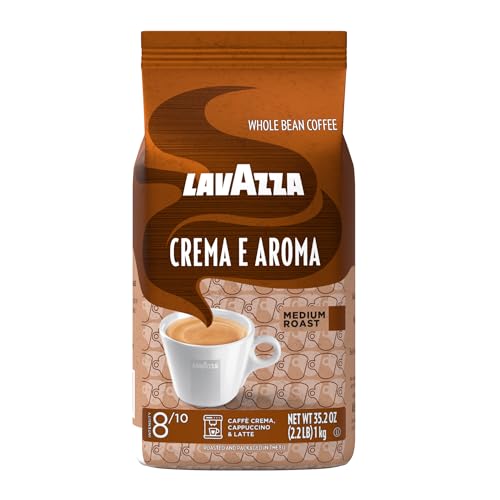
Lavazza Crema E Aroma Whole Bean Coffee Blend, 2.2-Pound

Lavazza Crema e Aroma Whole Bean Coffee, 2.2 lb Bag (Pack of 6)
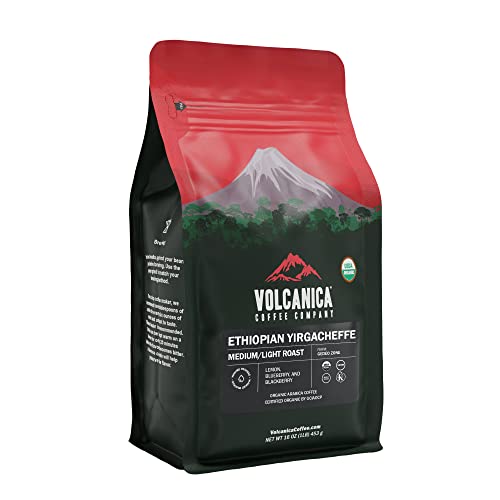
Volcanica Ethiopian Yirgacheffe Coffee, 16-ounce
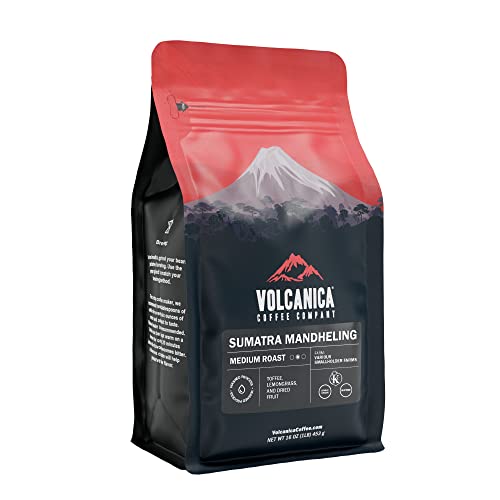
Volcanica Sumatra Mandheling Coffee, 16-ounce

Volcanica Tanzania Peaberry Coffee, 16-ounce
Lavazza Super Crema Whole Bean Coffee, 2.2-pound Bag 2-pack
A Deeper Look At The Lineup
If a softer espresso is your starting line, this 100% Arabica blend lands well. The roast sits in the medium zone at intensity 5/10, so the cup comes across smoother and less bitter than many traditional Italian espresso blends. For a first home setup or for a household where multiple people drink milk-forward espresso drinks, the gentle profile is easy to share.
Whole-bean form keeps the aromatics protected until you grind, which matters more than people think once a bag is opened. The twin 2.2 lb bags stretch supply across a long stretch of daily shots. Compared with the bolder Lavazza picks below, this one trades punch for roundness, so it pairs nicely with steamed milk or a long pour-over weekend.
Useful Touches
- 100% Arabica blend keeps bitterness low and body round
- Medium roast intensity (5/10) plays well with milk drinks
- Twin 2.2 lb bags keep fresh beans on hand for months of daily use
- Whole bean form preserves aromatics until you grind to order
Things To Consider
- Lacks the heavy crema and snap of Robusta-forward blends
- Two large bags take up real cabinet space after opening
Whose Shelf It Belongs On
Home baristas who like a smooth, low-bitterness espresso and drink mostly milk-based drinks will find this an easy daily fit.
A Better Fit Elsewhere
Anyone chasing a richer crema and heavier body should reach for the Lavazza Super Crema Whole Bean Coffee instead.
Super Crema is the everyday Italian espresso benchmark for a reason. The Arabica and Robusta mix brings that trademark thick, tan crema and a full-bodied mouthfeel that holds up under milk. Sourced from 15 growing regions, the blend pulls together nutty sweetness with a quiet cocoa edge, so straight shots stay interesting without shouting.
Compared with Item 1’s all-Arabica smoothness, this one pushes more body and aroma, which is exactly what most home machines are tuned for. A medium espresso roast reads as “dark” to many North American palates, so it bridges the two camps nicely. The twin-pack format keeps the grinder fed for serious daily use.
What It Does Well
- Arabica-Robusta blend produces a tall, stable crema on every pull
- Balanced body pulls espresso shots that still taste great with milk
- Multi-region sourcing gives a layered, repeatable flavor profile
Points To Note
- Robusta content adds noticeable caffeine versus all-Arabica options
- Crema can fade if beans sit in the hopper for too long between grinds
- Four and a half pounds total is a heavy commitment in a small kitchen
Quick Facts
Best Suited To
Daily espresso drinkers who want a reliable, crema-forward shot on a standard home machine.
Consider Something Else When
Espresso fans who prefer an intense, chocolate-driven cup should look at the Lavazza Crema E Aroma Whole Bean Coffee Blend instead.
Crema E Aroma pushes the intensity dial harder than Super Crema. The blend lands at 8/10 intensity with a balanced medium roast, which translates to a thicker, earthier cup with a long-lasting crema. Chocolate notes are a recurring theme here, and they sit well next to a steamed-milk breakfast or a small pastry.
Source beans span South America, Africa, and Asia, so each region contributes a different layer to the cup. For home baristas stepping up from a milder Arabica, the deeper profile is a natural next move. Compared with Item 2, this one leans darker and a touch more resinous, with less of the buttery middle and more of a roasted-cocoa finish.
Strong Points
- Intensity 8/10 brings a fuller, earthier espresso body
- Chocolate notes stay readable in both straight shots and lattes
- Crema holds up longer than lighter roasted blends
Honest Caveats
- Single 2.2 lb bag runs out faster than the 2-packs on this list
- Darker profile can read as smoky on cheaper home grinders
- Not the right pick for fans of bright, acidic espresso cups
Made For
Drinkers who want a strong, chocolate-leaning Italian espresso with serious crema and a more traditional flavor profile.
Skip It When
Anyone chasing a softer, fruitier cup will find the Volcanica Ethiopian Yirgacheffe a more expressive single-origin option.
The same Lavazza Crema E Aroma blend, scaled up to a six-bag bulk pack. Offices, busy households, and small cafés often need that kind of volume to keep an espresso machine busy through the week. The flavor profile mirrors Item 3, so you’re not giving up taste for quantity.
Storing the full run of bags is the real consideration. A cool, sealed cabinet away from sunlight is essential, and most owners rotate opened and unopened bags to keep beans at peak. The medium roast intensity still feels dark in the cup, and the Robusta content keeps crema dense shot after shot.
Useful Strengths
- Six 2.2 lb bags cover months of regular espresso service
- Same proven Crema E Aroma blend, just in a larger total volume
- Strong choice for offices, shared spaces, and small commercial setups
Some Limits To Know
- Bulk quantity needs careful storage to keep beans fresh across weeks
- Overkill for households that only pull a couple of shots a day
At A Glance
The Right Fit
Offices, B&Bs, and households that pull multiple espresso shots every day will get the most out of this volume.
Look Elsewhere When
Smaller households brewing one or two shots at a time will find the Lavazza Super Crema 2-pack a less wasteful choice.
Yirgacheffe is the most lyrical coffee region in Ethiopia, known for bright acidity and floral, fruit-forward cups. Volcanica roasts it as a medium body, which is unusual for “dark espresso” conversations, but the bean handles an espresso basket surprisingly well, especially when pulled longer as a lungo. Expect lemon, blueberry, and blackberry notes layered over a thick mouthfeel.
Phytosanitary testing before export and lab analysis on arrival address one of the common concerns with single-origin beans: cleanliness and mold. USDA Organic and Kosher certifications add a layer of traceability that matters for some households. The trade-off is a brighter, less traditionally “dark” cup, so the 16 oz bag is a great way to test the style without overcommitting.
What Makes Sense
- Single-origin Yirgacheffe brings genuine fruit and floral character to espresso
- USDA Organic and Kosher certifications are confirmed in the listing
- Pre-export and post-arrival safety testing gives extra peace of mind
Worth Noting
- Bright acidity is a noticeable shift from Italian-style espresso cups
- Smaller 16 oz bag means more frequent reorders for heavy drinkers
Feature Snapshot
Perfect Match For
Curious espresso drinkers who want to explore single-origin flavor without giving up the dense body of a proper shot.
Another Choice May Suit
Anyone who prefers a classic Italian espresso with thick crema should reach for the Lavazza Super Crema Whole Bean Coffee instead.
Sumatra Mandheling brings a very different mood to the espresso machine. Volcanica roasts it to a medium level, but the bean itself carries that signature smooth chocolate flavor with earthy undertones that Sumatran coffees are loved for. Pulled as espresso, the cup lands rich, low-acid, and almost syrupy in body, the kind of shot that translates beautifully into a flat white.
USDA Organic certification and the same safety testing process Volcanica applies across its line give the bag the same accountability as the Yirgacheffe pick. The 16 oz format makes sense for a household that wants to rotate between this and a brighter bean. The honest trade-off: if you love citrus and floral espresso, Sumatra will feel quiet and grounded by comparison.
Positive Points
- Chocolate-forward profile makes a beautiful milk-based espresso
- Low acidity is gentler on sensitive stomachs
- USDA Organic and tested for mold and impurities before shipment
Small Caveats
- Earthy, heavy cup is not for drinkers who want bright, fruity espresso
- 16 oz bag runs out quickly with daily use
Who Should Grab It
Espresso drinkers with sensitive stomachs or a clear preference for chocolate, earth, and low-acid cups will love this pick.
Where A Sibling Pick Shines
Anyone after a brighter, fruitier single-origin espresso should consider the Volcanica Ethiopian Yirgacheffe instead.
Peaberry beans are a natural mutation where a single rounded seed grows inside the coffee cherry instead of the usual two flat halves. Volcanica sources these from the slopes of Mount Kilimanjaro in Tanzania, where the resulting cup is wonderfully acidic, richly bodied, and intensely flavored with a fragrant aroma. That concentrated structure shows up clearly in an espresso basket.
For adventurous home baristas, a peaberry is one of the more interesting single-origin experiences available. The flavor leans bright and wine-like, so it sits at the opposite end of the spectrum from the Sumatra pick. Owners commonly report that smaller batches and tight grind settings help bring out the layered acidity this bean is famous for.
The Upside
- Peaberry mutation concentrates flavor into a single rounded seed
- Bright acidity and rich body translate well to a longer espresso pull
- Kilimanjaro origin offers a distinctive wine-like cup profile
Trade Offs
- Bright, acidic cup is a noticeable shift from traditional Italian espresso
- Smaller 16 oz bag and limited growing region mean a higher per-cup cost
Feature Rundown
Built With In Mind
Curious home baristas who already pull single-origin espresso and want to explore a peaberry’s concentrated character.
Swap It Out When
Anyone who wants a richer, more chocolate-driven single-origin cup should try the Volcanica Sumatra Mandheling Coffee instead.
This is the classic Super Crema 2-pack format that introduces countless households to home espresso. The Arabica-Robusta blend is famously forgiving on entry-level machines, so first-timers get a real crema and a balanced cup without needing to dial in grind size obsessively. The medium espresso roast reads as dark in the cup, satisfying the “dark espresso” brief without going burnt.
For a starter home setup, the bag size is generous but not overwhelming, and the price-per-pound tends to be more approachable than the bulk Lavazza options. Compared with Item 4’s six-bag run, this 2-pack is friendlier to small kitchens and tighter budgets. Once you outgrow the forgiving profile, the bolder Crema E Aroma sits a few clicks away on the same shelf.
Features That Help
- Forgiving Arabica-Robusta blend produces crema on most home machines
- Medium espresso roast reads as dark without crossing into burnt territory
- 2.2 lb twin pack is more kitchen-friendly than a 6-bag bulk run
A Few Limitations
- Robusta content may bother drinkers sensitive to extra caffeine
- Flavor profile is more rounded than the bolder Crema E Aroma option
Key Specs
Right Fit For
First-time espresso machine owners who want a reliable, classic Italian cup while they learn their grinder and recipe.
Not Your Match When
Espresso drinkers after a deeper, more chocolate-driven profile should jump to the Lavazza Crema E Aroma Whole Bean Coffee Blend instead.
How To Pick The Right Espresso Bean For Your Kitchen
Roast level matters, but it’s not the whole story. The most useful shopping approach is to match bean style, blend composition, and bag size to how you actually brew. A robust Arabica-Robusta blend will forgive a basic grinder, while single-origin coffees reward a burr grinder and a recipe you can adjust shot to shot. Think about what kind of milk drinks you make, how fast you go through beans, and how much cabinet space you have before settling on a format.
For beginners, a forgiving Italian-style blend (Arabica-Robusta, medium-dark roast, recognizable brand) is the most reliable starting point. More curious drinkers benefit from rotating a classic blend with a single-origin bean to compare. Heavy households should also weigh bulk formats, since bean freshness after the bag is opened is the single biggest factor in flavor, and a sealed spare bag protects the rest of your supply.
Key Considerations Across These Picks
Common Shopping Slip Ups
The biggest mistake is buying a “dark espresso” blend expecting the smoky, oily Italian roasts common in European cafés. Most roasters use “dark” or “medium-dark” loosely, and many “dark” listings pull shots that taste more like chocolate than charcoal. A second trap is chasing the cheapest bulk bag, since stale beans sabotage even the best grinder. Match the bag size to your actual weekly consumption, and only buy a 6-pack if you have a cool, dark, sealed storage spot for the spares.
What The Higher Tier Buys
Stepping up to single-origin beans like Yirgacheffe, Sumatra Mandheling, or Tanzania Peaberry buys you a real sense of place in the cup, distinct acidity or earthiness, and usually stricter sourcing and safety testing. The upgrade is worth it once your grinder and recipe are consistent enough to showcase those differences. For a household that mostly drinks milk-based espresso, the premium tier is more about variety than a daily upgrade.
Frequently Asked Questions
What roast level actually qualifies as “dark espresso”?
Most roasters call a bean “dark” once the color moves past medium brown and the surface takes on a slight sheen of oil. In practice, many “dark espresso” listings sit in the medium-dark zone, dark enough to read as bold in milk but still balanced enough to drink straight. Pulling a long shot will amplify bitterness regardless of roast, so dial your recipe before chasing a darker bag.
Do I need a special grinder for these beans?
A flat or conical burr grinder makes a real difference, especially with single-origin or peaberry beans. A blade grinder will still work with Lavazza-style blends, since the Arabica-Robusta mixes are designed to be forgiving. If you’re stepping up from a starter machine, a burr grinder is the upgrade that pays off the most across every bag on this list.
How should I store opened espresso beans?
Keep opened beans in an airtight container, away from sunlight, heat, and moisture. The original bag with a clip works for a few days, but a proper canister with a one-way valve is better for the 1-2 lb bag sizes above. Avoid the fridge, which adds moisture and pulls ambient odors into the beans, and skip the freezer unless you’re storing beans for several months untouched.
Can I use these beans in a moka pot or drip machine?
Yes, all eight picks work in moka pots, drip machines, and pour-over setups. Lavazza blends are tuned for espresso but brew cleanly in any method, and the Volcanica single-origins open up nicely as a longer filtered cup. The most noticeable difference shows up in the crema, which only espresso machines and moka pots really produce.
How long do whole beans stay fresh?
Whole beans stay at peak flavor for roughly 3-4 weeks after the roast date, then lose aromatic complexity over the next several weeks. Ground beans go stale much faster, so grinding just before brewing is the easiest quality boost. For large bulk formats like the 6-pack Lavazza Crema e Aroma, only open the second bag once the first is mostly used.
Wrap Up
The honest read: there is no single best bag for every kitchen, only the best match for your machine, your milk habits, and how curious you are about flavor. Lavazza Super Crema is the safe everyday anchor, Crema E Aroma pushes the dial darker, and the Volcanica single-origins add variety when you want a cup with a sense of place. Start with a forgiving blend, rotate in something new once you have your grinder dialed in, and you will spend the rest of the year pulling better shots at home.
