

Finding the right dark roast espresso beans shapes your morning ritual more than almost any other kitchen decision. A bag that runs too oily can clog a super-automatic machine, while one that leans too smoky buries the origin character you paid for. This lineup cuts through the noise with nine distinct options, from single-origin Nicaraguan lots to Italian-style espresso blends built for milk drinks.
A Closer Look At The Lineup

Lavazza Espresso Whole Bean Coffee, Medium Roast, 2.2 lb Bag (Pack of 2)
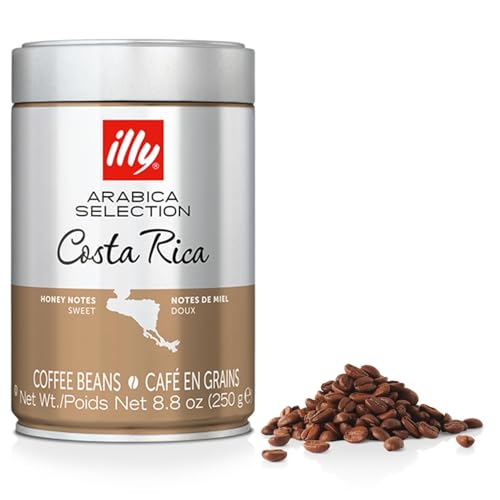
illy Costa Rica Single Origin Whole Bean Coffee, 8.8 Ounce

Tiny Footprint Nicaragua Segovia Dark Roast Whole Bean, 3 Pound

Tiny Footprint Nicaragua Segovia Dark Roast Ground Coffee, 16 Oz

Tiny Footprint Cold Press Elixir Cold Brew Whole Bean, 3 Pounds
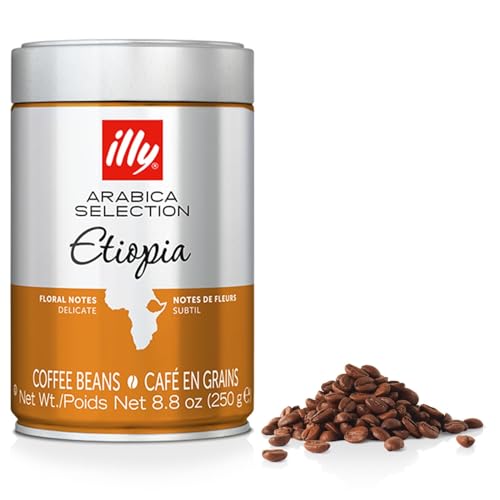
illy Ethiopia Single Origin Whole Bean Coffee, 8.8 Ounce
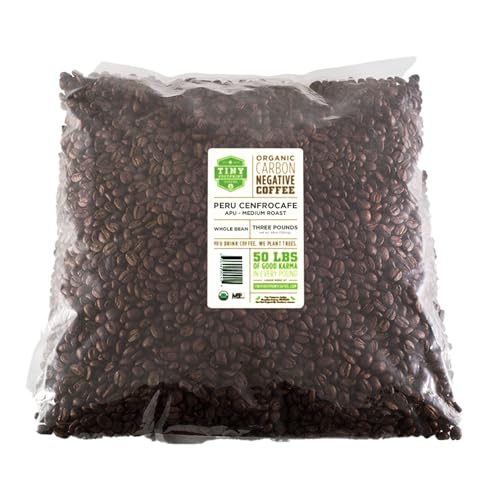
Tiny Footprint Peru APU Medium Roast Whole Bean, 3 Pounds

Lavazza Super Crema Espresso Whole Bean Coffee, 2.2-pound 2-pack

Tiny Footprint Signature Blend Light Roast Whole Bean, 3 Pounds
The Strengths Of Each Pick
Lavazza’s Espresso Whole Bean Coffee lands at a measured intensity of 5 out of 10, a clever middle ground that appeals to households splitting their morning between drip, French press, and a stovetop moka. The two-bag, 2.2-pound format keeps a steady supply on hand for roughly six to eight weeks of daily use, depending on how many cups your household runs through.
Built on a 100% Arabica blend, this is the kind of bean that rewards a consistent grind and a clean machine. Run it through a burr grinder set slightly finer for espresso and you get a balanced extraction with aromatic lift.
A Strong Showing
- 100% Arabica blend with a moderate intensity rating, ideal for shared kitchens where tastes run mild to medium.
- 2.2-pound twin-bag format reduces how often you reorder, helpful for heavy daily drinkers.
- Whole-bean format preserves volatile aromatics much longer than pre-ground options.
- Pairs well with both moka pots and entry-level espresso machines without overwhelming either.
Points To Note
- Intensity 5 out of 10 sits closer to medium than dark, so drinkers chasing a deeply roasted espresso profile may want to look at the Lavazza Super Crema later in this list.
- Whole beans require a burr grinder for best results, which adds to the upfront gear investment.
Who It Suits Best
Households brewing drip or moka coffee who want a reliable, mild-to-medium Arabica blend in a generous format.
Look Elsewhere When
Drinkers seeking a darker, crema-rich shot should consider the Lavazza Super Crema Espresso Whole Bean Coffee reviewed further down.
illy’s Costa Rica single-origin offering reads like a quiet cousin to the Lavazza blend above, trading the Italian-style multi-origin approach for one distinct terroir. The 8.8-ounce pressurized can (a hallmark of the illy line) keeps oxygen out far better than a typical paper bag, which matters for beans you may take a few weeks to finish.
You get a 100% Arabica medium roast with notes of honey, vanilla, and citrus. That profile pulls toward a softer, sweeter cup that works beautifully in a pour-over but can flatten out under heavy milk.
A Favorable Mix
- Single-origin Costa Rica gives you a clear flavor fingerprint instead of a blended compromise.
- Pressurized tin protects bean freshness over the multi-week span most people take to finish a small can.
- No preservatives, 100% Arabica, and consistent roast level from illy’s monitored production.
Trade Offs
- 8.8-ounce tin runs out quickly for daily espresso drinkers, and the smaller size often means a higher per-ounce cost.
- Medium-roast profile and citrus acidity can disappear behind a full eight ounces of steamed milk.
Built With In Mind
Single-origin enthusiasts and pour-over drinkers who want a traceable, lightly sweet cup without committing to a one-kilo bag.
Swap It Out When
Anyone wanting a darker, bolder espresso base should look at the Tiny Footprint Nicaragua Segovia Dark Roast covered next.
This is the first dark-roast entry on the list, and it pulls no punches. Tiny Footprint sources from the Segovia region of Nicaragua through the PRODECOOP cooperative, with USDA Organic, Fair Trade, and shade-grown certifications layered into the supply chain. The brand is also one of the few that publishes a carbon-negative footprint claim tied to reforestation work.
At 3 pounds, this bag suits a household or small office that runs two to three espresso shots a day. Compared with the illy Costa Rica above, you trade delicate honey-citrus notes for chocolate, apricot, and a deeper, more syrupy body.
Strong Points
- Dark roast profile holds up under milk drinks, so lattes and flat whites keep their structure rather than washing out.
- USDA Organic, Fair Trade, and shade-grown certifications cover most sustainability priorities in one bag.
- 3-pound format is genuinely economical for daily espresso drinkers.
Points To Note
- Dark roast can read ashy or thin in lighter pour-over recipes; dial in a coarser grind or move to a French press.
- Single-origin flavor notes lean toward chocolate and dried fruit, so if you prefer bright, floral cups, this may not match your taste.
Key Product Details
Made For
Espresso drinkers who want a dark, ethically sourced single origin and brew at least a couple of shots a day.
Consider Something Else When
Pour-over purists chasing bright citrus acidity will find more lift in the Tiny Footprint Signature Blend Light Roast at the end of this list.
Same Nicaragua Segovia coffee, different format. The ground version skips the burr grinder entirely, which is a real perk for offices, dorm rooms, and small kitchens where counter space is at a premium. You get the same chocolate and dried-fruit profile as the whole-bean version, just with a shorter freshness window.
The 16-ounce bag is the smallest in the Tiny Footprint dark-roast family, so it works well as a low-commitment entry point before stepping up to the 3-pounder above.
Why It Works Well
- Pre-ground format removes the need for a grinder, ideal for travel setups, hotels, and small kitchens.
- Same organic, Fair Trade, shade-grown, and carbon-negative credentials as the whole-bean sibling.
- 16-ounce bag is a low-risk way to test the flavor before committing to a larger format.
A Few Limitations
- Ground coffee loses aromatic compounds faster than whole bean once the bag is opened; plan to use it within three to four weeks.
- Pre-ground particles are sized for general drip brewing, so dialing in a proper espresso pull can be tricky.
Whose Shelf It Belongs On
Drip-brewer households and travel setups that want a dark, ethically sourced coffee without buying a grinder.
Reach For A Different Pick When
Espresso machine owners who want fresh grounds per shot should step up to the Tiny Footprint Nicaragua Segovia Dark Roast whole-bean option reviewed just before this one.
Technically a cold-brew blend, but the light-and-dark roast mix (with an Ethiopian addition for fruit and floral lift) makes it a versatile pick for iced espresso drinks and nitro brews. The 3-pound bag matches the Nicaragua Segovia offering in format, so the value math stays simple for someone already buying in volume.
Compared with the pure dark-roast entries earlier, this blend pulls more silkiness and a touch of citrus into the cup. You can absolutely pull a hot espresso shot with it, but the sweet spot is a 12 to 18 hour cold steep.
Real Benefits
- Built specifically for cold brew, so flavor extraction stays balanced over long steeping times.
- USDA Organic, Fair Trade, shade-grown, and carbon-negative credentials match the rest of the Tiny Footprint line.
- 3-pound format keeps cost per ounce competitive for daily cold-brew drinkers.
Things To Consider
- Light-and-dark blend pulls in different directions; if you want a pure dark espresso character, the Nicaragua Segovia is a better single-purpose pick.
- Cold-brew optimization means you may need to grind coarser than typical drip recommendations to avoid over-extraction.
Feature Snapshot
Best Suited To
Home baristas building a cold-brew or iced-espresso routine who want a versatile, ethically sourced bean.
A Better Fit Elsewhere
Drinkers wanting a straight hot espresso with thick crema will get a more focused result from the Lavazza Super Crema Espresso Whole Bean Coffee later in this lineup.
The Ethiopia entry from illy’s Arabica Selections line steps away from the Costa Rica’s honey-vanilla sweetness and pushes toward a floral, jasmine-led cup. It’s a light roast, which puts it in deliberate contrast to the dark-roast crowd dominating this list, but its single-origin clarity makes it a useful counterpoint for anyone building a rotation.
The familiar 8.8-ounce pressurized tin keeps the delicate aromatics intact, much like the Costa Rica tin above. You get a 100% Arabica, preservative-free bean with no flavorings added at any step.
Standout Benefits
- Single-origin Ethiopia gives you a clear floral and citrus profile that blended bags rarely replicate.
- Pressurized tin protects delicate aromatic compounds over the weeks it takes to finish a small can.
- 100% Arabica, no preservatives, consistent quality control from illy’s monitored supply chain.
Honest Caveats
- Light roast reads thin and bright under steam wand milk, so it’s less suited to traditional cappuccinos.
- 8.8-ounce tin disappears quickly for daily drinkers, and the per-ounce cost adds up.
Who Should Grab It
Pour-over and Chemex drinkers who want a distinct, aromatic single origin in a smaller, freshness-protective format.
Not Your Match When
Anyone wanting a heavier body for milk drinks should pivot to the Lavazza Super Crema Espresso Whole Bean Coffee two reviews from now.
The Peru APU leans into a different flavor lane than the Nicaragua dark roast, with soft caramel mouthfeel and a clean citrus acidity that finishes gently. It is a medium roast, so the body lands somewhere between the Lavazza Espresso blend at the top of this list and the deep, syrupy Nicaragua dark roast reviewed earlier.
Source-wise, you are still inside the Tiny Footprint family: USDA Organic, Fair Trade, shade-grown, and tied to the brand’s carbon-negative reforestation effort. The 3-pound format matches the rest of the line, so switching between their coffees does not require any storage change.
Notable Gains
- Medium roast with caramel and gentle citrus works as an everyday all-day cup, from morning drip to afternoon pour-over.
- USDA Organic, Fair Trade, and shade-grown certifications carry through from the Nicaragua line.
- 3-pound format offers solid value for households brewing multiple cups daily.
Softer Spots
- Medium roast profile may feel mild if you specifically want a heavy, smoky dark-roast espresso.
- Origin-specific flavor (caramel, citrus) can be subtle if you grind too coarse or under-dose.
Key Product Details
Right Fit For
Drinkers who want a balanced medium roast with ethical credentials and the flexibility to brew any way they like.
Where Another Pick Suits Better
Anyone who wants a darker, more intense espresso pull will find more body in the Lavazza Super Crema Espresso Whole Bean Coffee reviewed next.
Lavazza’s Super Crema is the espresso blend most home baristas reach for when milk drinks are the goal. A combination of Arabica and Robusta gives the shot its structure and that signature thick crema on top of a pulled double. The two-bag, 2.2-pound twin pack keeps you stocked for two to three months depending on use.
Where the Lavazza Espresso at the top of the list runs mild and Arabica-only, this blend is intentionally built heavier and more robust. That translates to better latte art and a cup that holds its character even under a full eight ounces of steamed milk.
What Helps Most
- Arabica and Robusta blend produces a stable, thick crema that holds up under milk and latte art.
- 2.2-pound twin-bag format supports heavy daily use without frequent reordering.
- Whole-bean format preserves volatile aromatics for weeks after the bag is opened.
Where It Is Less Suited
- Presence of Robusta adds caffeine and a slightly more bitter edge that purist Arabica drinkers may not enjoy.
- Heavy crema and dense body can overpower delicate single-origin comparisons, so it is not the best cup for cupping sessions.
Feature Rundown
Perfect Match For
Home baristas who pull daily espresso shots and want a reliable, crema-rich foundation for cappuccinos and lattes.
Skip It When
Single-origin devotees focused on traceability and lighter citrus notes should rotate to the illy Ethiopia Whole Bean Coffee instead.
Closing out the list with a deliberate curveball. The Tiny Footprint Signature Blend is a light roast built around bright lemon and orange notes with a touch of cocoa in the finish. The brand seasons its blend from across the globe, which is why the profile swings brighter than any other entry here.
It is the most distinct counterpoint to the heavier dark-roast picks earlier, and a useful rotation option for households that want a brighter morning cup without abandoning the Tiny Footprint sourcing standards.
Positive Takeaways
- Bright citrus and cocoa notes give you a refreshing change of pace from heavier dark-roast bags.
- USDA Organic, Fair Trade, shade-grown, and carbon-negative credentials match the rest of the Tiny Footprint family.
- 3-pound format keeps the per-ounce cost competitive for daily drinkers.
Factors To Consider
- Light roast profile can read sour or underdeveloped in cheap blade grinders, so a proper burr grinder is a must.
- Flavor swings seasonally, so consistency from one bag to the next may vary more than with single-origin offerings.
Who Will Love This
Pour-over and Chemex drinkers who want a bright, citrusy morning cup with full ethical sourcing.
Another Choice May Suit
Anyone who wants a darker, more intense espresso foundation should pick up the Tiny Footprint Nicaragua Segovia Dark Roast covered earlier in this lineup.
What To Weigh Before Choosing Your Next Dark Roast Espresso Beans
Roast Level And Bean Origin
Roast level sets the entire tone of the cup. Dark roasts push toward chocolate, smoke, and caramelized sweetness, while lighter roasts preserve more of the bean’s origin character, like the citrus lift in the Tiny Footprint Signature Blend. If you brew mostly milk drinks, a medium-dark roast with some Robusta in the blend (Lavazza Super Crema) gives you crema and body that hold up against steamed milk. Origin matters because different growing regions produce different flavor fingerprints: Nicaraguan beans tend toward chocolate and dried fruit, Costa Rican toward honey and vanilla, Ethiopian toward jasmine and citrus.
Format, Freshness, And Equipment
Whole beans stay fresh much longer than pre-ground coffee, but only if you have a burr grinder capable of a consistent particle size. If you travel often or share an office kitchen without grinder access, the pre-ground Nicaragua Segovia option is a sensible backup. Pressure-sealed tins, like the illy 8.8-ounce cans, protect delicate aromatics for weeks, while standard paper bags start losing volatile compounds within days of opening.
Sustainability And Sourcing
If ethical sourcing ranks high on your list, look for USDA Organic, Fair Trade, and shade-grown certifications. The Tiny Footprint line covers all three and adds a carbon-negative claim tied to reforestation work. Single-origin coffees give you traceability from cooperative to cup, which is useful for anyone who wants to know exactly where their coffee came from. Higher-tier options often pay growers more per pound, which is one reason the 3-pound bags tend to cost more than commodity supermarket blends.
Key Considerations Across These Picks
Pitfalls Shoppers Hit
A common misstep is chasing the darkest roast available without checking bean origin. Dark roasts from low-grade commodity beans taste ashy and thin, while a medium roast from a quality single origin (like the Peru APU) can deliver more depth. Another trap is buying pre-ground coffee in bulk to save money, since ground coffee loses aromatic compounds quickly once the bag is opened. Stick to whole-bean formats in 1 to 3 pound sizes unless you genuinely go through coffee fast.
Where The Extra Money Goes
Paying more in this category usually means better sourcing, smaller-batch roasting, and stricter quality control. Single-origin bags, like the Nicaragua Segovia, cost more because the supply chain is traceable and growers are paid a Fair Trade premium. Pressurized tins (illy) protect freshness longer, which means your last cup tastes closer to your first. Carbon-negative programs (Tiny Footprint) fund reforestation, and that work shows up in the price. If you drink coffee every day, the upgrade usually pays for itself in a noticeably better cup.
Frequently Asked Questions
What is the best grind size for dark roast espresso beans?
A fine grind, slightly coarser than table salt, works well for most home espresso machines. Dark roasts extract faster than light ones, so grinding too fine can push the shot toward bitterness.
How long do whole-bean dark roasts stay fresh?
Stored in an airtight container away from light, whole-bean dark roasts hold their peak flavor for about three to four weeks after the bag is opened. Beyond that, the aromatics fade noticeably.
Are single-origin beans better than blends for espresso?
Neither is objectively better. Single-origin bags give you a clear flavor fingerprint, while blends like Lavazza Super Crema are designed for balance and crema across milk drinks. Pick based on how you brew.
Do I need a special grinder for espresso?
A burr grinder with a fine adjustment range is strongly recommended. Blade grinders produce inconsistent particle sizes, which lead to uneven extraction and weak crema.
What is carbon-negative coffee?
Carbon-negative coffee means the brand funds projects that remove more carbon from the atmosphere than its production emits. Tiny Footprint ties this to reforestation efforts in coffee-growing regions.
Closing Thoughts
The right bag depends on how you brew, how you drink, and what flavors you chase. Dark-roast drinkers who pull milk-heavy shots will find a steady home with Lavazza Super Crema, while single-origin fans can rotate through Nicaragua, Peru, and Ethiopia to keep the morning interesting. Match the roast to your brewing method, and the rest of the decision tends to fall into place.
