

A late-afternoon craving for espresso doesn’t have to mean a sleepless night. The right decaf beans pull a real shot, with the kind of crema, body, and aroma that mirrors a fully caffeinated pull, and you can enjoy them after dinner without staring at the ceiling. With countless options lining retailer pages, the hard part is separating the genuinely espresso-worthy roasts from the ones that taste like dishwater once they hit the basket.
We’ve narrowed nine strong contenders worth your attention. The list leans on origin, roast level, blend balance, and how each one behaves under pressure, so you can match a bag to your machine and your taste. Whether you want pure Arabica softness, a Robusta kick for crema, or a flavored twist for dessert cups, there’s something below worth pulling shots with.
The Choices Worth Comparing
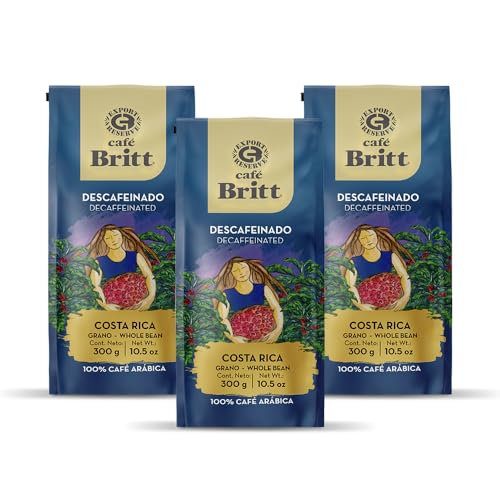
Café Britt Decaffeinated Costa Rican Coffee Whole Bean 10.5 oz 3-Pack
Tim Hortons Whole Bean Coffee 907g 2lb Bag
Lavazza Crema E Aroma Whole Bean Coffee Blend 2.2 lb
Lavazza Espresso Whole Bean Coffee Medium Roast 100% Arabica 2.2 lb Pack of 2
Lavazza Crema e Aroma Whole Bean Coffee Medium Roast 2.2 lb Pack of 6

Bristot Speciale Italian Espresso Coffee Beans Medium Roast 2.2 lb
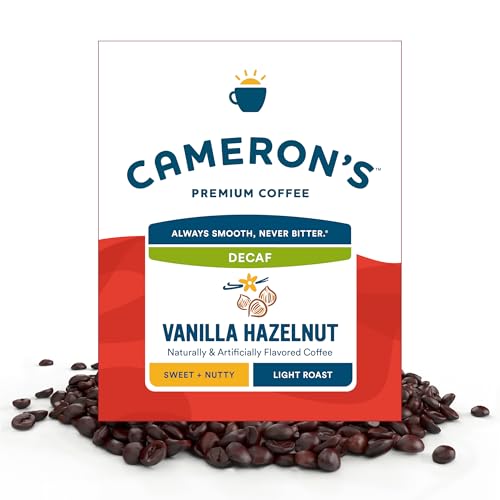
Cameron’s Coffee Decaf Vanilla Hazelnut Whole Bean 4 lb

Bristot Classico Oro Italian Espresso Beans Medium Roast 2.2 lb

Bristot Classico Espresso Beans Medium Roast 2.2 lb
The Strengths Of Each Pick
Costa Rican beans bring a recognizable brightness to espresso, and Café Britt’s decaffeinated take leans into that regional character. The coffee is decaffeinated using the Mountain Water Method, a process that relies on spring water rather than chemical solvents to pull the caffeine out, which matters to drinkers who scrutinize how their beans are processed.
The source beans are Strictly Hard Bean lots grown between roughly 3,900 and 4,600 feet, a range where slow maturation tends to push more complex sugars into the seed. Roasted dark at origin in Costa Rica and packed in a triple-layer bag, the result is a single-origin option that arrives relatively fresh and stays that way through the typical home use cycle.
What Pays Off
- Chemical-free Mountain Water decaffeination that retains more of the original flavor profile
- Single-origin clarity, giving shots a recognizable Costa Rican signature instead of a muddled blend
- Strictly Hard Bean density delivers a heavier bean that grinds to a consistent espresso-friendly texture
- Chocolate, clove, and honey notes translate well to milk drinks, where they hold up against steamed milk
- Triple-layer bag supports longer pantry storage without losing aroma as quickly as single-ply packaging
Trade Offs
- 10.5 oz bags run small for daily espresso drinkers, so you’ll reorder often
- Light acidity and mild body can feel thin in straight double shots for those used to Italian-style blends
- Single-origin flavor can read as one-note to palates accustomed to multi-region complexity
Feature Snapshot
Whose Shelf It Belongs On
Single-origin drinkers who care about the decaffeination process and want a traceable Costa Rican bean for their espresso machine.
Reach For A Different Pick When
Lavazza Crema E Aroma suits you better if you want a heavier Arabica-Robusta blend with richer crema and bolder body in the cup.
Tim Hortons Whole Bean Coffee is one of the most recognizable North American coffee names, and the decaffeinated version follows the brand’s familiar medium-roast approach. The bag holds 907g (about 2 lb), which works out to a long run of beans for a home machine, and it’s also Kosher certified for households that follow that standard.
As an imported Canadian product, the availability and pricing can shift depending on the third-party seller, so the practical experience of buying it may differ from a typical domestic listing. In the cup, the medium roast aims for approachability rather than intensity, which has its own appeal.
Standout Benefits
- Brand familiarity for anyone who already trusts the Tim Hortons flavor profile
- Kosher certified, which narrows the choice for shoppers who need that designation
- 2lb bag provides value for moderate daily drinkers who want fewer reorders
Honest Caveats
- Imported from Canada, so stock and pricing depend heavily on third-party sellers
- Medium roast produces a softer espresso body that may feel underwhelming in straight shots
- Limited origin and blend detail in the listing, leaving flavor expectations vague
Right Fit For
Casual espresso drinkers who already enjoy Tim Hortons’ regular coffee and want a decaf option in the same flavor family.
A Better Fit Elsewhere
Café Britt’s Costa Rican decaf is a stronger match when you want a single-origin profile with clear origin character in the cup.
Lavazza Crema E Aroma is one of those workhorse Italian blends that has been in home kitchens for years, and the decaffeinated version carries the same balance that made the caffeinated original so widely used. The blend combines Arabica and Robusta, and Robusta plays a key role here, since it contributes to the thicker, longer-lasting crema that gives espresso its visual signature.
A medium roast gives the beans a balanced sweetness without the burnt edges that some darker blends develop. The 2.2 lb bag covers several weeks of regular pulling for most households, and the Non-GMO designation is a quiet plus for shoppers who track that.
A Favorable Mix
- Arabica-Robusta combination produces a heavier crema layer, the kind that holds up under latte art
- Balanced 8/10 intensity keeps the cup flavorful without tipping into ash territory
- Non-GMO designation gives peace of mind for shoppers who prioritize that label
- 2.2 lb bag supports a moderate-to-heavy espresso routine without constant reordering
Points To Note
- Robusta content makes the cup a little more bitter than pure Arabica alternatives
- 2.2 lb size can lose freshness in slow-consuming households if not stored airtight
Feature Snapshot
Made For
Home baristas who prize a thick, lasting crema and want a decaf that pulls like a classic Italian espresso.
Look Elsewhere When
Lavazza Espresso Whole Bean Coffee Medium Roast 100% Arabica is the better fit if you prefer a smoother, milder cup with no Robusta bitterness.
For drinkers who find Robusta’s bite too aggressive, this Lavazza offering strips the formula down to 100% Arabica beans. The result is a softer cup that brings more of the gentle, slightly sweet character Arabica is known for, without the heavier crema that Robusta contributes.
The medium roast keeps the bean’s origin flavors visible, so you get a cleaner espresso with brighter aromatic notes. The pack of two 2.2 lb bags provides a long runway for daily drinkers, and the resealable nature of the original Lavazza packaging helps maintain freshness between sessions.
Where It Excels
- 100% Arabica gives a smoother, less bitter cup with subtle sweetness
- Italian-style roast profile stays balanced, never veering into burnt territory
- Pack of two extends use across months, which is convenient for steady drinkers
- Cleaner finish works well in americanos, where Arabica brightness can shine
Some Limits To Know
- Crema is thinner without Robusta, which may disappoint latte art enthusiasts
- Larger total volume (4.4 lb combined) demands airtight storage to prevent staleness
Best Suited To
Drinkers who prefer pure Arabica softness and a cleaner cup over the heavier body that Robusta brings.
Where Another Pick Suits Better
Lavazza Crema E Aroma is the better option if you want a thicker crema and more body in your decaf espresso shots.
When the household runs on multiple daily espressos, single 2.2 lb bags disappear fast. The six-bag configuration of this Crema e Aroma pack gives roughly 13 lb of beans, an amount that suits offices, families, or simply the home drinker who has accepted decaf as a permanent fixture.
The blend itself mirrors the standard Crema e Aroma formula with Arabica and Robusta working together for a thick, balanced crema. The medium roast doesn’t over-darken the beans, so the cup retains some of the natural sweetness you’d expect from a balanced Italian espresso.
Advantages To Know
- Six-bag total volume dramatically reduces how often you need to reorder
- Same proven Crema e Aroma Arabica-Robusta blend as the single-bag version
- Medium roast keeps crema rich while preserving a touch of origin sweetness
Things To Weigh
- Storing six bags demands a real airtight container system to prevent staleness
- Bulk commitment can lock you in if your taste preferences shift after a few weeks
Who Will Love This
Heavy daily drinkers, shared households, or small offices that pull many espressos per day and want to stock up at once.
Skip It When
The single-bag Lavazza Crema E Aroma is a smarter pick if you want to test the flavor before committing to a large volume purchase.
Bristot is roasted in the Dolomites region of Northern Italy, and the brand’s history traces back to 1919, which gives it the kind of provenance that matters to traditional espresso drinkers. The Speciale blend pulls in Brazilian Arabica Cerrado for body and Robusta from Central America and India for that classic crema structure.
Acidity sits at a 6/10 level, noticeably gentler than brighter African or Central American single-origins, which makes this an accessible option for sensitive stomachs. Flavor notes lean toward spice, dark chocolate, and grain, with a toasted bread finish that holds up well in milk-based drinks.
Strong Points
- Lower acidity level (6/10) is easier on sensitive stomachs and gentler in the morning
- 67% Arabica, 33% Robusta blend delivers a classic Italian crema profile
- Dark chocolate and spice notes pair naturally with steamed milk in cappuccinos
- Dolomites-roasted heritage appeals to drinkers who value traditional Italian sourcing
Practical Considerations
- Flavor skews darker and more bitter than brighter Central American alternatives
- Whole bean format requires a proper grinder for full extraction control
Quick Facts
Who Should Grab It
Drinkers with sensitive stomachs or anyone who wants a low-acidity Italian espresso that still delivers on crema and body.
Consider Something Else When
Café Britt’s Costa Rican decaf is a better match if you want bright single-origin notes and a milder medium-roast profile.
Flavored decaf has its place in the espresso rotation, especially for evening dessert cups where a heavy caffeine load is the last thing you need. Cameron’s Vanilla Hazelnut blend layers two familiar notes on top of a base of premium Arabica beans, giving the cup a dessert-like character without leaning on syrup.
The 4 lb bag is one of the larger sizes on this list, and it’s available in smaller pack configurations too for those who want to test the flavor first. Cameron’s roasts in small batches, which helps preserve the aromatic top notes that flavoring depends on, so the vanilla and hazelnut character holds through the bag rather than fading after a few weeks.
Everyday Perks
- Vanilla and hazelnut flavoring creates a natural dessert-coffee pairing without added syrup
- 4 lb bulk size supports long-term use for flavored-coffee households
- Small-batch roasting helps preserve the aromatic top notes that make flavored coffee appealing
Less Ideal Details
- Flavoring can mask the origin character of the underlying Arabica beans
- Flavored beans can leave residue in grinders, requiring more frequent burr cleaning
- Not ideal for traditional espresso purists who want bean character front and center
Perfect Match For
Anyone who wants a sweet, dessert-like decaf espresso for after-dinner cups where flavor trumps origin character.
Not Your Match When
Lavazza Crema E Aroma is the smarter choice if you want classic Italian espresso flavor without the vanilla-hazelnut overlay.
The Classico Oro sits at a slightly more refined point on the Bristot lineup, emphasizing a softer, more aromatic cup than the bolder Classico. Flavor notes lean toward chocolate, malt, and walnut, giving the espresso a comforting sweetness that feels right for both morning and evening pulling.
Like its sibling, this bean is roasted in the Dolomites and built for home espresso machines and bean-to-cup brewers. Low acidity makes it an easy drinker, and the medium roast level strikes a balance that highlights the malt and nut characteristics without burning them away.
Useful Strengths
- Chocolate, malt, and walnut notes create a naturally sweet, comforting cup
- Low acidity profile keeps the espresso smooth across long drinking sessions
- Italian Dolomites roasting tradition brings consistency batch to batch
- Balanced medium roast showcases origin character without bitterness
Room For Improvement
- Softer profile may feel mild to drinkers used to high-intensity Italian blends
- 2.2 lb size requires consistent use or airtight storage to stay fresh
Built With In Mind
Drinkers who want a refined, soft espresso with dessert-like sweetness and a gentle low-acid profile for relaxed sipping.
Swap It Out When
Bristot Classico Espresso Beans is the stronger pick if you want a bolder 10/10 intensity and more pronounced body in your shot.
For drinkers who want their decaf espresso to feel just as assertive as a fully caffeinated shot, the Bristot Classico delivers. The intensity rating sits at a full 10/10, which is unusually bold for a decaf option, and the flavor notes stack up with tobacco, wood, and milk chocolate for a layered, traditional Italian profile.
The Dolomites roasting gives it a regional fingerprint, and the medium/Full City roast depth pulls out the heavier body that bolder espresso fans look for. It’s the kind of bean that pulls well as a straight double and holds its own in milk drinks, where the dark notes cut through steamed milk without disappearing.
Notable Upsides
- 10/10 intensity delivers a bold cup that mirrors a strong caffeinated espresso
- Tobacco, wood, and milk chocolate notes create a layered, traditional Italian flavor
- Full City roast depth provides heavy body for milk-based drinks
- Roasted in the Dolomites, a region with deep Italian espresso heritage
Soft Spots
- High intensity can feel overbearing to drinkers who prefer milder cups
- Bolder roast may overshadow the more delicate notes in light pastries or subtle desserts
Who It Suits Best
Decaf drinkers who want a strong, full-bodied Italian-style espresso that doesn’t pull any punches in the flavor department.
Where A Sibling Pick Shines
Bristot Classico Oro is a better fit if you want similar Dolomites roasting with a softer, sweeter, more aromatic profile.
What Matters Most Before Choosing Decaf Beans For Espresso
Roast level is the first lever, and it sets the cup’s direction before anything else touches the grinder. A medium roast keeps origin character visible, while a darker Full City roast builds body and pulls crema at the cost of those origin notes. Most traditional Italian espresso drinkers land somewhere in the middle.
Blend composition shapes crema and body more than roast alone. Arabica delivers aromatic complexity and a smoother finish, while Robusta contributes thicker crema, more body, and a slight bitterness that cuts through milk. A 100% Arabica bag pulls a cleaner, brighter shot, while an Arabica-Robusta mix gives you the visual crema that defines a classic Italian pull.
Decaffeination method matters to drinkers who scrutinize processing. The Mountain Water Method used in the Café Britt option is chemical-free, while other decaffeination processes rely on solvents or CO2. The method can subtly influence flavor retention, though a well-executed process preserves most of the original cup character either way.
Origin and altitude drive the bean’s density and flavor complexity. High-altitude beans from regions like Costa Rica or Brazil tend to develop more concentrated sugars during maturation, which translates into more layered cups. Lower-altitude beans often pull a flatter, simpler espresso.
Finally, packaging and bag size influence how long beans stay fresh in your kitchen. A 2.2 lb bag is generous, but only if you’ll use it within a few weeks. Smaller bags or multi-packs help slow-consuming households avoid stale beans, especially with single-origin options that fade faster than darker blends.
Key Considerations Across These Picks
Common Shopping Slip Ups
The most frequent mistake is buying a large bulk bag before testing the flavor. Decaf processing can subtly shift the cup character from the caffeinated original, and a 4 lb or 6-pack commitment locks you in for weeks. Start with the smallest available size of any new-to-you option, then scale up once you know the flavor lands for you.
Another slip is ignoring grind compatibility. Whole bean espresso blends assume you have a proper burr grinder capable of producing the fine, consistent grind that espresso demands. Blade grinders produce inconsistent particle sizes that lead to uneven extraction and bitter, thin shots.
Where The Extra Money Goes
Premium decaf options often justify their pricing through decaffeination method, single-origin sourcing, and packaging quality. The Mountain Water Method is more labor-intensive than chemical alternatives, and the cost shows up in the bag. Specialty single-origin lots also command higher prices because the supply is limited and the quality control tighter.
A higher price doesn’t always mean a better fit, though. If your machine struggles with very dense high-altitude beans, a mid-range Italian blend may pull better in your specific setup than a premium single-origin. Match the price to your machine’s capability and your taste preferences, not just to a perceived quality hierarchy.
Frequently Asked Questions
Can decaf espresso beans really pull a good shot with crema?
Yes, especially when Robusta is part of the blend. Robusta contributes to thicker, longer-lasting crema, and many decaffeinated Italian blends preserve this ratio so the visual signature of espresso remains intact. A 100% Arabica decaf will pull a lighter crema, but it can still taste excellent.
Does decaffeination change the flavor compared to regular beans?
Subtly, yes. The decaffeination process removes compounds beyond just caffeine, and depending on the method used, the cup may lose a small amount of complexity or pick up a faint processing note. Mountain Water and CO2 methods tend to preserve the most original flavor character, while older chemical methods can leave a slight trace.
How long do decaf beans stay fresh once opened?
For most whole bean options, two to four weeks is the practical window for peak flavor. After that, aromatic compounds fade and the cup can taste flat. Storing beans in an airtight container away from light and heat extends that window, but freshly opened beans always pull the best shots.
Is whole bean better than pre-ground for espresso?
Whole bean is strongly preferred for espresso because the grind size and consistency dramatically affect extraction. Pre-ground beans lose aromatic compounds faster and may not match your specific machine’s grind requirements. A burr grinder is the practical pairing for whole bean espresso.
Can I use decaf beans in a super-automatic machine?
Yes, super-automatic machines handle whole decaf beans the same way they handle caffeinated ones. Just dial in the grind setting the same way you would for any new bag, and adjust the dose to your taste. Decaf beans often benefit from a slightly finer grind to compensate for any subtle density differences.
Closing Remarks
Pulling a satisfying decaf shot comes down to matching the bean to your machine and your taste. Single-origin drinkers who care about processing will appreciate the Café Britt Costa Rican, while fans of classic Italian crema will feel at home with the Lavazza Crema E Aroma. Sensitive stomachs have a clear home in the Bristot Speciale, and bold-flavor seekers land squarely in the Classico’s intensity range. Pick the bag that matches the cup you already want, store it well, and enjoy the evening.
